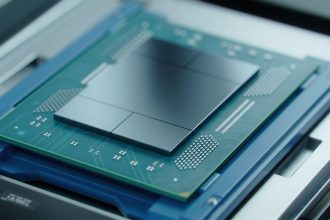
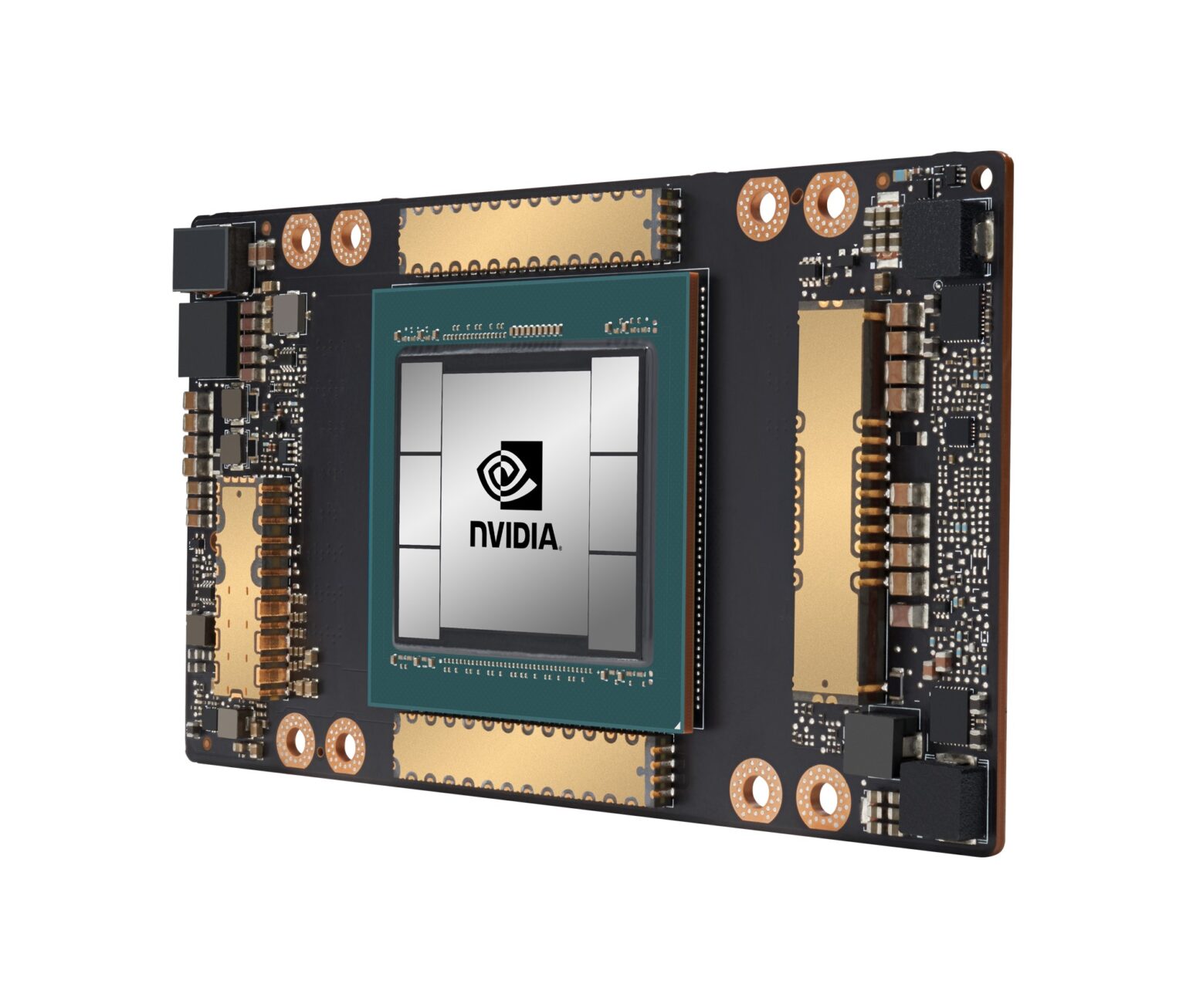
Santa Clara, 2026 — The NVIDIA AI chips payment policy has become a central issue in global technology markets after sources confirmed that NVIDIA now requires full upfront payment for selected advanced artificial intelligence processors supplied to buyers in China. The development, reported by Brussels Morning Newspaper in its international business coverage, highlights how commercial rules are increasingly shaped by geopolitics, regulation, and intense global demand for AI computing power.
The change affects some of the most sophisticated processors used in data centers, research institutions, and cloud platforms, marking a notable evolution in how strategic technology products are sold across borders.
Strategic Background Behind the Decision
The roots of the NVIDIA AI chips payment policy lie in the rapid transformation of artificial intelligence from a commercial innovation into a strategic economic and security asset. Advanced AI systems now underpin decision making across industries, from finance and healthcare to national infrastructure planning.
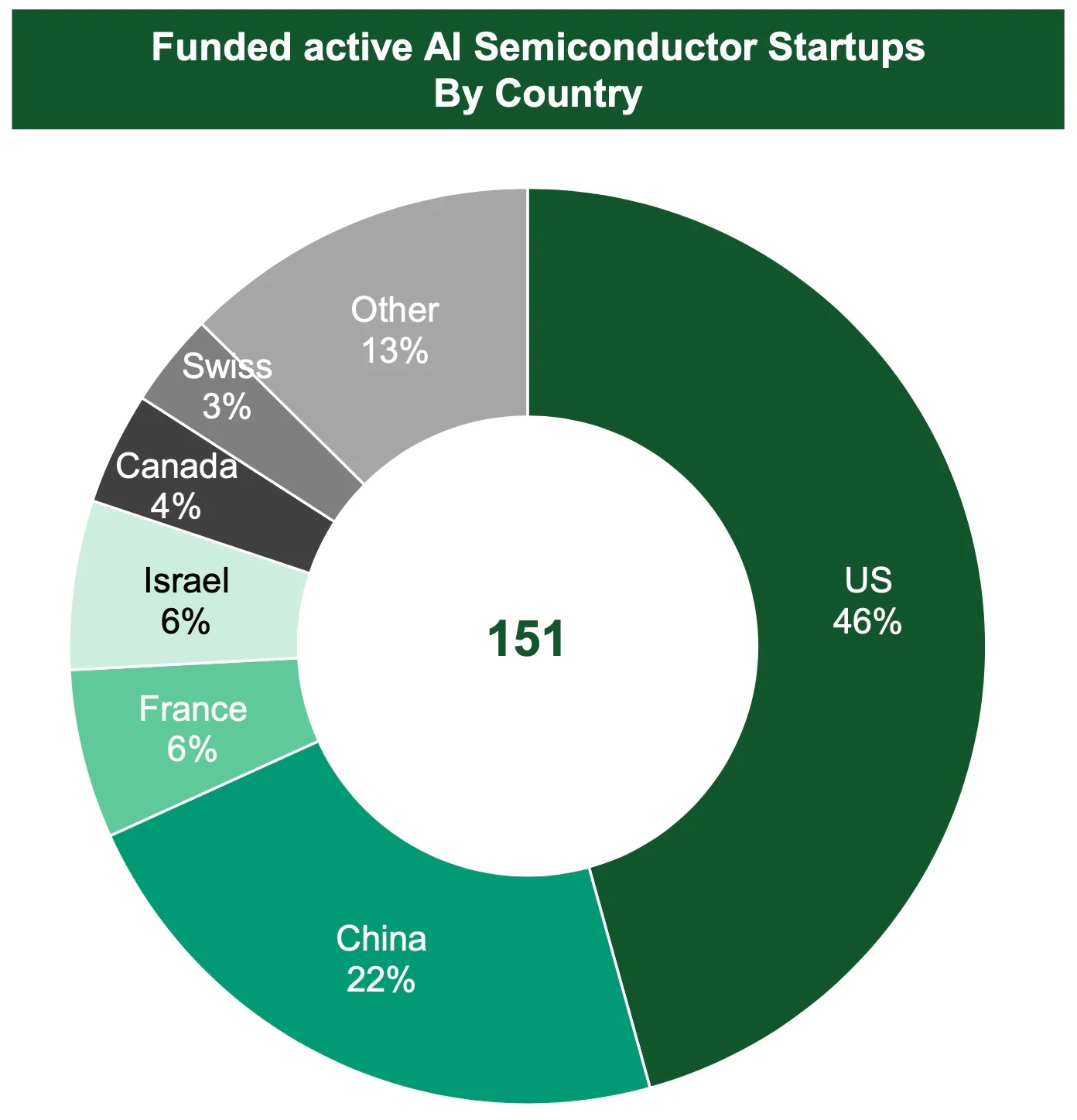
As governments have grown more attentive to the strategic value of computing hardware, oversight of high performance chips has intensified. Export restrictions imposed by the United States have narrowed the range of processors permitted for sale to China, creating uncertainty around licensing timelines and delivery approvals. These constraints have encouraged suppliers to reassess how they manage commercial and regulatory exposure.
Mechanics of the Upfront Payment Requirement
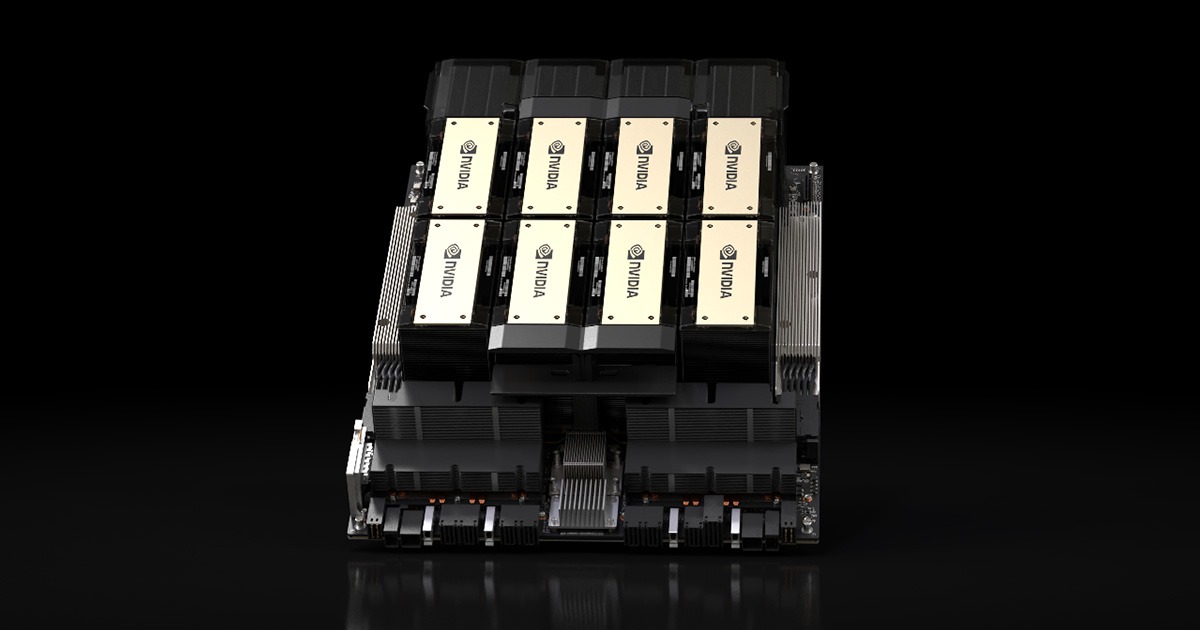
Under the revised framework, customers purchasing certain advanced AI processors are required to complete full payment before production allocation or shipment begins. Previously, some buyers were able to negotiate partial advance payments or settle invoices upon delivery.
Industry sources explain that the NVIDIA AI chips payment policy applies mainly to top tier accelerators designed for large scale AI model training and high intensity inference workloads. Less sensitive products, including lower performance components, are generally not affected, allowing routine commercial activity to continue without disruption.
Financial Impact on Chinese Technology Firms
For Chinese technology companies, the new requirement introduces higher upfront capital commitments. Major cloud providers and state backed enterprises are better positioned to absorb these costs, while smaller firms may face delays in scaling their AI infrastructure.
Analysts say the NVIDIA AI chips payment policy could slow procurement cycles in the near term as companies reassess budgets, secure financing, or delay non essential expansion. Some buyers are reportedly considering consortium purchases or bank supported credit arrangements to manage cash flow pressures.
Effects on China’s Artificial Intelligence Ambitions
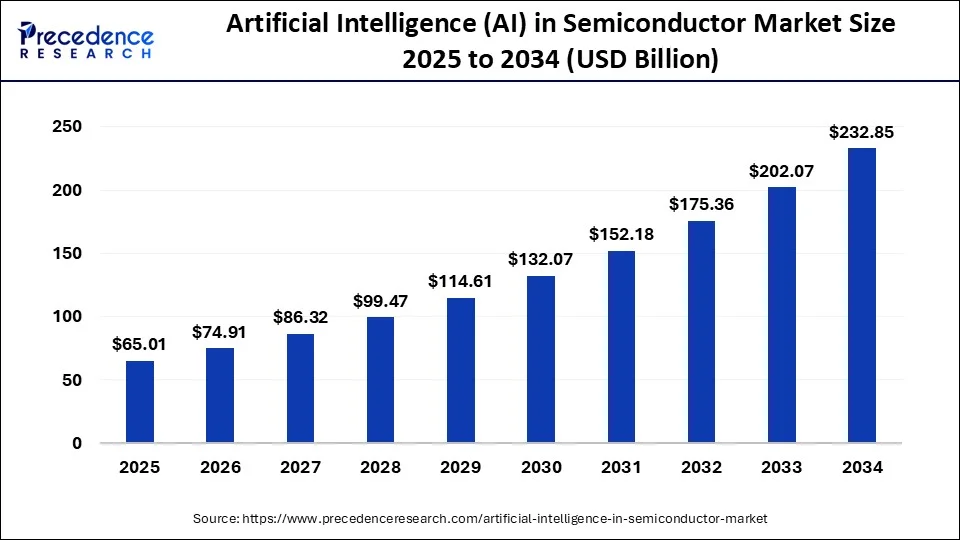
China has identified artificial intelligence as a cornerstone of its long term development strategy, supporting applications ranging from smart manufacturing and logistics to scientific research and healthcare innovation. Access to advanced computing hardware remains essential to sustaining momentum in these fields.
With the NVIDIA AI chips payment policy now in effect, industry observers expect a period of adjustment rather than a structural slowdown. While demand for AI computing remains strong, project timelines may lengthen as organizations adapt to stricter financial planning and procurement requirements.
NVIDIA’s Commercial and Risk Strategy
From NVIDIA’s perspective, the NVIDIA AI chips payment policy reflects a disciplined approach to managing financial and regulatory risk. Global demand for AI processors continues to exceed supply, strengthening the company’s negotiating position with customers across multiple regions.
Upfront payments improve cash flow predictability and reduce the risk of unpaid inventory should regulatory conditions change after orders are placed. NVIDIA executives have consistently emphasized the importance of compliance, transparency, and operational resilience in communications with investors and partners.
Role of Regulation and Geopolitics
The policy shift unfolds amid heightened US China tensions over advanced technology. Washington has intensified scrutiny of semiconductor exports, citing concerns related to military applications and advanced surveillance capabilities.
In this environment, the NVIDIA AI chips payment policy functions as a protective measure. By securing payment before production begins, the company limits financial exposure if export approvals are delayed, modified, or withdrawn due to policy changes beyond its control.
Supply Chain Adjustments Across Asia
The impact of the new payment terms extends beyond NVIDIA and its immediate customers. System integrator’s, distributors, and component suppliers across Asia are revising contracts, delivery schedules, and financing arrangements to align with updated requirements.
Market analysts note that the NVIDIA AI chips payment policy has triggered broader discussions about shared risk models and alternative funding structures. However, NVIDIA’s technological lead in AI hardware means near term substitutes remain limited for many buyers seeking comparable performance.
Investor Sentiment and Market Interpretation
Investors have largely interpreted the move as a sign of strength rather than vulnerability. NVIDIA’s dominance in AI computing allows it to prioritize financial security without undermining demand.
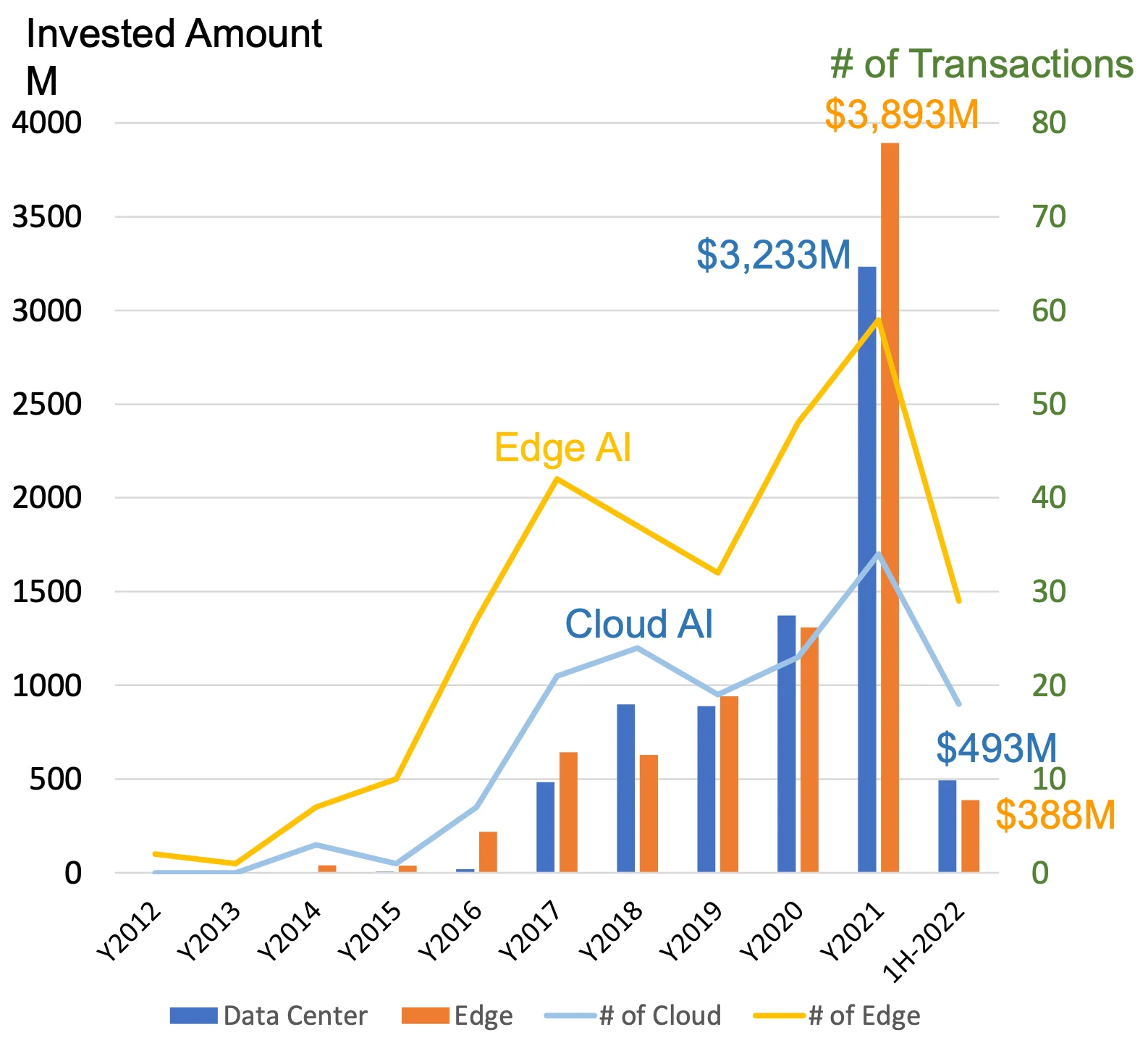
The NVIDIA AI chips payment policy reinforces the perception that the AI semiconductor market is seller driven, shaped by scarcity, high barriers to entry, and sustained global demand from governments, corporations, and research institutions.
Expert Assessment of Industry Trends
Analysts who track semiconductor policy view the development as part of a broader shift affecting strategic industries, where commercial flexibility is giving way to tighter controls.
“When demand is overwhelming and regulation is uncertain, upfront payment becomes a rational tool for managing exposure,” said one semiconductor supply chain analyst.
This assessment reflects growing recognition that financial terms are now inseparable from technology governance.
Broader Global Implications
Although the immediate focus is on China, the NVIDIA AI chips payment policy may influence commercial practices in other regions facing regulatory scrutiny. Suppliers of advanced technologies could adopt similar measures where geopolitical risk complicates long term delivery commitments.
This trend suggests that access to cutting edge hardware will increasingly depend on financial resilience as well as regulatory compliance, reshaping how global technology markets function.
Outlook for the Remainder of 2026
As 2026 continues, policymakers, competitors, and customers are expected to monitor developments closely. Demand for AI computing shows no sign of slowing, but the rules governing its distribution are becoming more complex and tightly regulated.
For NVIDIA, the challenge will be maintaining growth while navigating compliance and geopolitical uncertainty. For buyers, adaptation may involve new financing strategies, partnerships, or greater reliance on existing infrastructure.
Beyond Payments A Structural Shift in AI Commerce
The shift reflected in the NVIDIA AI chips payment policy highlights a deeper transformation in global technology trade. As financial discipline, regulatory oversight, and innovation increasingly intersect, commercial policies are becoming just as influential as advances in chip design, signaling a new era in how strategically critical technologies are bought and sold worldwide.