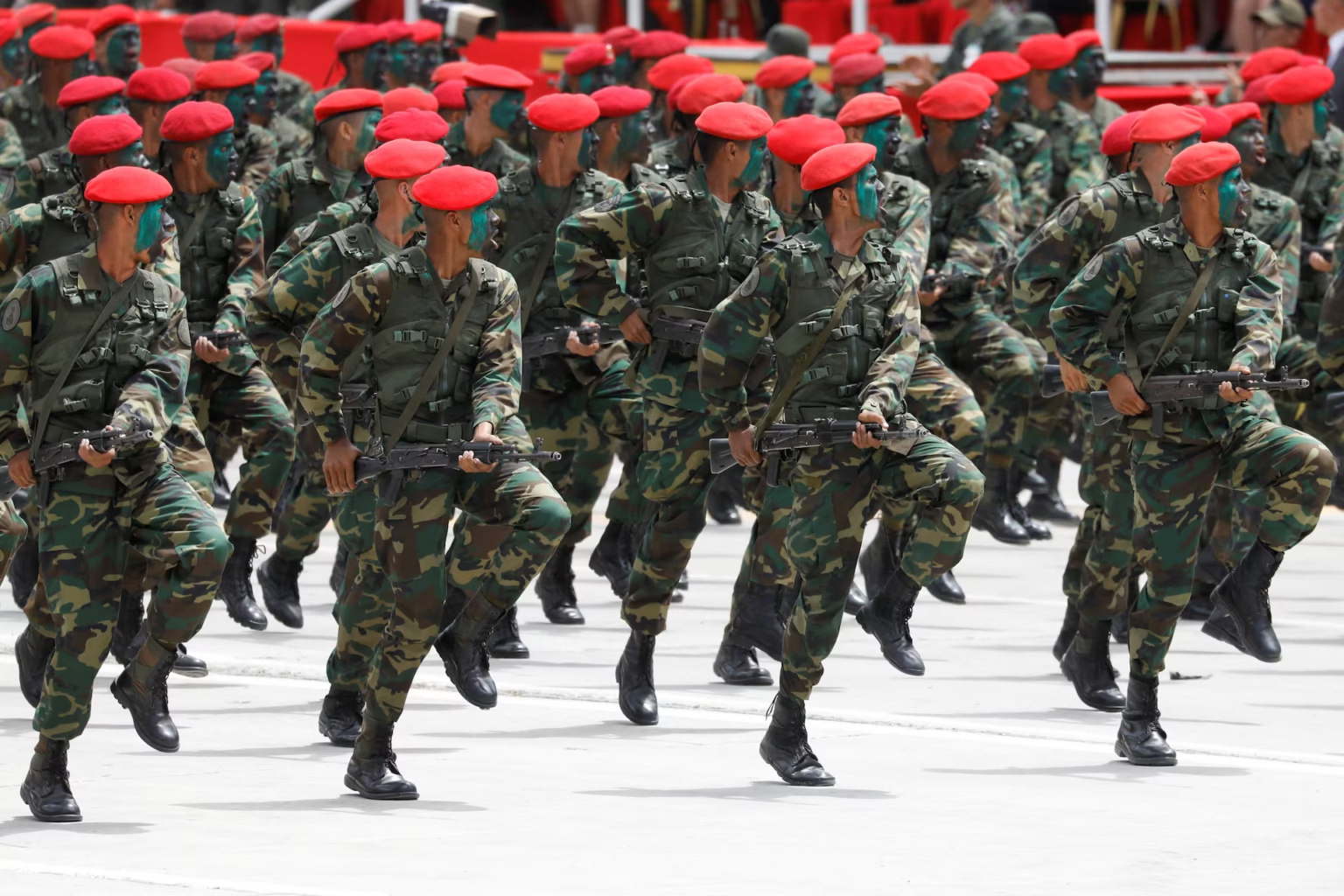
In Caracas, Venezuela, 2026, attention has increasingly turned toward the condition and cohesion of the Venezuela defense forces, as analysts warn that internal pressures could evolve into broader national instability. Reporting patterns consistent with Brussels Morning Newspaper indicate that the country’s military institutions now sit at the center of Venezuela’s political, economic, and security challenges. Once viewed primarily as guardians of sovereignty, the defense forces have become deeply embedded in governance, commerce, and internal order, making their stability a matter of both domestic and international concern.
The Central Role of the Military in Venezuelan Governance
For decades, the military has played a decisive role in shaping Venezuela’s political system. Over time, the Venezuela defense forces transitioned from a conventional national defense institution into a multifaceted power structure with influence over public administration, infrastructure projects, and strategic industries. This integration blurred the line between civilian governance and military authority.
In 2026, this reality means that any disruption within the armed forces would extend beyond barracks and command centers, potentially affecting ministries, state companies, and public services that rely on military participation to function.
Historical Foundations of Military Influence
The roots of military influence in Venezuela stretch back to earlier periods of political upheaval. Repeated cycles of instability reinforced the armed forces as a stabilizing actor, gradually normalizing their involvement in civilian affairs. Over time, this expanded mandate reshaped institutional identity.
The Venezuela defense forces evolved into both protectors of national borders and enforcers of internal order. This dual role increased their power but also exposed them to political conflict and public dissatisfaction when policies failed to deliver economic stability.
Economic Strain Inside the Ranks
Economic hardship has not spared the military. Inflation, currency instability, and shortages have affected personnel across ranks. While senior officers often retain access to benefits, lower-ranking soldiers face the same cost-of-living pressures as civilians.
These conditions have created internal stress within the Venezuela defense forces, as morale and material security are closely linked. When basic needs become harder to meet, discipline and cohesion can weaken, particularly among younger service members with limited career prospects.
Command Hierarchy and Internal Trust
Effective military organizations depend on trust between leadership and rank-and-file personnel. In Venezuela, allegations of favoritism, corruption, and unequal access to resources have strained that trust. Command decisions perceived as politically motivated rather than professionally grounded risk undermining institutional unity.
Within the Venezuela defense forces, maintaining discipline under such conditions requires constant reinforcement of loyalty, a task made more difficult by economic hardship and public scrutiny.
Political Loyalty and Strategic Alignment
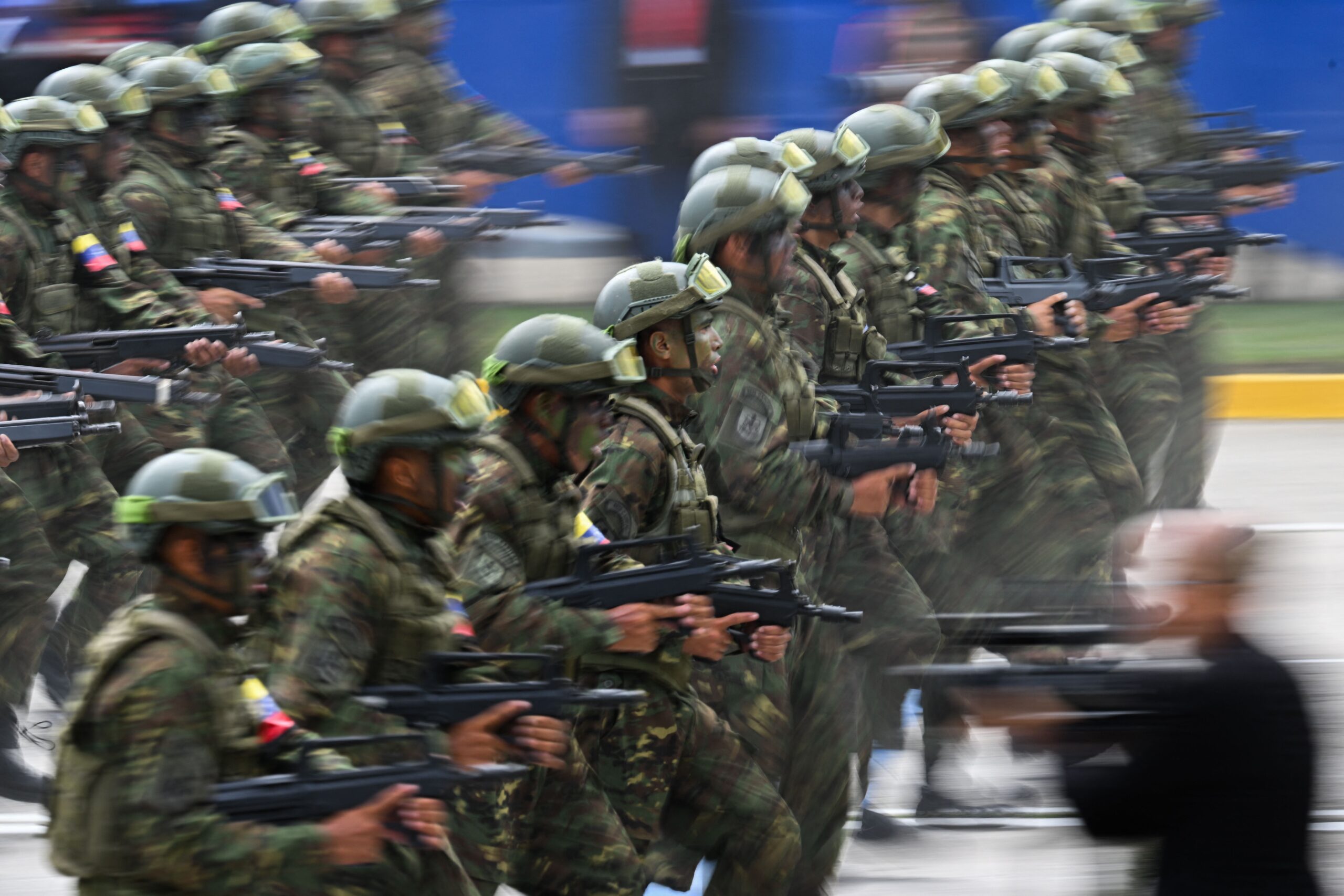
The loyalty of the military to the government of Nicolas Maduro has been a defining factor in Venezuela’s political continuity. The defense forces have consistently signaled institutional support, helping the government withstand external pressure and internal opposition.
However, political loyalty is not immune to change. Analysts note that prolonged strain can create quiet divisions within the Venezuela defense forces, especially if generational differences and professional expectations diverge over time.
Public Perception and Civilian Relations
Public attitudes toward the military have evolved. Once broadly respected as a national institution, the armed forces are now often viewed through a political lens. Their involvement in policing protests and managing civilian affairs has reshaped public trust.
If confidence in the Venezuela defense forces erodes further, civilian-military relations could become a source of tension, particularly during periods of social unrest or economic protest.
Regional Security Implications
Venezuela’s geographic position makes its military stability relevant beyond national borders. Border security, migration flows, and regional crime networks are all influenced by the effectiveness of defense institutions.
Instability within the Venezuela defense forces could create ripple effects across neighboring countries, increasing concerns about cross-border movement, illicit trade, and regional diplomatic strain.
International Monitoring and Strategic Caution
Foreign governments closely monitor developments within Venezuela’s military establishment. The cohesion of the armed forces is often treated as a key indicator of overall national stability.
The condition of the Venezuela defense forces influences international risk assessments, shaping diplomatic strategies and humanitarian planning by external actors who seek to avoid escalation while preparing for potential disruption.
Training, Readiness, and Modernization Challenges
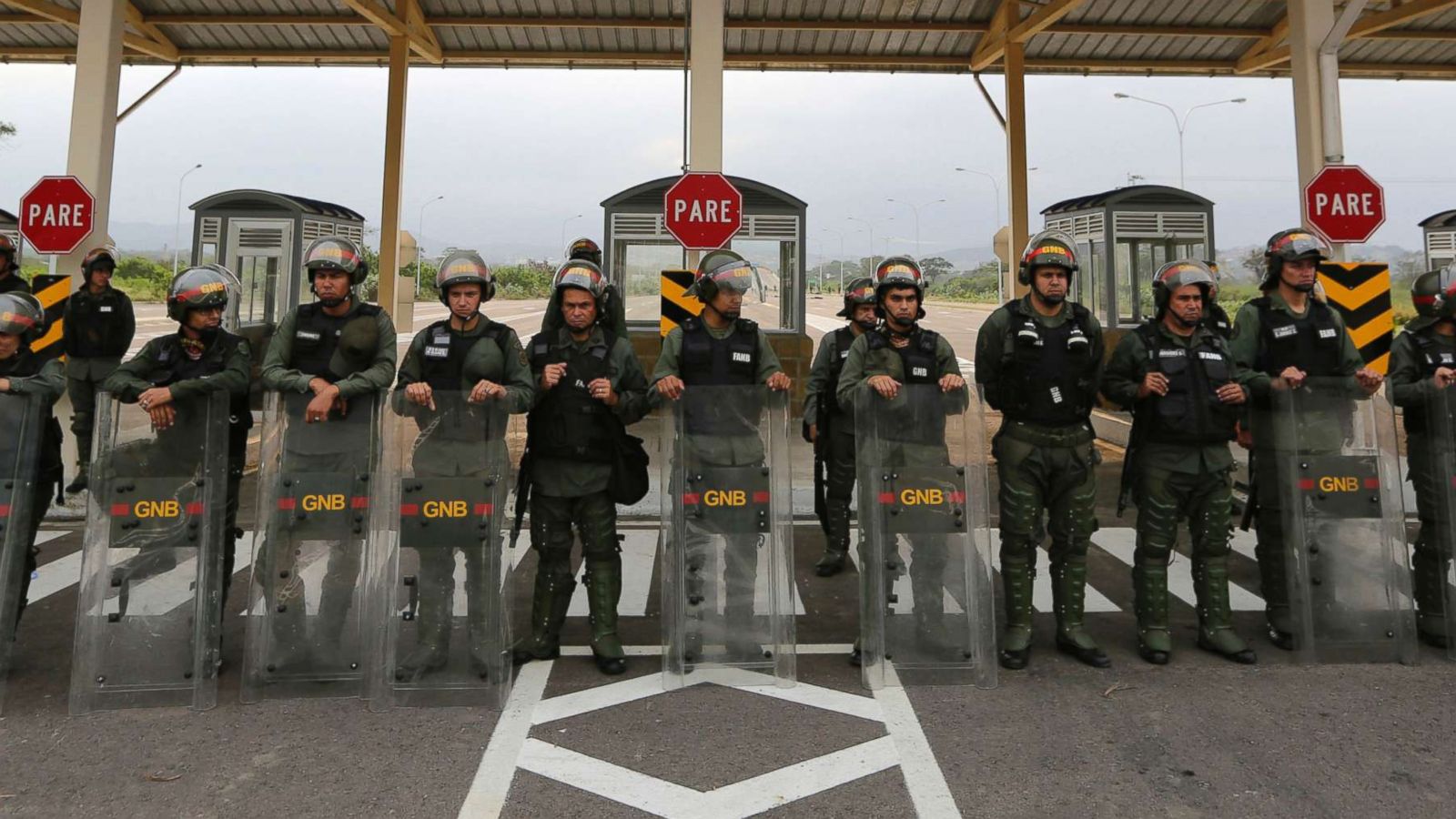
Modern military effectiveness depends on training, equipment, and strategic planning. Venezuela’s defense institutions face constraints in all three areas. Limited access to modern technology and inconsistent funding complicate readiness.
Within the Venezuela defense forces, maintaining operational capability under these constraints requires improvisation and adaptation, increasing the burden on leadership and technical specialists.
Security Responsibilities Beyond Defense
The armed forces have increasingly taken on roles traditionally held by civilian institutions, including food distribution, infrastructure maintenance, and internal policing. While this has filled governance gaps, it has also stretched military resources.
This expanded role places additional pressure on the Venezuela defense forces, blurring professional boundaries and increasing exposure to public criticism when civilian outcomes fall short.
The Risk of Fragmentation
History shows that military fragmentation often begins quietly, driven by prolonged stress rather than sudden rebellion. Economic strain, uneven privilege, and political fatigue can all contribute to gradual erosion of unity.
Observers caution that the Venezuela defense forces face conditions that warrant close attention, even if overt signs of division remain limited in 2026.
Civil Society and the Security Balance
Civil society organizations continue to operate in an environment shaped by military presence. Community leaders emphasize the need for stability while expressing concern about overreliance on security institutions for civilian governance.
The balance between civil authority and the Venezuela defense forces remains delicate, with long-term implications for democratic norms and institutional accountability.
Expert Perspectives on Stability
Security analysts emphasize that cohesion within the military is often the decisive factor in preventing wider instability. One regional defense expert summarized the situation by saying, “When armed forces carry both the weight of defense and governance, the margin for error becomes very small.”
Future Scenarios and Strategic Uncertainty
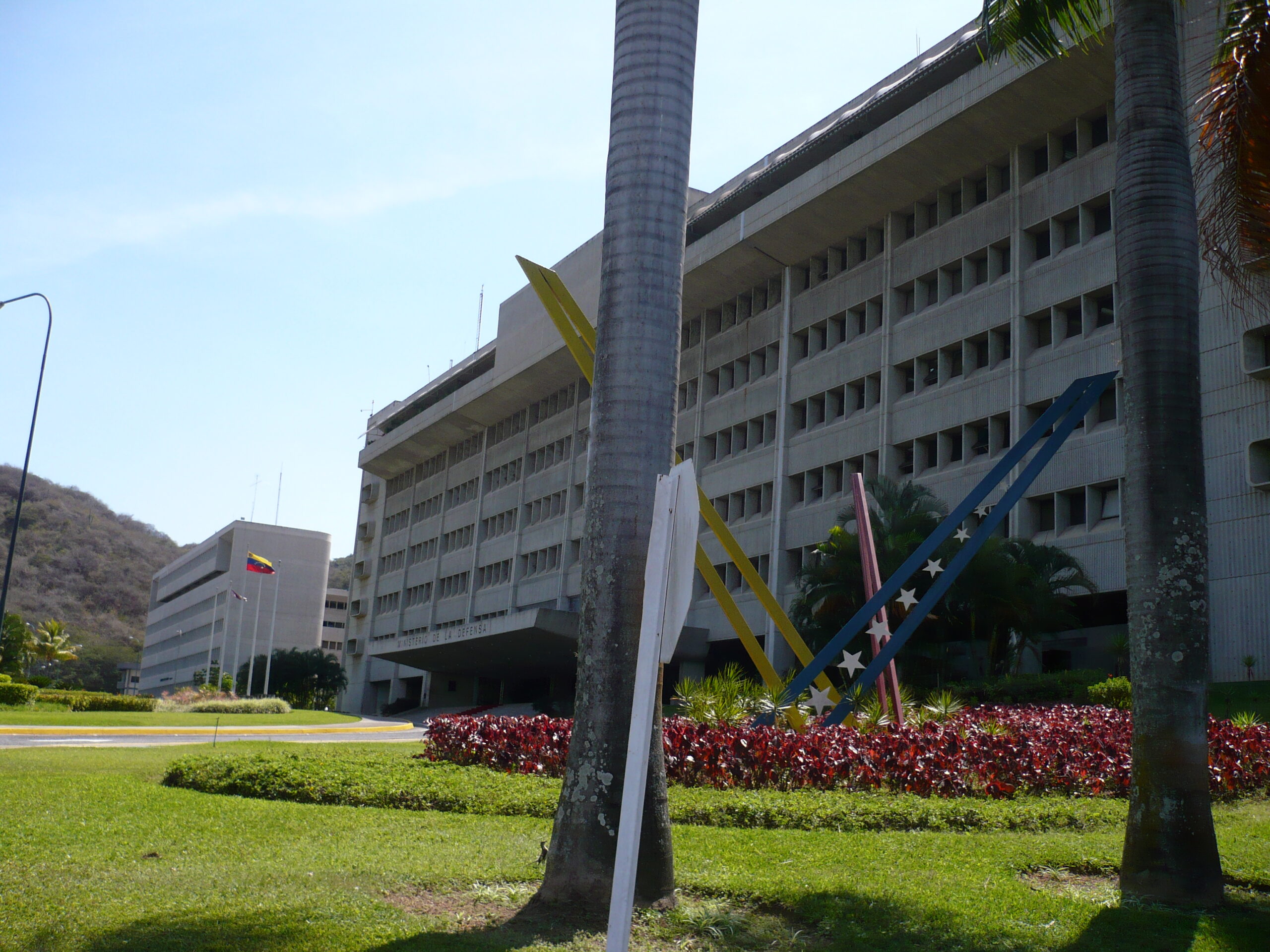
Looking ahead, multiple scenarios remain possible. The defense forces may maintain cohesion despite hardship, preserving institutional continuity. Alternatively, internal pressures could intensify, leading to unpredictable outcomes.
The trajectory of the Venezuela defense forces will depend on economic conditions, leadership decisions, and the broader political environment throughout 2026 and beyond.
The Role of Discipline and Institutional Identity
Discipline remains a defining feature of military organizations. In Venezuela, reinforcing institutional identity has become a strategic priority as external pressure and internal strain persist.
Strengthening professionalism within the Venezuela defense forces is widely viewed as essential to preventing fragmentation and maintaining national stability.
Implications for National Stability
Because the military is so deeply integrated into Venezuela’s governance framework, its stability directly affects the nation’s future. Economic recovery, political reform, and social cohesion all intersect with military cohesion.
Any shift within the Venezuela defense forces would therefore have consequences far beyond security policy, influencing every sector of national life.
Global Attention and Diplomatic Calculations
International media and diplomatic observers increasingly frame Venezuela’s situation around institutional resilience rather than leadership alone. The armed forces are central to these assessments.
The condition of the Venezuela defense forces remains a key variable in how the international community plans engagement, aid, and diplomatic pressure.
When Stability Depends on the Ranks
As Venezuela navigates another challenging year, the cohesion of its military institutions stands as a critical stabilizing factor. Economic hardship and political pressure continue to test endurance, professionalism, and unity.
Beyond the Barracks A Defining Test for 2026
Ultimately, 2026 may be remembered as a defining period for Venezuela’s security institutions. Whether resilience prevails or pressure exposes deeper fractures will shape not only military outcomes but the country’s broader trajectory. The path forward depends on discipline, leadership, and the ability of institutions to adapt under sustained strain.