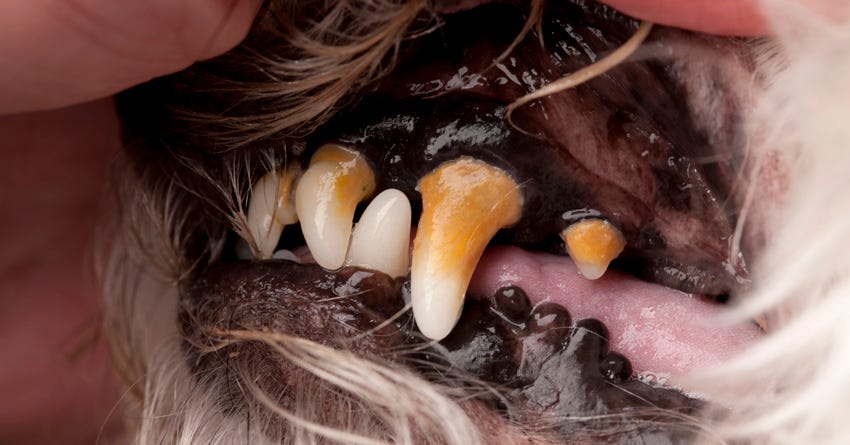
Brussels Morning conversations across Europe are increasingly turning toward the future of mental healthcare and few topics spark as much debate as the NHS magic mushrooms depression discussion now gaining public attention. Once dismissed as fringe science the idea of using psilocybin the active compound found in magic mushrooms to treat severe depression is being examined by researchers clinicians and policymakers alike.
At the center of this debate is the United Kingdom’s publicly funded healthcare system the National Health Service long regarded as one of the most cautious and evidence driven medical institutions in the world. As depression rates rise and traditional treatments fail a growing number of patients the question confronting the NHS is whether innovation has become a medical necessity rather than a philosophical risk.
Why Depression Is Forcing a Rethink in Treatment Models
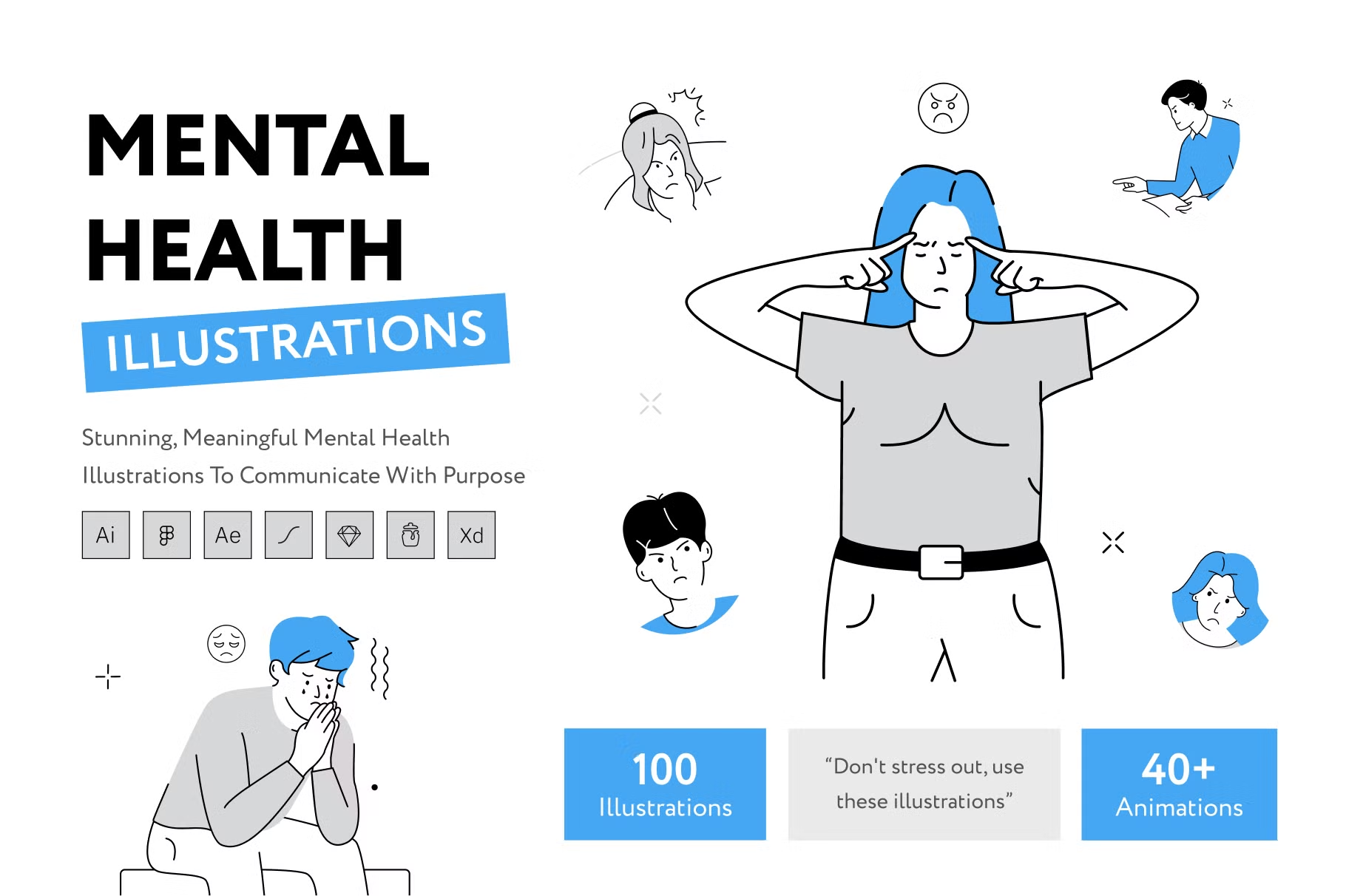
Depression affects millions of people across the UK cutting across age income and geography. While antidepressants and psychotherapy remain first line treatments they are not universally effective. A substantial group of patients live with treatment resistant depression cycling through medications without lasting relief.
This reality fuels the NHS magic mushrooms depression debate. Supporters argue that the system cannot ignore emerging evidence simply because it challenges decades of drug policy and cultural assumptions. For patients who have exhausted all approved options the prospect of a new therapeutic pathway represents hope where there has long been frustration.
What Are Magic Mushrooms in a Medical Context
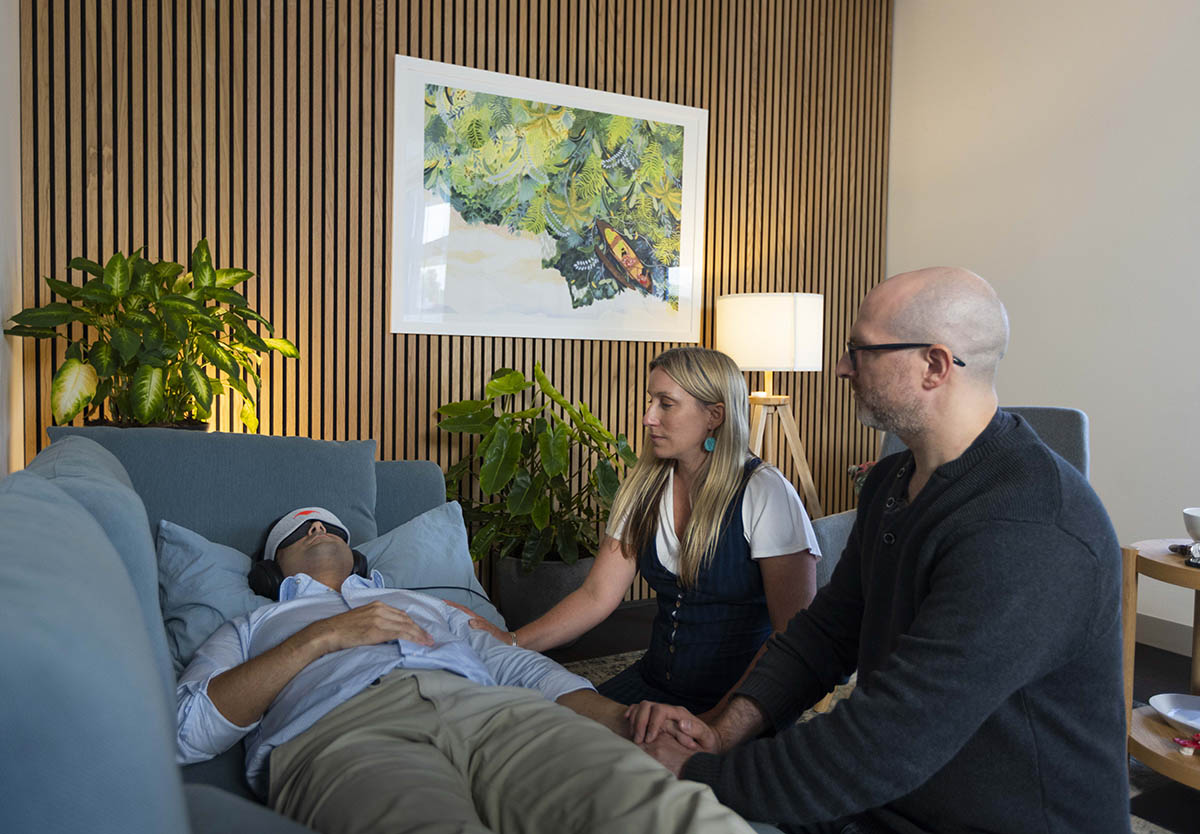
Magic mushrooms contain psilocybin a naturally occurring psychedelic compound. In clinical settings psilocybin is administered in carefully measured doses under strict supervision. It is not recreational use and does not resemble uncontrolled environments often associated with illicit drug consumption.
Within the NHS magic mushrooms depression framework psilocybin assisted therapy is viewed as a catalyst rather than a cure. The drug is intended to temporarily alter brain activity allowing patients to engage more effectively in psychotherapy. Researchers emphasize that the therapeutic setting professional guidance and integration sessions are essential components of the treatment.
The Neuroscience Behind Psilocybin and Depression
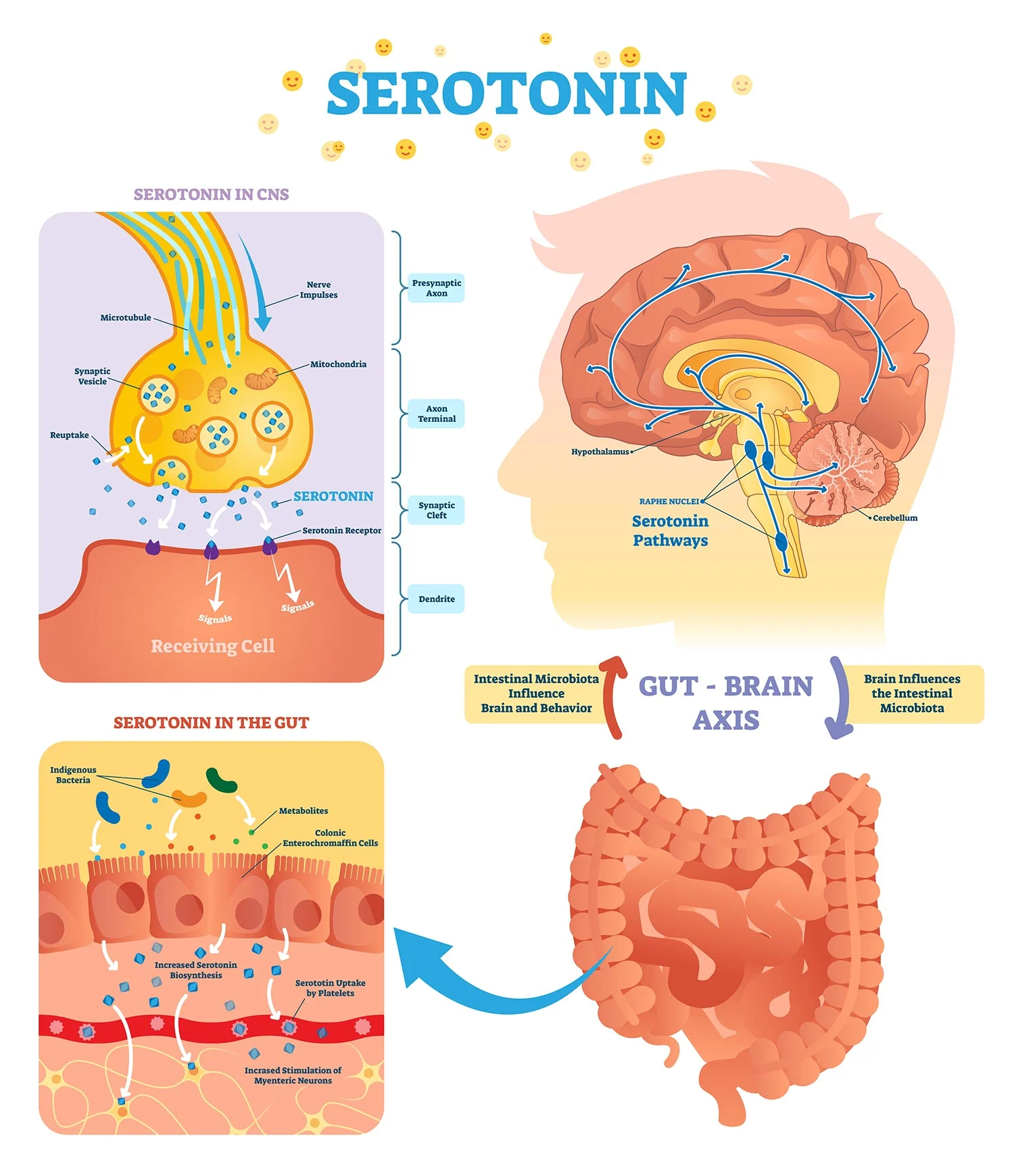
Modern brain imaging has provided new insight into how depression manifests neurologically. Depressive disorders are often linked to rigid patterns of thought and overactive neural networks associated with rumination and negative self perception.
Studies relevant to the NHS magic mushrooms depression discussion suggest that psilocybin temporarily disrupts these entrenched pathways. By increasing neural flexibility patients may gain new perspectives on emotions memories and behaviors. This window of cognitive openness when paired with therapy may lead to sustained improvement in mood.
Scientific Evidence and Clinical Trials
Over the past decade controlled trials conducted internationally have examined psilocybin for depression anxiety and post traumatic stress. Some results show rapid symptom reduction particularly in patients with treatment resistant conditions.
Proponents of the NHS magic mushrooms depression approach stress that evidence based medicine should drive policy decisions. They argue that the NHS already uses powerful psychoactive drugs when benefits outweigh risks and that psilocybin deserves the same rigorous but open evaluation.
Safety Concerns and Risk Management
Despite promising findings safety remains a central concern. Psilocybin can induce intense psychological experiences that may be distressing if not properly managed. Critics warn of potential adverse reactions particularly in individuals with underlying psychotic disorders.
Within the NHS magic mushrooms depression debate supporters counter that risk can be mitigated through screening preparation and professional supervision. They point out that many accepted psychiatric medications carry serious side effects yet are prescribed because benefits outweigh risks when used responsibly.

Ethical Responsibilities of a Public Health System
Ethics are fundamental to any NHS decision. Introducing psychedelic therapy would require transparent consent processes clear eligibility criteria and long term follow up. The public must trust that innovation serves patient wellbeing rather than experimentation.
Ethical oversight bodies would play a crucial role in evaluating whether the NHS magic mushrooms depression model aligns with principles of beneficence and non maleficence. Without strong governance public confidence could be undermined.
Public Perception and Cultural Resistance
Public attitudes toward magic mushrooms are shaped by decades of prohibition and stigma. Many people struggle to separate recreational drug narratives from medical research.
For the NHS magic mushrooms depression debate to progress public education is essential. Clear communication about clinical safeguards scientific evidence and patient outcomes could help shift perception from fear toward informed discussion.
Legal Barriers and Regulatory Challenges
Psilocybin remains a controlled substance under UK law making clinical use legally complex. Any NHS involvement would require regulatory reform or special exemptions for research purposes.
Advocates within the NHS magic mushrooms depression discussion note that similar challenges were overcome with medical cannabis. They argue that laws should evolve alongside science when patient benefit is demonstrated.
Economic Implications for the NHS
Depression places a heavy financial burden on healthcare systems through repeated consultations medication costs and lost productivity. Long term untreated depression also increases the risk of physical illness.
Supporters suggest that if the NHS magic mushrooms depression approach proves effective it could reduce long term costs despite higher upfront investment. Fewer relapses and reduced medication dependency could translate into economic as well as human benefits.
International Developments and Global Context
Other countries are also exploring psychedelic therapies. International research institutions and regulatory bodies are closely monitoring outcomes safety data and public response.
These global developments inform the NHS magic mushrooms depression debate by providing comparative insight. Policymakers can learn from international experiences without adopting untested models blindly.
Clinician Perspectives From the Front Lines
Clinicians remain divided. Some psychiatrists welcome new options for patients who do not respond to conventional treatment. Others urge caution emphasizing the need for large scale long term data.
Within the NHS magic mushrooms depression conversation clinician training and support are critical. Without adequate education even approved therapies may fail to deliver intended benefits.
Patient Voices and Lived Experience
Patients living with chronic depression increasingly advocate for expanded treatment choices. Many describe years of trial and error with existing medications.
For them the NHS magic mushrooms depression debate is deeply personal. It represents not a political argument but a question of whether the system is willing to explore every reasonable option to alleviate suffering.
The Role of Media and Responsible Reporting
Media coverage plays a powerful role in shaping public understanding. Sensational headlines risk distorting the science while balanced reporting fosters informed debate.
For Google News compliant journalism the NHS magic mushrooms depression topic requires accuracy context and neutrality. Responsible reporting ensures that public dialogue remains grounded in evidence rather than hype.
Potential Framework for NHS Pilot Programs
If the NHS were to proceed it would likely begin with tightly controlled pilot programs. These would involve specialist centers multidisciplinary teams and rigorous outcome tracking.
Such a framework would allow the NHS magic mushrooms depression concept to be evaluated responsibly. Data from these pilots would inform future decisions on wider implementation or rejection.
Balancing Innovation With Caution
Every major medical advance has faced resistance. The challenge lies in distinguishing healthy skepticism from inertia. Depression continues to claim lives and diminish quality of life making inaction a risk in itself.
The NHS magic mushrooms depression debate ultimately centers on balance. Innovation must proceed cautiously but compassion demands exploration when existing tools fall short.
A Turning Point for Mental Health Care
The debate over whether the NHS should explore magic mushrooms for depression marks a turning point in modern medicine. The NHS magic mushrooms depression discussion forces society to confront stigma policy and the evolving science of the mind. Whatever decision emerges it will shape the future of mental healthcare and signal how willing public institutions are to adapt in the face of human suffering.