Global oil markets opened the Brussels Morning briefings across European financial centers with heightened awareness of Middle East security developments. Yet market analysts, policymakers, and energy traders continue to arrive at the same conclusion. Stability persists, with little indication that rising tensions surrounding Yemen are translating into meaningful supply disruption or policy change.
While geopolitical risk remains an ever-present factor in energy pricing, recent movements in crude markets show that investors and producers are increasingly separating regional instability from structural threats to global supply. This distinction has become more important as oil markets mature and adapt to a more complex and interconnected global risk environment.
Yemen’s Limited Influence on Energy Supply
Yemen’s oil production capacity has been severely constrained for years due to prolonged conflict, infrastructure damage, and limited export capability. While the country sits near strategically important waterways, its direct contribution to global supply is minimal.
For this reason, global oil markets have largely discounted Yemen as a primary production risk. Instead, supply expectations continue to be shaped by output decisions from major producers with significant spare capacity and export reach.
Shipping Routes and Risk Mitigation
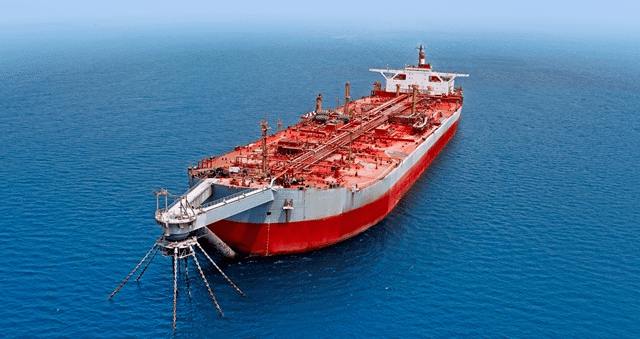
Concerns related to Yemen often focus on maritime security near the Red Sea and the Bab el Mandeb Strait. These shipping corridors play an important role in global trade, including energy transportation.
However, modern shipping systems are designed with redundancy. Naval patrols, insurance mechanisms, real-time monitoring, and alternative routing options have significantly reduced exposure to localized incidents. These protections help explain why global oil markets have not experienced sustained volatility tied to regional shipping concerns.
Production Policy Remains Data Driven
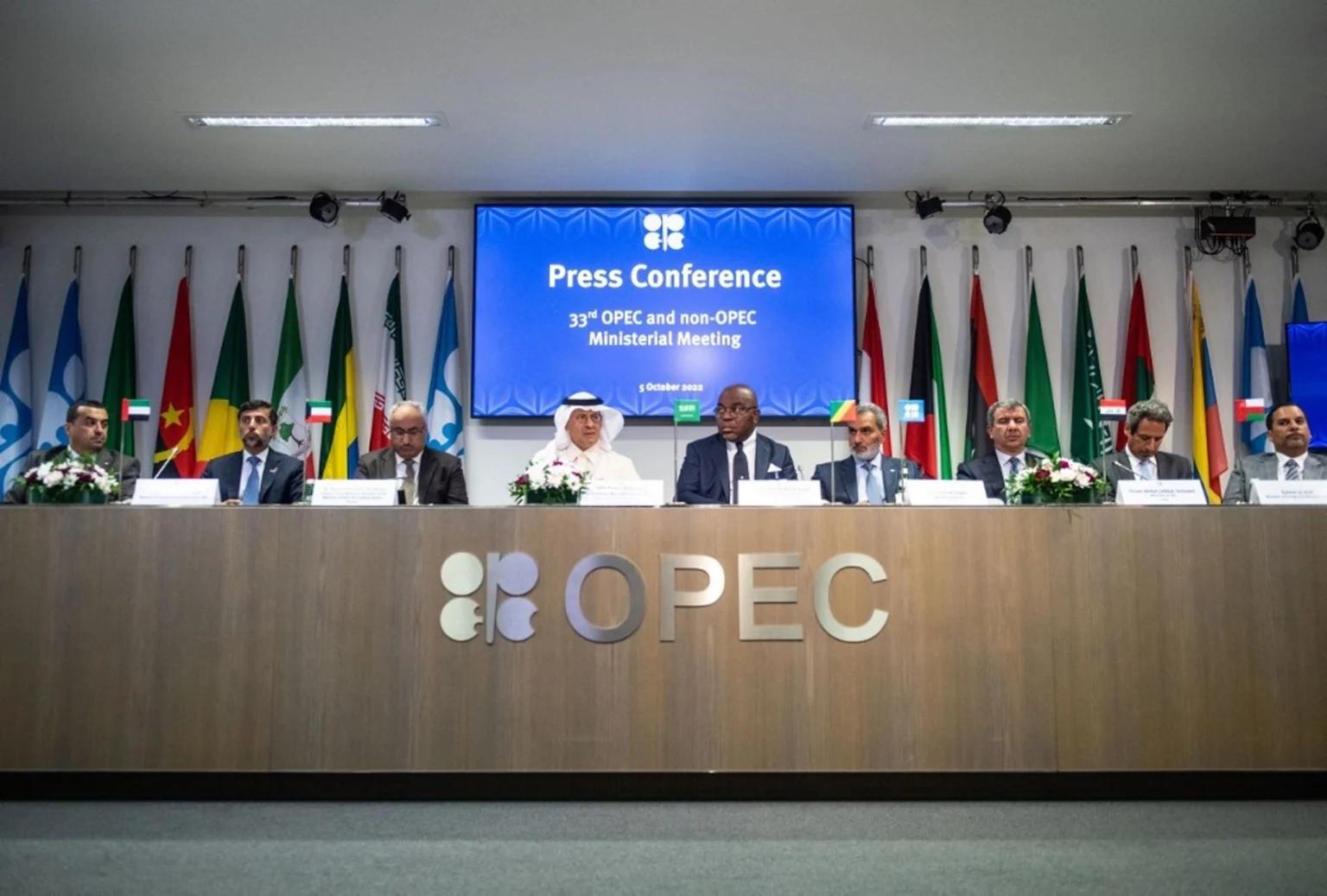
Major oil producers, particularly those aligned through OPEC+, continue to emphasize discipline and coordination. Production policy is guided by inventory levels, consumption forecasts, and macroeconomic indicators rather than short-term political developments.
This framework reinforces confidence that global oil markets will remain balanced, as output decisions are driven by fundamentals rather than reactionary responses to conflict.
Price Signals Reflect Economic Reality
Recent oil price movements have been closely tied to inflation data, interest rate expectations, currency shifts, and economic growth forecasts. These indicators carry far more weight than isolated geopolitical developments.
This trend highlights a structural change in how global oil markets function. Traders are increasingly focused on measurable demand and supply dynamics, reducing the influence of speculation and rumor.
Strategic Reserves Strengthen Stability
Strategic petroleum reserves held by major consuming nations provide a critical safety net. These reserves are specifically designed to counter temporary disruptions and prevent panic driven shortages.
When combined with spare production capacity among major exporters, this system ensures global oil markets can absorb shocks without triggering prolonged price spikes or supply crises.
Demand Trends Shape the Bigger Picture
Oil demand growth remains the most influential driver of long-term production policy. Consumption patterns in Asia, industrial output in Europe, and transportation demand in North America all shape expectations more decisively than regional instability.
Efficiency improvements, alternative fuels, and evolving energy policies are moderating demand growth, further stabilizing global oil markets in the face of geopolitical uncertainty.
Investor Behavior Signals Confidence
Institutional investors have adjusted to a world where geopolitical risk is persistent but manageable. Rather than exiting positions at the first sign of tension, many now view such risks as long-term variables already reflected in valuations.
This disciplined behavior reinforces stability and reduces volatility across global oil markets, particularly during periods of heightened media attention.
Diplomatic Engagement Reduces Escalation Risk
International diplomatic efforts remain active, focused on de-escalation and maritime security. Multilateral coordination and ongoing dialogue reduce the likelihood of sudden conflict expansion that could disrupt energy flows.
These efforts contribute to a calmer operating environment and support confidence that global oil markets will remain insulated from isolated political shocks.

Energy Transition Adds Structural Resilience
The gradual shift toward renewable energy, electrification, and efficiency improvements is reshaping long-term oil demand expectations. While oil remains essential, growth trajectories are evolving.
This transition reduces sensitivity to supply disruptions and further stabilizes global oil markets, making them less vulnerable to regional conflict over time.
Price Outlook for the Coming Year
Looking ahead, analysts broadly expect oil prices to remain range-bound. Macroeconomic forces such as growth trends, monetary policy, and consumption data are expected to dominate pricing behavior.
Short-term volatility may occur, but the probability of prolonged disruption driven solely by Yemen related developments remains low, reinforcing confidence in global oil markets.
Implications for Governments and Policymakers
Stable energy prices support fiscal planning, inflation management, and economic forecasting. Governments benefit from predictable energy costs, while policymakers can focus on long-term strategy rather than crisis response.
This environment reflects the maturity of global oil markets, where coordination and preparedness now outweigh fear driven reactions.
What This Means for Businesses and Consumers
For businesses, energy price stability enables long-term planning and cost control. Manufacturing, logistics, and transportation sectors benefit from predictable fuel expenses.
Consumers also gain from reduced volatility, as stable fuel prices help limit inflationary pressure on household budgets. The resilience of global oil markets delivers tangible economic benefits beyond financial trading floors.
Responsible Energy Reporting Matters
As energy systems become more complex, accurate and measured reporting plays a critical role in public understanding. Distinguishing between humanitarian crises, political instability, and actual supply risk helps prevent misinformation and panic.
Clear analysis strengthens trust and ensures readers understand why global oil markets often remain stable even during periods of geopolitical tension.
A Market Built for Uncertainty
Modern oil markets are supported by strategic reserves, diversified logistics, disciplined production policy, and informed investors. These safeguards did not exist at the same scale in earlier decades.
While Yemen remains a serious humanitarian and political concern, its ability to disrupt supply is limited. Structural resilience continues to anchor global oil markets amid uncertainty.
Why This Energy Story Matters Globally
This analysis highlights a fundamental shift in how energy systems operate. Instead of reacting emotionally to conflict, today’s markets rely on data, coordination, and long-term planning.
Understanding why stability persists during geopolitical tension helps readers move beyond headlines and focus on underlying realities. That clarity is essential for informed decision-making in a rapidly changing global economy.