
Brussel Morning diplomatic briefings and regional reports have renewed international focus on Middle East instability, as fresh clashes, unresolved conflicts, and rising cross border tensions continue to unsettle one of the world’s most strategically important regions. From Yemen’s eastern border areas to ongoing violence affecting Gaza, the Red Sea, and neighboring states, recent developments underscore how fragile the regional balance has become. Governments, investors, and humanitarian agencies are watching closely, aware that events in the Middle East rarely remain contained within national borders.
At the center of growing concern is the interconnected nature of today’s crises. Political deadlock, armed conflict, economic strain, and humanitarian emergencies are reinforcing one another, creating conditions where Middle East instability threatens not only regional populations but also global energy markets, shipping lanes, and diplomatic relationships.
Understanding the Current Wave of Tensions
The present phase of unrest reflects long standing structural challenges. Years of unresolved political disputes, foreign interventions, and economic hardship have left many states vulnerable to renewed violence. Analysts argue that Middle East instability today is less about isolated conflicts and more about overlapping crises that feed into one another.
In several areas, localized fighting has the potential to escalate quickly due to alliances, proxy dynamics, and regional rivalries. As a result, even limited clashes can carry disproportionate geopolitical weight, drawing responses from neighboring states and international powers.
Conflict Zones Driving Regional Anxiety
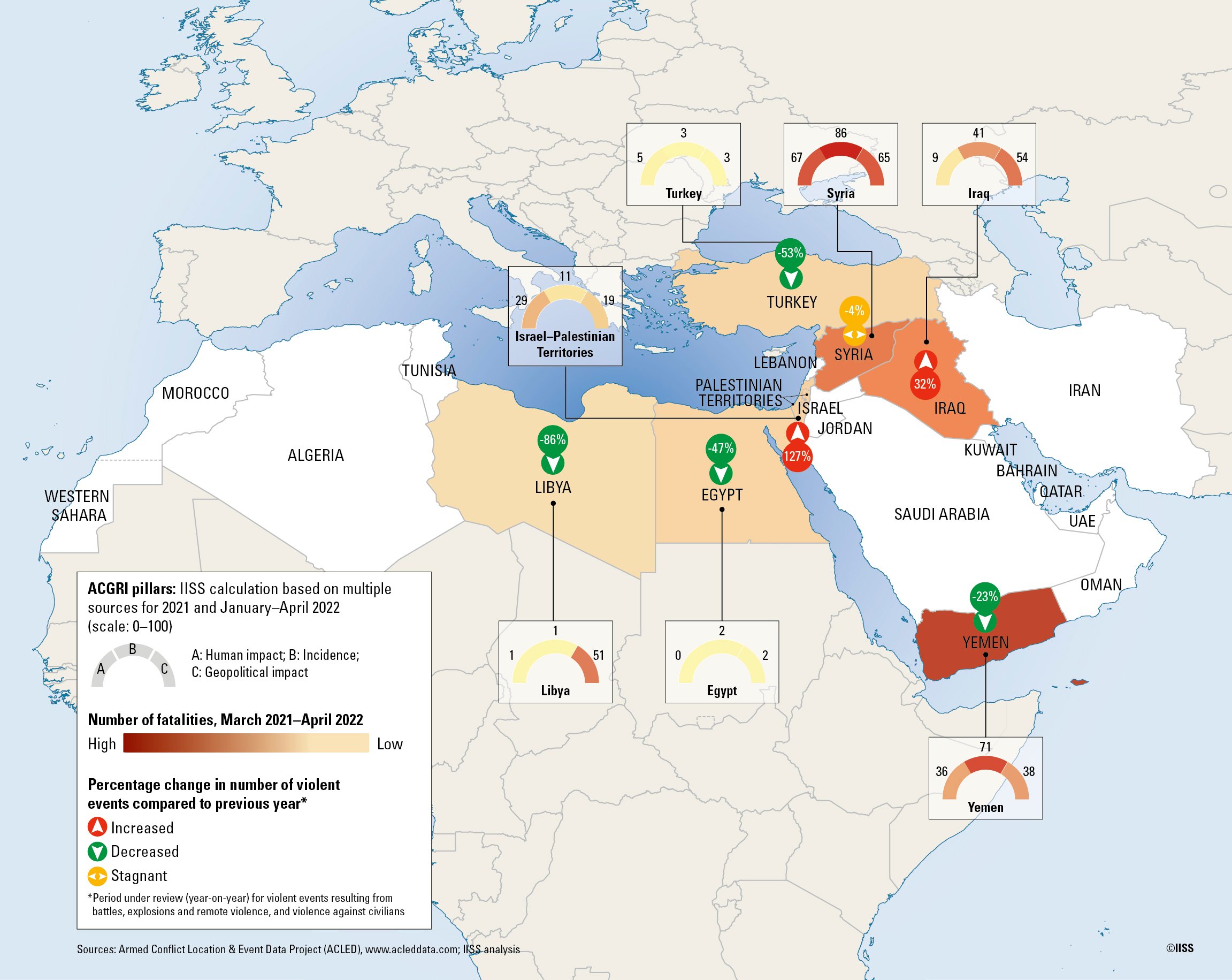
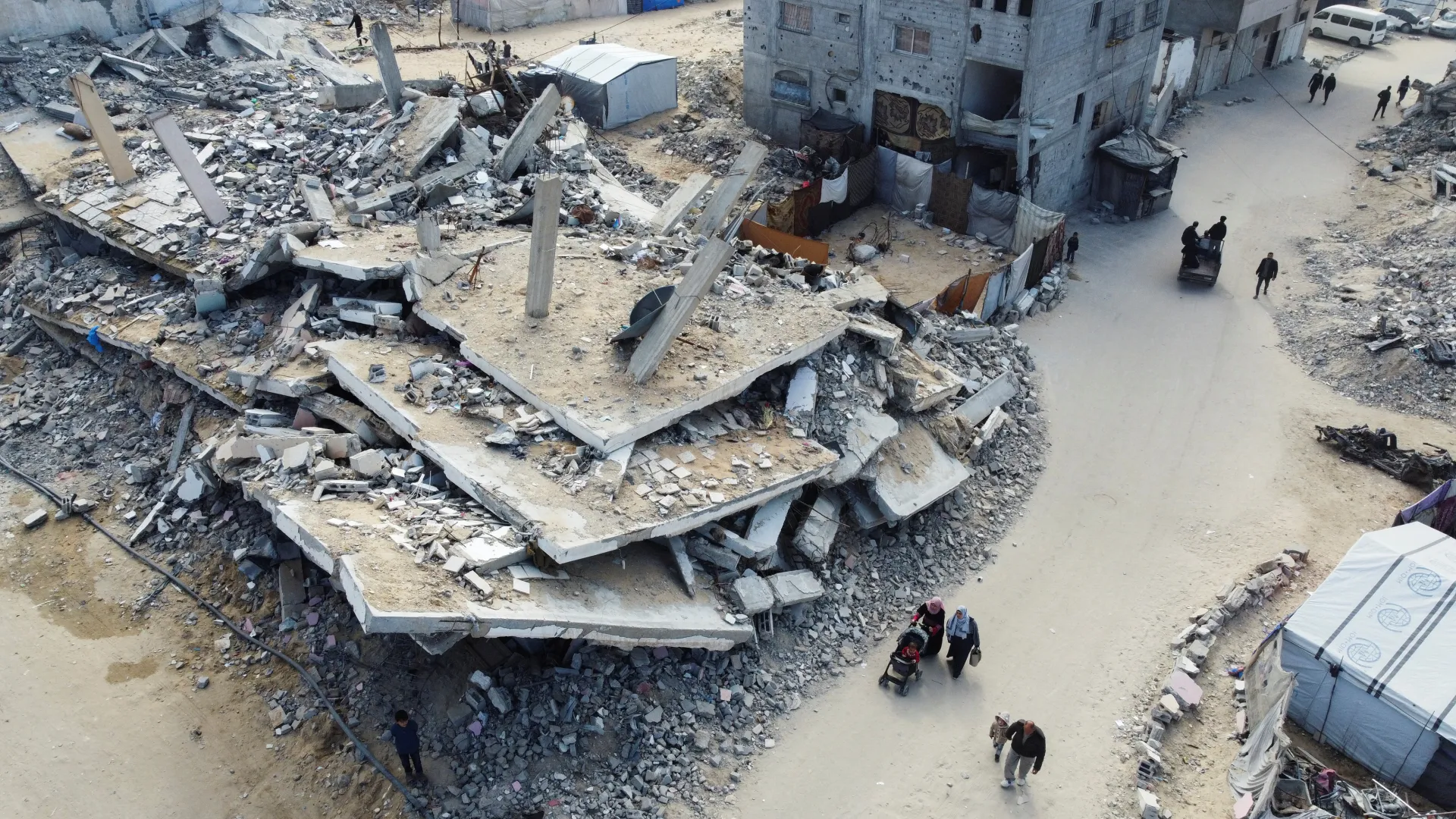
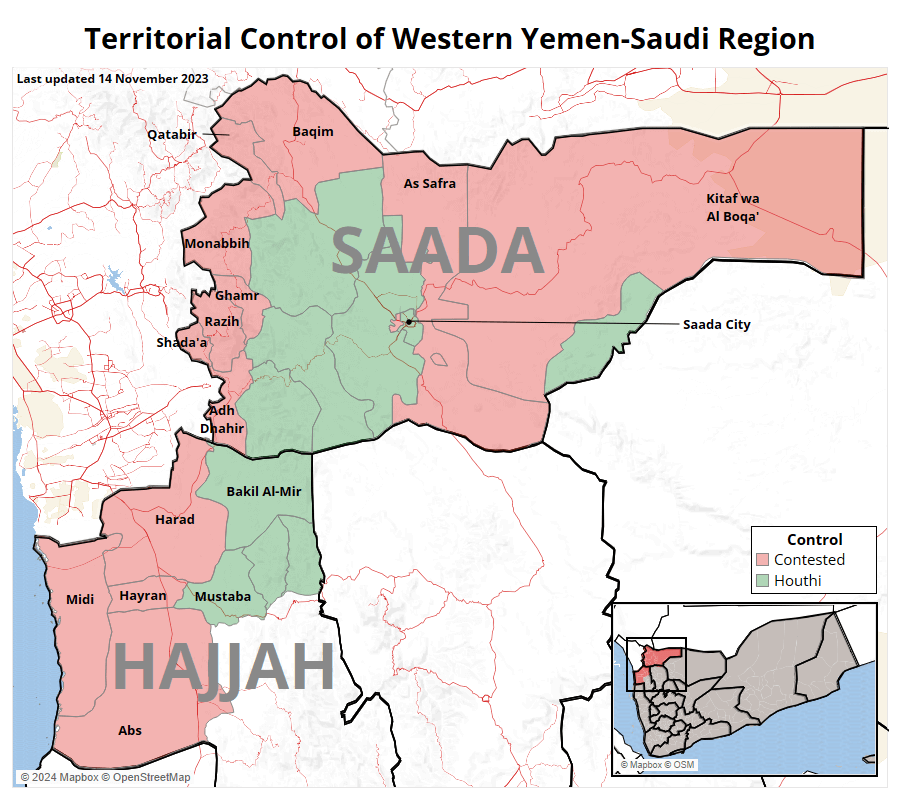
Several flashpoints continue to shape the broader security environment. Yemen remains deeply fractured, with border tensions and internal rivalries persisting despite intermittent ceasefires. In Gaza, repeated cycles of violence and stalled political processes fuel ongoing humanitarian and security concerns.
Beyond these areas, tensions involving maritime security in the Red Sea and Persian Gulf have heightened fears about trade disruption. Together, these developments contribute to Middle East instability by creating multiple pressure points that strain diplomatic and military resources simultaneously.
Impact on Civilians and Daily Life
For civilians across the region, instability translates into profound hardship. Millions face displacement, food insecurity, and limited access to healthcare and education. Repeated exposure to violence and uncertainty has long term psychological effects, particularly on children and young people.
Humanitarian organizations warn that Middle East instability makes aid delivery increasingly difficult. Insecurity can block access routes, delay assistance, and place aid workers at risk. As needs grow, funding gaps and donor fatigue further complicate relief efforts.
Regional Power Dynamics and Rivalries
Rivalries among regional powers continue to shape events on the ground. Competing security interests, ideological differences, and historical grievances influence how states respond to emerging threats. In this environment, Middle East instability becomes both a cause and a consequence of shifting alliances.
Some governments prioritize containment and deterrence, while others seek influence through diplomatic engagement or indirect support for allied groups. These competing approaches often undermine collective efforts to reduce tensions, prolonging cycles of confrontation.
Global Economic and Energy Implications
The Middle East plays a central role in global energy supply and trade. Any escalation that disrupts oil production, gas exports, or shipping routes can have immediate economic consequences worldwide. Markets tend to react quickly to signs of Middle East instability, driving volatility in energy prices and investor confidence.
Shipping through key waterways such as the Red Sea and surrounding seas is particularly sensitive. Even the perception of heightened risk can increase insurance costs, delay deliveries, and affect global supply chains, highlighting how regional events reverberate internationally.
Diplomatic Efforts and Their Limitations
International diplomacy has sought to manage tensions through mediation, ceasefires, and dialogue initiatives. While some efforts have produced temporary reductions in violence, they have struggled to address underlying political and economic grievances.
Observers note that Middle East instability persists partly because peace initiatives often focus on symptoms rather than root causes. Without inclusive political solutions, economic recovery, and credible security arrangements, agreements remain fragile and vulnerable to collapse.
Role of External Powers
External actors continue to play a significant role in shaping regional outcomes. Major powers maintain military presence, conduct diplomacy, and influence local actors through aid and security partnerships. Their involvement can help deter escalation but may also complicate local dynamics.
Critics argue that competing external interests sometimes deepen Middle East instability by reinforcing divisions or prioritizing short term strategic goals over long term stability. Balancing influence with restraint remains a persistent challenge for global powers operating in the region.
Media Coverage and Public Perception
Media reporting has amplified awareness of events across the Middle East, but it also shapes how audiences interpret developments. Rapid news cycles and fragmented information environments can blur distinctions between verified facts and speculation.
Accurate, contextual reporting is essential to understanding Middle East instability, particularly when misinformation risks inflaming tensions or misrepresenting complex realities. Journalists face significant challenges operating in conflict zones, including access restrictions and security risks.
Potential Paths Forward
Despite the bleak outlook, analysts identify possible avenues for reducing tensions. Confidence building measures, regional dialogue frameworks, and economic cooperation could help ease rivalries over time. Addressing humanitarian needs and supporting reconstruction are also seen as critical steps toward restoring trust.
However, progress will require sustained political will from regional leaders and consistent engagement from the international community. Without coordinated action, Middle East instability is likely to remain a defining feature of global affairs.
Why the Region Matters to the World
The Middle East’s strategic location, energy resources, and demographic weight ensure that its stability is closely linked to global security. Developments in the region influence migration patterns, counterterrorism efforts, and international diplomacy.
Each surge of Middle East instability reinforces the reality that local conflicts can produce global consequences. For policymakers worldwide, preventing escalation is not only a regional priority but a global necessity.
What This Moment Means for the Region
The latest wave of unrest highlights how deeply entrenched challenges continue to drive Middle East instability across multiple fronts. From armed clashes and humanitarian crises to economic disruption and diplomatic strain, the region faces a complex web of pressures that defy simple solutions.
As international attention remains focused on unfolding events, calls for restraint, dialogue, and long term engagement are growing louder. Whether the region moves toward de escalation or deeper fragmentation will depend on choices made by regional leaders, external powers, and the global community in the months ahead.