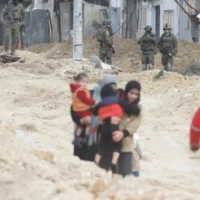

Brussels Morning Newspaper opens coverage as Gaza civilians cold weather becomes a defining factor in a deepening humanitarian emergency, with winter temperatures and persistent rain compounding the hardship faced by displaced families across the territory. Thousands of civilians now shelter in makeshift tents that offer little protection from cold nights and damp conditions, turning winter into a daily test of survival.
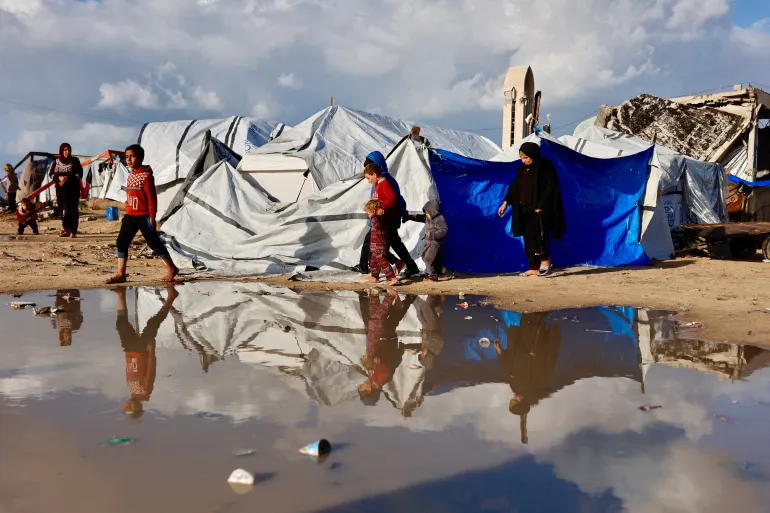
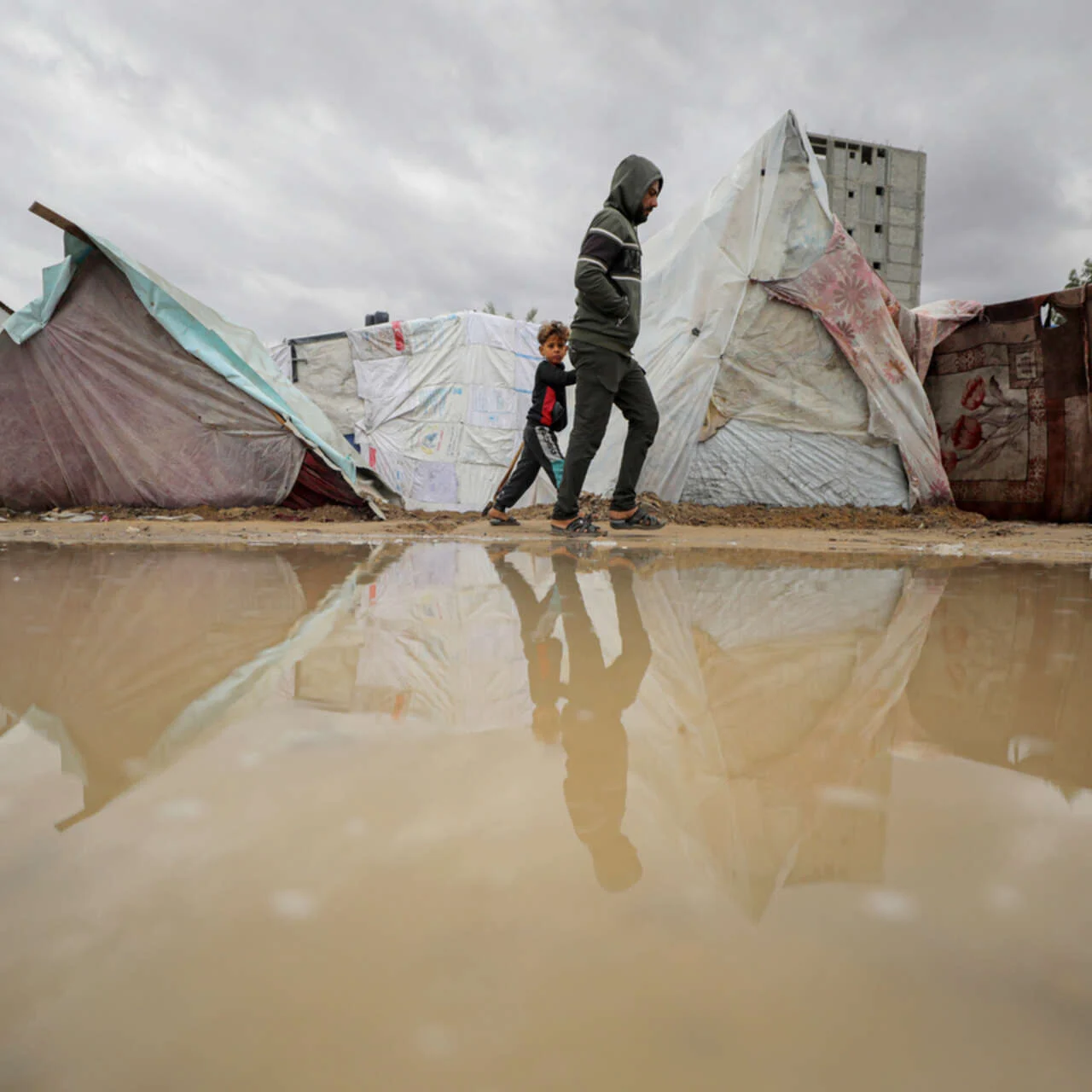
Across overcrowded camps, thin plastic sheets flap in strong winds while muddy ground absorbs steady rainfall. As Gaza civilians cold weather settles in, parents describe struggling to keep children warm through the night, using whatever materials they can find to block the cold air.
Displacement Meets Winter Exposure
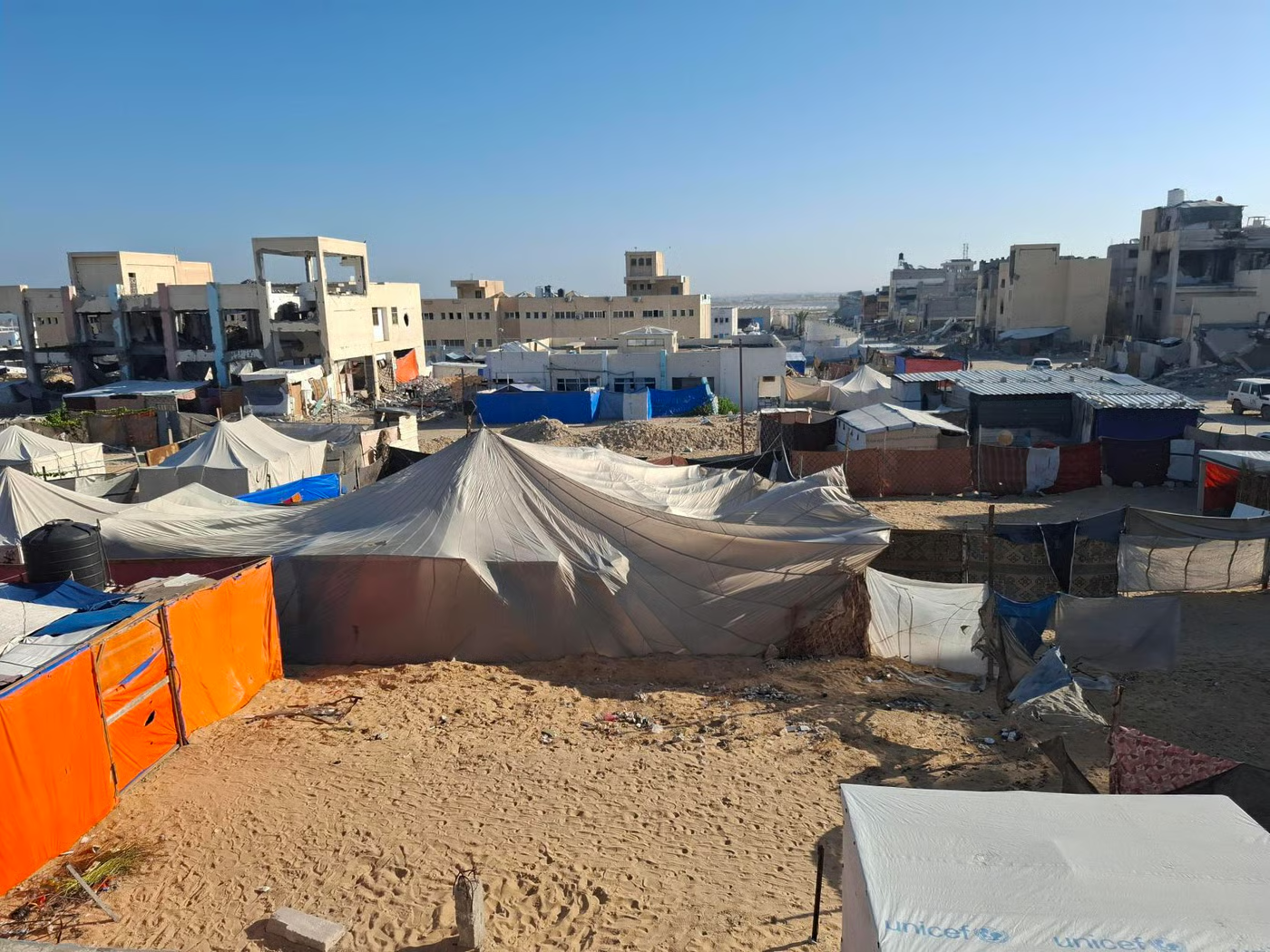
Displacement has forced families into temporary shelters never designed for prolonged use. Without insulation, flooring, or proper drainage, tents quickly become cold and waterlogged once temperatures drop.
Humanitarian workers warn that Gaza civilians cold weather exposes structural weaknesses in emergency shelter systems. What began as short term solutions have become long term living spaces under harsh seasonal conditions.
Daily Life Inside Fragile Shelters
Inside the tents, families cope with cold floors, damp bedding, and limited access to heating. Cooking becomes difficult as fuel is scarce and wet weather makes open flames unsafe.
For many residents, Gaza civilians cold weather shapes every daily decision, from when to fetch water to how to ration dry clothing among family members.
Children Face Heightened Health Risks
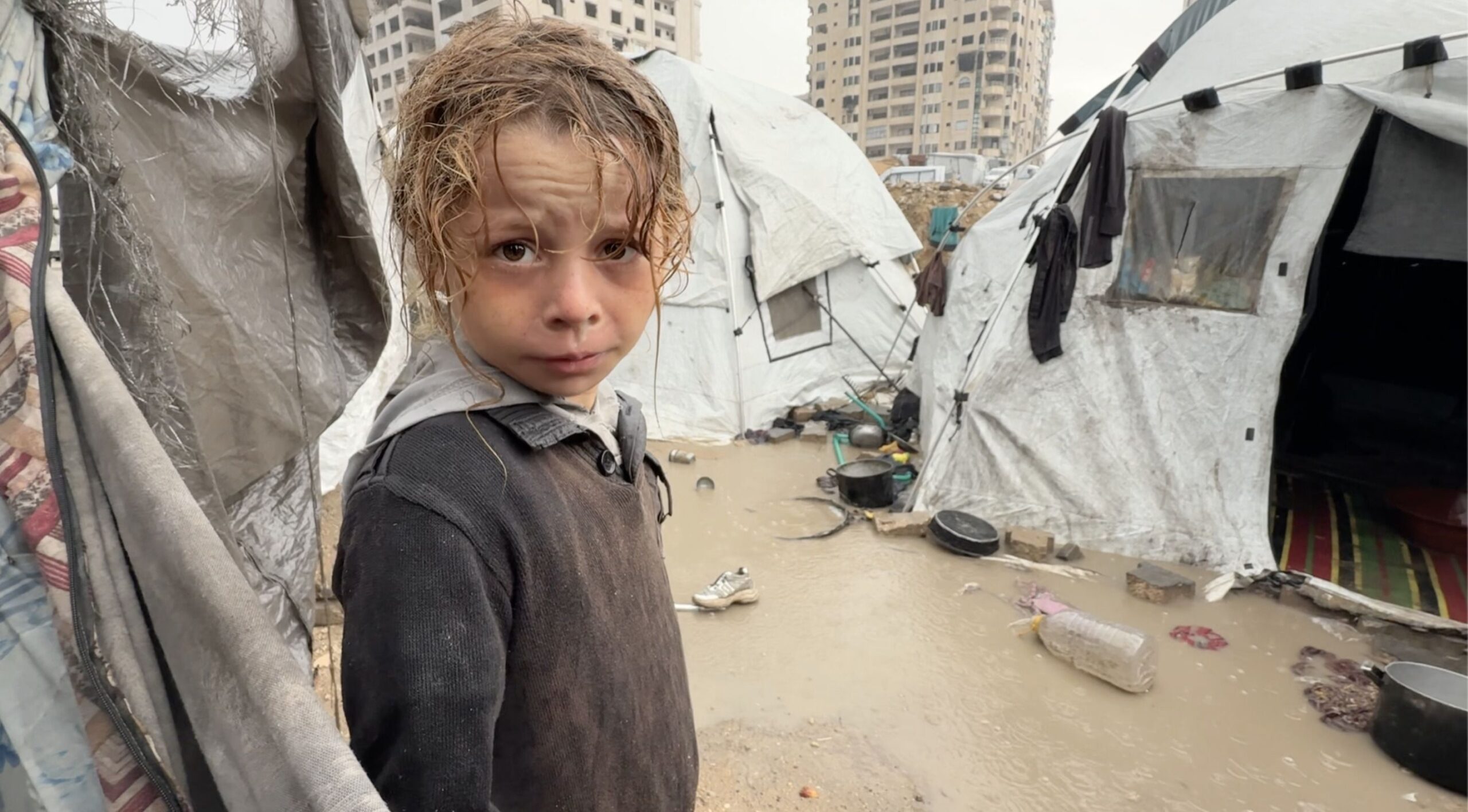
Children are particularly vulnerable to cold exposure. Many lack winter clothing, and existing malnutrition weakens immune systems. Medical volunteers report increased cases of respiratory infections and skin conditions.
Doctors caution that as Gaza civilians cold weather continues, the risk of long term health complications among children grows, especially where access to healthcare remains limited.
Elderly and Chronically Ill at Greater Risk
Older adults and those with chronic illnesses face additional danger. Cold temperatures aggravate conditions such as asthma, heart disease, and joint pain, while mobility challenges make adapting shelters more difficult.
For these groups, Gaza civilians cold weather is not merely uncomfortable but potentially life threatening without reliable heating or medical support.
Humanitarian Aid Under Severe Strain
Aid agencies are distributing blankets, tarps, and winter kits, yet supplies fall far short of need. Damaged roads and access restrictions delay deliveries to some of the most vulnerable camps.
As Gaza civilians cold weather intensifies, humanitarian organizations emphasize that emergency distributions cannot replace durable shelter solutions required for sustained protection.
Economic Hardship Worsens Winter Survival
Cold weather disrupts informal work that many displaced families depend on. Rain prevents street vending and day labor, cutting off income used to buy food and fuel.
This loss of income means Gaza civilians cold weather also drives deeper food insecurity, forcing families to reduce meals or rely entirely on aid.
Water and Sanitation Challenges Increase
Rainwater floods camps and contaminates water sources. Overcrowded conditions and limited sanitation facilities heighten the risk of disease outbreaks.
Public health officials warn that Gaza civilians cold weather combined with poor sanitation creates conditions ripe for preventable illness, especially among children.
Psychological Toll of Winter Hardship
Cold and uncertainty take a mental toll. Parents describe constant anxiety over shelter collapse or children falling ill during cold nights.
Mental health workers note that Gaza civilians cold weather amplifies existing trauma from displacement, contributing to stress, depression, and sleep disorders.
Community Resilience Amid Adversity
Despite severe conditions, communities organize mutual support. Neighbors share blankets, reinforce tents together, and look after the most vulnerable.
These acts of solidarity show resilience even as Gaza civilians cold weather continues to test endurance and collective strength.
International Attention and Advocacy
Images of cold soaked camps have drawn international attention. Aid groups urge expanded humanitarian access and faster delivery of winter supplies.
Advocates stress that as Gaza civilians cold weather worsens, sustained action rather than temporary attention is essential to prevent further suffering.
Environmental and Climate Pressures
Meteorologists note increasing variability in winter weather patterns, bringing colder nights and heavier rainfall. Climate stress adds another layer of unpredictability.
Planning for resilience becomes critical as Gaza civilians cold weather may grow more severe in future seasons, yet resources remain limited.
Legal and Humanitarian Obligations
International humanitarian standards emphasize the protection of civilians, including access to adequate shelter. Legal experts argue that prolonged exposure to cold raises serious concerns.
As Gaza civilians cold weather continues, questions about responsibility and civilian protection remain central to international debate.
Cold Nights and the Struggle to Stay Warm
As temperatures drop after sunset, the challenges facing displaced families intensify. Many tents lack any form of insulation, allowing cold air to settle inside throughout the night. Families describe layering clothing and blankets, yet still waking to numb fingers and shivering children.
In these conditions, simple acts such as sleeping become exhausting. Parents take turns staying awake to monitor children for signs of illness. The cold nights linked to Gaza civilians cold weather transform rest into another daily hardship rather than a source of recovery.
Health Workers Sound the Alarm
Medical volunteers working in temporary clinics report a steady increase in cold related ailments. Cases of bronchitis, asthma flare ups, and chest infections have risen as exposure continues. Limited medicine supplies make treatment difficult, particularly for chronic conditions worsened by cold.
Doctors warn that repeated exposure to Gaza civilians cold weather weakens immune systems, leaving civilians more vulnerable to infections that might otherwise be manageable. Without improved shelter or heating, these health trends are expected to continue.
Fuel Shortages Complicate Heating Efforts
Heating options remain extremely limited. Fuel shortages mean that families cannot rely on heaters, even where electricity is available. Improvised heating methods pose serious safety risks, including fire hazards inside tightly packed tents.
Aid groups caution that Gaza civilians cold weather forces families into dangerous choices, balancing warmth against the risk of injury or fire. The lack of safe heating alternatives underscores the urgency of winter specific aid.
Women Managing Daily Survival
Women often bear the responsibility of maintaining household stability under harsh conditions. They manage wet clothing, ration food, care for sick family members, and attempt to keep children warm using limited resources.
Advocacy groups highlight that Gaza civilians cold weather places disproportionate physical and emotional strain on women, whose caregiving roles intensify during winter months without adequate support systems.
Food Preparation Becomes Increasingly Difficult
Cold and rain disrupt food preparation routines. Damp fuel makes cooking unreliable, while food storage becomes challenging without dry spaces. Families report relying more heavily on cold meals or skipping meals altogether.
Nutrition experts warn that reduced food intake combined with Gaza civilians cold weather accelerates malnutrition risks, particularly among children and pregnant women.
Education Interrupted by Winter Conditions
Temporary learning spaces often close during periods of heavy rain or cold. Children miss valuable instruction time as families prioritize warmth and safety over education.
Teachers note that Gaza civilians cold weather has extended the educational disruption already caused by displacement, raising concerns about long term learning loss and emotional development.
Psychological Strain Grows With Each Storm
The unpredictability of winter storms increases anxiety across camps. Families monitor weather forecasts closely, knowing that each storm could damage shelters or worsen flooding.
Mental health specialists say the persistent stress linked to Gaza civilians cold weather deepens trauma, particularly among children who associate nighttime storms with fear and instability.
Closing Perspective
Winter conditions have exposed the fragility of displacement systems in Gaza. Cold weather has transformed survival into an ongoing emergency layered on top of existing hardship.
As Gaza civilians cold weather continues to define daily life, the coming weeks will be critical. The scale and speed of humanitarian response will shape outcomes not only for this winter, but for the resilience of Gaza’s civilian population in the years ahead.