Brussels Morning Newspaper diplomatic briefings and early international media coverage have once again turned global attention toward the occupied territories as Israel West Bank operations continue to shape daily realities on the ground. As the New Year approaches, the intensification of military activity has raised renewed questions about security, humanitarian conditions, and the broader political trajectory of the region.
These operations, carried out across multiple locations, have become a focal point for regional and international observers. While Israeli authorities cite security imperatives, Palestinian officials and humanitarian groups warn of mounting civilian costs and long-term instability. The resulting debate reflects deep divisions over how security and civilian protection should be balanced.
Background to the Current Operations
The West Bank has experienced periodic surges in military activity for decades, often linked to cycles of violence, political stalemate, and regional developments. In recent months, Israel West Bank operations have expanded in frequency and scale, targeting areas described by Israeli officials as centers of militant activity.
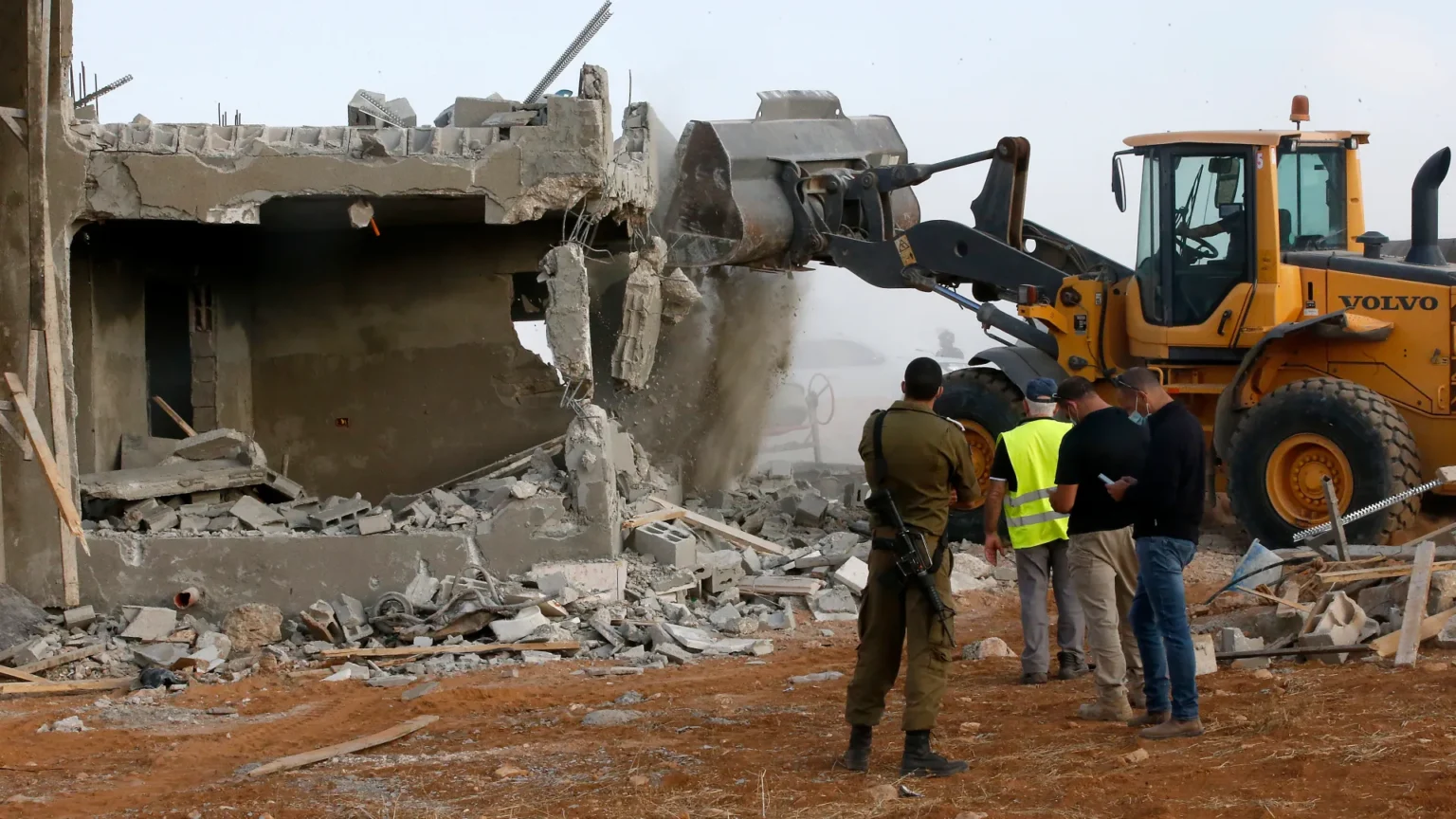
These actions typically involve raids, arrests, and infrastructure destruction. Supporters argue they are preventative, designed to disrupt planned attacks. Critics contend that such measures exacerbate tensions and entrench resentment, making long-term peace more elusive.
Areas Affected and Scope of Activity
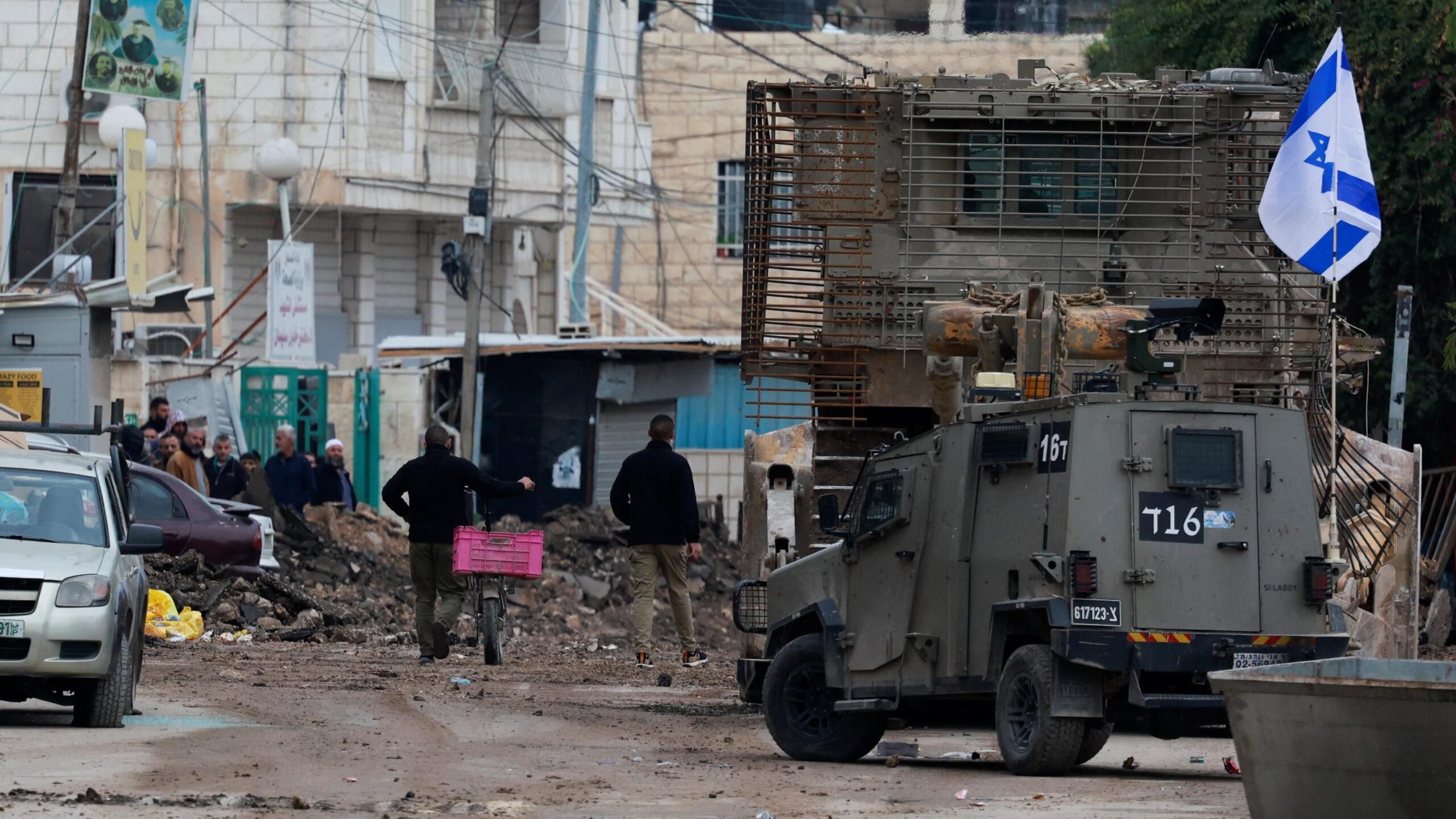
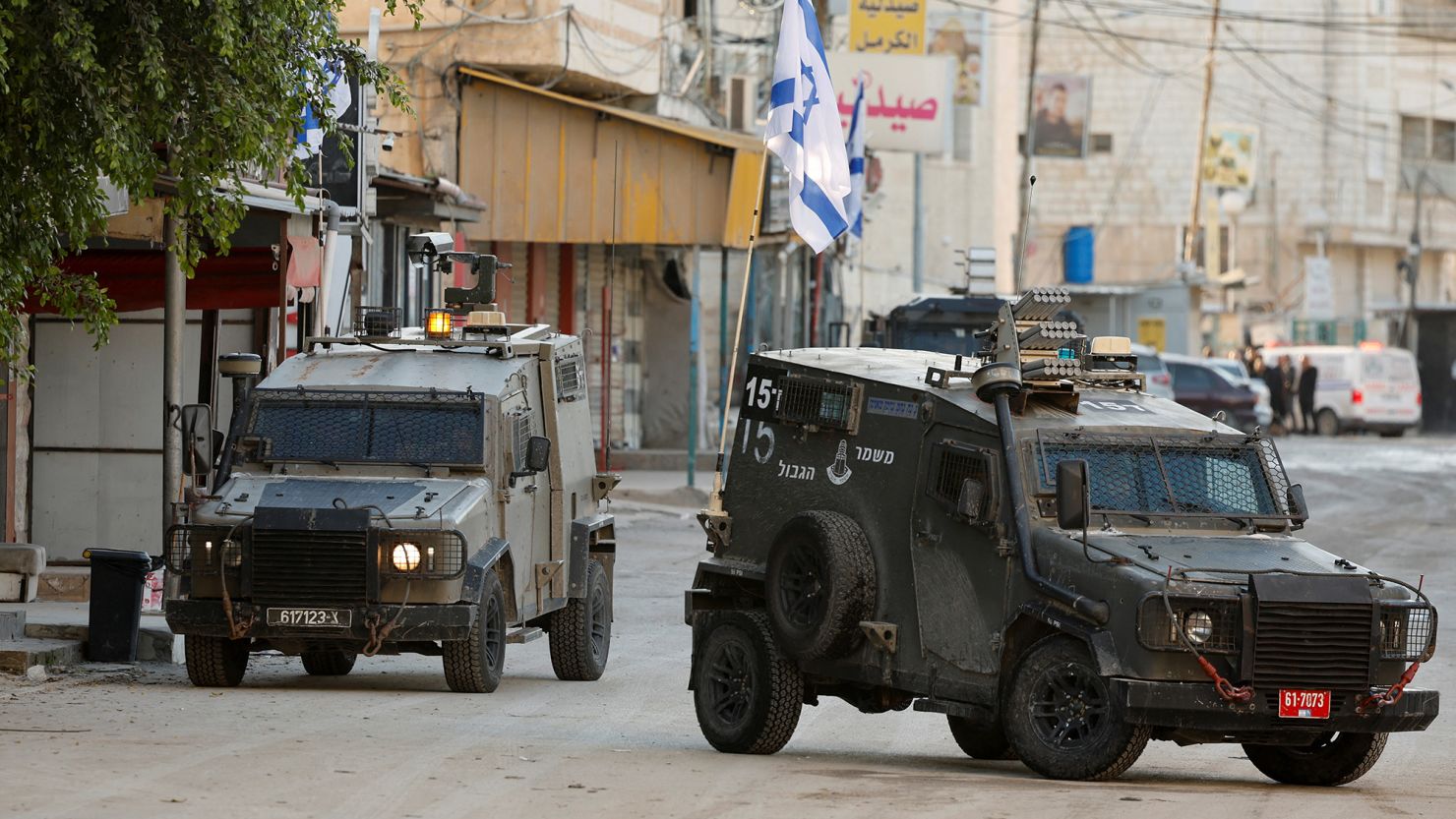
Operations have been reported in northern, central, and southern parts of the West Bank, affecting both urban centers and refugee camps. Roads, residential neighborhoods, and commercial districts have all felt the impact.
Residents describe movement restrictions, property damage, and prolonged disruptions to daily life. In many cases, access to schools, workplaces, and medical facilities has been temporarily blocked. The expanding footprint of Israel West Bank operations has therefore extended consequences far beyond immediate security targets.
Israeli Government Position
Israeli officials maintain that the operations are a response to rising security threats. They argue that intelligence-led actions are necessary to protect civilians and prevent attacks inside Israel and in nearby settlements.
From this perspective, Israel West Bank operations are framed as defensive rather than punitive. Officials emphasize that measures are intended to be targeted, though they acknowledge the complexity of operating in densely populated civilian areas.
Palestinian Authority and Local Response
Palestinian leaders have strongly criticized the operations, accusing Israel of collective punishment and excessive use of force. Statements from the Palestinian Authority highlight concerns about displacement, economic harm, and the erosion of trust.
Local communities report growing frustration and fear, particularly among younger generations who have experienced repeated disruptions. For many, Israel West Bank operations are viewed as reinforcing a cycle of insecurity rather than resolving it.
Humanitarian Impact on Civilians
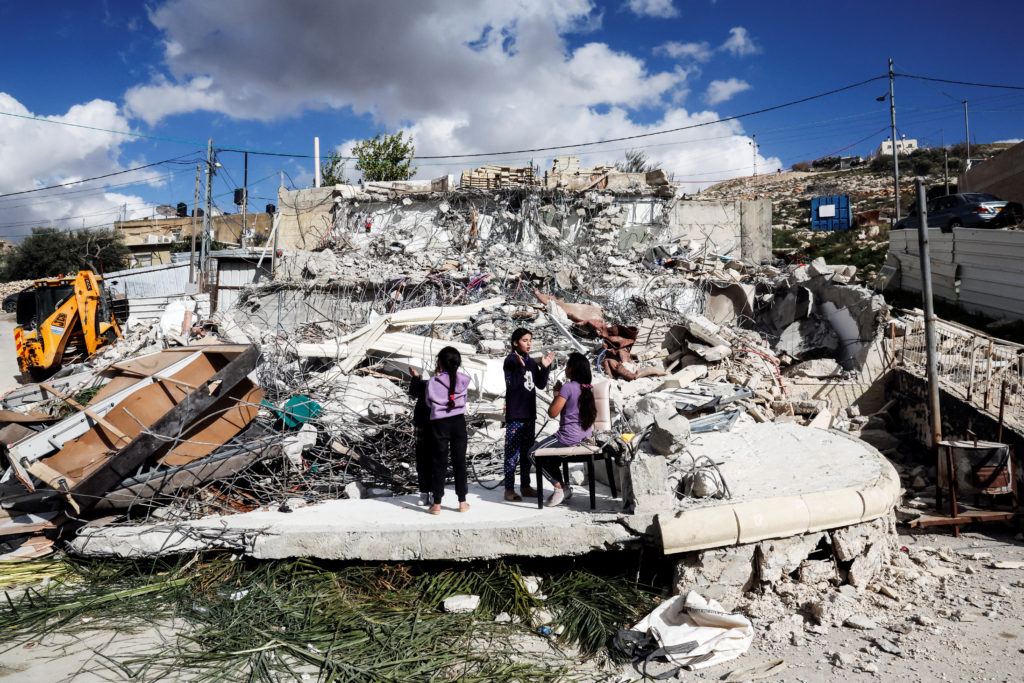
Humanitarian organizations operating in the West Bank report increasing needs among affected populations. Damage to homes and infrastructure has left families displaced, while access to clean water and electricity has been interrupted in some areas.
Medical professionals warn that delays at checkpoints and restricted movement complicate emergency care. Children are particularly vulnerable, experiencing psychological stress linked to nighttime raids and uncertainty. These realities are central to critiques of Israel West Bank operations from aid groups and rights advocates.
Legal and Human Rights Concerns
International human rights organizations have raised questions about compliance with international humanitarian law. The destruction of civilian property and displacement of residents are areas of particular concern.
Legal experts note that military necessity must be clearly demonstrated for such actions to be lawful. Documentation efforts are ongoing, with reports expected to inform future diplomatic discussions about Israel West Bank operations and accountability.
Economic Consequences in the West Bank
Beyond immediate humanitarian needs, the operations carry economic consequences. Small businesses face closures due to access restrictions, while agricultural activity is disrupted by movement limitations.
Unemployment and poverty, already high in many West Bank communities, risk worsening as uncertainty persists. Analysts warn that prolonged economic strain can fuel further instability, compounding the challenges created by Israel West Bank operations.
Regional and International Reactions
International reactions have been mixed, ranging from expressions of concern to calls for restraint on all sides. Several governments have urged de-escalation and emphasized the importance of protecting civilians.
Diplomatic observers note that continued Israel West Bank operations complicate broader regional diplomacy, particularly at a time when international attention is divided among multiple global crises.
Media Coverage and Public Perception
Media outlets play a significant role in shaping how the operations are perceived globally. Coverage varies widely, with some focusing on security narratives and others highlighting humanitarian consequences.
The framing of Israel West Bank operations influences public opinion and political pressure, underscoring the importance of accurate and contextual reporting during periods of heightened tension.
Security Versus Stability Debate
At the heart of the issue lies a fundamental debate: whether intensified security measures produce lasting stability. Supporters argue that short-term disruption prevents greater violence. Critics counter that recurring operations deepen grievances and undermine prospects for peace.
This tension defines discussions around Israel West Bank operations, with policymakers and analysts divided over their long-term effectiveness.
Implications for the Peace Process
The ongoing activity has implications for any future negotiations. Trust between parties remains low, and incidents on the ground often overshadow diplomatic initiatives.
Observers suggest that without parallel political engagement, Israel West Bank operations risk entrenching the status quo rather than creating conditions for meaningful dialogue.
Civil Society and Grassroots Perspectives
Civil society groups on both sides have called for restraint and renewed focus on human security. These voices emphasize coexistence, economic cooperation, and respect for civilian life.
While often overshadowed by official narratives, grassroots perspectives highlight alternatives to the cycle reinforced by Israel West Bank operations.
The Role of International Institutions
International organizations continue to monitor developments, issuing assessments and recommendations. Their reports often stress adherence to international law and the need for humanitarian access.
Such involvement keeps Israel West Bank operations under global scrutiny, even as enforcement mechanisms remain limited.
Looking Ahead
As the situation evolves, the trajectory of Israel West Bank operations will significantly influence regional stability. Analysts stress that sustainable security requires addressing underlying political and social issues alongside immediate threats.
Without broader engagement, the risk of recurring escalation remains high, affecting generations on both sides of the conflict.
The intensification of military activity in the West Bank underscores the fragile balance between security and civilian protection. Israel West Bank operations continue to shape humanitarian conditions, political discourse, and regional dynamics.
As international attention persists, the challenge for all stakeholders lies in preventing further harm while seeking pathways toward stability and dialogue. The coming months will be critical in determining whether current patterns give way to de-escalation or deepen existing divides.