Brussel Morning technology and policy observers are closely watching a growing global response to Apple AirTags stalking after Japanese authorities moved to ban tracker misuse tied to stalking and harassment. The decision has pushed renewed scrutiny onto how popular tracking devices can be exploited, even when designed for convenience. At the same time, Apple has taken visible steps to address safety concerns, including distributing AirTags and expanding alerts intended to reduce the risks associated with Apple AirTags stalking.
The convergence of regulatory action and corporate response marks a pivotal moment in the debate over personal tracking technology. What began as a tool to find lost keys and luggage has become a symbol of how innovation can outpace safeguards, forcing governments and companies to act.
Why Apple AirTags Stalking Became a Policy Issue
Apple AirTags stalking concerns did not emerge overnight. Soon after AirTags were released, reports surfaced of trackers being secretly placed in bags, vehicles, and clothing to follow individuals without consent. While Apple built in safety alerts, critics argued they were insufficient in real world scenarios.
As incidents accumulated, lawmakers began questioning whether existing laws adequately addressed technology enabled stalking. Japan’s decision reflects a broader realization that traditional privacy and harassment statutes may not fully capture the risks posed by discreet Bluetooth trackers.
By explicitly targeting tracker misuse, authorities signaled that Apple AirTags stalking is not just a technological issue but a public safety concern.
Japan’s Ban on Tracker Stalking Explained
Japan’s action focuses on misuse rather than banning the devices outright. The new measures strengthen penalties for using trackers to follow or monitor individuals without permission. This approach aims to deter Apple AirTags stalking while preserving legitimate consumer uses.
Officials emphasized that technological convenience must not come at the expense of personal security. The ban also empowers law enforcement to act more decisively when tracker based harassment is suspected.
For advocates, Japan’s stance represents a model for balancing innovation with safety in an increasingly connected world.
Apple’s Response to AirTags Misuse
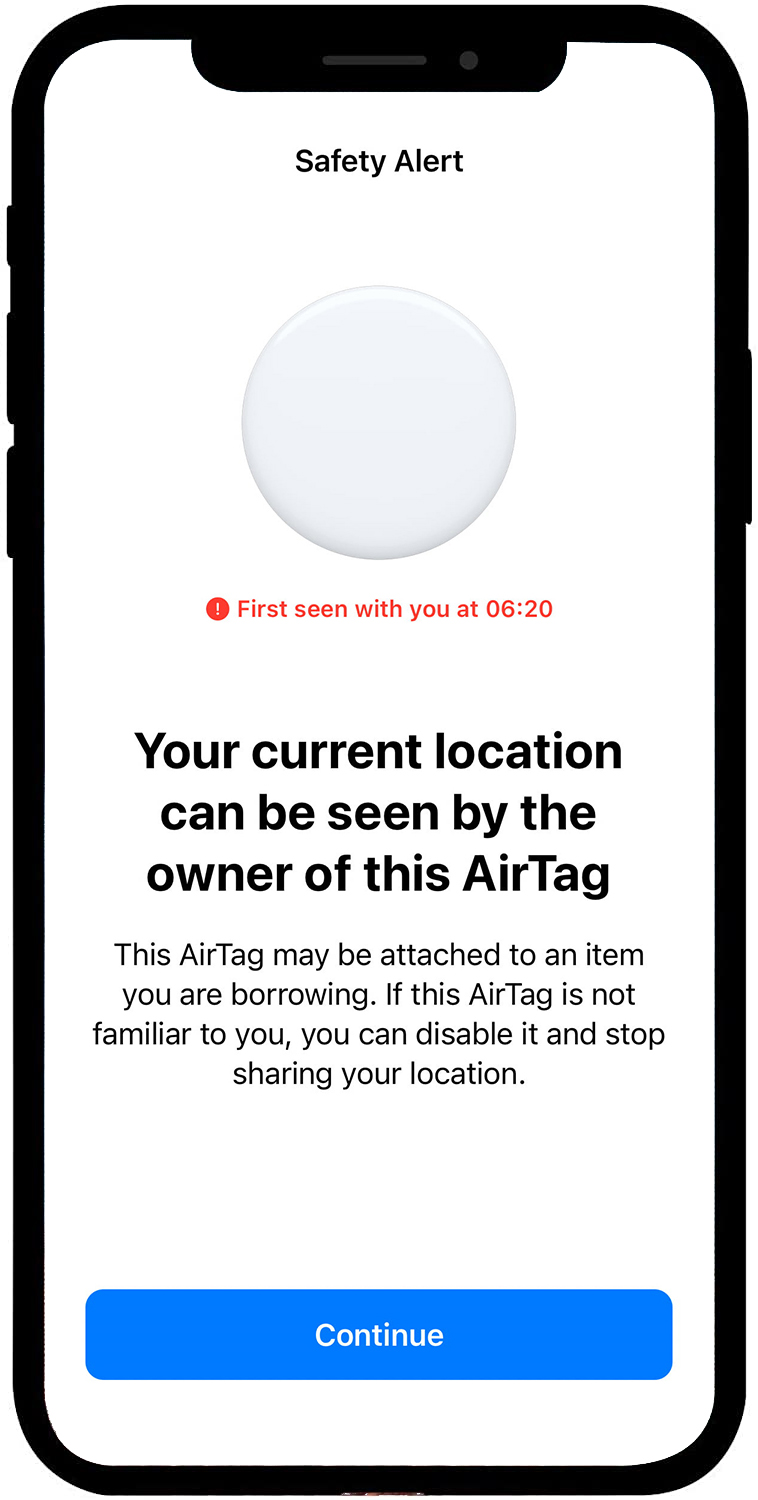
Facing mounting criticism, Apple expanded its safety features. These include louder audible alerts, faster notifications on iPhones, and Android tools that help detect nearby AirTags. In some regions, Apple has even distributed AirTags to demonstrate proper use and educate consumers.
Apple maintains that AirTags were never intended for tracking people. Company statements emphasize that Apple AirTags stalking violates both user guidelines and the law. Still, critics argue that responsibility extends beyond intent to include foreseeable misuse.
The company’s response illustrates how tech firms are increasingly expected to address secondary harms created by their products.
How Apple AirTags Stalking Works in Practice
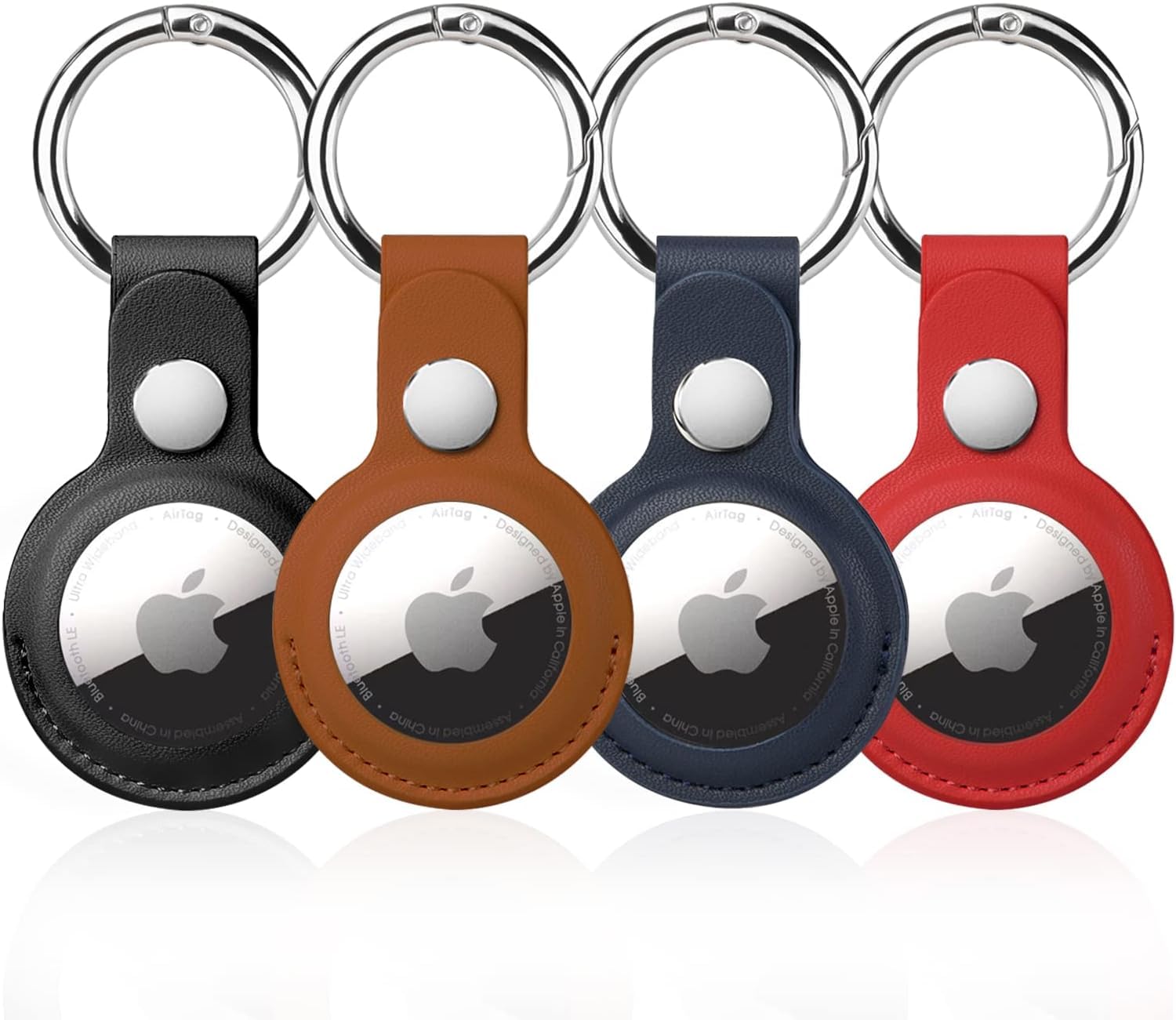
Understanding Apple AirTags stalking requires examining how the technology functions. AirTags rely on a vast network of nearby devices to relay location data. This makes them effective for finding lost items but also potentially effective for covert tracking.
Although alerts are designed to notify users of unknown AirTags nearby, timing and awareness gaps can allow misuse. In crowded environments, alerts may be ignored or misunderstood, giving stalkers a window of opportunity.
These technical realities have fueled calls for stronger safeguards and clearer user education.
The Human Impact of Tracker Based Stalking
Behind policy debates are real victims. Individuals targeted through Apple AirTags stalking have described anxiety, fear, and loss of trust in everyday environments. Knowing that a tiny device can silently track movements alters how people perceive safety.
Advocacy groups argue that technology enabled stalking disproportionately affects women and vulnerable populations. This has intensified demands for decisive action from both regulators and companies.
Japan’s move has been welcomed by advocates who see it as validation of long ignored risks.
Legal Challenges and Enforcement Questions
While Japan’s ban sends a strong message, enforcement presents challenges. Proving Apple AirTags stalking requires demonstrating intent and misuse, which can be difficult without digital literacy among law enforcement.
Authorities are investing in training and public awareness to ensure the law is applied effectively. Similar discussions are unfolding in other countries considering whether their legal frameworks are adequate.
The situation underscores how law must evolve alongside technology.
Global Repercussions Beyond Japan
Japan is not alone in addressing tracker misuse. Lawmakers in Europe and North America are monitoring Apple AirTags stalking developments closely. Some jurisdictions are considering labeling requirements, mandatory alerts, or restrictions on anonymous use.
Apple’s global footprint means that regulatory changes in one market can influence practices worldwide. The company’s updates often roll out internationally, setting informal standards even where laws have not changed.
This dynamic illustrates the interplay between national regulation and global technology platforms.
Privacy Versus Convenience Debate
At the heart of the issue is a broader debate about privacy and convenience. Consumers value tools that simplify life, yet those same tools can undermine personal safety if misused.
Apple AirTags stalking has become a case study in this tension. How much friction should be added to prevent abuse without eroding usefulness? There is no easy answer, but Japan’s ban suggests safety is gaining priority.
As devices become smaller and more powerful, this debate will only intensify.
Technology Companies and Social Responsibility
The controversy has renewed scrutiny of corporate responsibility. Critics argue that companies must anticipate misuse, not just respond after harm occurs. Apple’s actions are seen by some as proactive, by others as reactive.
What is clear is that Apple AirTags stalking has reshaped expectations. Consumers and regulators alike now expect built in protections and rapid updates when risks emerge.
This shift may influence how future products are designed and launched.
What Consumers Should Know
For users, awareness is key. Apple advises checking for unknown AirTags, updating devices regularly, and reporting suspected misuse. Understanding how alerts work can reduce vulnerability.
Consumers should also recognize that Apple AirTags stalking is illegal in many jurisdictions and increasingly treated as a serious offense. Knowledge empowers users to protect themselves and others.
Education remains one of the most effective tools against misuse.
Looking Ahead for Tracker Regulation
Japan’s ban may mark the beginning of a new regulatory phase. As governments adapt to emerging technologies, clearer rules around trackers are likely. This could include standardized alerts, registration requirements, or usage limits.
Apple AirTags stalking has accelerated these discussions by highlighting gaps in existing frameworks. Future policies will likely aim to prevent harm without stifling innovation.
The balance struck will shape the next generation of consumer tracking devices.
The intersection of Apple AirTags stalking concerns and Japan’s decisive action reflects a broader reckoning with technology’s unintended consequences. As tracking devices become commonplace, societies are grappling with how to protect individuals without abandoning innovation.
Apple’s response shows that companies can adapt, but regulatory pressure remains a powerful catalyst for change. Japan’s ban sends a clear message that misuse will not be tolerated.
Ultimately, addressing Apple AirTags stalking requires cooperation among lawmakers, companies, and users to ensure technology enhances life without compromising safety.