Brussel Morning analysts are once again turning their attention to the US midterm elections after a period of relatively calm off year contests. While recent local and state elections passed with limited disruption Democratic leaders argue that the quiet should not be mistaken for lasting stability. Instead they believe it may mask deeper structural and political pressures that could resurface as the US midterm elections draw closer.
The renewed focus reflects broader anxieties about trust political rhetoric and the long term health of democratic institutions. Democrats stress that their concerns are not rooted in panic but in lessons learned from previous cycles where warning signs were overlooked until tensions escalated rapidly.
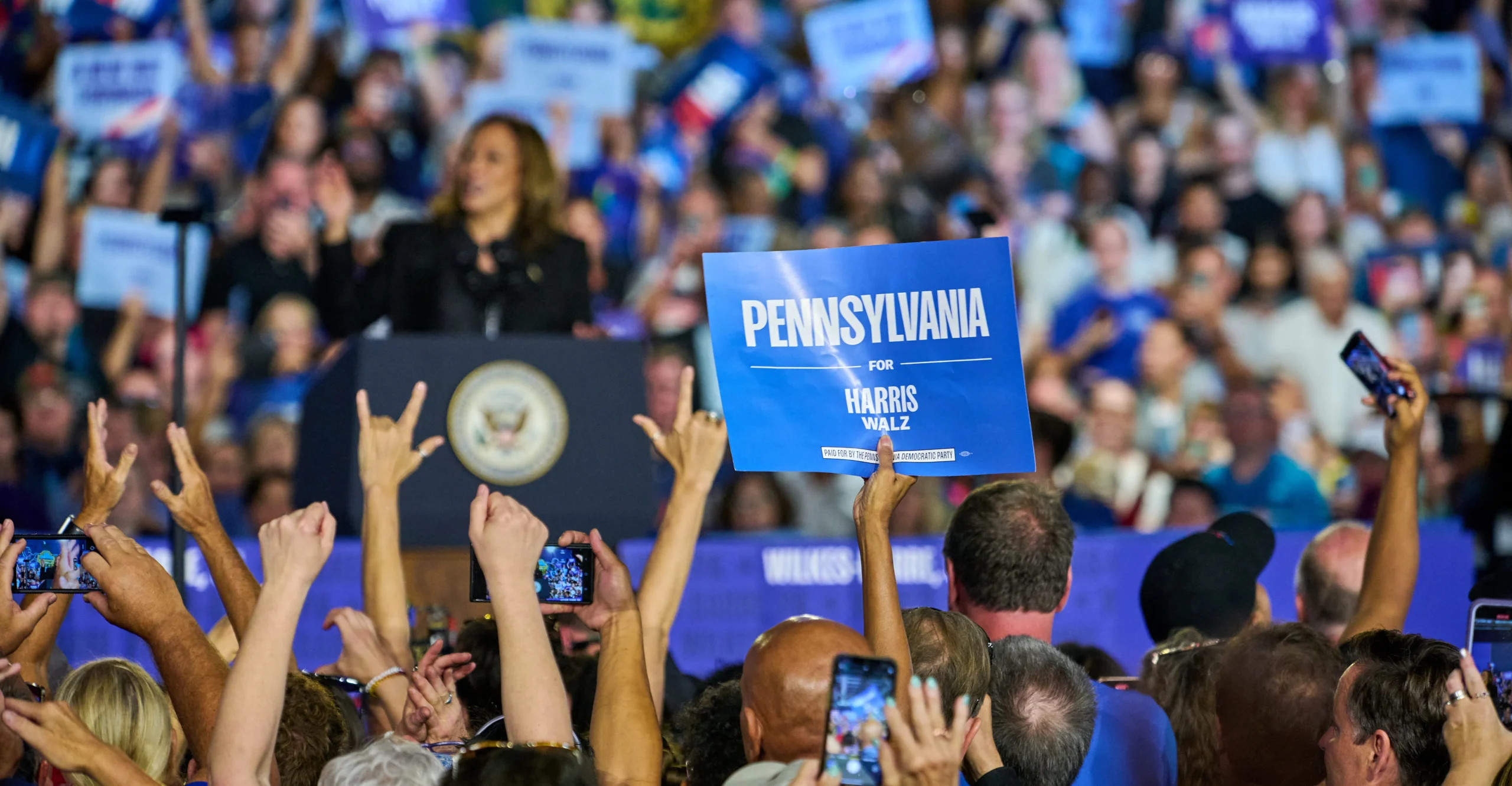
A Calm Election Year Brings Cautious Reflection
The most recent off year elections offered a contrast to the turbulence of earlier national cycles. Fewer legal challenges reduced public disputes and limited unrest created an impression of normalization. However Democratic strategists say this calm period has prompted reflection rather than relief.
They argue that the absence of controversy does not guarantee smooth US midterm elections. Structural vulnerabilities such as uneven election funding staffing shortages and inconsistent state level rules remain unresolved. These underlying issues could reemerge under the pressure of higher turnout and national attention.
For Democrats the key takeaway from the past year is that stability requires constant effort rather than reactive responses.
Why the US Midterm Elections Matter So Much
Midterm elections often serve as a referendum on the political climate rather than a single administration. Control of Congress state legislatures and key oversight roles can shift significantly shaping policy for years to come. This is why the US midterm elections carry outsized importance for both parties.
Democrats emphasize that midterms test not only political popularity but also institutional resilience. Higher participation increased media scrutiny and heightened rhetoric place stress on systems that may appear functional during quieter cycles.
As a result Democrats argue that preparation for the US midterm elections must begin well before campaign season peaks.
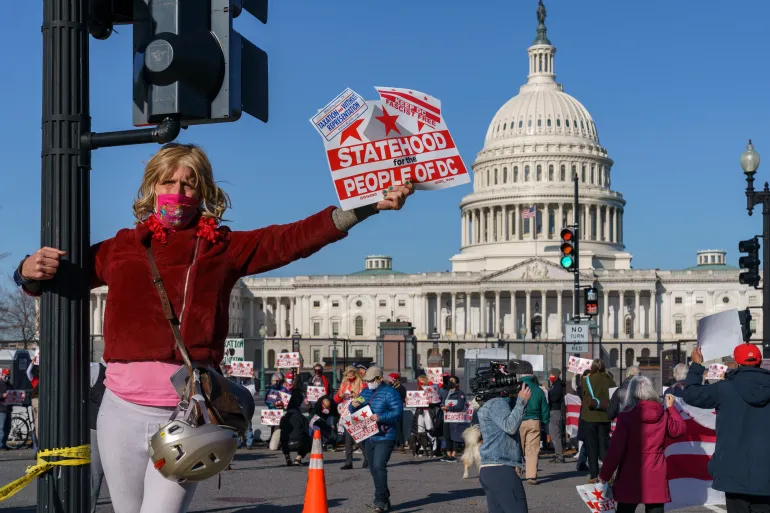
Renewed Democratic Concerns Take Shape
Democratic leaders have outlined several areas of concern ahead of the US midterm elections. Chief among them is voter confidence. Surveys consistently show that a significant share of the electorate doubts the fairness of elections. Democrats worry that this skepticism could depress turnout or fuel post election disputes.
Another concern is the administrative burden placed on local election officials. Many jurisdictions rely on aging infrastructure and underpaid staff. During high turnout elections these pressures can lead to delays confusion and misinformation even without malicious intent.
Democrats say acknowledging these realities is essential to avoiding complacency.
The Role of Political Messaging
Messaging surrounding the US midterm elections is being approached with caution. Democratic strategists aim to inform voters about risks without amplifying fear. They argue that responsible communication should encourage participation rather than resignation.
At the same time Democrats believe silence is not an option. Ignoring potential challenges could allow misleading narratives to fill the gap. Instead they are emphasizing transparency explaining how elections work and what safeguards are in place.
This balance between vigilance and reassurance is central to their approach as the US midterm elections approach.
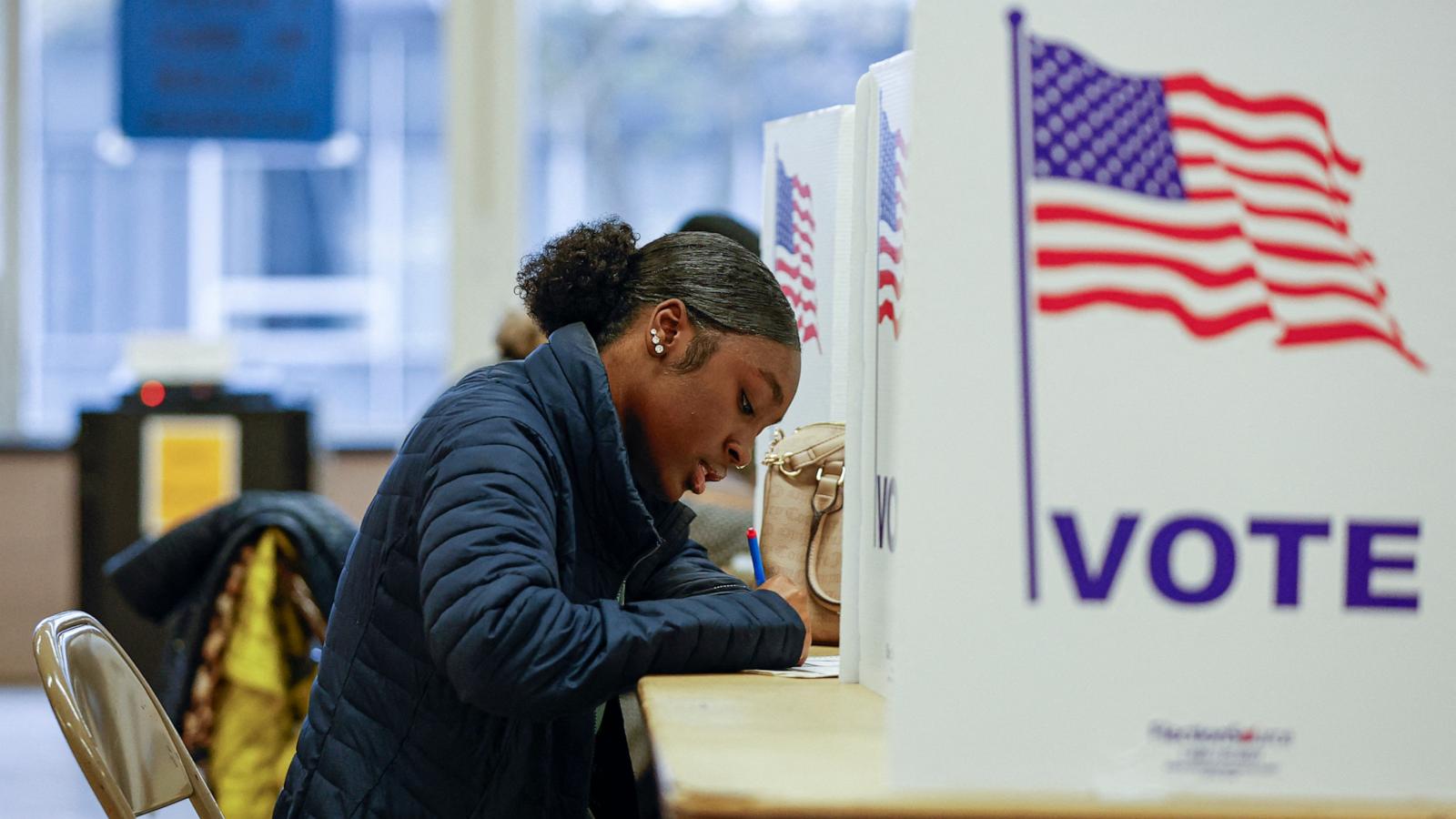
Election Infrastructure and Oversight
Infrastructure remains a core issue in discussions about the US midterm elections. Voting machines ballot tracking systems and cybersecurity measures vary widely by state and locality. Democrats argue that this uneven landscape can undermine confidence even when outcomes are legitimate.
Efforts are underway to improve coordination between federal state and local agencies. Training programs information sharing and contingency planning are being expanded. Democrats describe these measures as investments in democratic resilience rather than partisan advantage.
They also stress the importance of clear procedures so voters understand what to expect on Election Day.
Legal Preparedness and Transparency
Legal readiness is another area receiving attention. Democrats say they are preparing for the possibility of disputes not because they expect misconduct but because contested elections have become more common.
Clear rules timely court decisions and transparent processes are viewed as essential to preventing prolonged uncertainty. By planning ahead Democrats hope the US midterm elections can avoid drawn out legal battles that erode public trust.
Transparency in decision making is also emphasized. When voters understand why decisions are made they are more likely to accept outcomes even when disappointed.
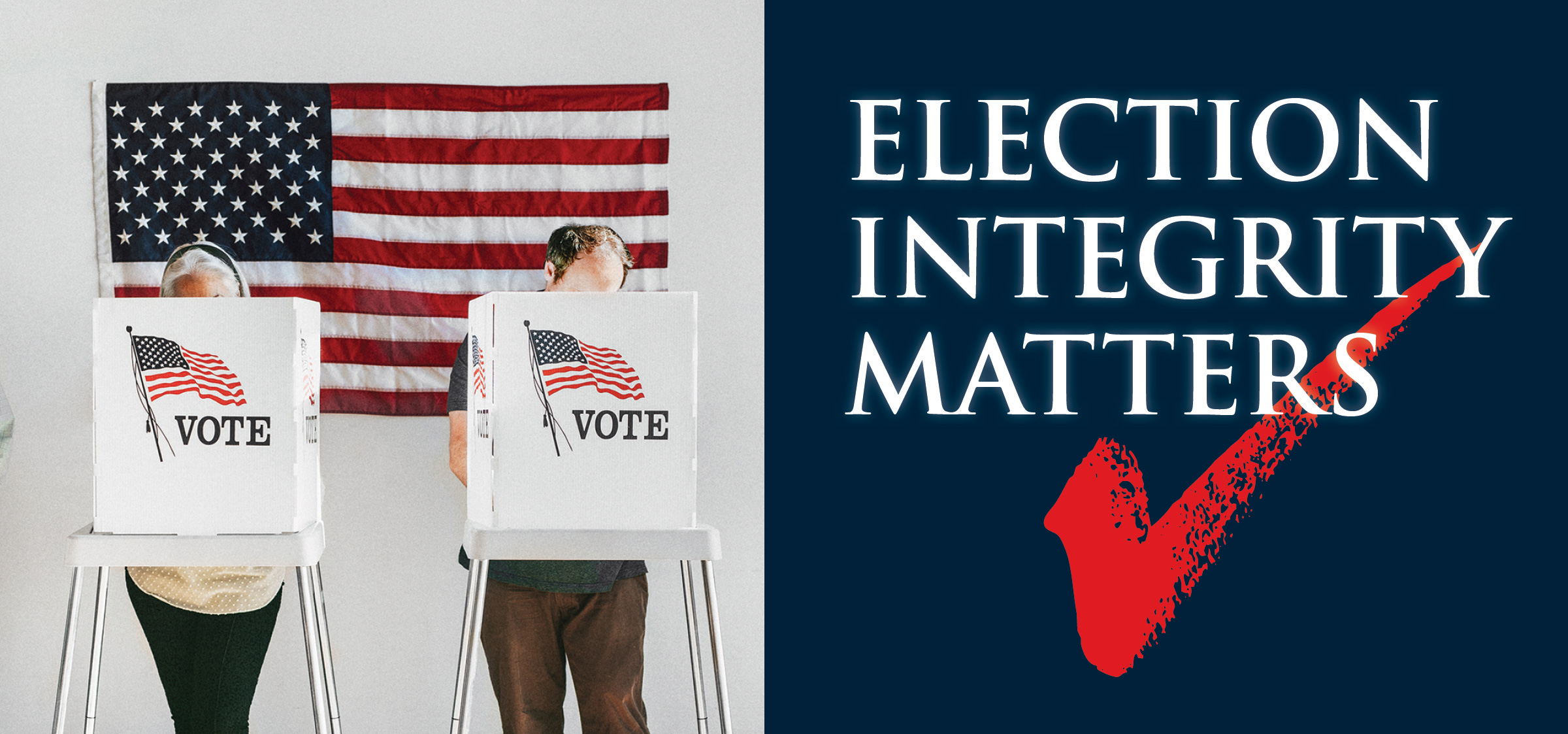
Voter Engagement at the Local Level
Democrats increasingly see local engagement as critical to successful US midterm elections. National messaging alone is insufficient to rebuild trust. Community organizations local leaders and election workers play a crucial role in shaping perceptions.
Grassroots outreach focuses on education rather than persuasion. Explaining registration processes voting options and ballot security measures helps demystify elections. Democrats believe informed voters are more confident voters.
These efforts are particularly important in communities that have historically faced barriers to participation.
Media Coverage and Public Understanding
Media narratives will heavily influence how the US midterm elections are perceived. Democrats urge balanced reporting that distinguishes verified information from speculation. Sensational coverage can heighten anxiety while oversimplified narratives can obscure real challenges.
Responsible journalism that explains context and process can strengthen public understanding. Democrats argue that informed coverage is a public good especially during national elections.
They also acknowledge that misinformation spreads quickly and requires rapid accurate responses.
Lessons from Past Midterms
Past midterm elections offer valuable lessons. Democrats point to cycles where unexpected turnout shifts and administrative issues shaped outcomes. These experiences reinforce the need for preparation rather than assumption.
The US midterm elections have historically been unpredictable. Economic conditions social movements and international events can all influence voter behavior. Democrats argue that adaptability is as important as planning.
Learning from history helps avoid repeating mistakes while recognizing that each cycle brings unique challenges.
Looking Ahead to Election Day
As Election Day approaches attention will intensify. Democrats expect increased scrutiny of voting procedures and results. They believe early preparation will help manage expectations and reduce confusion.
The goal is not to eliminate disagreement which is inherent in democracy but to ensure it unfolds within accepted rules. Democrats say the success of the US midterm elections should be measured not only by outcomes but by public confidence in the process.
Ultimately they argue that democracy depends on participation trust and accountability.
After a quiet off year election cycle Democrats are approaching the next national contest with cautious determination. The US midterm elections are seen as both a challenge and an opportunity to reinforce democratic norms.
By focusing on preparation transparency and voter engagement Democrats hope to navigate the coming months with fewer surprises. Whether concerns materialize into major disputes remains uncertain but the emphasis on readiness reflects lessons learned from recent history.
As the nation moves closer to Election Day the way the US midterm elections are conducted and perceived will shape political trust well beyond the final vote count.