Brussel Morning — Political attention across the Middle East has intensified following a dramatic shift surrounding the Yemen defence agreement, as Yemen’s leadership moves to redefine how national security partnerships are structured and controlled. The development marks a critical moment for Yemen’s transitional governance and highlights deeper questions about sovereignty, external influence, and long-term regional stability.
For years, defence cooperation played a central role in Yemen’s security framework. Now, the reassessment of the Yemen defence agreement signals a strategic pivot, one that reflects both domestic pressure and changing geopolitical realities across the Gulf region.
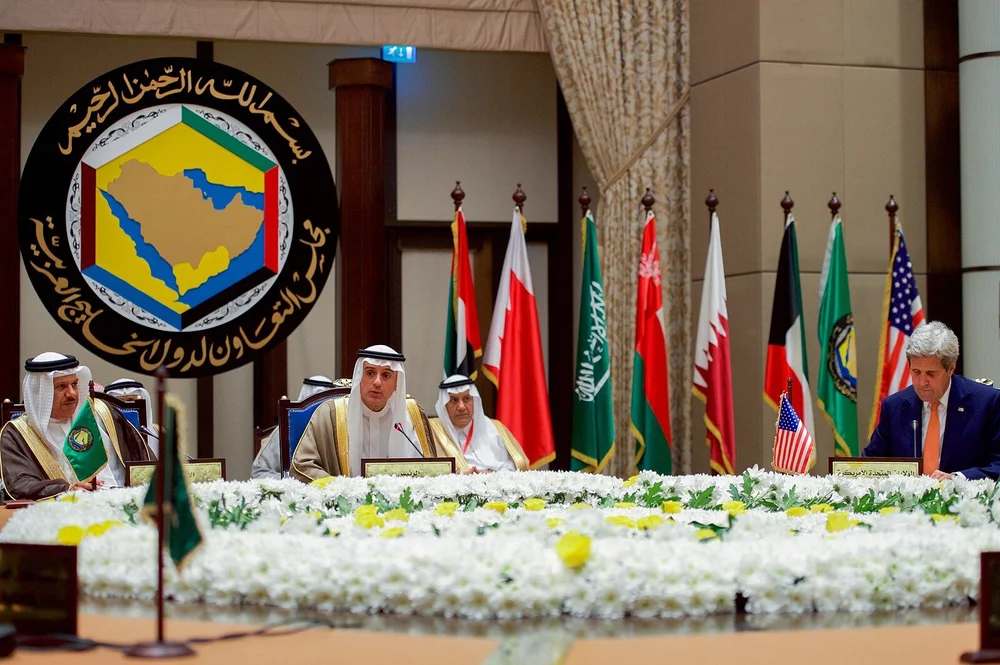
Background of the Yemen Defence Agreement
The Yemen defence agreement emerged during a period of heightened insecurity, when external military cooperation was viewed as essential to stabilizing fragile institutions. Designed to provide logistical coordination, strategic planning, and defence support, the agreement was framed as a temporary measure to reinforce national security.
Over time, however, concerns surfaced regarding the depth and scope of foreign involvement. Critics questioned whether the Yemen defence agreement adequately protected national decision-making authority or instead embedded long-term dependencies that could limit policy independence.
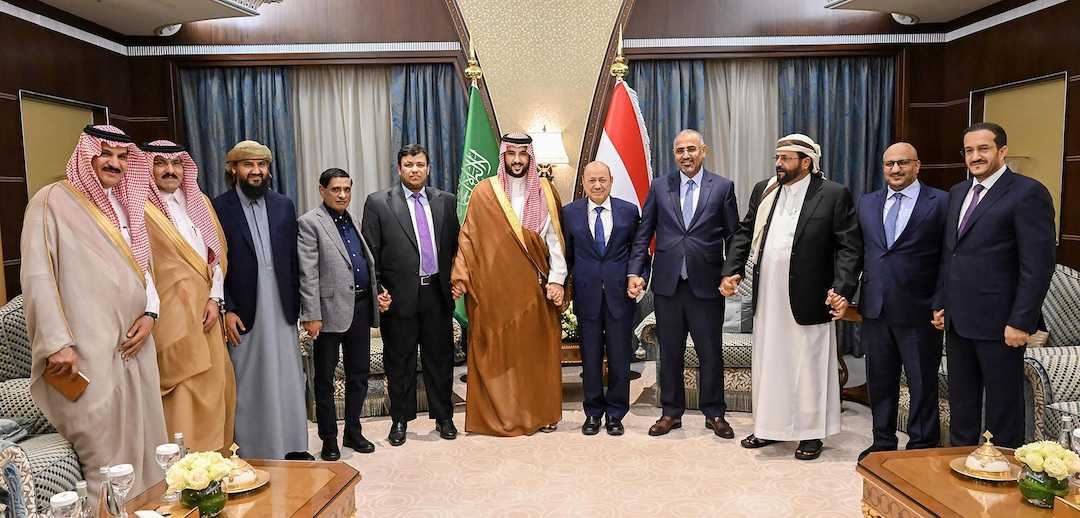
Political Context Inside Yemen
Transitional Governance Pressures
Yemen’s current leadership structure reflects a delicate balance among political factions, regional interests, and security stakeholders. Decisions related to defence policy carry symbolic weight, often serving as signals of broader political intent.
The Yemen defence agreement became a focal point in debates about legitimacy, transparency, and accountability. Lawmakers and political figures increasingly called for clearer oversight mechanisms and stronger domestic control.
Public Sentiment
Years of conflict have shaped public opinion. Many Yemenis remain wary of foreign military involvement, associating it with prolonged instability. As discussion of the Yemen defence agreement intensified, public discourse leaned toward reclaiming sovereign authority over defence matters.
Why the Agreement Was Reconsidered
The decision to revisit the Yemen defence agreement did not occur in isolation. Multiple factors converged, prompting leadership to reassess the costs and benefits.
Sovereignty Concerns
Central to the debate was the belief that defence policy must remain firmly under Yemeni authority. Critics argued that national security arrangements should empower domestic institutions rather than outsource strategic control.
Institutional Oversight
Questions also arose about the legal framework governing the Yemen defence agreement. Calls for parliamentary review and clearer constitutional alignment gained traction, pushing leadership toward decisive action.

Regional Implications of the Decision
The Middle East remains highly sensitive to shifts in defence alignments. Any change involving the Yemen defence agreement inevitably affects broader regional calculations.
Gulf Relations
Gulf states responded cautiously, emphasizing stability and dialogue. Diplomats framed the situation as an internal Yemeni decision while signaling readiness to engage constructively going forward.
Strategic Messaging
The move sends a broader message that Yemen seeks balanced partnerships rather than reliance on a single external actor. Analysts note that recalibrating the Yemen defence agreement could encourage more multilateral engagement in the future.
Security Challenges Ahead
Reevaluating the Yemen defence agreement presents both risks and opportunities. While asserting sovereignty is politically significant, practical security concerns remain pressing.
Capacity Building
Yemen must strengthen domestic defence institutions to fill any gaps left by reduced external cooperation. Training, coordination, and resource allocation will be essential to maintaining operational readiness.
Risk Management
Security analysts caution that abrupt changes require careful implementation. A phased approach to restructuring the Yemen defence agreement framework could help mitigate short-term vulnerabilities.
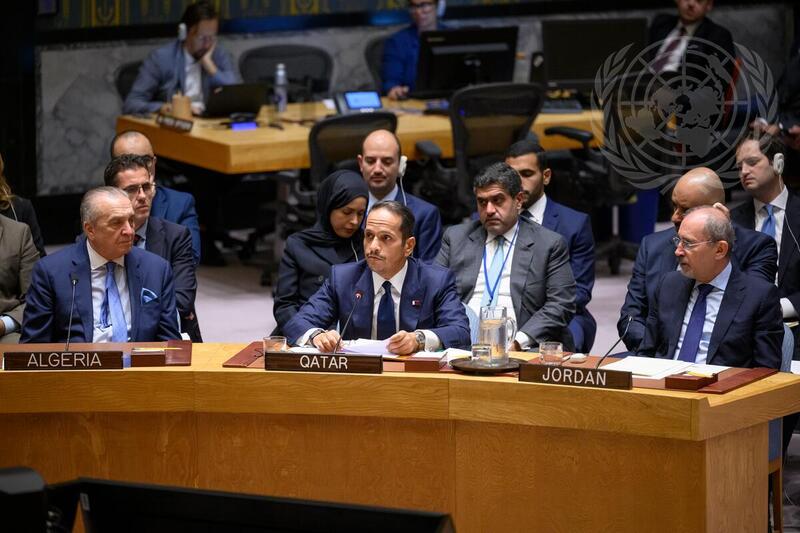
Economic Dimensions of Defence Policy
Defence cooperation often intersects with economic assistance, infrastructure investment, and reconstruction funding. The Yemen defence agreement was no exception.
By redefining the agreement, Yemen’s leadership aims to ensure that economic recovery strategies align with national priorities. Transparent governance and locally driven development plans are expected to play a larger role moving forward.
International Observations
Global observers view the Yemen defence agreement shift as part of a broader trend in which conflict-affected states seek greater autonomy over security policy. From Africa to the Middle East, governments are increasingly reassessing long-standing defence arrangements.
For Yemen, this moment represents an opportunity to reshape its international image as a state asserting responsible self-governance rather than dependency.
Media and Information Dynamics
Coverage of the Yemen defence agreement has varied widely across international media outlets. Some portray the decision as a bold assertion of sovereignty, while others frame it as a potential risk to short-term stability.
Within Yemen, local media discussions focus heavily on accountability, transparency, and the long-term vision for national defence. This narrative environment underscores how defence policy has become intertwined with national identity.
Legal and Constitutional Considerations
Legal scholars highlight the importance of aligning defence agreements with constitutional authority. The Yemen defence agreement debate has renewed calls for clearer legal standards governing international military cooperation.
Strengthening these frameworks could prevent future disputes and provide clearer guidance for policymakers navigating complex security partnerships.
The Role of the Presidential Council
The presidential council occupies a pivotal position in shaping Yemen’s defence posture. By addressing the Yemen defence agreement directly, the council has demonstrated its intent to play an active role in redefining national security policy.
This leadership stance may strengthen institutional credibility if followed by consistent policy implementation and inclusive dialogue.
Public Reaction and National Discourse
Public reaction to developments surrounding the Yemen defence agreement has been mixed but engaged. Many citizens express support for reclaiming decision-making authority, viewing it as a step toward long-term peace.
Others urge caution, emphasizing the need for stability during a fragile transition. This balance between aspiration and pragmatism defines the current national conversation.
Broader Middle East Trends
Across the region, defence agreements are under renewed scrutiny. Shifting global power dynamics, economic pressures, and domestic political changes have prompted governments to revisit longstanding security arrangements.
The Yemen defence agreement decision fits squarely within this broader pattern, highlighting how regional states adapt to evolving realities.
What Comes Next for Yemen
Looking ahead, Yemen faces the challenge of translating political decisions into sustainable security outcomes. This will require:
- Strengthening domestic defence institutions
- Maintaining diplomatic balance with regional partners
- Ensuring transparency and public accountability
If managed carefully, the restructuring of the Yemen defence agreement could serve as a foundation for a more resilient national security framework.
The reassessment of the Yemen defence agreement marks a defining moment in Yemen’s political and security trajectory. It reflects a deliberate effort to assert sovereignty, respond to public concerns, and adapt to shifting regional dynamics.
While challenges remain, the decision underscores Yemen’s intent to shape its future through independent governance and strategic clarity. As regional and international actors continue to watch closely, the coming months will reveal whether this pivotal move strengthens long-term stability and national cohesion.