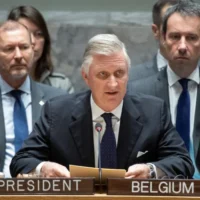
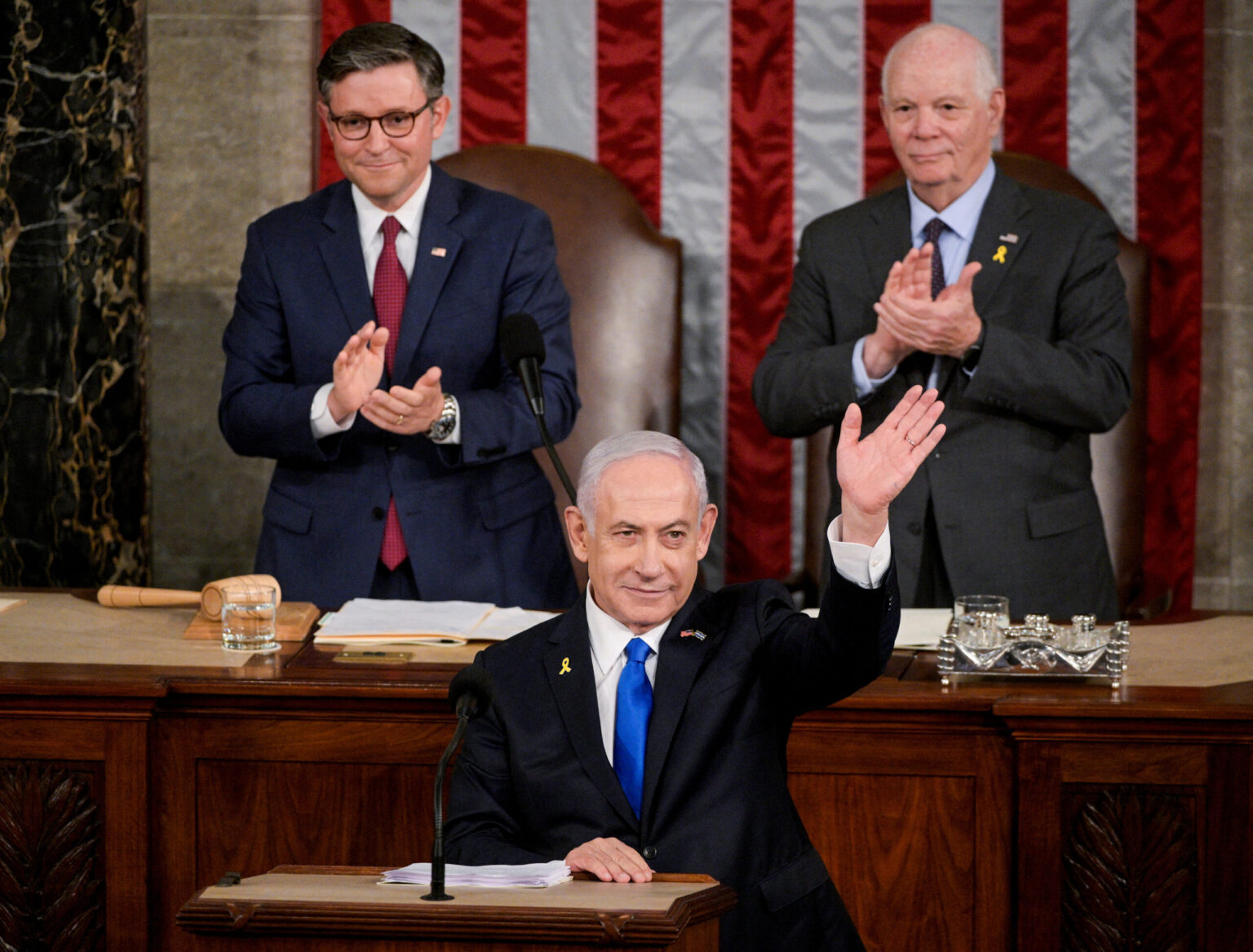
brussel morning reporting has intensified international attention on US Israel relations, as recent diplomatic exchanges and public statements highlight a period of reassessment for one of the world’s most enduring strategic partnerships. Long viewed as a cornerstone of American influence in the Middle East, the relationship between Washington and Jerusalem is navigating new pressures driven by regional conflict, domestic political shifts, and evolving global priorities. While cooperation remains deep and institutionalized, the current moment reflects a more complex and closely scrutinized phase in bilateral ties.
The situation underscores how even the strongest alliances must adapt to rapidly changing geopolitical realities.
Historical Foundations of the Alliance
The partnership between the United States and Israel dates back decades and has been shaped by shared strategic interests, democratic values, and consistent political support. Since Israel’s founding, Washington has played a key role in its security framework, providing military assistance, intelligence cooperation, and diplomatic backing in international institutions.
Over time, US Israel relations became institutionalized through defense agreements, aid packages, and close coordination between military and intelligence agencies. These mechanisms created a durable framework that has withstood regional wars, political transitions, and shifting global power dynamics.
Strategic Importance in the Middle East
Israel’s geographic position and security posture have long made it a critical partner for the United States in the Middle East. The alliance has helped Washington project influence, counter hostile actors, and support regional stability.
For Israel, the partnership provides access to advanced defense technology and a powerful diplomatic ally. This mutual dependence has reinforced US Israel relations even during periods of disagreement, ensuring continuity despite policy differences.
Shifting Priorities in Washington
In recent years, US foreign policy has increasingly emphasized competition with major global powers, energy security, and domestic economic priorities. These shifts have influenced how policymakers approach the Middle East.
Rather than signaling a retreat, this evolution reflects recalibration. US Israel relations remain a priority, but Washington now balances its support with broader regional considerations, including relations with Arab partners and efforts to prevent wider conflict.
Leadership Dynamics and Political Messaging
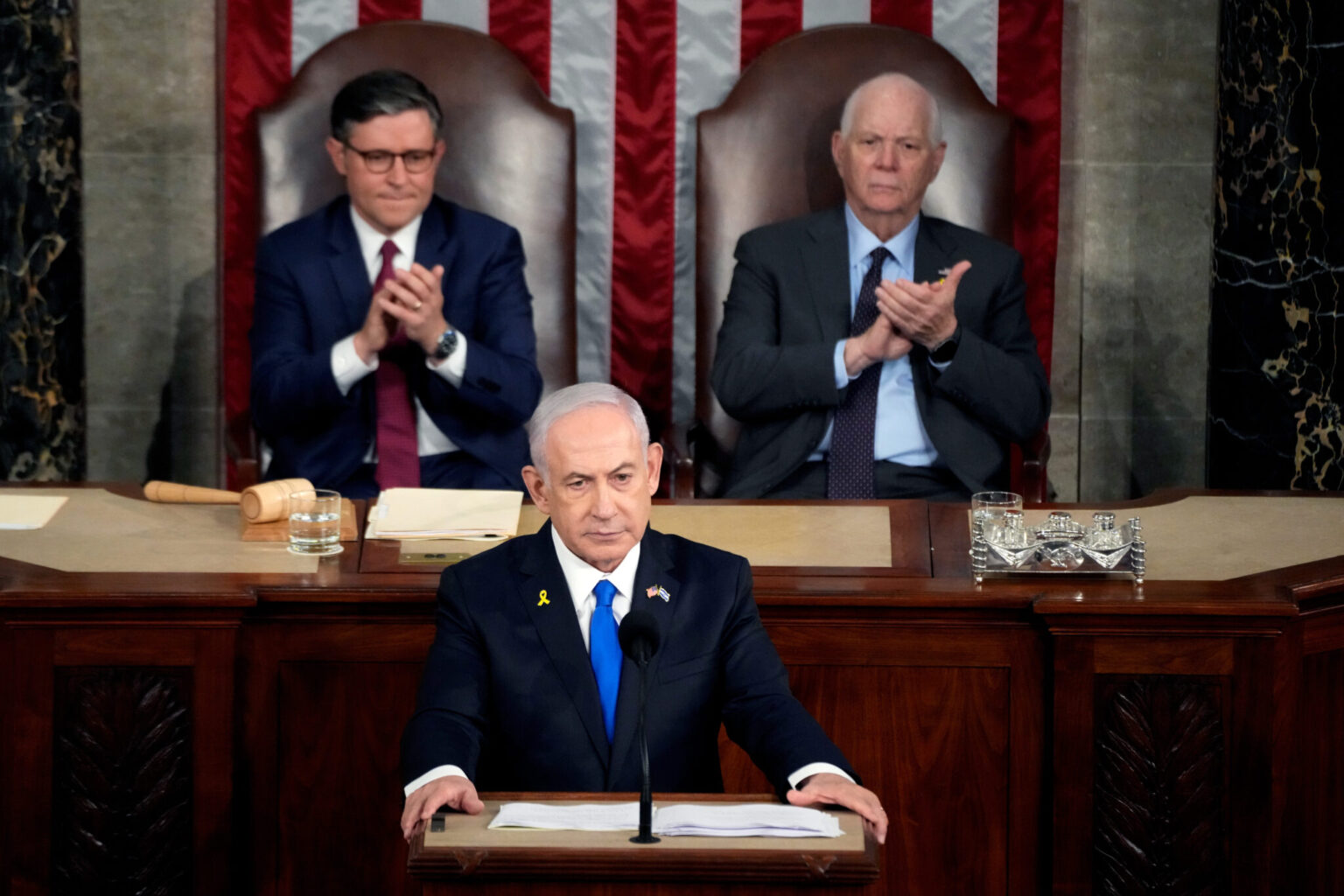
Leadership plays a crucial role in shaping perceptions of the alliance. High level meetings between American and Israeli leaders often serve as symbolic reaffirmations of shared interests.
However, public messaging has become more nuanced. Statements are carefully calibrated to address domestic audiences while maintaining alliance credibility. This careful communication reflects the sensitivity surrounding US Israel relations at a time when global scrutiny is intense.
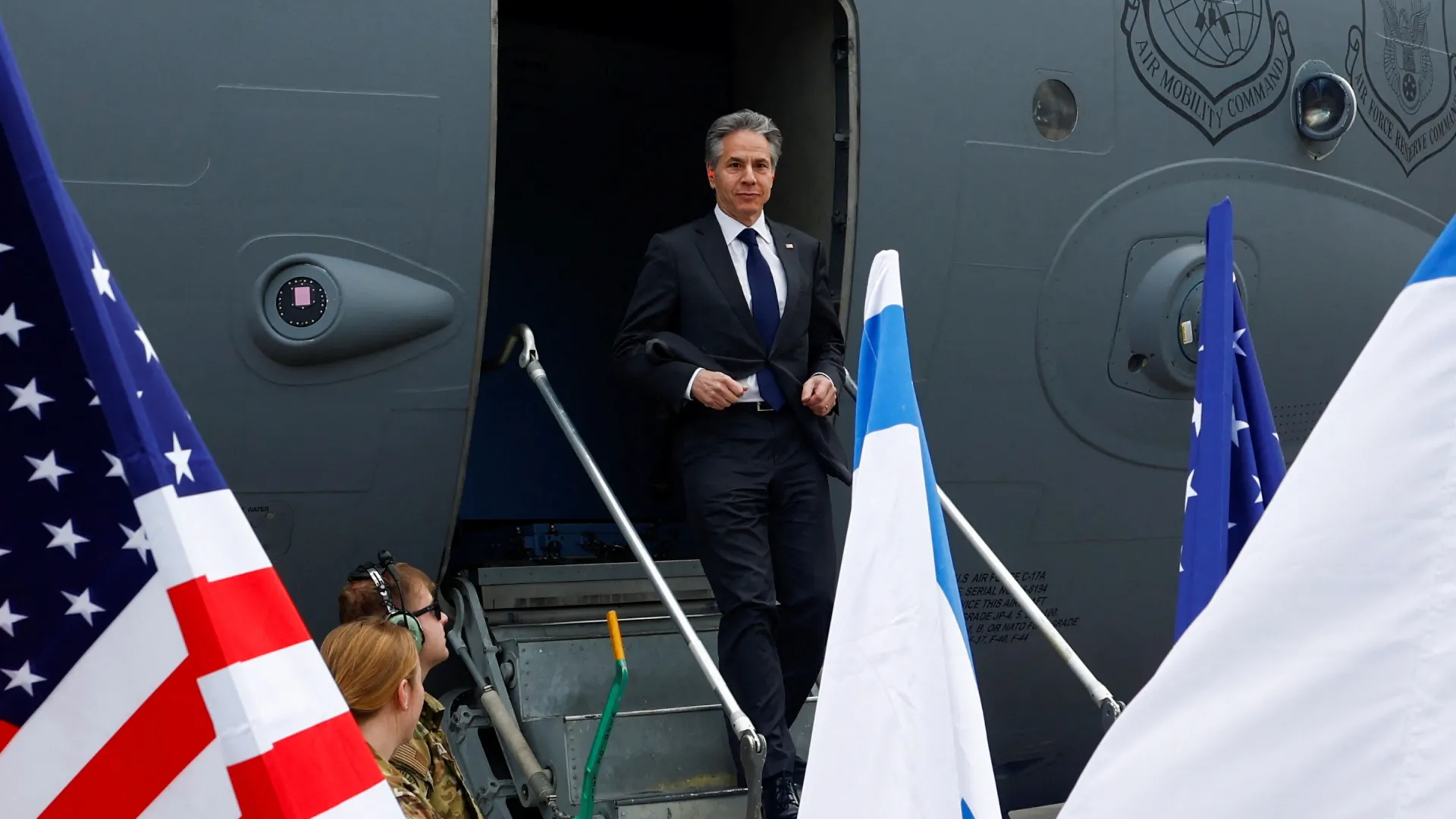
Security Cooperation as a Cornerstone
Despite political debate, security cooperation remains the backbone of the partnership. Joint military exercises, missile defense collaboration, and intelligence sharing continue largely uninterrupted.
Shared threat perceptions, particularly regarding militant groups and regional instability, ensure that US Israel relations in the defense sphere remain robust. Analysts note that security ties often endure even when diplomatic tensions surface.
Impact of Regional Conflict
Ongoing conflict in Gaza and broader instability across the region have placed additional strain on diplomatic coordination. Civilian casualties and humanitarian concerns have drawn international attention, complicating policy alignment.
As violence escalates, US Israel relations are increasingly shaped by the need to balance security objectives with humanitarian responsibilities and international legal considerations.
Domestic Political Pressures in the United States
Within the United States, public opinion and political debate now play a more visible role in shaping foreign policy. Lawmakers face pressure from diverse constituencies with differing views on Middle East engagement.
These domestic dynamics influence how US Israel relations are discussed in Congress, the media, and election campaigns. While bipartisan support remains significant, debate has become more pronounced.
Israel’s Security Strategy
Israel’s approach to security emphasizes deterrence, rapid response, and military readiness. This strategy reflects the country’s geographic vulnerability and historical experience.
At times, this approach can diverge from US diplomatic efforts aimed at de escalation. Managing these differences requires constant dialogue, illustrating the complexity of sustaining alignment within US Israel relations.
Role of International Partners
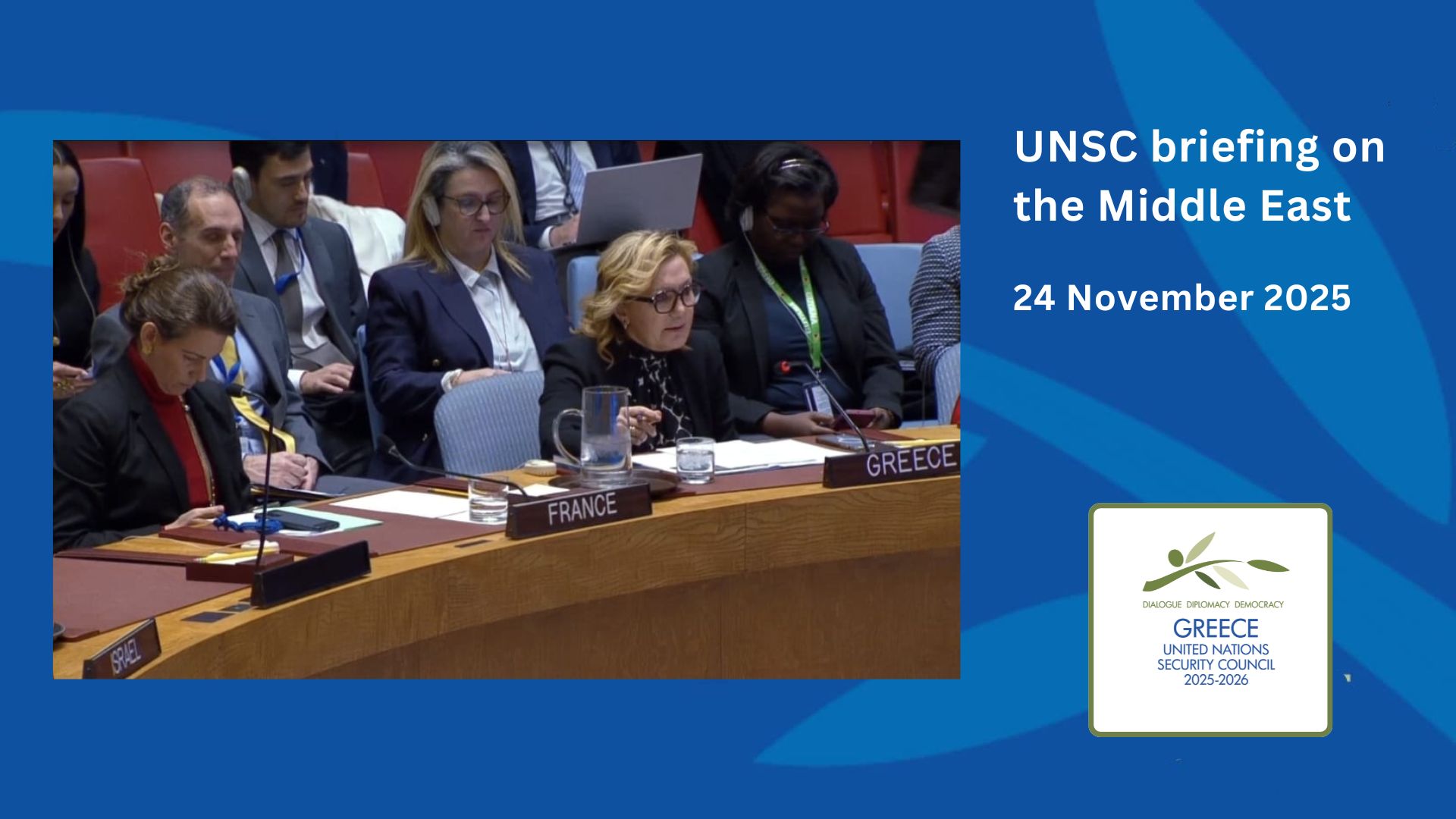
European and regional allies closely monitor developments between Washington and Jerusalem. Many view the partnership as a stabilizing force but express concern when tensions rise.
International diplomacy increasingly intersects with US Israel relations, as allies seek clarity and consistency in American Middle East policy.
Economic and Technological Cooperation
Beyond defense, economic and technological ties add depth to the partnership. Trade, joint research initiatives, and innovation collaboration continue to expand.
These non military dimensions provide additional resilience, ensuring that US Israel relations extend beyond immediate security concerns into long term strategic cooperation.
Changing Regional Power Dynamics
The Middle East is undergoing significant transformation, with shifting alliances and emerging regional actors. Normalization agreements and new energy partnerships are reshaping the landscape.
As these dynamics evolve, Washington and Jerusalem must adapt their coordination. The flexibility of US Israel relations will be tested as both countries respond to a more multipolar regional environment.
Diplomatic Challenges and Coordination
Maintaining alignment amid divergent priorities presents an ongoing challenge. US officials often emphasize coalition building and diplomacy, while Israeli leaders prioritize immediate security needs.
Navigating these differences requires continuous engagement and compromise, underscoring the diplomatic effort necessary to sustain US Israel relations over time.
Media Influence and Public Perception
Media coverage plays a powerful role in shaping public understanding of the alliance. Headlines emphasizing conflict can overshadow ongoing cooperation and dialogue.
Managing perception has become an important element of US Israel relations, particularly as global audiences consume real time updates and commentary.
Strategic Communication and Deterrence
Clear and coordinated communication is essential to prevent misinterpretation by adversaries. Joint statements and diplomatic signaling aim to reinforce deterrence while avoiding unnecessary escalation.
This strategic communication highlights how US Israel relations function not only through policy decisions but also through messaging.
Humanitarian Considerations
Humanitarian issues increasingly factor into diplomatic discussions. Calls for aid access, civilian protection, and post conflict planning influence international engagement.
Balancing security imperatives with humanitarian responsibilities remains one of the most sensitive aspects of US Israel relations in the current environment.
Long Term Outlook for the Alliance
Most analysts agree that the alliance will endure despite periodic tension. Shared interests, institutional ties, and decades of cooperation provide a strong foundation.
However, the nature of US Israel relations is likely to evolve, reflecting broader changes in global politics, technology, and regional dynamics.
Why This Relationship Matters Globally
Decisions made within this partnership have far reaching implications. Policies shaped by Washington and Jerusalem affect regional stability, global markets, and international diplomacy.
Understanding US Israel relations is essential for assessing broader geopolitical trends and future conflict risks.
The current moment represents adjustment rather than rupture. US Israel relations remain strong but are navigating a more complex and contested environment shaped by conflict, diplomacy, and domestic politics. As both countries adapt to changing realities, the alliance will continue to play a central role in Middle East affairs, influencing security, diplomacy, and global stability well into the future.