
Brussel Morning coverage of global technology disruptions highlights how the Rainbow Six hack triggered widespread server outages, temporarily taking one of the world’s most popular tactical shooters offline and raising fresh concerns about cybersecurity in live service games. Players across multiple regions reported sudden disconnections, failed logins, and matchmaking errors in Tom Clancy’s Rainbow Six Siege, prompting speculation that the incident was more than a routine technical failure. After several hours of disruption, servers gradually came back online as developer Ubisoft launched an internal investigation into what it described as abnormal activity.
What Triggered the Rainbow Six Hack Concerns
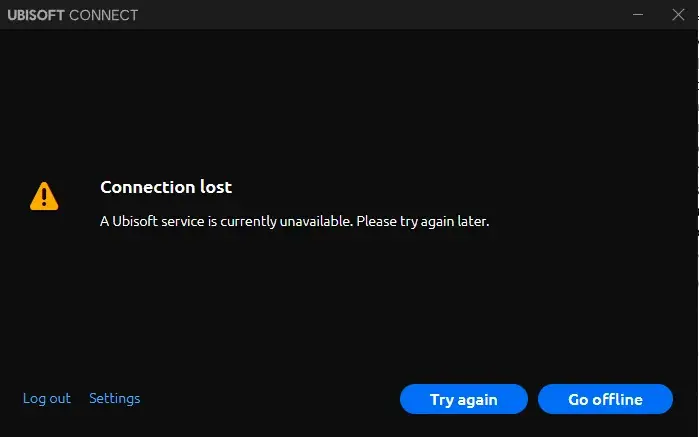
Reports of a Rainbow Six hack emerged after players were abruptly removed from active matches and found themselves unable to reconnect. Error messages varied by region, but the scale of the outage quickly suggested a global issue rather than localized server maintenance.
Gaming forums and social media platforms filled with player reports, many noting similarities to previous cyberattacks on major online platforms. As the outage continued, concerns grew that Rainbow Six Siege had become the target of a coordinated attack.
Timeline of the Server Outage
The sequence of events unfolded rapidly:
- Players experienced sudden in game disconnects
- Login and authentication services became unstable
- Ranked and casual matchmaking were disabled
- Ubisoft took backend services offline to stabilize systems
- Gradual restoration began after emergency mitigation
By the time Ubisoft confirmed services were returning, the phrase Rainbow Six hack was trending across gaming communities worldwide.
Ubisoft’s Initial Response
Ubisoft acknowledged the disruption within hours, stating that it was actively working to resolve connectivity issues affecting Rainbow Six Siege. As speculation intensified, the company confirmed that the Rainbow Six hack investigation was underway, focusing on unusual traffic patterns and server behavior.
While Ubisoft stopped short of confirming a full security breach, it emphasized that protecting player data remained a top priority. Engineers implemented temporary safeguards to prevent further disruptions while diagnostics continued.
Was Player Data Compromised
One of the most pressing questions surrounding the Rainbow Six hack was whether personal or account data had been exposed. Ubisoft later stated that there was no evidence of unauthorized access to user accounts or sensitive player information.
Cybersecurity experts noted that many large scale gaming outages result from distributed denial of service attacks, which overwhelm servers without penetrating internal systems. If confirmed, this would mean the Rainbow Six hack was disruptive but not a data breach.
Impact on Players and Competitive Gaming
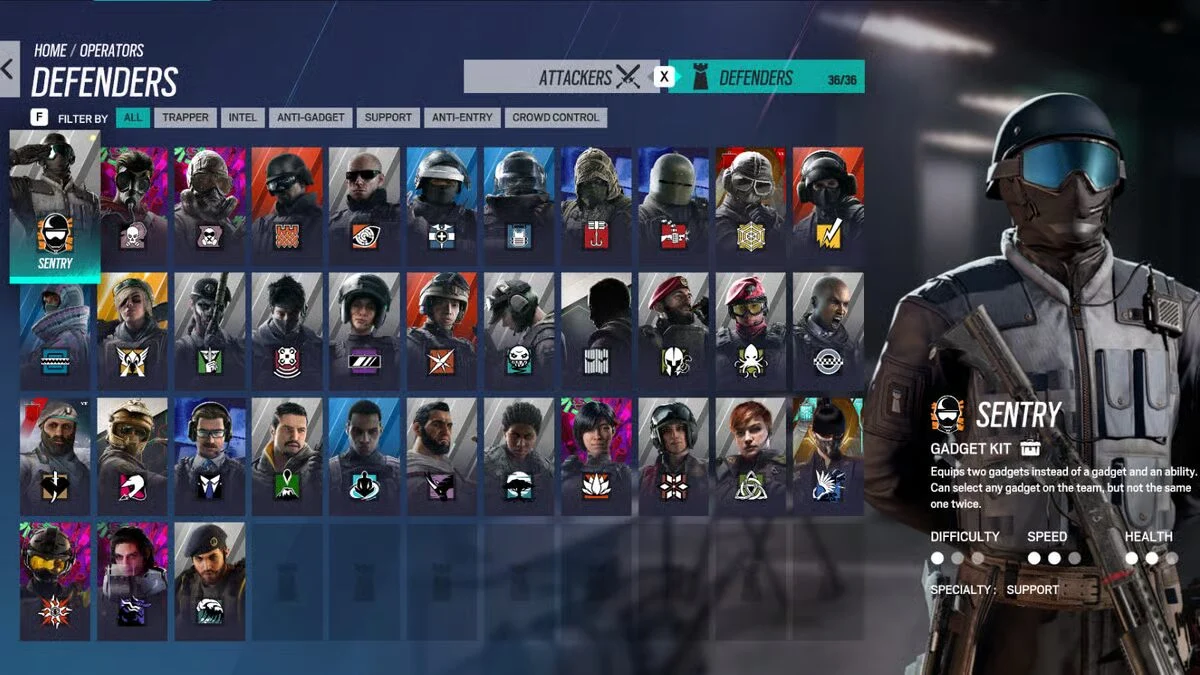
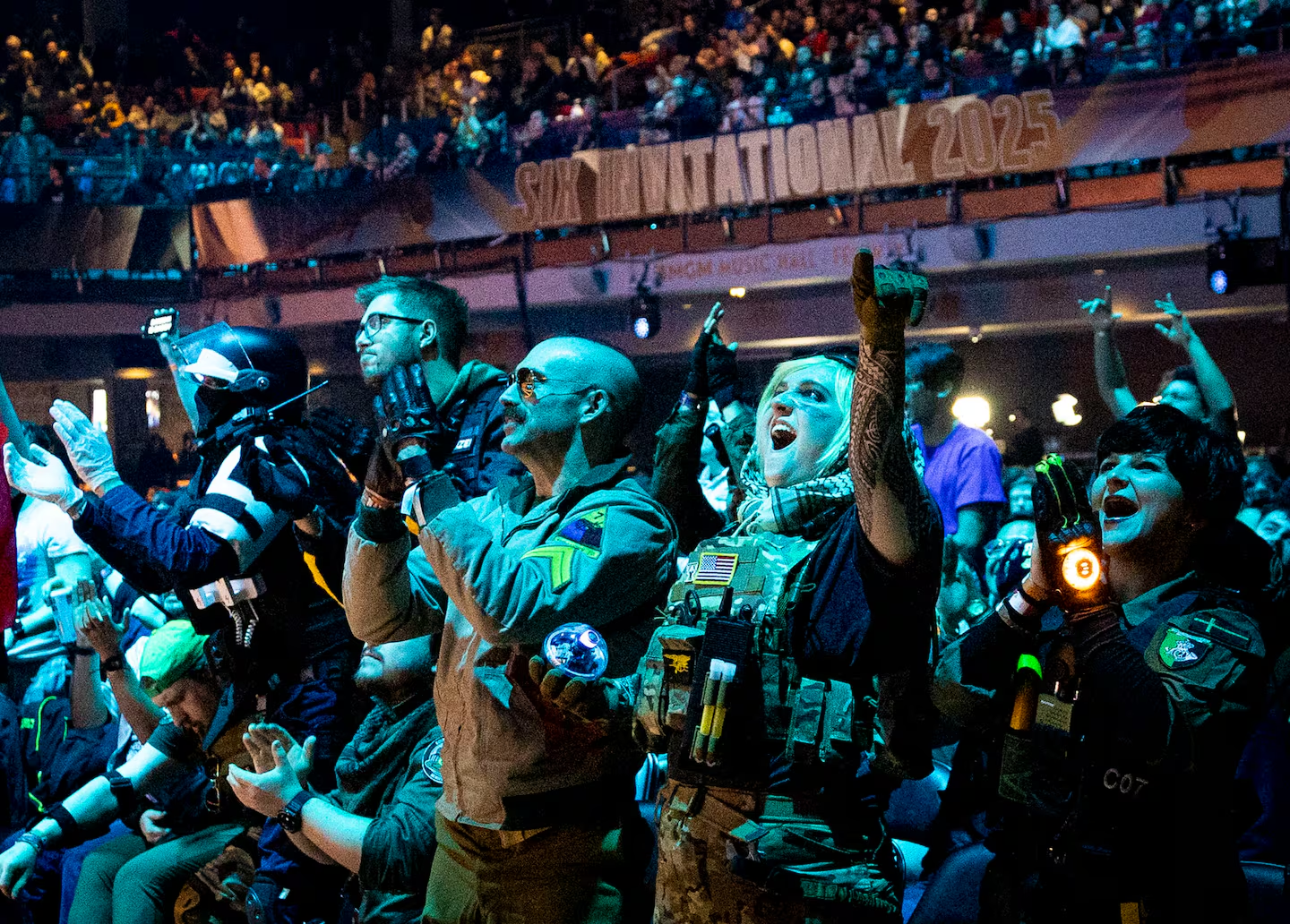
The Rainbow Six hack disrupted millions of players worldwide, including casual gamers, streamers, and professional competitors. Rainbow Six Siege has a thriving esports ecosystem, where server reliability is critical.
Several scheduled competitive matches were postponed, while ranked progression was temporarily suspended. Professional players voiced frustration, warning that repeated incidents could undermine confidence in competitive integrity.
Community Reaction and Online Backlash
Reaction to the Rainbow Six hack spread quickly across social platforms. Some players criticized Ubisoft for limited early communication, while others praised the eventual transparency and speed of recovery.
Hashtags referencing the Rainbow Six hack trended globally, with players sharing screenshots of error messages and downtime notifications. The incident demonstrated how closely live service communities monitor server health.
Live Service Games and Growing Security Risks
The Rainbow Six hack highlights a broader challenge facing the gaming industry. Live service titles rely on constant connectivity, making them attractive targets for malicious actors.
As online games grow in scale and complexity, publishers must invest heavily in infrastructure resilience and cybersecurity. Incidents like the Rainbow Six hack underline how technical failures can quickly become reputational crises.
Ubisoft’s Ongoing Investigation
Ubisoft confirmed that a comprehensive review is underway to determine the root cause of the Rainbow Six hack. This includes analyzing server logs, traffic spikes, and external access attempts.
The company indicated that additional security measures may be implemented following the investigation. While services have been restored, Ubisoft said it will release more information once technical findings are finalized.
Financial and Brand Implications
For Ubisoft, the Rainbow Six hack represents more than a technical issue. Rainbow Six Siege generates ongoing revenue through seasonal content, battle passes, and in game purchases.
Extended downtime can affect player engagement and spending. Analysts noted that the relatively quick restoration likely limited financial damage, but repeated outages could impact long term trust.
Comparisons With Past Gaming Outages
The Rainbow Six hack joins a growing list of high profile gaming disruptions in recent years. From console network outages to large scale MMO downtime, the industry has seen how fragile always online ecosystems can be.
What distinguishes this incident is the speed at which speculation about a hack spread, reflecting heightened public awareness of cybersecurity threats.
Player Safety and Best Practices
Following the Rainbow Six hack, players were advised to take precautionary steps, including enabling two factor authentication and monitoring accounts for unusual activity.
Although Ubisoft reassured users that data was secure, experts stress that basic digital hygiene remains essential, especially in online gaming environments.
Industry Lessons From the Rainbow Six Hack
The incident underscores the need for proactive security planning. Publishers must anticipate not only technical failures but also hostile actions aimed at disrupting services.
The Rainbow Six hack serves as a case study in crisis response, highlighting the importance of rapid communication, transparency, and technical preparedness.
Google News Perspective
From a Google News standpoint, the Rainbow Six hack meets key criteria of timeliness, public interest, and verified updates. Coverage extends beyond gaming into technology and cybersecurity, reflecting the growing intersection between entertainment and digital infrastructure.
As gaming continues to influence mainstream culture, incidents like this are increasingly treated as major technology news stories.
What Comes Next for Rainbow Six Siege
Ubisoft is expected to provide a follow up statement detailing the findings of its investigation. Backend updates or security patches may follow to reduce the risk of future disruptions.
For now, gameplay has resumed normally, but the Rainbow Six hack will likely influence future infrastructure investments.
The Rainbow Six hack temporarily disrupted one of the world’s most popular online shooters, highlighting vulnerabilities that come with always connected gaming experiences. While servers are now back online and no data breach has been confirmed, the incident underscores the growing importance of cybersecurity in the gaming industry.
As Ubisoft continues its investigation, players and industry observers alike will be watching closely to see how lessons from the Rainbow Six hack shape the future of live service game security.