
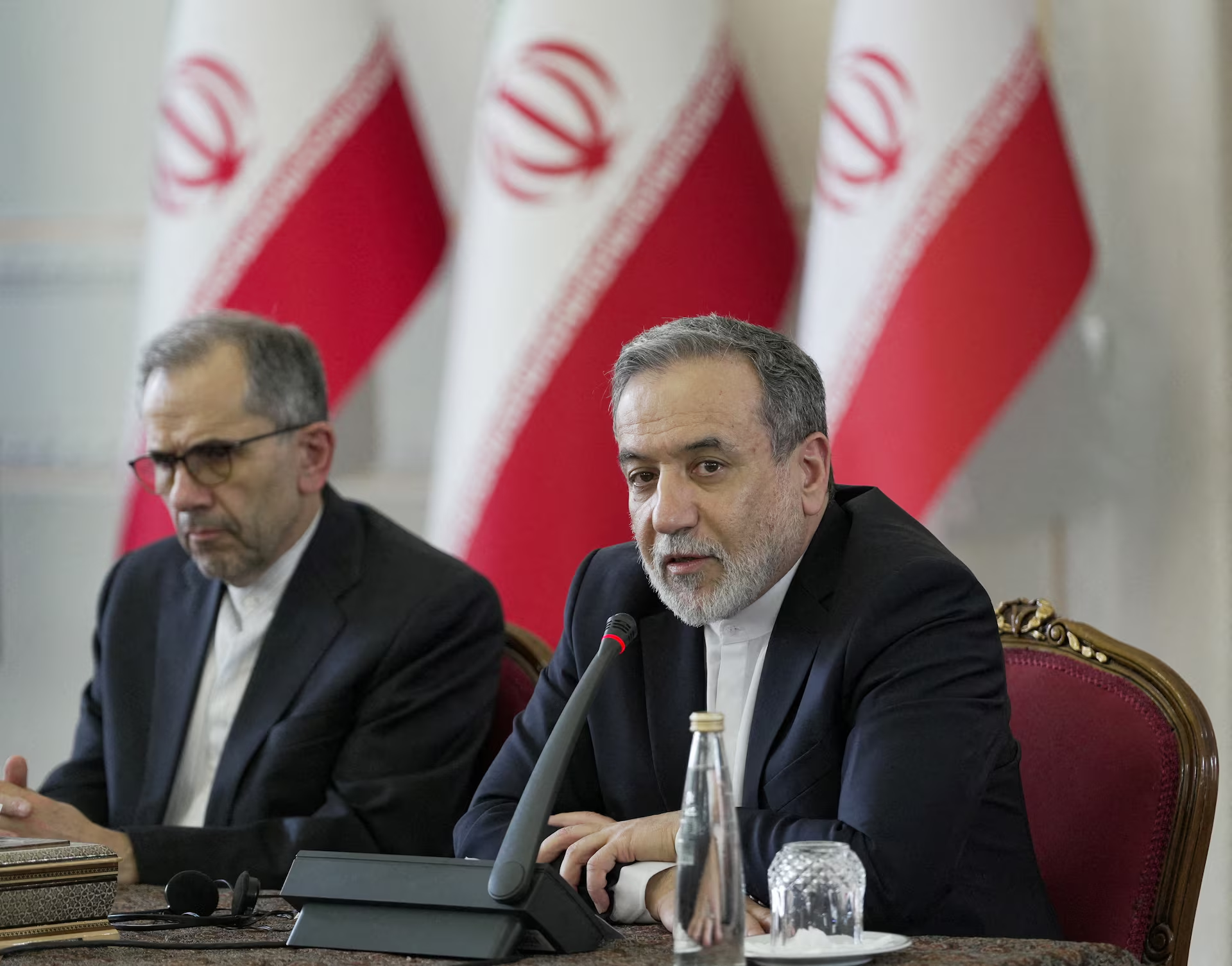
Brussel morning news reports that an Iran foreign ministry statement has drawn renewed international attention to developments connected to the ongoing conflict in Ukraine. Iranian officials confirmed that authorities in Iran are reviewing reports involving an Iranian citizen and are seeking clarification through diplomatic channels. The statement emphasizes verification, restraint, and adherence to international law as the situation unfolds amid heightened geopolitical tensions across Europe and beyond.
Iran Foreign Ministry Statement Draws Focus on Ukraine Developments
An Iran foreign ministry statement issued through official channels has become a focal point for international observers following reports tied to the movement and status of an Iranian national amid the Ukraine war. While details remain limited, the announcement underscores Tehran’s intent to verify information carefully, protect its citizens abroad, and manage the matter through diplomacy rather than public escalation.
Officials stressed that wartime reporting can be fragmented and, at times, misleading. As a result, the government is prioritizing direct communication with relevant counterparts and consular networks to establish a clear and accurate account.
Background to the Reports
Media reports circulated suggesting that an Iranian citizen may have been moved within or toward Ukrainian territory during active hostilities. Such claims, though unconfirmed, raised legal and diplomatic questions significant enough to prompt a formal response.
In addressing the issue, the Iran foreign ministry statement acknowledged awareness of the reports and confirmed that multiple departments are engaged in verification. The ministry emphasized that conclusions would be premature without corroborated information obtained through official channels.
Diplomatic Verification and Process
Iran’s diplomatic approach typically relies on embassy communications, consular inquiries, and bilateral correspondence. In cases involving conflict zones, these processes can take time due to access constraints and security conditions.
According to officials, the Iran foreign ministry statement reflects a methodical approach aimed at determining the facts before considering next steps. Diplomats are reportedly in contact with counterparts in Russia to clarify circumstances surrounding the reported movement.
Citizen Protection as a Priority
Protecting citizens abroad is a central responsibility of any foreign ministry. Conflict environments intensify this responsibility, as civilians can be displaced suddenly by military operations, border changes, or emergency evacuations.
The Iran foreign ministry statement reiterates Tehran’s expectation that international norms protecting civilians be respected. Officials noted that foreign nationals in war zones require particular attention due to heightened risks and limited mobility.
Ukraine Conflict Context
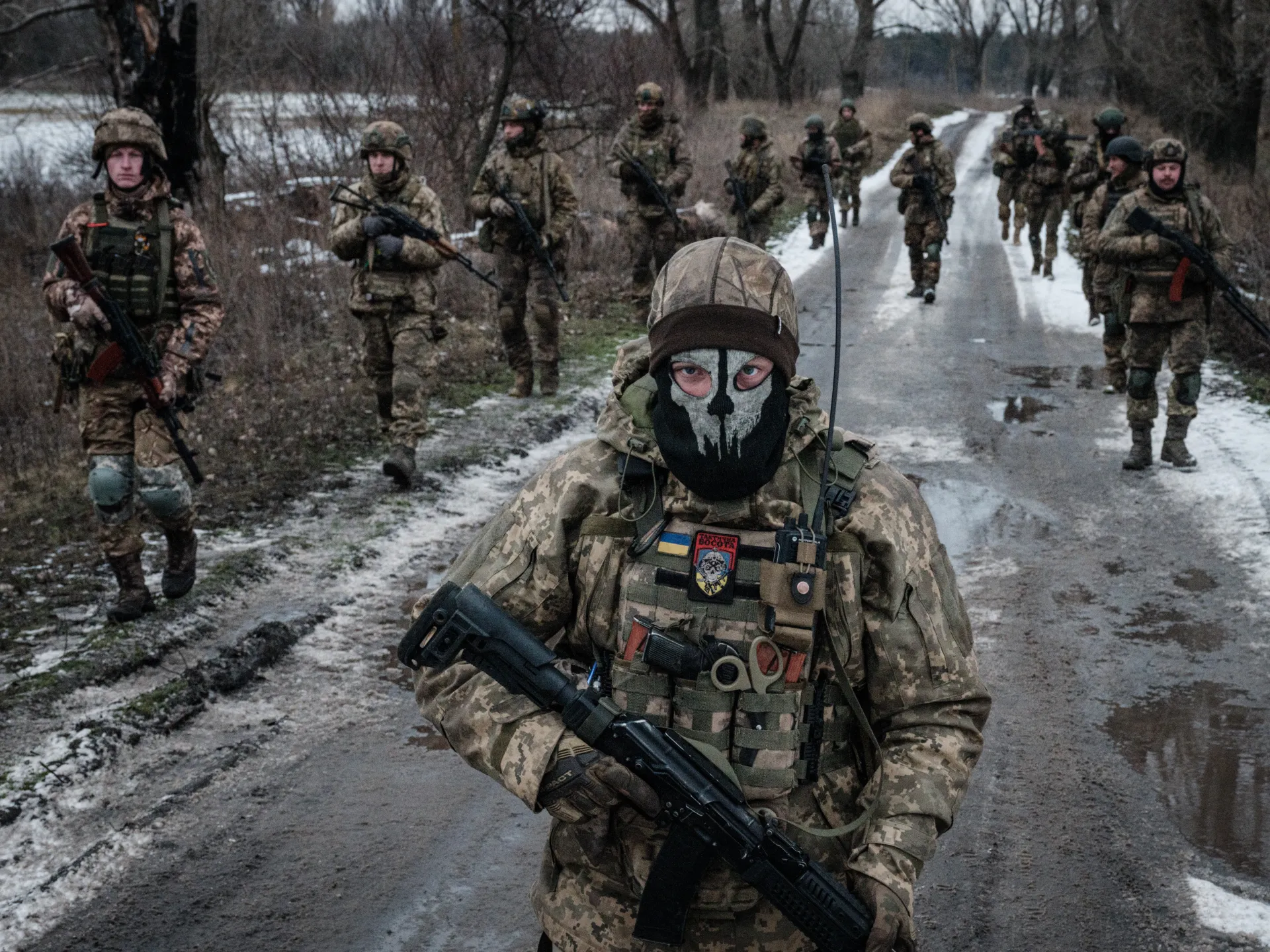
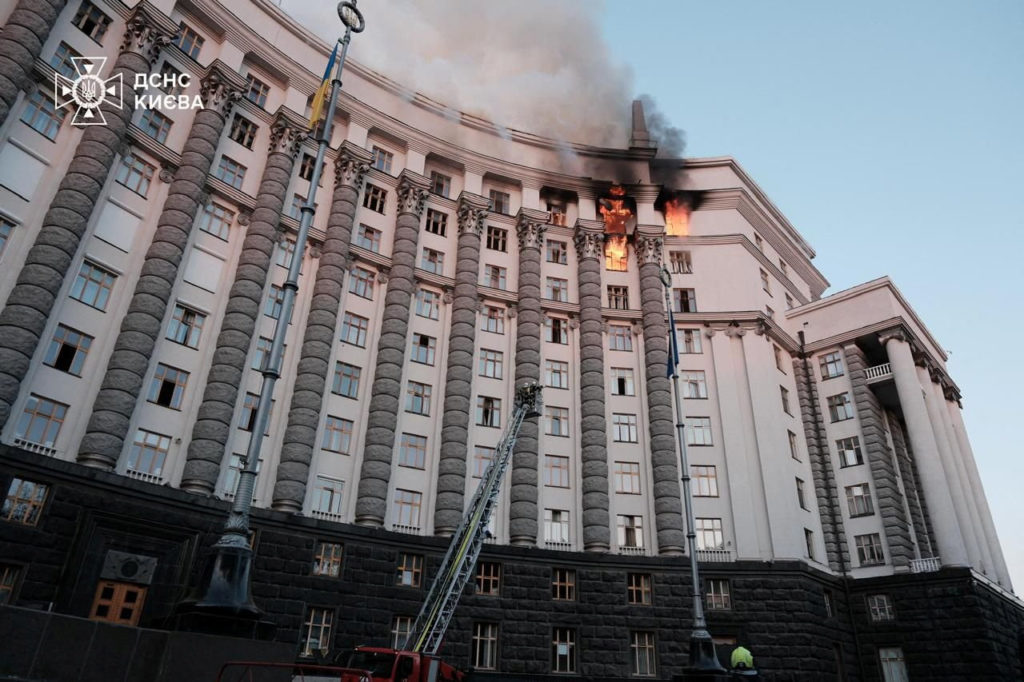
The war in Ukraine has displaced millions and disrupted civilian life across large regions. Foreign residents, journalists, aid workers, and business travelers have all faced unpredictable conditions as fighting continues.
Against this backdrop, the Iran foreign ministry statement recognizes that accurate information can be difficult to obtain. Authorities cautioned against drawing conclusions from unverified sources while investigations are ongoing.
Russia’s Communication Style
At the time of the statement’s release, Moscow had not issued a detailed public response specific to the reports. Analysts note that Russia often addresses sensitive matters involving foreign nationals through diplomatic channels rather than press briefings.
The tone of the Iran foreign ministry statement suggests an understanding of this approach. By emphasizing dialogue and verification, Tehran appears to be preserving diplomatic space for clarification and resolution.
International Law Considerations
International humanitarian law governs the treatment and movement of civilians during armed conflict. Issues such as detention, relocation, and cross border transfers can raise legal concerns if not justified by humanitarian necessity.
The Iran foreign ministry statement signals awareness of these frameworks and positions the inquiry as a legal and diplomatic matter rather than a political dispute. Legal experts say this approach reduces the risk of escalation while facts are established.
Balancing Strategic Relationships
Iran’s foreign policy involves navigating complex relationships across regions. Its ties with Russia include economic and strategic cooperation, while its engagement with Ukraine adheres to international diplomatic norms.
The Iran foreign ministry statement reflects this balance by asserting Iran’s duty to its citizens without adopting confrontational language that could strain broader relations. Such restraint is often key to managing isolated incidents during wider conflicts.
Media Coverage and Public Discussion
International media coverage of the statement has sparked debate about how governments protect citizens abroad during wars. Public commentary has focused on transparency, accountability, and the challenges of obtaining reliable information from conflict zones.
As the Iran foreign ministry statement circulated, analysts emphasized the importance of measured responses that prioritize facts over rhetoric, particularly in highly polarized geopolitical environments.
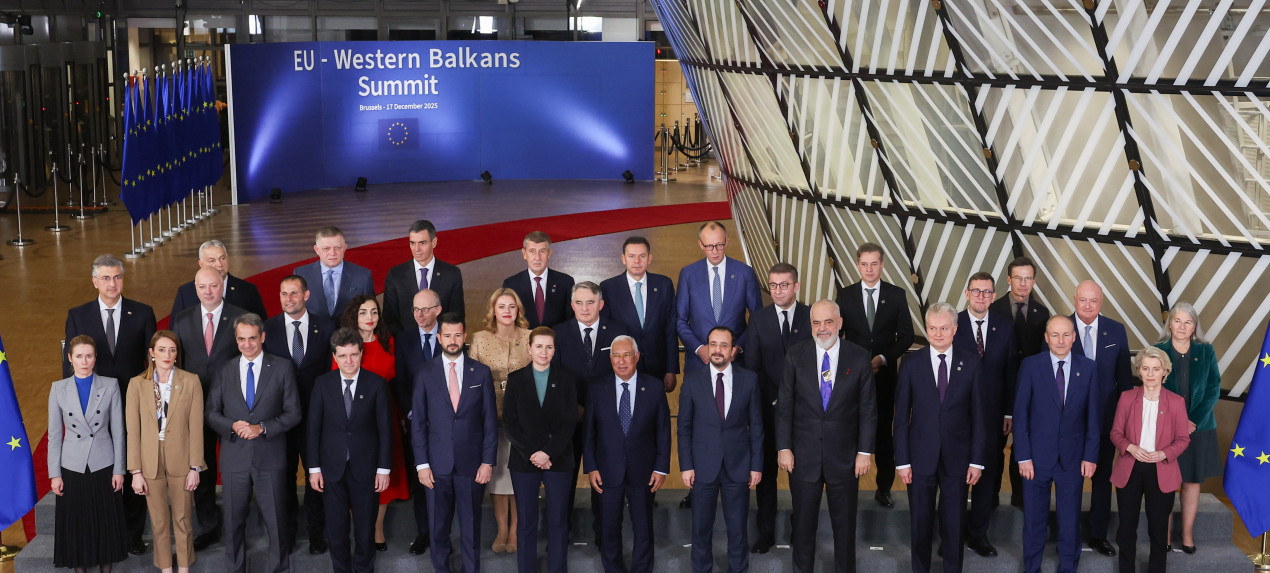
European Interest and Perspective
European policymakers and analysts have followed the development closely, given the conflict’s far reaching impact on regional security and diplomacy. Any involvement of additional states draws attention within Europe, where coordination and communication remain critical.
From a European viewpoint, the Iran foreign ministry statement highlights the global dimensions of the Ukraine war and the interconnected nature of modern international relations.
Possible Outcomes
Several scenarios remain possible as verification continues:
- Confirmation that the reports were inaccurate or misinterpreted
- Evidence that the individual was moved for safety reasons
- Diplomatic coordination to ensure well being or return
- Engagement with international organizations if legal issues arise
The Iran foreign ministry statement indicates that updates will be shared if and when verified information becomes available.
Broader Implications for Global Conflicts
Beyond this case, the situation underscores how contemporary conflicts affect citizens far beyond the immediate battlefield. Governments worldwide must be prepared to respond quickly and responsibly when nationals are impacted abroad.
The Iran foreign ministry statement serves as an example of a cautious, process driven response that emphasizes legality, diplomacy, and citizen protection over public confrontation.
Transparency and Trust
Transparency plays a crucial role in maintaining public trust. While sensitive inquiries require discretion, acknowledging reports and outlining investigative steps can reassure citizens and international partners alike.
By issuing the Iran foreign ministry statement, Tehran signaled that the issue is being addressed through appropriate channels rather than ignored or dismissed.
Ongoing Monitoring
Iranian officials have stated that the matter remains under active review. Diplomatic missions are expected to continue monitoring developments closely as new information emerges from the region.
The Iran foreign ministry statement reinforces that engagement is ongoing and that Iran remains committed to safeguarding the rights and safety of its citizens abroad.
The Iran foreign ministry statement marks a significant moment in the diplomatic response to reports linked to the Ukraine conflict. While details remain under verification, the statement reflects a commitment to due process, international law, and responsible diplomacy.
As the war in Ukraine continues to shape global affairs, such developments illustrate how interconnected today’s world has become and why careful communication remains essential in managing the human consequences of conflict.