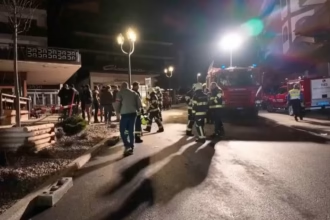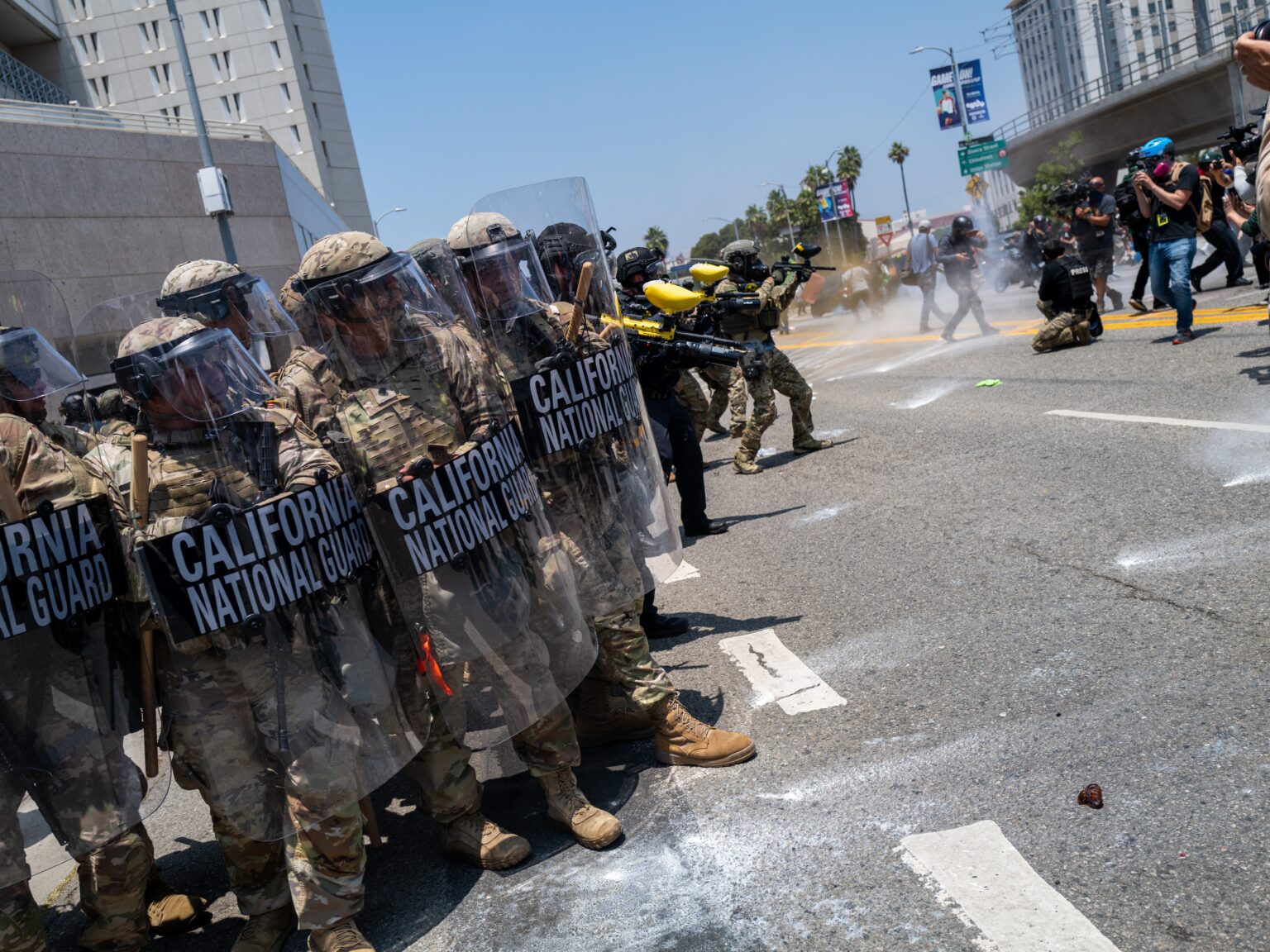
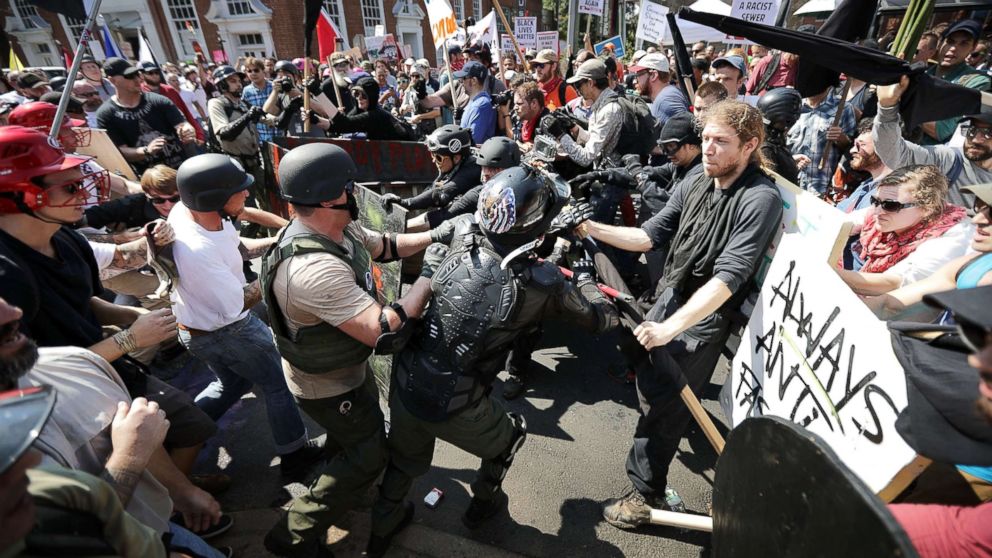
Tensions escalated sharply as street clashes protests erupted across multiple urban areas, transforming what began as public demonstrations into scenes of chaos and fear. Large crowds gathered to voice political grievances, but the atmosphere quickly deteriorated when rival groups converged, leading to violent confrontations that alarmed residents and strained emergency services.
Eyewitnesses described people running for cover as objects flew through the air and security forces rushed to intervene. The rapid escalation highlighted how fragile public order can become when demonstrations attract opposing factions with deeply entrenched views.
Early Demonstrations Draw Large Crowds
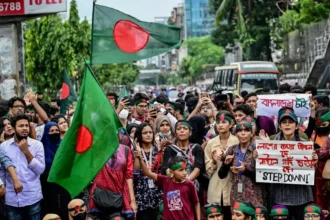
The protests began earlier in the day with organized gatherings that appeared largely peaceful. Participants carried signs, chanted slogans, and occupied central streets as a show of collective frustration. Attendance grew steadily as word spread through local networks.
As crowds expanded, tensions became more visible. The situation shifted dramatically once street clashes protests began forming at intersections where opposing groups encountered one another, setting the stage for confrontation.
Rival Groups Converge in Public Spaces
The arrival of counter demonstrators intensified emotions and heightened the risk of violence. Verbal confrontations quickly escalated, with insults exchanged between rival groups separated only by narrow barriers or police lines.
When street clashes protests moved from shouting matches to physical aggression, bystanders were caught in the middle. The lack of clear separation between groups made crowd control increasingly difficult.
Violence Breaks Out in Multiple Locations
Reports confirmed that confrontations erupted in several districts simultaneously. Stones, bottles, and other objects were thrown as crowds surged forward. Makeshift barricades appeared, and panic spread among nearby residents.
Authorities stated that street clashes protests resulted in injuries and property damage, prompting an urgent deployment of additional security personnel to affected areas.
Police Response and Crowd Control Challenges
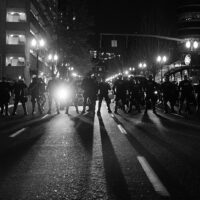
Law enforcement agencies attempted to contain the violence by forming buffer zones and issuing repeated dispersal warnings. Riot units were deployed in areas where clashes intensified, and officers worked to separate rival groups.
Despite these efforts, street clashes protests continued for hours in some neighborhoods, exposing the difficulty of managing large and emotionally charged demonstrations once violence begins.
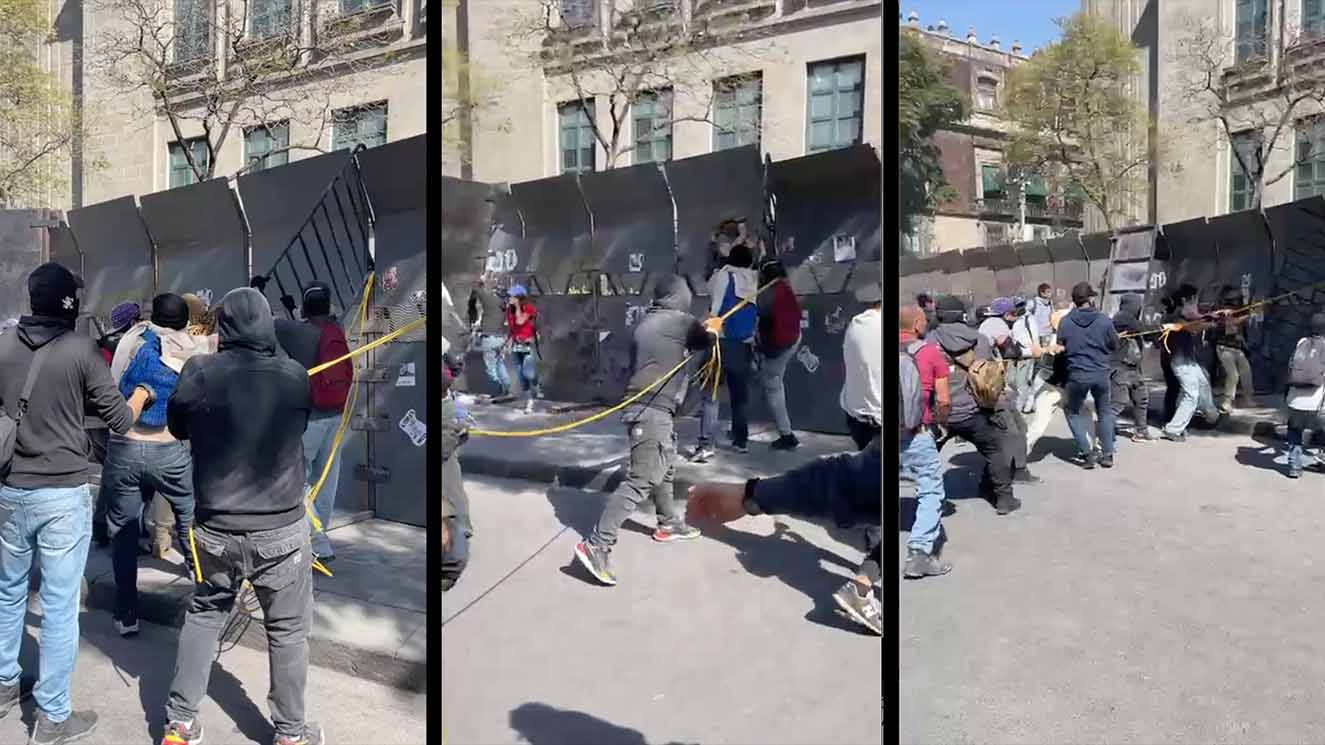
Injuries Reported as Emergency Services Respond
Medical teams treated numerous individuals for injuries ranging from cuts and bruises to more serious trauma caused by flying debris. Ambulances faced delays due to blocked roads and ongoing unrest.
Hospitals were placed on alert as officials warned that continued street clashes protests could lead to more severe casualties if the situation was not brought under control.
Impact on Residents and Daily Life
Residents living near protest zones described fear and disruption as violence unfolded outside their homes. Many stayed indoors as sirens echoed through the streets and authorities urged people to avoid affected areas.
For local communities, street clashes protests marked a shift from political expression to direct threat, leaving lasting anxiety and uncertainty about personal safety.
Businesses Close Amid Uncertainty
Shops and restaurants near demonstration sites closed early to protect staff and property. Public transportation routes were altered, and delivery services were suspended in several districts.
Business owners expressed concern that repeated incidents linked to street clashes protests could deter customers and deepen existing economic challenges.
Political Tensions Fuel the Unrest
Analysts pointed to deep political polarization as a key factor behind the violence. Supporters and opponents of various movements accused one another of provocation and bad faith.
The eruption of street clashes protests underscored how unresolved grievances and hardened positions can quickly spill into open conflict when rival groups confront each other directly.
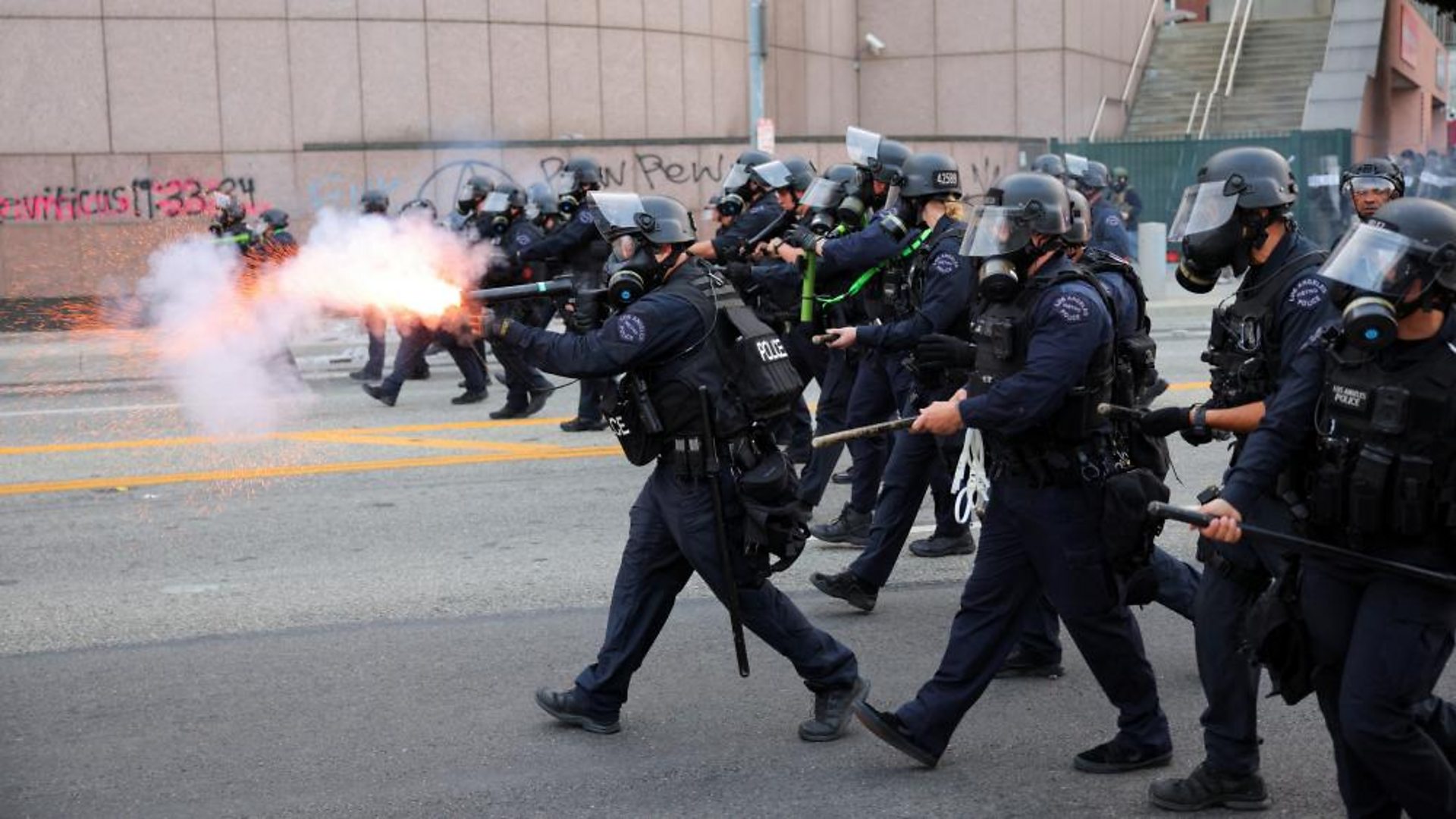
Role of Social Media in Escalation
Social media platforms played a central role in mobilizing participants and spreading updates from protest sites. Live videos and photos circulated rapidly, drawing more people to the scenes.
While these platforms increased awareness, they also amplified anger and misinformation. Footage showing street clashes protests intensified emotions and complicated efforts to calm the situation.
Calls for Calm from Community Leaders
Community leaders, religious figures, and civil organizations issued appeals for restraint. They urged participants to step back from violence and emphasized the importance of peaceful dialogue.
As tensions mounted, these leaders warned that continued street clashes protests would only deepen divisions and prolong instability.
Government Statements and Security Measures
Officials released statements condemning violence and reaffirming the right to peaceful protest. Authorities announced investigations into incidents of vandalism and assault linked to the clashes.
Additional security measures were introduced to prevent further street clashes protests, including increased patrols and temporary restrictions on large gatherings.
Broader Implications for Public Order
Experts warned that unmanaged rival demonstrations pose serious risks to public safety. Without effective separation strategies, future protests could descend into similar violence.
The events surrounding street clashes protests are expected to influence future policing tactics and protest regulations.
Economic and Social Consequences
Beyond immediate damage, the unrest carries longer term economic and social costs. Interrupted commerce, repair expenses, and emergency deployments strain local resources.
Observers noted that repeated street clashes protests could erode public confidence and discourage civic participation.
Psychological Toll on Communities
Mental health professionals emphasized the emotional impact of unrest on residents, particularly children and the elderly. Fear, stress, and uncertainty can linger long after streets are cleared.
The stress associated with street clashes protests may have lasting effects on community well being if support systems are not strengthened.
Historical Context of Similar Unrest
Analysts compared the current events to previous episodes where political polarization led to violent demonstrations. History shows that unresolved tensions often resurface in cycles.
The present wave of street clashes protests fits a familiar pattern seen in other periods of heightened division.
Challenges Facing Authorities
Authorities face the delicate task of maintaining order while respecting civil liberties. Heavy handed responses risk escalating tensions, while inaction can embolden violence.
Managing street clashes protests has become a critical test of institutional capacity and public trust.
Prospects for De Escalation
Some areas saw reduced tensions after mediators engaged with protest organizers. In certain districts, crowds dispersed peacefully as night fell.
Whether these efforts succeed depends on addressing grievances that fuel street clashes protests in the first place.
Responsibility of Protest Leaders
Observers emphasized the role of protest leaders in shaping outcomes. Clear messaging and restraint can prevent escalation, while inflammatory rhetoric can ignite violence.
The lessons of street clashes protests highlight the need for responsible leadership during moments of heightened emotion.
What Comes Next
Attention now turns to whether dialogue and reform efforts will follow the unrest. Public patience appears limited, and expectations for accountability are high.
How leaders respond after street clashes protests subside will shape public confidence moving forward.
Final Outlook on the Crisis
The violence serves as a stark reminder of how quickly demonstrations can spiral when tensions run high. Peaceful protest remains a vital democratic tool, but escalation carries heavy costs.
As cities recover, the experiences of street clashes protests will likely influence future approaches to public demonstrations, security planning, and political engagement.