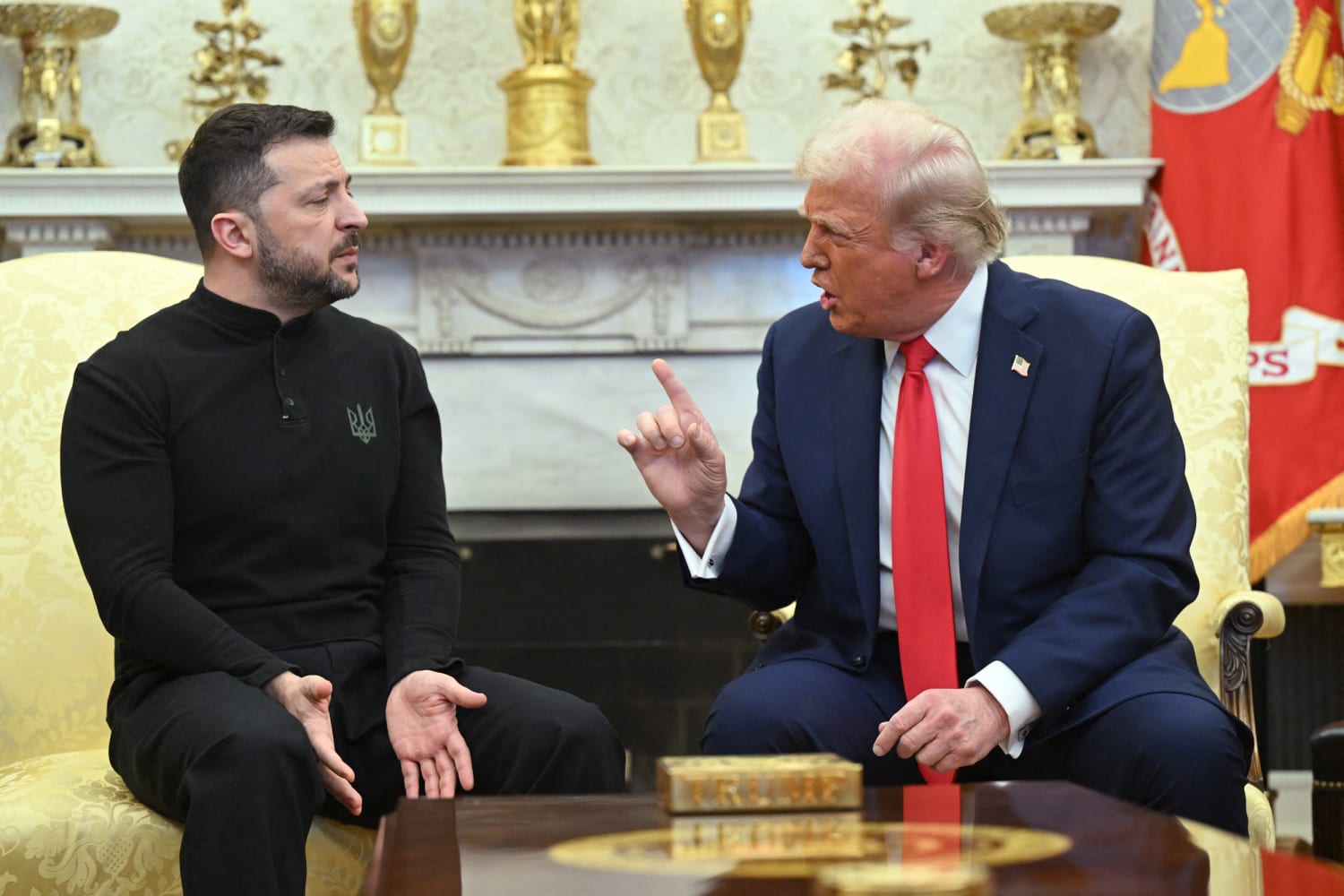
The ongoing Russia Ukraine war has pushed Ukraine diplomacy into one of its most challenging phases as President Volodymyr Zelenskyy prepares to meet with former United States President Donald Trump. The meeting comes at a time when battlefield developments remain fluid, civilian suffering continues, and international patience with prolonged conflict is wearing thin. For Kyiv, diplomacy is no longer a parallel effort to military defense but a central pillar of national survival.
This moment reflects the growing urgency to explore every available diplomatic channel. While traditional negotiations have failed to deliver a lasting breakthrough, Ukraine’s leadership is signaling that it cannot afford to ignore influential political figures who may shape future policy. The meeting underscores how Ukraine diplomacy has evolved into a multifaceted strategy that extends beyond conventional state to state engagement.
The Current State of the Russia Ukraine War
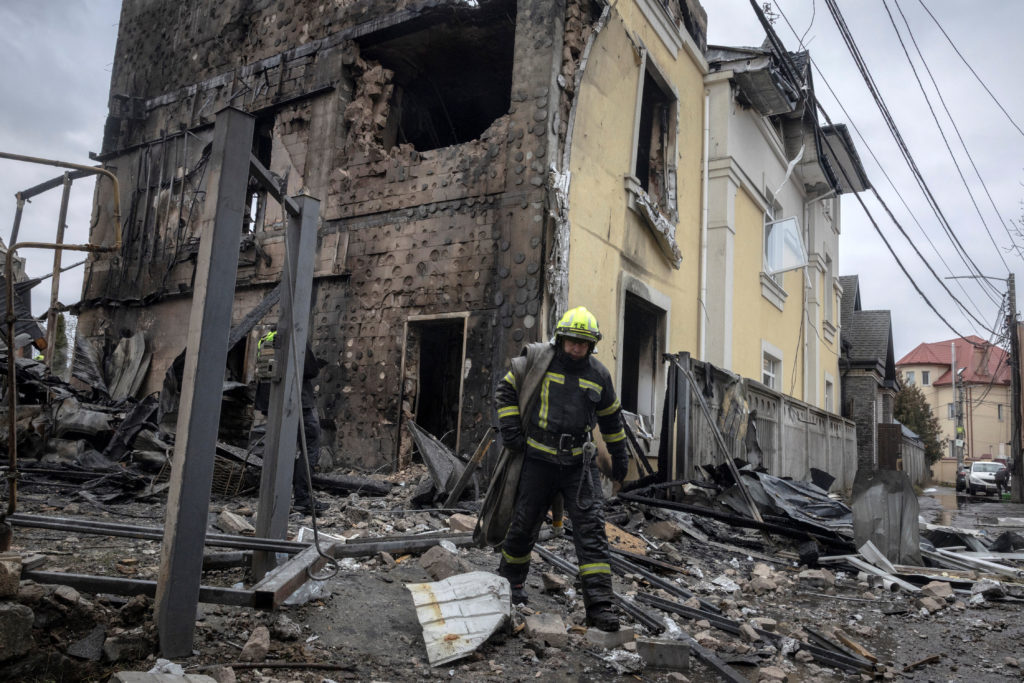
More than two years into the conflict, the war has settled into a grinding struggle marked by incremental territorial shifts and sustained attacks on infrastructure. Missile and drone strikes continue to target cities, while front line fighting drains resources on both sides. The humanitarian toll remains severe, with millions displaced and critical services under constant strain.
In this environment, Ukraine diplomacy faces enormous pressure to produce tangible results. Military resistance alone cannot secure long term stability, and diplomatic stagnation risks normalizing endless conflict. The urgency of the current moment has elevated diplomatic outreach to a national priority.
Why the Zelenskyy Trump Meeting Matters
The decision to engage Donald Trump is rooted in political reality. Trump remains a powerful figure in American politics, with the potential to influence future foreign policy decisions. By meeting him directly, Zelenskyy seeks to ensure Ukraine’s position is clearly understood by someone who could again shape United States engagement.
This outreach highlights the adaptive nature of Ukraine diplomacy. Rather than relying solely on current officeholders, Kyiv is engaging influential voices across the political spectrum to safeguard long term support and keep peace discussions alive.
Trump’s Influence on Peace Narratives
Trump has repeatedly claimed that he could negotiate an end to the war, statements that have drawn both skepticism and interest. While critics question the feasibility of such claims, supporters argue that unconventional approaches may be necessary when established diplomacy stalls.
As these narratives gain attention, Ukraine diplomacy must navigate carefully. Engaging Trump allows Ukraine to counter oversimplified solutions and reinforce the complexity of the conflict, ensuring that any peace proposal respects sovereignty and security.
Ukraine’s Evolving Diplomatic Strategy
Since the beginning of the war, Ukraine has pursued a dual track approach combining military defense with international engagement. Diplomatic efforts have focused on securing aid, maintaining sanctions, and building coalitions.
The current phase of Ukraine diplomacy reflects an expansion of that strategy. By exploring informal and unconventional channels, Kyiv aims to prevent diplomatic fatigue and keep the search for peace active even as formal talks remain stalled.
International Reactions to the Meeting
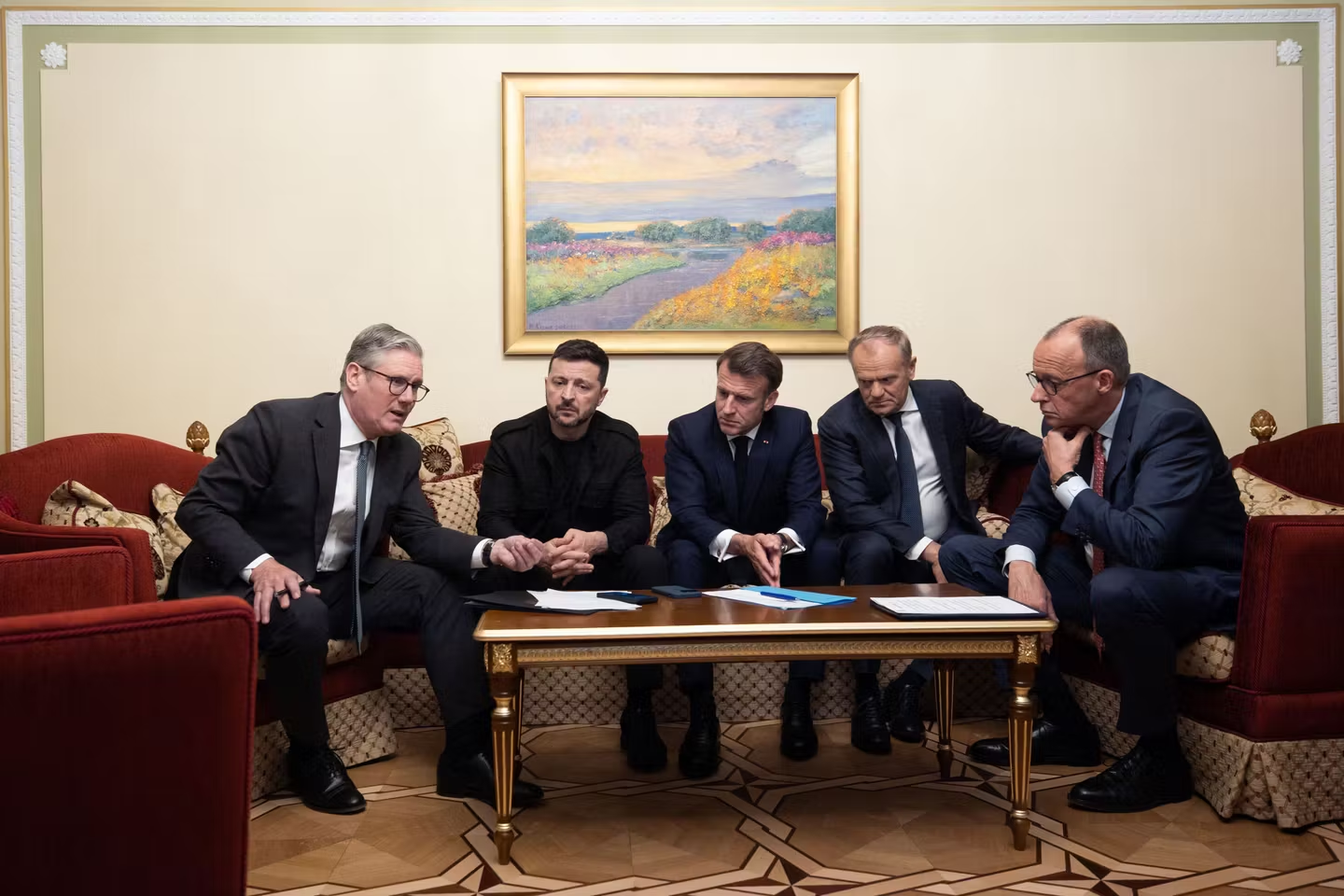
Allied responses to the planned meeting have been cautious but attentive. Some partners view the outreach as pragmatic, recognizing that diplomacy often requires engagement beyond formal institutions. Others emphasize the need for unity and coherence in messaging.
Despite differing views, Ukraine diplomacy continues to command broad international support. Allies remain committed to Ukraine’s sovereignty while acknowledging the need for creative approaches to conflict resolution.
Domestic Expectations in Ukraine
Within Ukraine, public opinion reflects both hope and apprehension. Many citizens welcome any effort that could shorten the war, but fears of premature compromise remain strong.
The success of Ukraine diplomacy depends partly on domestic trust. Zelenskyy must communicate clearly that dialogue does not mean concession, but rather a strategic effort to strengthen Ukraine’s position and reduce long term suffering.
The Role of the United States in the Conflict
The United States remains Ukraine’s most influential ally, providing military, financial, and political support. At the same time, domestic debates within the United States have intensified over the scale and duration of that support.
As Ukraine diplomacy intersects with American politics, Kyiv is working to ensure bipartisan understanding of its goals. Engaging figures like Trump reflects recognition that future policy may depend on shifting political dynamics.
Challenges Facing Peace Negotiations
Negotiations face significant obstacles, including deep mistrust, unresolved territorial issues, and ongoing hostilities. Each side remains wary of concessions that could be interpreted as weakness.
These realities complicate Ukraine diplomacy, making progress slow and uncertain. Yet history shows that even prolonged conflicts eventually require dialogue, often after years of incremental engagement.
Humanitarian Stakes of Diplomatic Efforts
Beyond geopolitics, the war’s human cost continues to mount. Civilians endure displacement, trauma, and economic hardship, while essential infrastructure struggles to recover.
Strengthening Ukraine diplomacy is seen as essential to reducing this suffering. Every diplomatic opening represents a chance, however small, to move closer to de escalation and relief for affected communities.
Media Attention and Global Pressure
Global media coverage has amplified the significance of the meeting, framing it as a potential turning point. Headlines emphasize both the symbolism and the uncertainty surrounding the talks.
This attention reinforces the importance of Ukraine diplomacy in shaping international perceptions. Public scrutiny can increase pressure on leaders to pursue solutions rather than allow the conflict to fade into the background.
Risks of Unconventional Diplomacy
Engaging outside traditional diplomatic frameworks carries risks, including misinterpretation and political backlash. Informal talks may create unrealistic expectations or complicate coordinated strategies.
Nevertheless, Ukraine diplomacy has reached a stage where calculated risks are unavoidable. When conventional avenues fail, innovation becomes a necessity rather than a choice.
Potential Outcomes of the Meeting
The meeting could remain exploratory, laying groundwork for future engagement. Alternatively, it could generate ideas that influence broader discussions among allies and partners.
Even without immediate breakthroughs, Ukraine diplomacy may benefit from renewed momentum. Diplomatic progress often emerges gradually, built on repeated engagement rather than single decisive moments.
Implications for European Security
The war has reshaped European security, prompting increased defense spending and reassessment of strategic priorities. Any movement toward peace would have significant implications for the continent.
As Ukraine diplomacy unfolds, European leaders are closely watching. Stability in Ukraine is increasingly viewed as central to long term regional security.
Global Security Considerations
Beyond Europe, the conflict has affected energy markets, food supplies, and global economic stability. Its resolution would have ripple effects across multiple regions.
The evolution of Ukraine diplomacy therefore matters far beyond national borders. It represents a test case for how the international community manages prolonged conflicts in a changing global order.
The Role of Unofficial Channels
Modern diplomacy often involves unofficial channels that complement formal negotiations. These channels can test ideas, reduce tensions, or open communication lines.
By engaging in such efforts, Ukraine diplomacy demonstrates adaptability. While unofficial talks do not replace formal agreements, they can prepare the ground for future breakthroughs.
Public Trust and Accountability
Restoring trust remains essential for diplomatic success. Citizens must believe that negotiations serve national interests and uphold core principles.
The credibility of Ukraine diplomacy depends on transparency and consistency. Clear communication helps prevent misinformation and maintains public support during uncertain negotiations.
Looking Ahead After the Meeting
Following the meeting, attention will shift to whether follow up discussions occur and how allies respond. Statements and actions will be scrutinized for signs of genuine progress.
The trajectory of Ukraine diplomacy in the coming months will depend on whether dialogue translates into sustained engagement and coordinated international action.
The planned meeting between Zelenskyy and Trump underscores the urgency of pursuing every possible diplomatic avenue. Ukraine diplomacy stands at a critical crossroads, balancing military realities with the hope that dialogue can eventually end a devastating war.
While the outcome remains uncertain, the willingness to engage reflects determination and resilience. The future of Ukraine diplomacy will shape not only Ukraine’s destiny, but also broader approaches to conflict resolution in an increasingly complex world.