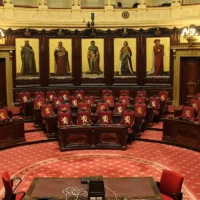

Belgium stands out as a complex federal state with notable strides toward governmental decentralization in recent decades. The questions of whether Belgium has passed laws to decentralize its government and what the impact and challenges of this decentralization touch on the heart of Belgian politics, fiscal management, and social cohesion.
- Decentralizing Governance in Belgium
- Legal Foundations of Decentralization in Belgium
- Fiscal Decentralization: Progress and Challenges
- Expenditure vs. Revenue Decentralization
- The Role of Transfers and Fiscal Coordination Mechanisms
- Impact of Recent Shocks on Fiscal Decentralization
- Policy Recommendations and Future Directions
- Has Belgium Passed Laws to Decentralize Its Government?
Decentralizing Governance in Belgium

Belgium’s government structure is unique due to its linguistic, cultural, and regional complexity. The country comprises three regions Flanders, Wallonia, and Brussels-Capital and three language-based communities Flemish, French, and German-speaking. This multiplicity has driven a long process of devolving power from the federal level to subnational entities to better reflect Belgium’s diverse identities and improve governance.
Since the 1970s, Belgium has progressively passed state reforms transferring significant legislative and fiscal powers from the federal government to regions and communities. These laws constitute a major decentralization effort, aiming to provide autonomy for subnational entities to manage issues closer to their populations, such as education, public works, and social policies.
Legal Foundations of Decentralization in Belgium
Belgium has undergone six state reforms over approximately five decades, each building on the previous in devolving authority. The latest significant legal framework was established in 2014 through the sixth state reform. This reform transferred more competencies and financial responsibilities to the regions and communities than ever before.
These reforms are enshrined in the Belgian Constitution and elaborated through cooperation agreements and fiscal arrangements that define the powers and responsibilities of federal and subnational governments. Through legislation, Belgian regions now have constitutional recognition and autonomy in key policy areas, with substantial control over expenditures and some tax revenues.
Fiscal Decentralization: Progress and Challenges
Belgium is among the most fiscally decentralized advanced economies. Fiscal decentralization involves transferring not just spending responsibilities but also revenue generation authority to lower levels of government. Between 2015 and 2019, Belgium made substantial progress in decentralizing fiscal responsibilities through legislation and reforms.
Expenditure vs. Revenue Decentralization
Despite advances, expenditure responsibilities have consistently outpaced the decentralization of revenue authority. By 2019, subnational governments in Belgium were responsible for approximately 46 percent of total government spending, while their own tax revenues accounted for only about 16 percent of total tax revenue. This imbalance creates a high vertical fiscal gap where subnational governments rely heavily on transfers from the federal level to finance their spending.
This gap poses challenges to fiscal discipline and efficiency. High reliance on grants and transfers may reduce subnational governments’ incentives to control spending and effectively raise own revenues, leading to moral hazard and inefficiencies.
The Role of Transfers and Fiscal Coordination Mechanisms
Belgium has implemented fiscal arrangements intended to manage intergovernmental transfers and equalization mechanisms. These arrangements redistribute funds between wealthier and less wealthy regions to maintain equity across the country. Flanders, for example, is a net contributor, financing transfers to Brussels and Wallonia, which receive more funds due to their lower per capita tax bases.
However, this system can complicate fiscal discipline and political relations between regions. The need for better coordination resulted in the 2013 Cooperation Arrangement, a legal framework meant to govern and align fiscal policies across federal and regional governments. Implementation of this agreement remains incomplete, and its full potential is yet to be realized.
Impact of Recent Shocks on Fiscal Decentralization

The COVID-19 pandemic and the energy crisis linked to geopolitical events have severely strained Belgium’s public finances. Increased spending needs and decreased revenues led to heightened fiscal deficits at both federal and subnational levels. The pandemic, in particular, exposed the limits of fragmented fiscal responsibility, underscoring the need for integrated and sustainable fiscal policies.
Debt levels increased, with regional and community governments experiencing rising deficits and borrowing, further complicating Belgium’s fiscal sustainability. These developments call for urgent and concerted policy actions to rationalize expenditures and improve revenue generation while preserving the benefits of decentralization.
Policy Recommendations and Future Directions
To safeguard fiscal and debt sustainability within Belgium’s decentralized governance framework, several policy measures are advised:
- Shared Fiscal Adjustment: Subnational governments should be integrated into overall fiscal consolidation plans, with spending limits applicable across all levels. A clear division of the fiscal adjustment burden between federal and regional governments would promote equity and discipline.
- Systematic Spending Reviews: Expanding and fully integrating spending reviews within budget processes at all government levels would improve efficiency and help prioritize expenditures based on results.
- Multi-Annual Fiscal Frameworks: Belgium needs strategic medium-term fiscal planning with well-substantiated budgets and multi-year trajectories to ensure coherent policy application and accountability.
- Implementing Cooperation Agreements: Fully activating frameworks like the 2013 Cooperation Arrangement is essential to harmonize budgetary policies, monitor compliance, and strengthen trust between governmental layers.
- Internalizing Overborrowing Costs: Mechanisms that require subnational governments to bear the full financial consequences of excessive borrowing would discourage imprudent fiscal behavior and foster long-term sustainability.
- Flexible Decentralization Pace: Authorities should carefully balance the pace and extent of further decentralization, ensuring federal capacities to manage macroeconomic stabilization and mitigate shocks remain intact.
- Incorporating Fiscal Goals in Structural Reforms: Reforms, particularly in pensions and labor markets, should be evaluated with clear fiscal targets and coordinated across all government levels to avoid unintended fiscal imbalances.
Has Belgium Passed Laws to Decentralize Its Government?
The answer is a firm yes. Belgium has passed multiple comprehensive legal reforms over the last five decades, culminating most recently with the 2014 sixth state reform. These laws have devolved significant legislative, administrative, and fiscal powers to regional and community governments.
However, decentralization remains a dynamic and complex process. While spending autonomy at the subnational level is among the highest globally, revenue decentralization lags behind, resulting in vertical fiscal imbalances. Managing these imbalances without sacrificing fiscal discipline and ensuring equitable development remains Belgium’s prime governance challenge.
Belgium’s experience exemplifies both the benefits and pitfalls of decentralization: improved local governance tailored to diverse populations, alongside complicated fiscal coordination and sustainability issues. Future policy success depends on stronger fiscal frameworks, intergovernmental cooperation, and prudent adjustment measures to uphold Belgium’s democratic and economic stability.
Dear reader,
Opinions expressed in the op-ed section are solely those of the individual author and do not represent the official stance of our newspaper. We believe in providing a platform for a wide range of voices and perspectives, even those that may challenge or differ from our own. We remain committed to providing our readers with high-quality, fair, and balanced journalism. Thank you for your continued support.