Global banking is at a turning point. For decades, financial institutions relied on legacy systems designed in an era where transactions moved slowly and markets closed overnight. Today, commerce operates continuously across borders, time zones, and currencies. Businesses expect instant settlement, lower fees, and complete transparency. Yet many banks still depend on outdated infrastructure that struggles to meet these demands.
To address these challenges, institutions are increasingly evaluating blockchain based solutions. One of the most discussed institutional frameworks is Ripple XRP banking, which focuses on improving payment efficiency without dismantling existing financial systems. This approach is not about speculation or consumer hype. It is about infrastructure, scale, and institutional reliability.
The Structural Limits of Traditional Banking
International banking relies heavily on correspondent relationships. When money moves from one country to another, it often passes through several intermediary banks. Each step introduces delay, cost, and risk. Settlement can take days, sometimes longer during holidays or geopolitical disruptions.
These inefficiencies affect everything from global trade to remittances. Large institutions managing billions in daily transactions face mounting pressure to modernize. Models such as Ripple XRP banking aim to reduce friction by simplifying how value is transferred between institutions.
Why Speed Matters in Modern Finance
In today’s economy, speed is no longer a luxury. Delayed settlement ties up capital, increases counterparty risk, and complicates cash flow management. For multinational corporations and banks alike, slow payments translate into higher operating costs.
Blockchain based settlement enables near real time processing. Systems built around Ripple XRP banking allow institutions to move value quickly while maintaining auditability and compliance.
Blockchain as Financial Infrastructure
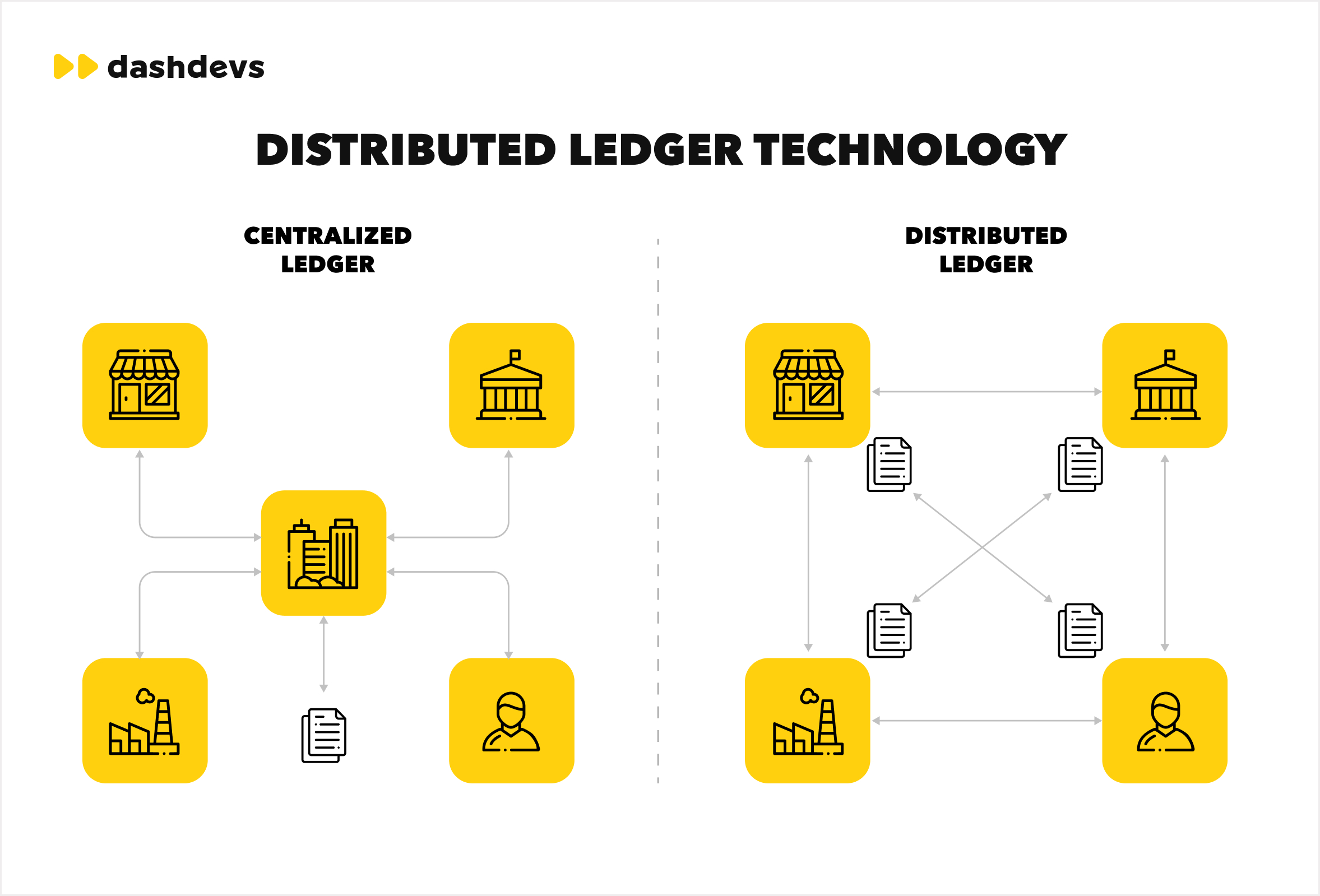
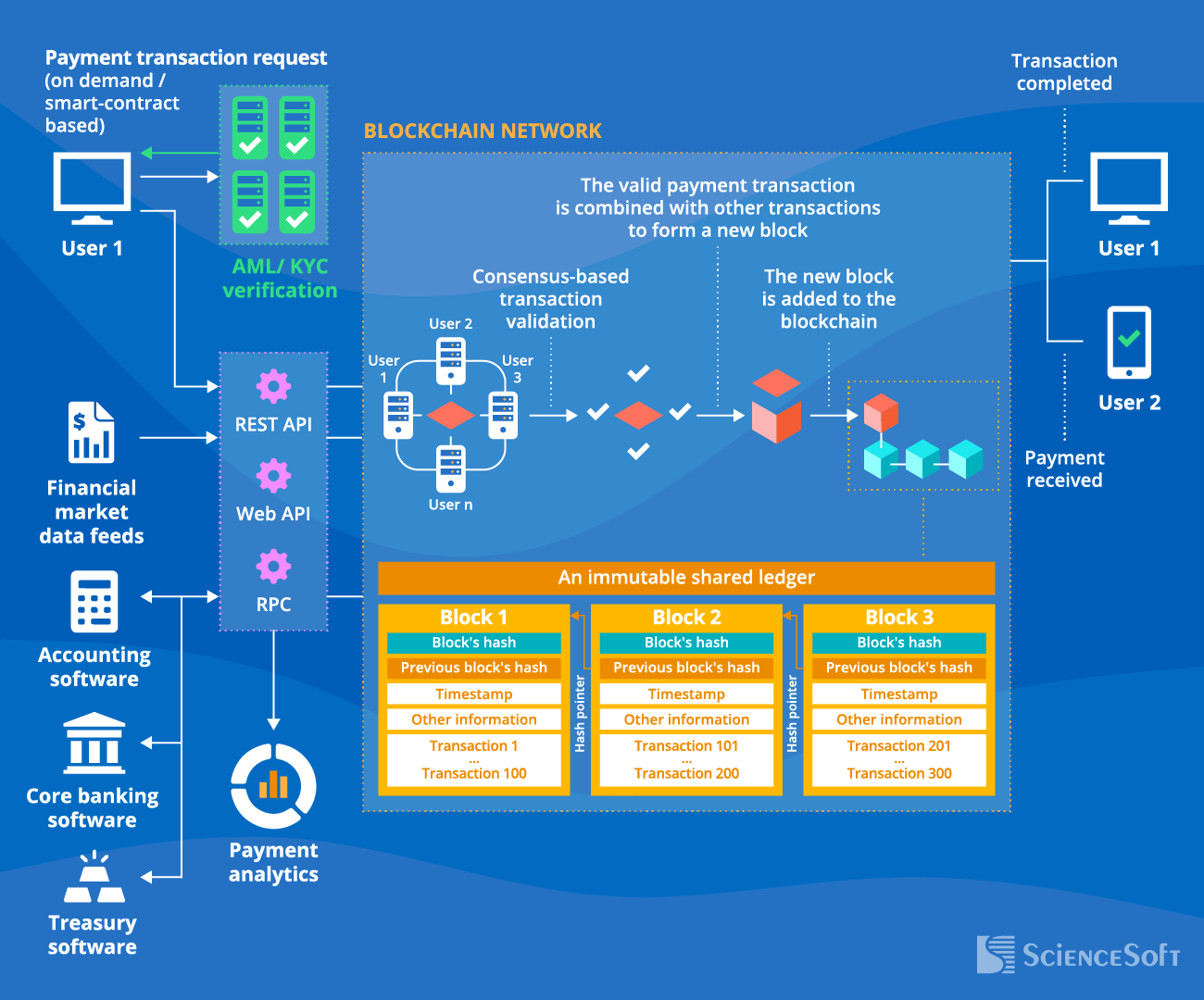
Blockchain technology functions as a distributed ledger shared among authorized participants. Transactions are validated, recorded, and permanently stored. This structure reduces errors, eliminates duplicate records, and minimizes manual reconciliation.
For institutions, blockchain is not about decentralization for its own sake. It is about efficiency and trust. Ripple XRP banking represents an enterprise focused application of blockchain rather than a retail driven experiment.
Liquidity Challenges in Global Payments
Liquidity management is one of the most expensive aspects of international banking. To support cross border transactions, banks often maintain pre funded accounts in foreign currencies. These dormant funds cannot be used elsewhere, reducing capital efficiency.
By enabling on demand liquidity, Ripple XRP banking helps institutions reduce reliance on pre funding and unlock trapped capital.
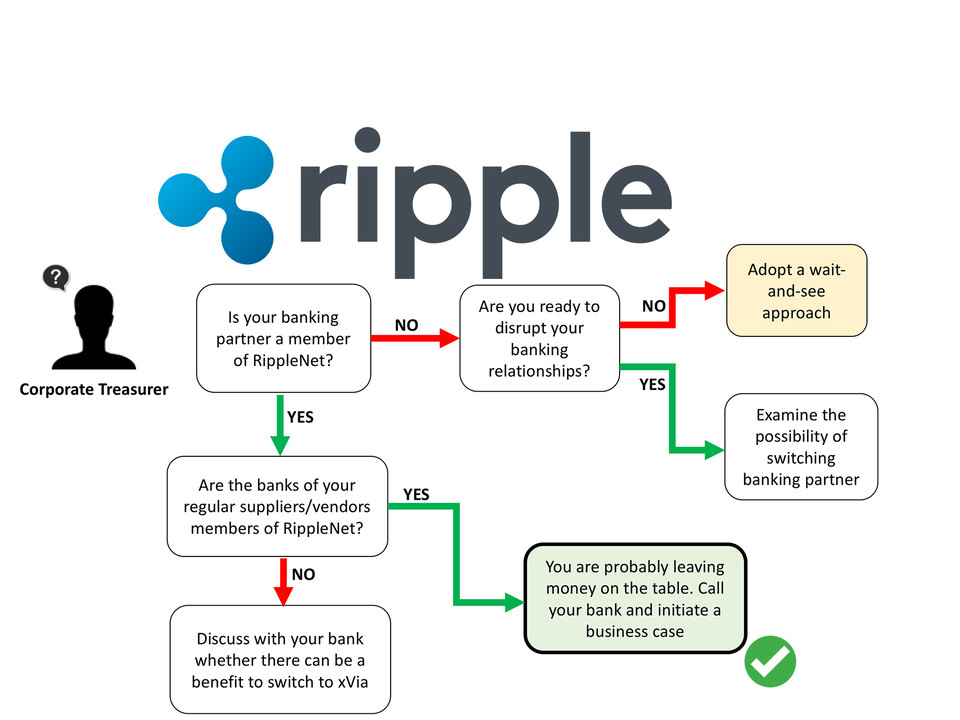
Understanding Institutional Settlement Flow
In legacy systems, settlement often occurs after the transaction itself. This separation creates risk and delay. Blockchain based models settle transactions as they occur, reducing uncertainty.
The structure behind Ripple XRP banking supports synchronized transaction and settlement, aligning accounting records across institutions instantly.
Cost Pressures Facing Financial Institutions
Operational costs in banking continue to rise. Compliance, reconciliation, and error resolution consume significant resources. At the same time, customers demand lower fees and faster service.
Automation enabled by Ripple XRP banking reduces manual processes and operational overhead while improving accuracy.
Cross Border Trade and Payment Reliability
Global trade depends on predictable payments. Delays in settlement can disrupt supply chains and strain commercial relationships. Small inefficiencies become large problems when scaled across international markets.
Institutions using Ripple XRP banking benefit from faster settlement cycles, improving reliability for importers exporters and financial intermediaries.
Security and Trust in Financial Systems
Trust is the foundation of banking. Institutions must ensure transactions are secure, verifiable, and resistant to tampering. Blockchain ledgers provide immutability, meaning records cannot be altered once confirmed.
The framework supporting Ripple XRP banking enhances trust while maintaining governance controls required by regulated institutions.
Regulatory Compliance and Oversight
No banking innovation succeeds without regulatory approval. Financial authorities require transparency, reporting, and auditability. Blockchain systems must align with these expectations.
Designs associated with Ripple XRP banking emphasize traceability and monitoring, making them more compatible with regulatory frameworks.
Institutional Adoption Trends
Banks and payment providers across multiple regions are testing blockchain settlement solutions. Pilot programs focus on performance, compliance, and scalability rather than publicity.
The growing interest in Ripple XRP banking reflects a broader institutional shift toward digital infrastructure modernization.
Impact on Emerging Economies
Emerging markets often face high transaction fees and slow settlement times. These inefficiencies hinder trade and remittances.
Through Ripple XRP banking, institutions can deliver faster and more affordable payment services while maintaining regulatory standards.
Financial Inclusion and Access
While the primary focus is institutional, improved payment infrastructure indirectly benefits consumers. Faster settlement and lower costs can expand access to financial services.
Models like Ripple XRP banking support broader inclusion by reducing barriers within the global financial system.
Risk Management and Governance
Adopting new infrastructure requires robust risk management. Institutions must assess technological, regulatory, and market risks carefully.
Governance frameworks around Ripple XRP banking emphasize controlled adoption rather than rapid disruption.
Strategic Advantages for Institutions
Institutions that modernize payment systems gain competitive advantages. Faster settlement improves customer satisfaction and operational efficiency.
The strategic appeal of Ripple XRP banking lies in its ability to enhance performance without destabilizing existing systems.
Market Perception and Institutional Confidence
Institutional adoption sends strong signals to the market. When banks test or deploy new infrastructure, it reflects confidence in long term viability.
The expanding discussion around Ripple XRP banking underscores growing institutional confidence in blockchain solutions.
Long Term Effects on Global Finance
As real time settlement becomes more common, traditional clearing delays may gradually disappear. This shift could redefine liquidity management and capital allocation.
The continued evolution of Ripple XRP banking may play a role in reshaping global financial architecture.
Technology Integration Challenges
Integrating blockchain with legacy systems requires careful planning. Institutions must ensure compatibility, security, and staff training.
Despite these challenges, Ripple XRP banking is designed to integrate rather than replace existing infrastructure.
Competitive Landscape
Multiple blockchain solutions compete for institutional adoption. Each emphasizes different strengths such as privacy, scalability, or decentralization.
What differentiates Ripple XRP banking is its focus on interoperability and enterprise readiness.
Future Outlook for Institutional Blockchain
Blockchain adoption in banking is progressing steadily. Institutions prefer gradual implementation backed by data and regulatory clarity.
The future of Ripple XRP banking will depend on performance at scale, regulatory alignment, and sustained institutional trust.
The transformation of global banking is no longer theoretical. Institutions are actively seeking solutions that improve speed, transparency, and cost efficiency.
By addressing long standing inefficiencies in cross border payments, Ripple XRP banking represents a pragmatic step toward a more efficient and resilient global financial system.