
An intense international debate has emerged after a senior humanitarian leader sharply criticized how a recent military incident in Nigeria was described by political figures. At the center of the controversy is the Nigeria strike narrative, which humanitarian organizations say downplays civilian suffering and simplifies a deeply complex security environment. The comments, attributed to statements linked to Donald Trump, triggered strong reactions from non governmental organizations working in conflict affected regions of the country.
For aid groups operating on the ground, language matters as much as policy. The way violence is described influences public opinion, shapes diplomatic relationships, and can determine whether victims receive justice or are forgotten. This article explores why the Nigeria strike narrative has become so contentious, what humanitarian leaders are demanding, and why accuracy and restraint are essential when discussing military operations involving civilians.
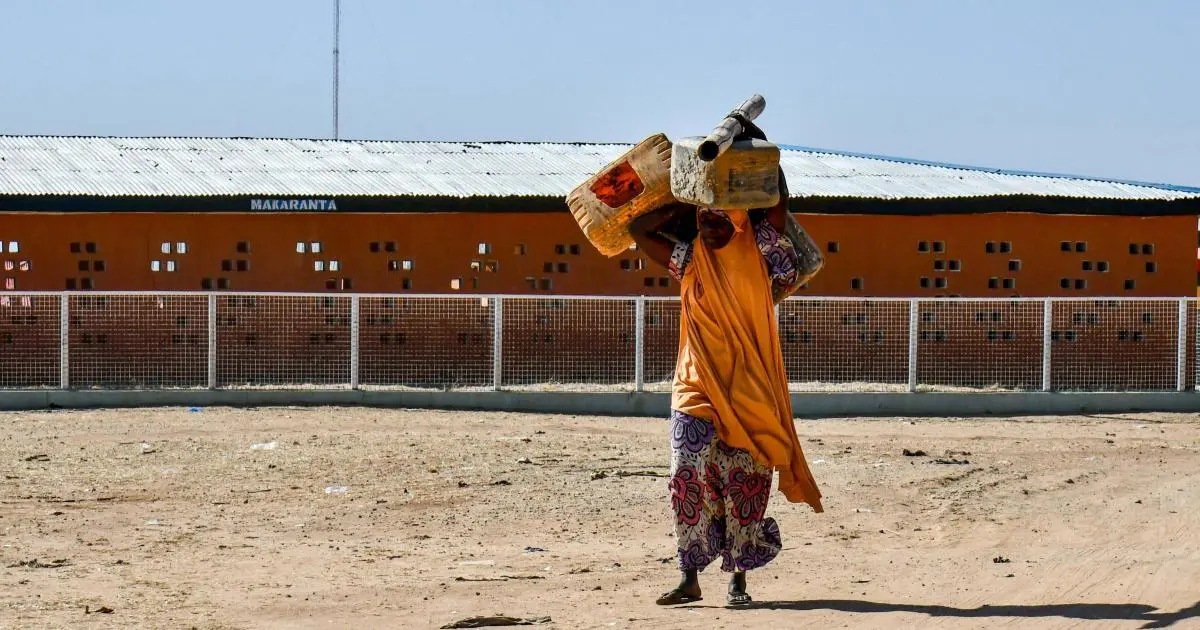
Nigeria’s Ongoing Security Crisis
Nigeria has faced prolonged instability driven by insurgent groups, communal violence, and cross border threats. Military operations are frequent, particularly in rural regions where armed groups operate alongside civilian populations. While security forces argue that air operations are necessary to counter threats, humanitarian agencies repeatedly warn that civilians often bear the consequences.
In recent years, reports of mistaken targeting, flawed intelligence, and inadequate post strike assessments have raised serious concerns. Against this backdrop, the Nigeria strike narrative presented to international audiences becomes critically important. When events are framed too narrowly, they risk ignoring the broader humanitarian cost experienced by ordinary people.
The Incident That Sparked Criticism
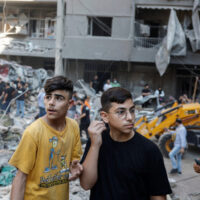
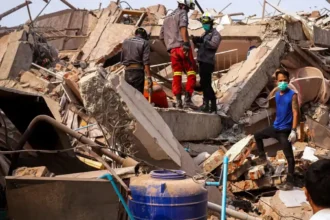
The latest controversy stems from a reported military strike that allegedly targeted militant positions but resulted in civilian casualties. While official investigations are still underway, early accounts from residents and aid workers describe damaged homes, displacement, and fear of further attacks.
Humanitarian organizations argue that premature political commentary shaped the Nigeria strike narrative before facts were verified. According to NGO leaders, this rush to judgment not only undermines investigations but also silences victims whose experiences contradict official claims.
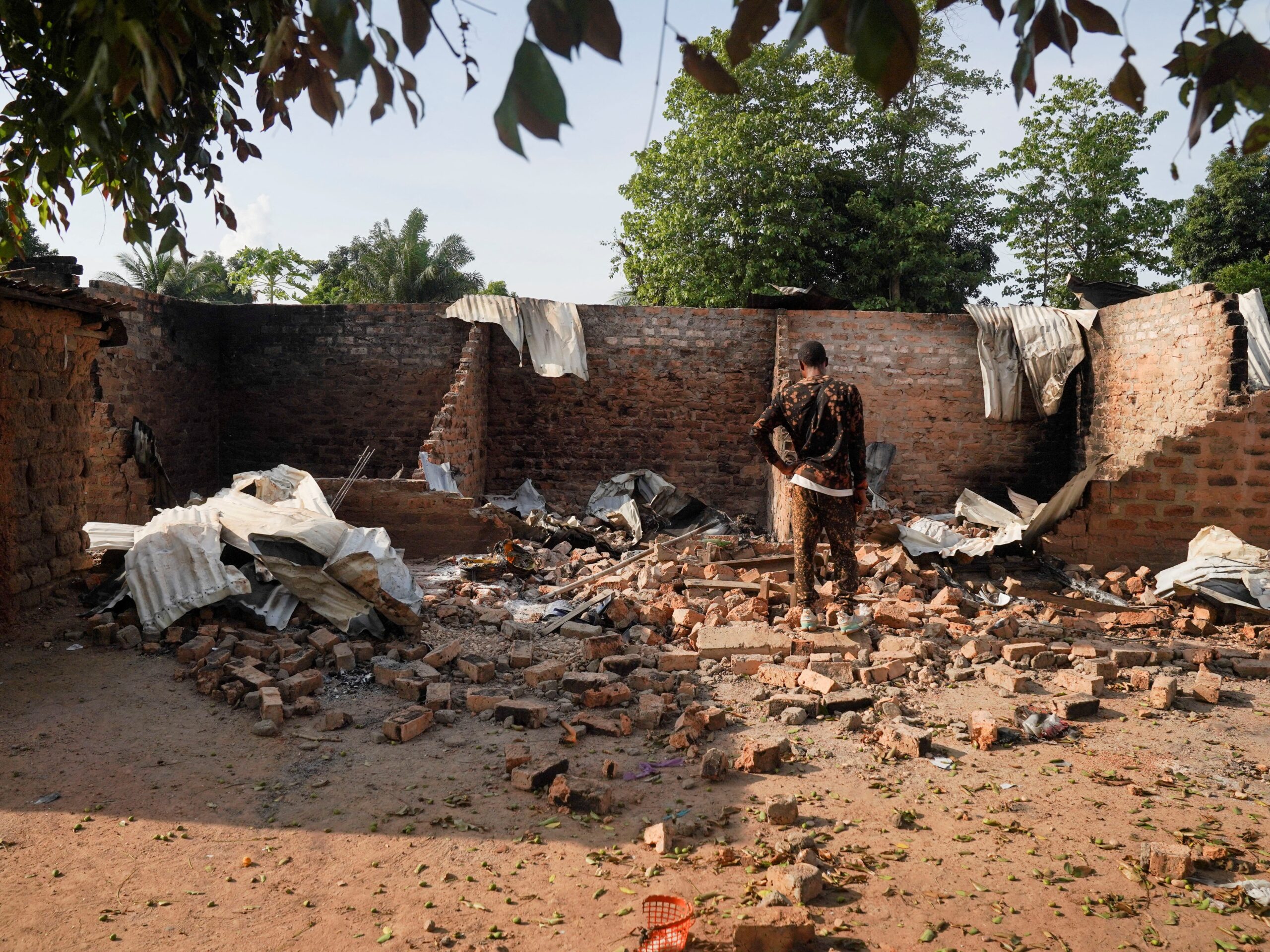
NGO Chief Speaks Out
The head of a major humanitarian organization publicly condemned what they described as a misleading portrayal of the strike. The NGO chief emphasized that presenting military action as clean or decisive without acknowledging civilian harm erodes trust.
Key concerns raised included:
- Civilian casualties were not adequately acknowledged
- Independent verification was bypassed
- The Nigeria strike narrative favored political messaging over facts
Aid groups stress that such narratives can legitimize harmful practices and reduce accountability, particularly in regions where communities already feel marginalized.
Why Narrative Framing Matters
In conflict zones, narratives influence more than headlines. They affect funding decisions, diplomatic responses, and even the safety of aid workers. A distorted Nigeria strike narrative can discourage donors from supporting humanitarian operations if they believe civilian harm is minimal or exaggerated.
NGOs warn that when powerful figures speak without verified information, misinformation spreads rapidly. Once embedded in public discourse, inaccurate narratives are difficult to reverse, even when evidence emerges later.
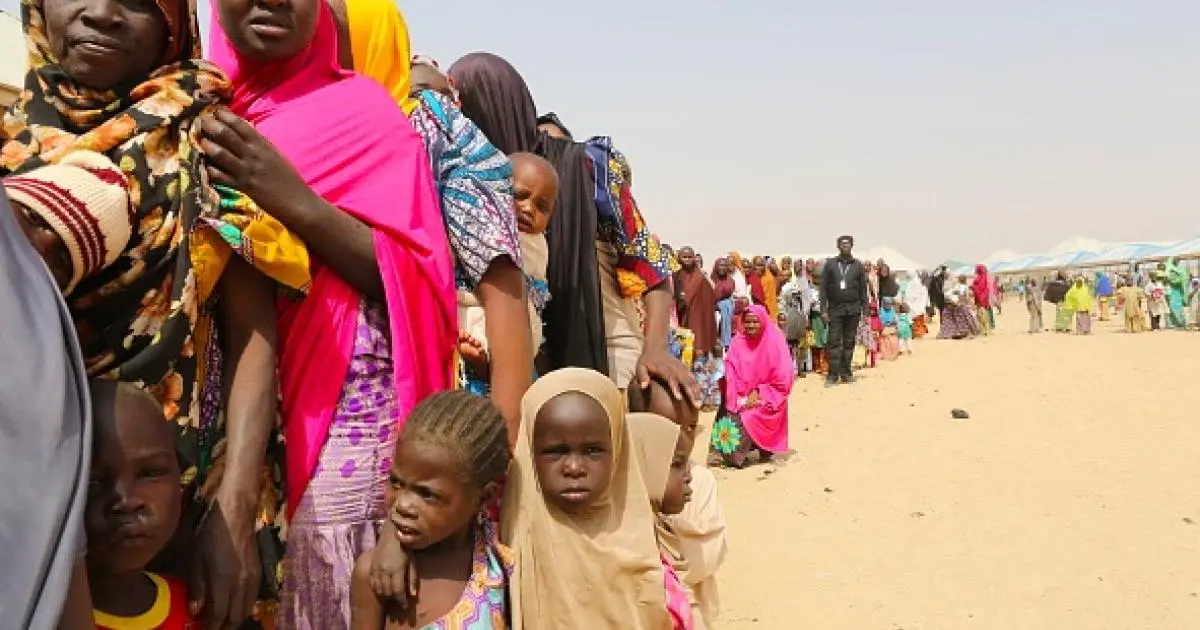
Civilian Impact on the Ground
For families living near conflict zones, the consequences of airstrikes are immediate and devastating. Residents report fleeing their homes, losing livelihoods, and struggling to access basic services. Children are particularly vulnerable, facing trauma and disrupted education.
Aid workers describe arriving in villages where people feel invisible to the outside world. A one sided Nigeria strike narrative deepens this sense of abandonment by suggesting that civilian suffering is collateral or insignificant.
Humanitarian groups are calling for:
- Immediate humanitarian access
- Transparent casualty reporting
- Long term support for displaced communities
The Risk of Oversimplification
Security challenges in Nigeria are real and complex. Armed groups exploit civilian areas, making military responses difficult. However, NGOs argue that complexity should not excuse oversimplification.
A responsible Nigeria strike narrative must recognize both the security threat and the obligation to protect civilians. Ignoring either dimension fuels cycles of violence and mistrust.
International and Diplomatic Implications
Global reactions to political statements about military actions are swift. Allies, international organizations, and donor countries assess such remarks carefully. NGO leaders warn that an inaccurate Nigeria strike narrative can strain diplomatic ties and complicate cooperation on humanitarian and security initiatives.
When international partners perceive inconsistencies between political statements and field reports, confidence erodes. This can delay aid, disrupt coordination, and ultimately harm civilians most.
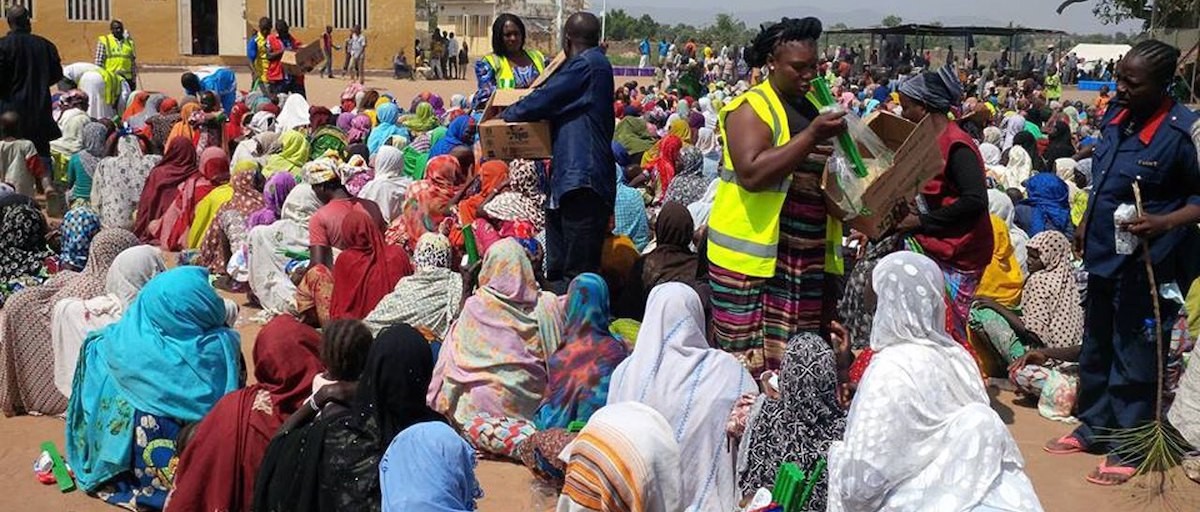
Calls for Independent Investigations
Humanitarian organizations consistently emphasize the need for independent investigations following military incidents. Accountability, they argue, begins with credible fact finding.
An evidence based Nigeria strike narrative should include:
- Satellite imagery and forensic analysis
- Testimonies from affected residents
- Assessments by neutral observers
Only through transparency can responsibility be determined and future mistakes prevented.
Role of NGOs in Conflict Zones
NGOs often serve as the primary source of verified information from remote areas. Their staff live and work alongside affected communities, documenting impacts that may never reach official channels.
By challenging the prevailing Nigeria strike narrative, NGOs reaffirm their role as guardians of civilian voices. Their goal is not political opposition, but ensuring that human lives remain central to security discussions.
Media Responsibility and Ethical Reporting
Journalists play a crucial role in shaping public understanding of conflicts. Repeating unverified claims risks amplifying misinformation. Media outlets are urged to cross check political statements with independent sources.
When coverage reinforces a flawed Nigeria strike narrative, it can normalize civilian harm and reduce pressure for accountability. Ethical reporting demands context, skepticism, and empathy.
Balancing Counterterrorism and Human Rights
Nigeria’s fight against armed groups requires decisive action, but international humanitarian law sets clear boundaries. NGOs acknowledge the challenges faced by security forces while insisting that civilian protection is non negotiable.
A balanced Nigeria strike narrative recognizes the legitimacy of security concerns without erasing civilian suffering. This balance is essential for long term stability and trust.
Voices from Affected Communities
Residents affected by the strike describe fear, confusion, and anger. Many say they were never consulted or informed before operations occurred. Their testimonies often contradict official accounts, highlighting gaps in the dominant Nigeria strike narrative.
Community leaders emphasize the need for dialogue, compensation, and acknowledgment of harm. Without these steps, resentment grows and instability deepens.
Looking Forward
As investigations continue, humanitarian leaders hope the controversy will encourage more cautious and responsible discourse. They urge political figures to wait for verified facts before shaping public opinion.
The Nigeria strike narrative should evolve with evidence, not political convenience. Doing so would demonstrate respect for victims and strengthen international credibility.
The criticism leveled by NGO leadership highlights the profound consequences of how conflicts are described. Narratives crafted without evidence or empathy risk real world harm. In Nigeria, where civilians already endure immense hardship, accuracy is not optional.
By challenging the Nigeria strike narrative, humanitarian voices call for accountability, transparency, and respect for human life. Their message is clear: security strategies must never come at the cost of truth or humanity.