The global digital censorship debate has reached a critical moment as governments, courts, and technology platforms struggle to define the limits of online speech. A recent US court ruling blocking the detention of a British free speech campaigner has reignited worldwide discussion over how far states should go in regulating digital expression. What was once a technical policy issue has now become a defining question for modern democracy.
As billions of people rely on digital platforms for news, communication, and political engagement, decisions about speech moderation affect societies at every level. The digital censorship debate is no longer confined to legal experts or policymakers. It now touches journalists, activists, businesses, and ordinary users who depend on open digital spaces to participate in civic life.
How the Digital Age Changed Speech Forever
The rise of the internet fundamentally transformed how speech works. Ideas that once spread slowly through print or broadcast media now travel instantly across borders. A single post can reach millions within minutes.
This transformation lies at the heart of the digital censorship debate. Laws designed for national media systems struggle to keep pace with global platforms. Governments are attempting to apply traditional regulatory frameworks to a communication system that operates beyond borders, jurisdictions, and timelines.
Why Governments Push for Online Controls
Governments argue that regulation is necessary to address serious online harms. Misinformation, hate speech, extremist recruitment, and coordinated disinformation campaigns are cited as threats to public safety and democratic stability.
Supporters of regulation say the digital censorship debate must acknowledge these dangers. They argue that unregulated platforms can amplify harmful content faster than societies can respond, creating real world consequences that justify intervention.
Concerns About Overreach and Abuse
Critics counter that censorship laws are often vague and easily abused. Once governments gain authority to restrict speech, that power can expand beyond its original purpose.
The digital censorship debate is fueled by fear that regulations designed to stop harm may instead silence dissent, whistleblowers, or unpopular opinions. Civil liberties advocates warn that history shows censorship powers rarely remain limited once established.
The Role of Courts in Defending Expression
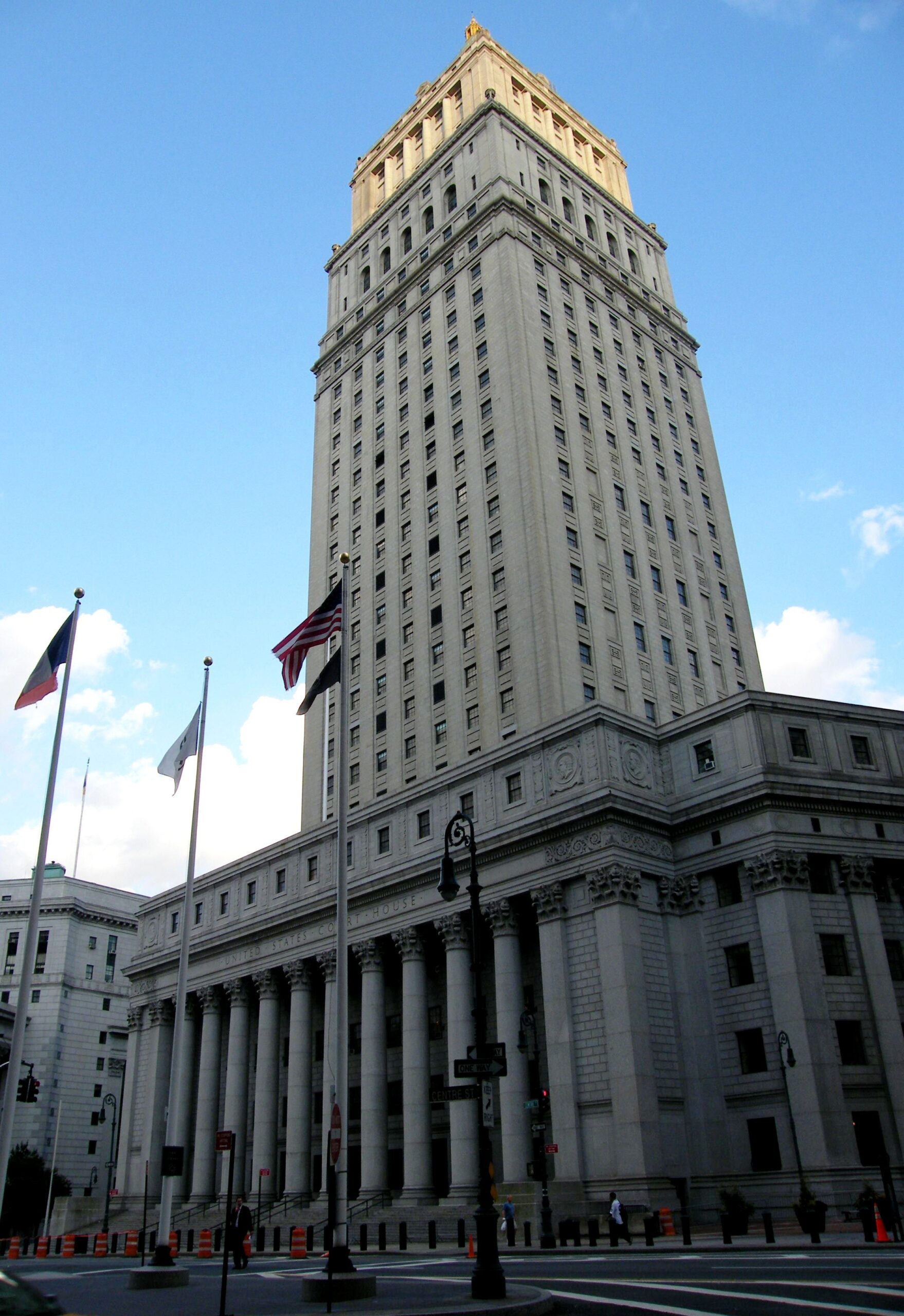
Courts have become central players in the digital censorship debate. Judges are increasingly asked to decide whether government actions violate constitutional protections or international human rights standards.
The recent US ruling emphasized that actions tied to expressive activity require careful scrutiny. Legal experts say such decisions reinforce the idea that digital speech deserves the same protections as traditional forms of expression.
Social Media Platforms as Gatekeepers
Technology companies now act as powerful gatekeepers of speech. Their policies determine what content is removed, promoted, or hidden.
This reality complicates the digital censorship debate. While platforms are private companies, their decisions shape public discourse on a scale once reserved for governments. Critics argue that this concentration of power lacks transparency and accountability.
Algorithmic Moderation and Its Risks
To manage massive volumes of content, platforms rely heavily on automated moderation systems. Algorithms scan posts for violations and remove content at scale.
The digital censorship debate increasingly focuses on these systems. Automated tools often lack context, leading to false removals and suppressed lawful speech. Users frequently have limited recourse when their content is flagged, raising due process concerns.
Cross Border Speech and Legal Conflicts
Digital speech rarely stays within one country. Content legal in one jurisdiction may violate laws in another.
This creates complex challenges within the digital censorship debate. Governments seek cooperation across borders, but activists warn that international legal mechanisms can be misused to target speech that would otherwise be protected domestically.
Human Rights Frameworks and Online Speech
International human rights standards recognize freedom of expression as a cornerstone of democratic society. Restrictions are permitted only when necessary, proportionate, and clearly defined.
Human rights organizations argue that the digital censorship debate must remain grounded in these principles. They caution that broad or poorly defined laws risk undermining rights that took generations to establish.
Public Opinion and Divided Societies
Public attitudes toward online regulation are deeply divided. Some citizens demand stronger controls to combat harmful content, while others fear creeping authoritarianism.
This division intensifies the digital censorship debate. Policymakers face pressure from competing groups, often leading to inconsistent or reactive legislation that satisfies no one fully.
Impact on Journalism
Journalists rely heavily on digital platforms to gather information and reach audiences. Restrictions on online speech can limit investigative reporting and public accountability.
Media organizations warn that the digital censorship debate has direct consequences for press freedom. Fear of legal repercussions may encourage self censorship, weakening the watchdog role of journalism.
Activism in the Digital Era
Digital platforms have empowered activists to organize, mobilize, and challenge authority. Online campaigns have driven social change across the world.
The digital censorship debate raises concerns that increased regulation could disproportionately affect activists, particularly those criticizing powerful institutions. Advocates argue that democratic societies must protect digital spaces for dissent.
Economic and Innovation Considerations
Regulation also carries economic implications. Startups and technology firms worry that complex or restrictive rules could stifle innovation.
Within the digital censorship debate, business leaders argue that unclear regulations discourage investment and slow technological progress. Policymakers must balance safety concerns with economic competitiveness.

Historical Parallels
New communication technologies have always sparked regulatory debates. The printing press, radio, and television all faced attempts at control.
The digital censorship debate follows this historical pattern but on a much larger scale. Unlike earlier technologies, digital platforms enable constant, global interaction, magnifying both opportunity and risk.
Political Ramifications
Online speech regulation has become a major political issue. Elections, protests, and policy debates increasingly unfold on digital platforms.
The digital censorship debate influences legislative agendas and voter perceptions. Court rulings can shift political momentum, forcing lawmakers to revisit existing laws or propose reforms.
Education and Digital Literacy
Some experts argue that education offers a better solution than censorship. Teaching users how to evaluate information critically may reduce harm without restricting speech.
This perspective is gaining traction in the digital censorship debate. Digital literacy programs aim to empower citizens rather than control content, preserving freedom while addressing misinformation.
Authoritarian Models of Internet Control
Observers note that some governments use digital regulation to suppress dissent and monitor citizens. These models raise alarm among democracies.
The digital censorship debate includes concern that restrictive practices could spread globally, normalizing surveillance and control under the banner of safety or stability.
What the Recent Court Ruling Signals
The recent US court decision signals judicial caution. By blocking detention connected to expressive activity, the court reaffirmed strong protections for speech.
Many analysts view this moment as a key development in the digital censorship debate, reminding governments that constitutional limits still apply in the digital realm.
Future Legal Battles Ahead
Legal uncertainty remains high. Courts around the world are likely to see more cases testing the boundaries of digital regulation.
Experts predict that the digital censorship debate will increasingly be shaped by judicial interpretation as lawmakers struggle to keep pace with technological change.
Balancing Safety and Liberty
The central challenge remains balancing public safety with individual liberty. Regulation can prevent harm, but excessive control risks silencing legitimate voices.
The digital censorship debate is ultimately about finding that balance. Democracies must ensure security without sacrificing the freedoms that define them.
What Comes Next
As technology evolves, so too will the debate. Governments, courts, platforms, and citizens will continue to clash over responsibility and rights.
The digital censorship debate is unlikely to be resolved quickly. Instead, it will require ongoing dialogue, transparent policy making, and vigilant defense of fundamental freedoms.
The digital censorship debate stands at the center of modern democratic life. As societies confront the challenges of online harm and misinformation, the temptation to regulate aggressively grows stronger. Yet the recent court ruling underscores the enduring importance of free expression and judicial oversight.
How governments choose to navigate the digital censorship debate will shape the future of the internet and the health of democracy itself. Protecting open discourse while addressing genuine risks remains one of the defining challenges of the digital age.