The crisis unfolding across Nigeria’s northwest has become one of the most serious yet widely misunderstood security challenges in West Africa. The reality of northwest Nigeria insecurity extends far beyond headlines and simplified narratives. Entire communities are struggling under the weight of violence displacement and fear as criminal networks expand their reach into rural and semi urban areas.
For millions of residents daily life is shaped by uncertainty. Farming trading education and healthcare are all disrupted as insecurity limits movement and access to basic services. Understanding the true nature of the crisis is essential for crafting solutions that protect civilians and restore stability.
How the Crisis Took Root
The origins of the current instability can be traced to years of unresolved local conflicts over land cattle grazing routes and water access. What began as small scale disputes gradually escalated as weapons became more available and state presence weakened in remote areas.
Over time armed groups organized themselves into loose networks operating from forested regions. These groups found opportunities in weak governance and poor infrastructure allowing the situation to evolve into today’s northwest Nigeria insecurity crisis.
Criminal Banditry as the Primary Driver
Security experts consistently point to banditry as the dominant force behind the violence. Armed groups engage in kidnapping for ransom cattle rustling and extortion targeting villages highways and schools.
Religion ideology or ethnicity play little role in selecting victims. Instead attacks are driven by opportunity and profit. This distinction is crucial because misidentifying the threat leads to ineffective responses that fail to address the real drivers of northwest Nigeria insecurity.
Impact on Rural Communities
Rural areas suffer the most severe consequences. Farmers abandon fields after repeated attacks reducing food production and worsening poverty. Markets close early or shut down entirely as traders fear ambushes on roads.
Families are forced to flee with little notice joining growing numbers of internally displaced people. Children miss months or even years of schooling deepening the long term impact of northwest Nigeria insecurity on human development.
Humanitarian Fallout and Displacement
The humanitarian situation continues to deteriorate as displacement strains already limited resources. Shelters are overcrowded clean water is scarce and access to healthcare is inconsistent.
Aid workers report rising malnutrition especially among children and pregnant women. While emergency assistance is vital humanitarian groups stress that long term solutions must address the underlying causes of northwest Nigeria insecurity rather than only its symptoms.
Interfaith and Community Relations
Despite persistent violence many communities maintain strong interfaith relationships. Christians Muslims and traditional belief holders often live side by side sharing the same risks and losses.
Local leaders warn that mischaracterizing the crisis can damage this fragile unity. They emphasize that criminal violence threatens everyone equally and that community cohesion is one of the strongest defenses against northwest Nigeria insecurity.
Government Response and Security Operations
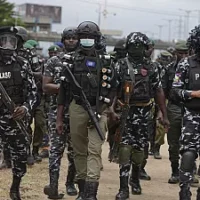
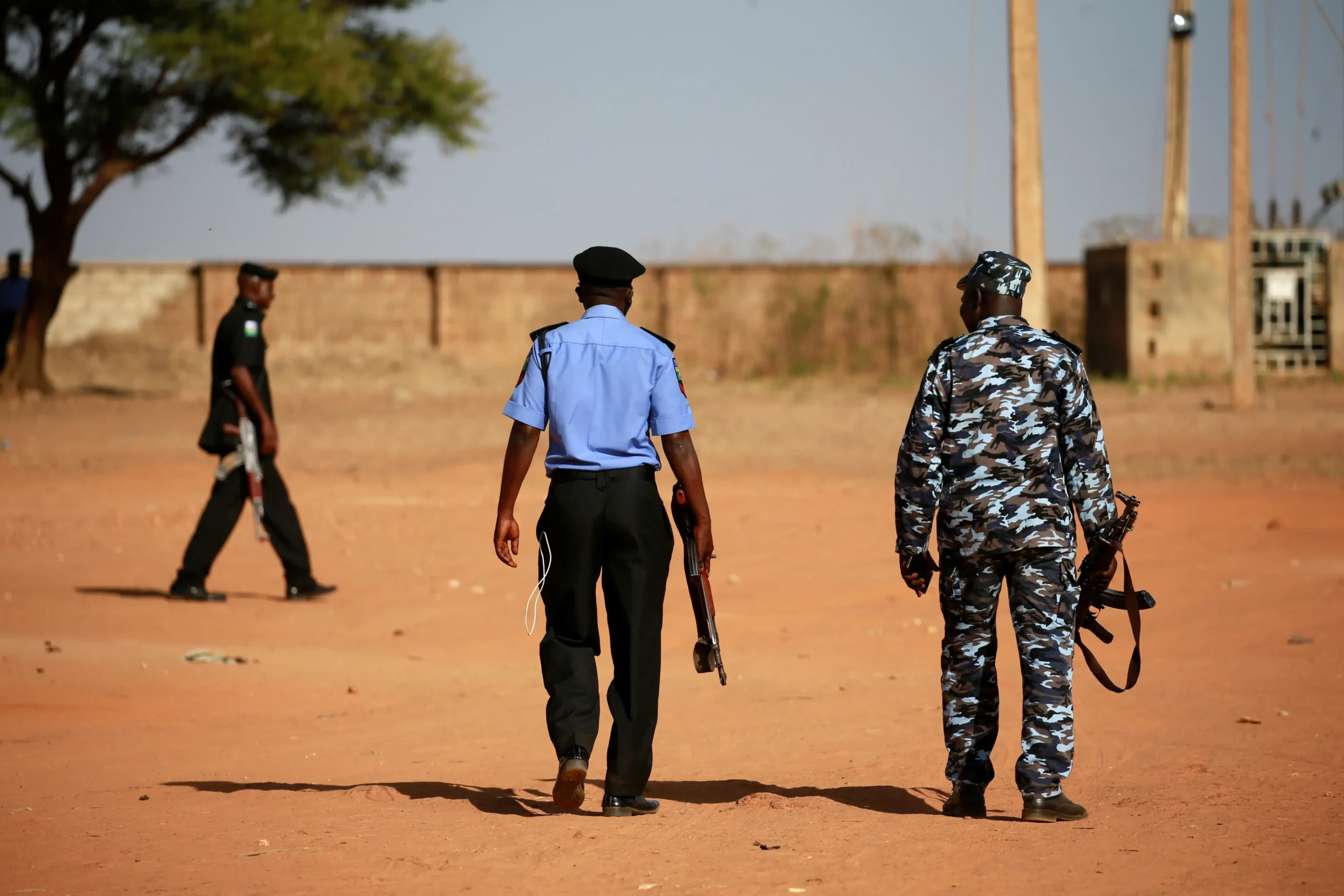
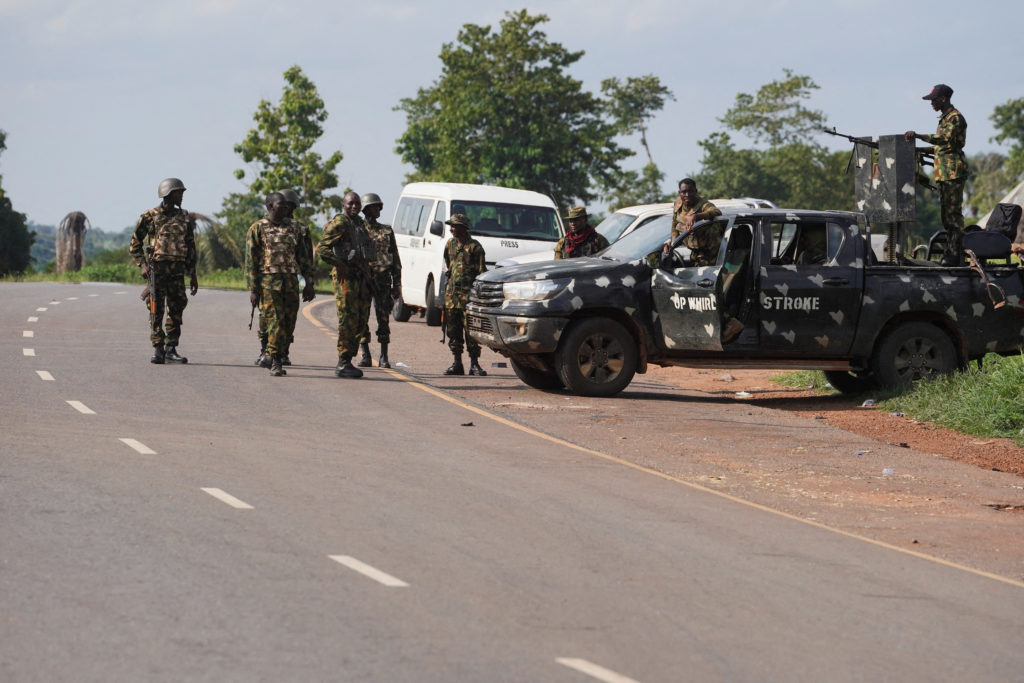
Authorities in Nigeria have launched multiple security initiatives including military deployments aerial surveillance and joint task forces. These efforts have achieved localized successes but have not yet produced lasting stability.
Officials acknowledge that force alone cannot solve the crisis. Addressing northwest Nigeria insecurity requires strengthening local policing improving intelligence and rebuilding trust between communities and the state.
Challenges Facing Security Forces
Security forces face immense obstacles including difficult terrain limited manpower and inadequate infrastructure. Forests provide natural cover for armed groups while poor roads hinder rapid response.
In some areas residents report delayed interventions or limited patrols reinforcing perceptions of vulnerability. Overcoming these challenges is essential to reversing northwest Nigeria insecurity and restoring confidence in public institutions.
Economic Roots of the Crisis
Economic hardship plays a significant role in sustaining violence. High unemployment environmental degradation and population growth leave many young people with few opportunities.
Criminal groups exploit this desperation by offering money protection or power. Without economic alternatives recruitment remains easy perpetuating the cycle of northwest Nigeria insecurity.
Education and Lost Generations
School closures due to attacks and abductions have disrupted education across the region. Parents fear sending children to class while teachers relocate to safer areas.
The long term consequences are profound. A generation growing up without education faces limited prospects increasing the risk that northwest Nigeria insecurity will persist well into the future.
Media Narratives and International Perception
International coverage has helped draw attention to the crisis but simplified narratives sometimes obscure complexity. Overemphasis on single causes can distort understanding and policy responses.
Experts stress the importance of accurate reporting grounded in local realities. Clear analysis of northwest Nigeria insecurity is critical for effective international support and cooperation.
Role of Governance and Justice
Weak governance and slow justice systems allow criminal groups to operate with impunity. Many victims report crimes without seeing arrests or prosecutions.
Strengthening rule of law is a cornerstone of addressing northwest Nigeria insecurity. Without accountability violence becomes normalized and trust erodes further.
Community Led Solutions
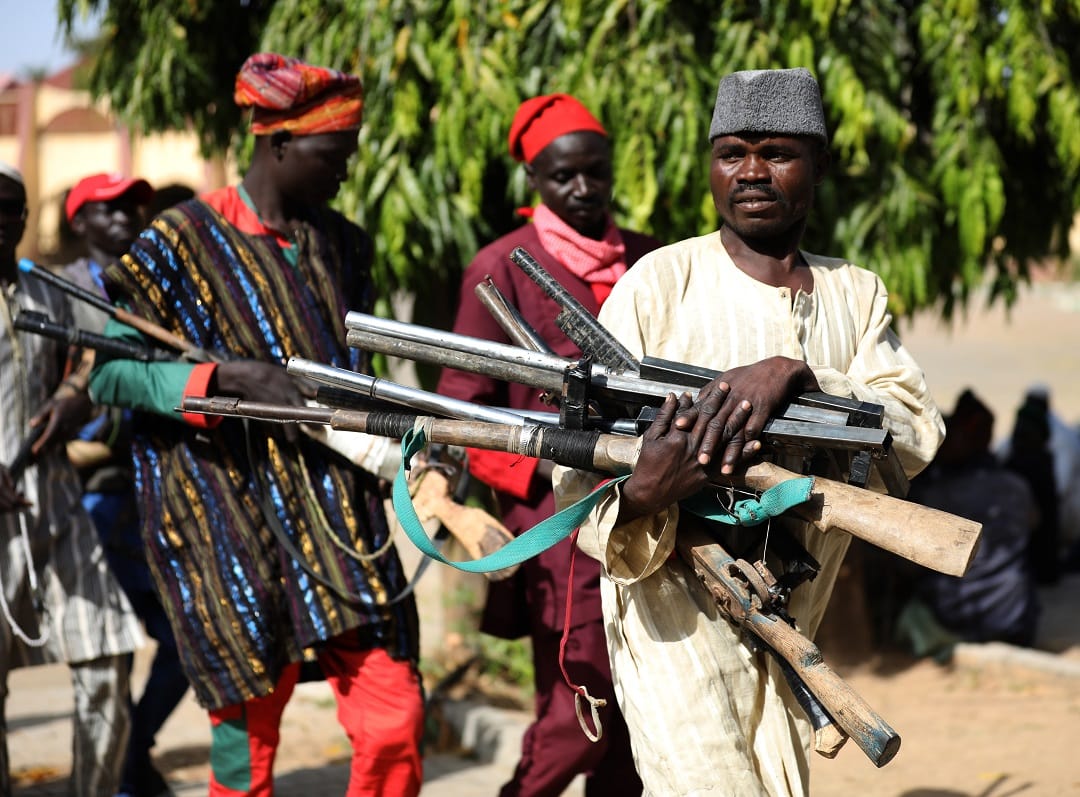
In response to limited protection some communities have formed local vigilance groups to monitor movement and share information. While these efforts demonstrate resilience they also carry risks if not properly regulated.
Community engagement remains vital. Local knowledge and participation are essential components of any sustainable strategy to reduce northwest Nigeria insecurity.
What Experts Recommend
Analysts advocate a comprehensive approach combining security development and governance reforms. This includes better intelligence sharing rural infrastructure investment and job creation programs.
Experts agree that tackling northwest Nigeria insecurity requires patience coordination and sustained commitment rather than short term fixes.
Signs of Hope and Resilience
Despite hardship communities continue to rebuild support one another and advocate for peace. Dialogue initiatives interfaith cooperation and grassroots development projects offer hope.
Residents emphasize that stability is possible if policies reflect lived realities and address the true causes of northwest Nigeria insecurity.
The crisis in northwest Nigeria is deep complex and devastating. Violence has reshaped daily life and displaced countless families yet the drivers of the conflict remain largely criminal and economic rather than ideological.
Understanding northwest Nigeria insecurity in its full context is essential for meaningful solutions. Only by addressing banditry governance failures and economic hardship can Nigeria hope to restore safety dignity and opportunity to the region.