
Russia has officially scheduled a trial for a German artist accused in connection with controversial satirical Putin floats, a move that has drawn international attention and reignited debates about political expression, artistic freedom, and the limits of satire. The case centers on large-scale inflatable and sculptural artworks portraying Russian President Vladimir Putin in exaggerated and symbolic forms intended to critique power and authority.
As the court date approaches, the issue of satirical Putin floats has become more than a legal matter. It has evolved into a broader cultural and political discussion about how governments respond to dissent expressed through art, particularly in an era of heightened geopolitical tension and information warfare.
Background of the Case
According to Russian authorities, the German artist was involved in creating or displaying satirical Putin floats at public events outside Russia. These works allegedly depicted the Russian leader in mocking or critical poses, which investigators claim violated Russian laws related to insulting state authority.
Officials argue that satirical Putin floats are not harmless artistic expressions but deliberate provocations that undermine respect for national leadership. By setting a formal trial date, Russian prosecutors are signaling their intent to pursue accountability under domestic legal frameworks.
Who Is the Artist
The accused artist is known in European art circles for politically charged installations that often use humor, exaggeration, and symbolism. Such works are commonly displayed during protests, festivals, or exhibitions that encourage public engagement with political themes.
Supporters say the artist’s work fits squarely within the tradition of political satire, where figures of authority are critiqued through visual metaphor. Critics within Russia, however, argue that satirical Putin floats cross a line by targeting a sitting head of state.
What Are Satirical Putin Floats
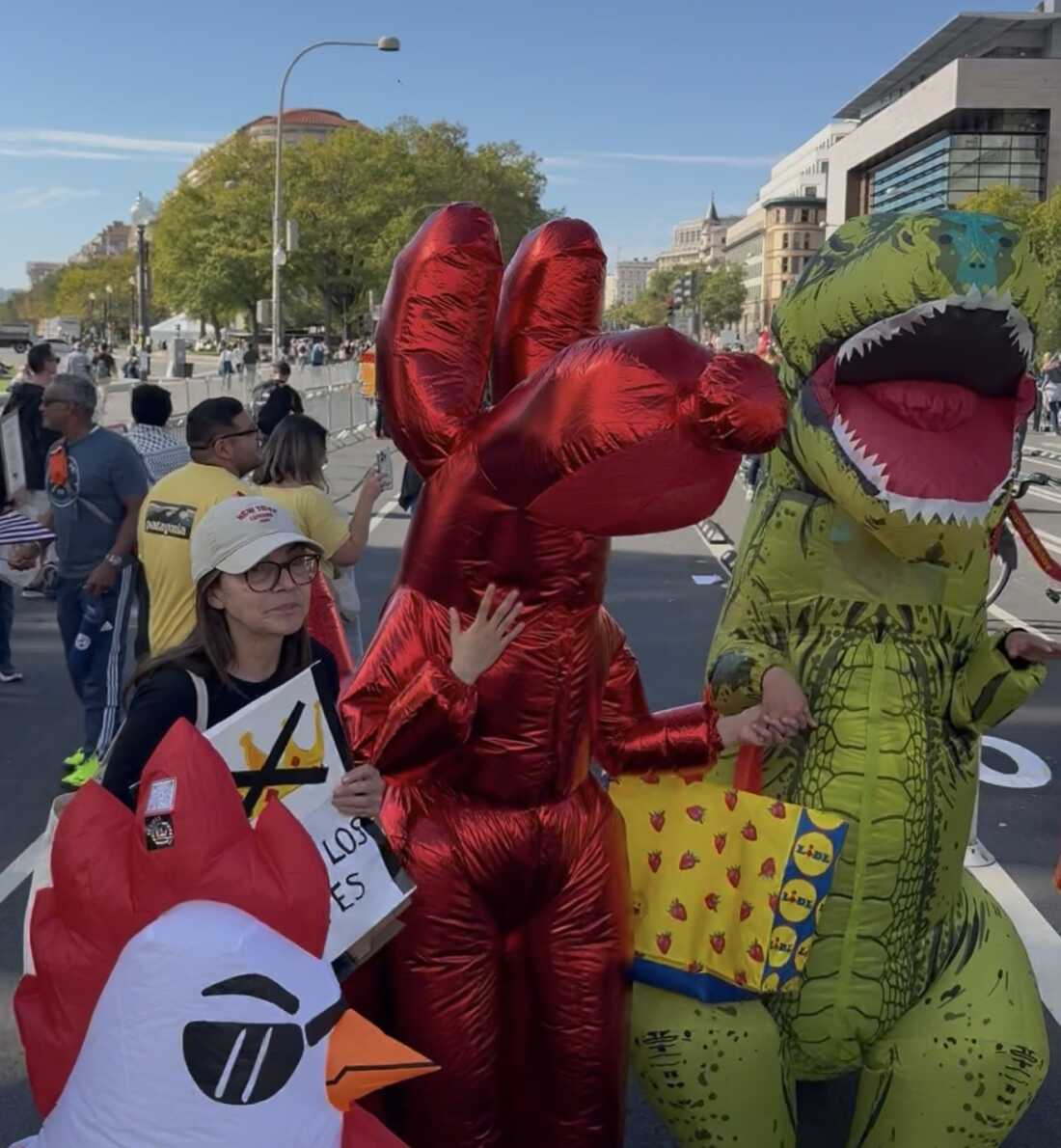
Satirical floats are large inflatable or sculpted figures designed to attract attention and provoke discussion. In this case, satirical Putin floats reportedly featured oversized facial features, symbolic costumes, or exaggerated gestures meant to comment on power, leadership, and governance.
Historically, satire has relied on exaggeration to communicate criticism. The controversy surrounding satirical Putin floats highlights how visual satire can be interpreted very differently depending on political and cultural context.

Why Russia Is Pursuing Legal Action
Russian officials say the trial is about enforcing laws that protect public order and the dignity of state institutions. They argue that allowing satirical Putin floats to circulate freely could encourage disrespect and social instability.
From the government’s perspective, political satire involving national leaders is not merely artistic expression but a form of political messaging that can influence public opinion. The trial reflects a broader effort to control narratives and symbols associated with state authority.
Legal Basis for the Charges
While full details of the charges have not been publicly released, similar cases in Russia have involved statutes related to extremism, public insult, or misuse of state symbols. Legal experts note that such laws are often interpreted broadly.
In the case of satirical Putin floats, prosecutors may argue that the artwork was intended to demean rather than critique, placing it outside the bounds of protected expression under Russian law.
Artistic Freedom Versus State Control
The case has reignited long standing debates about artistic freedom. Advocates for free expression argue that satire is an essential part of political discourse and cultural development. They contend that satirical Putin floats are meant to spark conversation, not incite harm.
On the other hand, supporters of strict regulation believe that satire targeting national leaders can erode respect for institutions and weaken social cohesion. This tension lies at the heart of the trial.
International Reaction
The decision to move forward with the trial has drawn reactions from cultural organizations and free speech advocates in Germany and beyond. Some groups view the case as symbolic of shrinking space for artistic expression linked to political criticism.
As attention spreads internationally, satirical Putin floats have become a point of reference in discussions about cultural diplomacy and the treatment of foreign artists.
Political Context and Timing
The trial comes amid ongoing geopolitical strain involving Russia and Western nations. In such an environment, symbolic acts are often interpreted through a political lens rather than a purely cultural one.
Satirical imagery, including satirical Putin floats, can be perceived as part of broader narratives about power, resistance, and ideology. This context helps explain why authorities may respond firmly to artistic provocations.
Public Opinion Inside Russia
Reactions within Russia appear mixed. Some citizens support legal action, arguing that public mockery of national leaders is inappropriate. Others quietly express concern that limiting satire restricts creativity and open dialogue.
The debate over satirical Putin floats reflects deeper questions about national identity, respect, and the role of criticism in society.
Impact on the Global Art Community
For artists worldwide, the case sends a warning about the risks of engaging with politically sensitive subjects. Exhibitions involving satirical Putin floats or similar imagery may face increased scrutiny.
Curators and institutions may also become more cautious, weighing artistic expression against potential legal or diplomatic consequences.
Historical Role of Political Satire
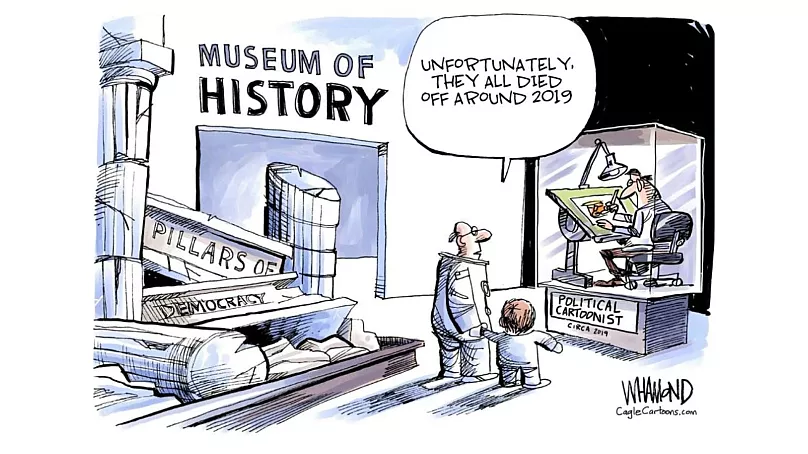
Political satire has a long history, from caricatures of monarchs in Europe to modern street art and performance pieces. It has often served as a means of challenging authority and highlighting contradictions.
The controversy over satirical Putin floats fits within this tradition, demonstrating how satire continues to provoke strong reactions when it targets powerful figures.
Possible Outcomes of the Trial
If the artist is convicted, penalties could include fines, restrictions on future activity, or other legal consequences. An acquittal or dismissal could signal limits to how far authorities are willing to pursue such cases.
Regardless of the verdict, the trial will likely influence future decisions involving satirical Putin floats and political art more broadly.
Implications for Freedom of Expression
Beyond one individual, the case raises broader questions about freedom of expression in politically sensitive environments. Critics argue that criminalizing satire creates a chilling effect on cultural production.
Supporters of regulation maintain that boundaries are necessary to prevent disorder. The debate surrounding satirical Putin floats encapsulates these competing viewpoints.
Cultural Diplomacy and Image
Art plays a role in shaping how countries are perceived internationally. High profile cases involving foreign artists can affect cultural relations and soft power.
How Russia handles the satirical Putin floats trial may influence its image among global creative communities.
Media Coverage and Narrative Building
Global media coverage has amplified the significance of the case. Headlines about satirical Putin floats travel quickly, shaping public narratives far beyond the courtroom.
This illustrates how cultural controversies can become part of broader geopolitical storytelling.
Future of Political Art
Looking ahead, artists may adapt by using more abstract symbolism or indirect critique. Others may continue to challenge boundaries despite the risks.
The trial over satirical Putin floats could become a reference point for future discussions about art and authority.
Russia’s decision to set a trial date for a German artist over satirical Putin floats marks a significant intersection of art, law, and politics. The case highlights enduring tensions between creative freedom and state control in a polarized world.
As proceedings unfold, the outcome will resonate beyond the courtroom. Whether seen as a defense of public order or a restriction on expression, the controversy surrounding satirical Putin floats underscores the power of art to provoke debate and challenge authority.