Russia’s defense strategy in 2025 has drawn renewed global attention after senior officials claimed that at least 417000 people joined the armed forces through professional service agreements this year. This figure highlights the expanding role of the Russia contract military, a system built around voluntary, paid enlistment rather than mass mobilization or short term conscription. The announcement signals a deliberate shift toward maintaining military strength through structured long term manpower rather than emergency measures.
The growing emphasis on the Russia contract military reflects broader changes in modern warfare, where sustained readiness, technical skill, and operational continuity are increasingly valued over sheer numbers. As geopolitical tensions persist, Russia appears to be prioritizing predictability and endurance in its force structure.
Who Made the Claim
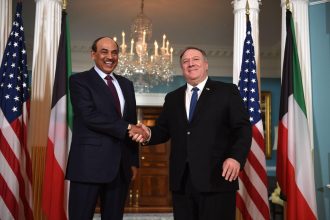
The recruitment figure was publicly cited by Dmitry Medvedev, a senior figure who continues to play an influential role in national security discussions. His statement framed the growth of contract enlistment as evidence that Russia’s military policies are functioning as intended and that citizens remain willing to commit voluntarily under professional terms.
By emphasizing contract recruitment rather than compulsory measures, officials aim to present an image of stability and control. The messaging also seeks to reassure domestic audiences that the state is avoiding disruptive policies while maintaining defense capabilities.
What Is the Russia Contract Military
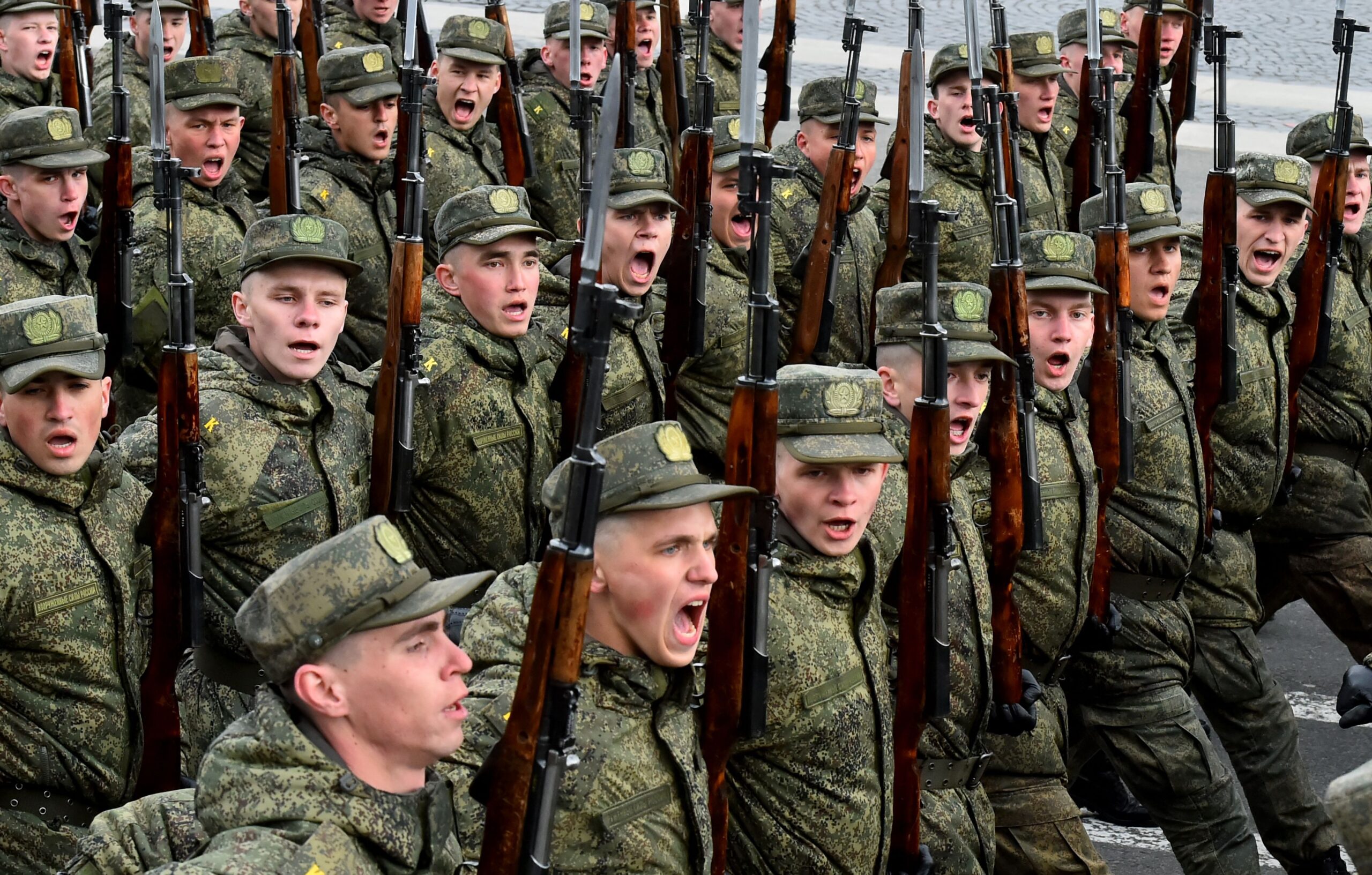
The Russia contract military refers to armed forces personnel who enlist voluntarily through fixed term service agreements. These contracts typically span multiple years and include structured salaries, benefits, and defined career paths. Unlike conscripts, contract soldiers are treated as professionals with expectations of repeated deployment, advanced training, and long term service commitments.
This system allows military planners to retain experienced personnel who are familiar with equipment, command structures, and operational doctrine. The Russia contract military model is designed to reduce turnover, improve cohesion, and enhance battlefield effectiveness.
Why Russia Is Expanding Contract Forces
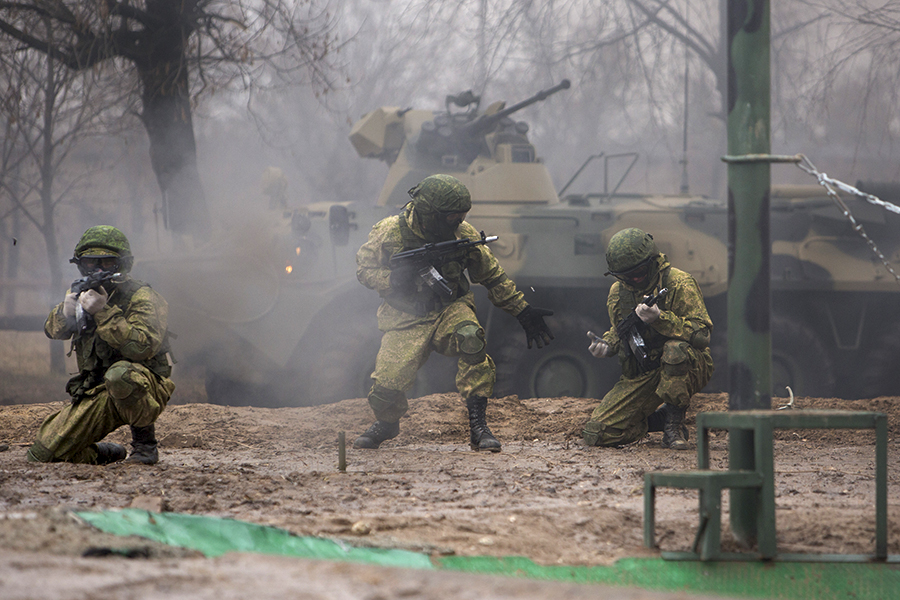
Several factors explain the accelerated expansion of the Russia contract military. One of the most significant drivers is the need for sustained operational capability. Modern military engagements often require long deployments, technical proficiency, and coordinated logistics that are difficult to maintain with short term service members.
Economic incentives also play a major role. Contract soldiers receive wages that are often higher than regional averages, along with housing assistance, healthcare, and pension benefits. For many individuals, the Russia contract military represents not only national service but also economic security.
Economic Incentives and Recruitment Appeal
Compensation packages are a central pillar of contract recruitment. Regular salaries, bonuses, and benefits make military service competitive with civilian employment, particularly in areas with limited job opportunities. These incentives have helped broaden the recruitment base across different regions and social groups.
In addition, family support programs enhance the attractiveness of the Russia contract military. Benefits such as childcare assistance, education support, and survivor protections contribute to long term retention and public acceptance of professional military careers.
Training and Professional Standards
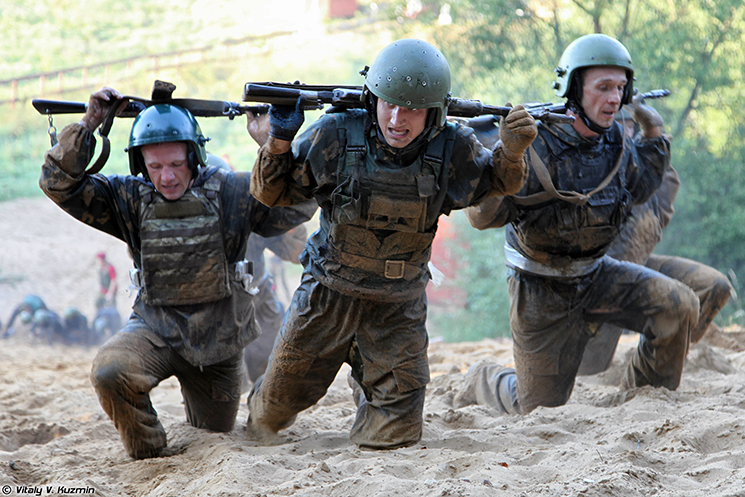
Training is a defining feature of the Russia contract military. Contract personnel typically undergo extended and specialized instruction that goes beyond basic military preparation. This includes technical training, tactical exercises, and coordination drills designed to prepare units for complex missions.
Professional training standards aim to ensure consistency and readiness across the force. Military officials argue that contract soldiers are better prepared for modern operations due to their experience and familiarity with evolving technologies.
Operational Readiness and Deployment
One of the key advantages of the Russia contract military is operational readiness. Contract soldiers can be deployed more quickly and for longer periods than conscripts, providing commanders with greater flexibility. This capability is particularly important in scenarios that require sustained presence or rapid response.
Experienced contract units also tend to operate more effectively under stress, as familiarity with leadership and procedures reduces confusion during high intensity operations.
Domestic Stability and Public Perception
From a domestic perspective, reliance on voluntary contracts reduces social and political strain. Large scale compulsory mobilization can generate public anxiety, while contract enlistment frames military service as a personal career choice.
This approach allows the government to maintain force levels without provoking widespread resistance. The Russia contract military thus plays a dual role in supporting national defense while preserving internal stability.
Budgetary Considerations
Maintaining a large contract force requires significant financial resources. Salaries, training, equipment, and benefits represent long term budget commitments. However, officials argue that the predictability of contract service allows for more effective fiscal planning compared to emergency mobilization.
Investment in the Russia contract military is often presented as a cost of stability, providing sustained readiness rather than short term expansion.
International Reactions and Strategic Impact
International observers have closely monitored reports of Russia’s contract recruitment. Some analysts view the 417000 figure as a strategic signal rather than a purely operational statistic. It suggests an intention to maintain military capacity over time rather than escalate suddenly.
For neighboring states and military alliances, the growth of the Russia contract military reinforces the importance of long term defense planning and deterrence strategies.
Challenges Facing the Contract System
Despite reported success, the Russia contract military faces challenges. Retention remains a key concern, as experienced personnel must be incentivized to renew contracts. Maintaining morale during extended deployments also requires careful management.
Training consistency across a large and geographically diverse force is another challenge. Ensuring uniform standards demands sustained investment in instructors, facilities, and oversight.
Long Term Sustainability
The long term sustainability of the Russia contract military depends on economic conditions, public support, and effective administration. Contract based forces offer stability, but they also require continuous funding and organizational discipline.
If these conditions are met, the contract system may become the dominant model for Russia’s armed forces, shaping military policy for years to come.
Strategic Significance of the 417000 Figure
The reported recruitment number carries symbolic weight. It reinforces the narrative that Russia can maintain military strength without resorting to emergency measures. Whether the figure represents net growth or replacement of departing personnel, it underscores the central role of contract enlistment.
The Russia contract military thus emerges as a cornerstone of current defense strategy, emphasizing endurance and professionalism.
Comparison With Traditional Conscription
Compared to conscription, contract service offers greater flexibility and expertise. While conscripts can provide manpower, they often lack the experience required for modern operations. Contract soldiers, by contrast, develop specialized skills over time.
This distinction highlights why the Russia contract military has become increasingly important in an era of technologically advanced warfare.
Future Outlook
Looking ahead, the Russia contract military is likely to remain a focal point of defense planning. Continued modernization, retention incentives, and training improvements will shape its effectiveness.
As global security dynamics evolve, the ability to sustain a professional, voluntary force may prove more valuable than rapid but temporary expansions.
The claim that 417000 individuals joined the armed forces through contracts in 2025 marks a significant moment in Russia’s military evolution. The expanding Russia contract military reflects a strategic choice to prioritize professionalism, stability, and long term readiness.
While challenges remain, the emphasis on contract service demonstrates how Russia is adapting its defense posture to modern realities. The success or limitations of this approach will influence regional security dynamics and domestic policy well beyond the current year.