Global attention is firmly fixed on Moscow, where officials are expected to issue a long awaited Moscow peace response to a United States backed proposal aimed at de escalating the war in Ukraine. Diplomats, security analysts, and humanitarian organizations alike view this moment as a potential turning point in a conflict that has reshaped regional stability and global geopolitics.
The peace plan, presented by the United States, outlines a framework for ceasefire arrangements, phased negotiations, and longer term political and security discussions. Whether Moscow chooses engagement, rejection, or strategic ambiguity will shape the trajectory of diplomacy in the months ahead.
What the US Peace Plan Aims to Achieve
The proposal under consideration is designed as a starting framework rather than a final settlement. At its core, the plan seeks to reduce active hostilities while creating diplomatic space for negotiations. Central elements include ceasefire monitoring, humanitarian corridors, and confidence building measures.
American officials have emphasized that flexibility remains built into the plan. Adjustments are expected based on feedback from all parties, particularly the Moscow peace response. The proposal also links political dialogue to reconstruction planning, signaling that economic recovery is part of any sustainable peace.
Supporters argue that even limited progress could ease civilian suffering and reduce escalation risks.
Why the Moscow Peace Response Is Pivotal
The Moscow peace response matters because Russia’s position will largely determine whether the diplomatic process moves forward or stalls. Analysts note that without Moscow’s participation, peace proposals remain symbolic gestures with limited practical impact.
Russia faces a complex set of considerations. Military objectives, domestic political pressures, international sanctions, and long term security concerns all shape how the response is crafted. A constructive signal could lower tensions and create momentum, while rejection could harden positions on all sides.
Markets, energy planners, and allied governments are closely monitoring every signal from Moscow.
Timing and Growing International Pressure
The expected Moscow peace response comes amid intensified diplomatic pressure. European governments, international organizations, and non aligned states have urged Moscow to clarify its stance and engage seriously with peace initiatives.
Behind the scenes, diplomatic sources describe ongoing consultations aimed at preventing miscalculation. The timing reflects concerns that prolonged ambiguity increases risks of escalation and undermines confidence in diplomacy.
For many observers, the coming response represents a test of whether dialogue remains viable.
Russia’s Strategic Calculations
From the Kremlin’s perspective, the Moscow peace response must address what officials describe as core security issues. These include long standing objections to NATO expansion, demands for sanctions relief, and recognition of territorial realities.
Military analysts suggest Russia may seek guarantees that any ceasefire would not allow opposing forces to regroup or rearm. Economic pressures also weigh heavily, as sanctions continue to affect trade, investment, and fiscal stability.
The response is expected to balance openness with firm conditions, reflecting Russia’s broader strategic posture.
Ukraine’s Role in the Peace Process
While attention is focused on Moscow, Ukraine’s position remains central. Ukrainian leaders have repeatedly emphasized that sovereignty, territorial integrity, and enforceable security guarantees are non negotiable.
Any Moscow peace response perceived as undermining these principles would likely be rejected by Kyiv. Ukrainian officials continue coordinating closely with Washington and European partners to ensure diplomatic alignment.
For Ukraine, peace must be durable and credible rather than a temporary pause in fighting.
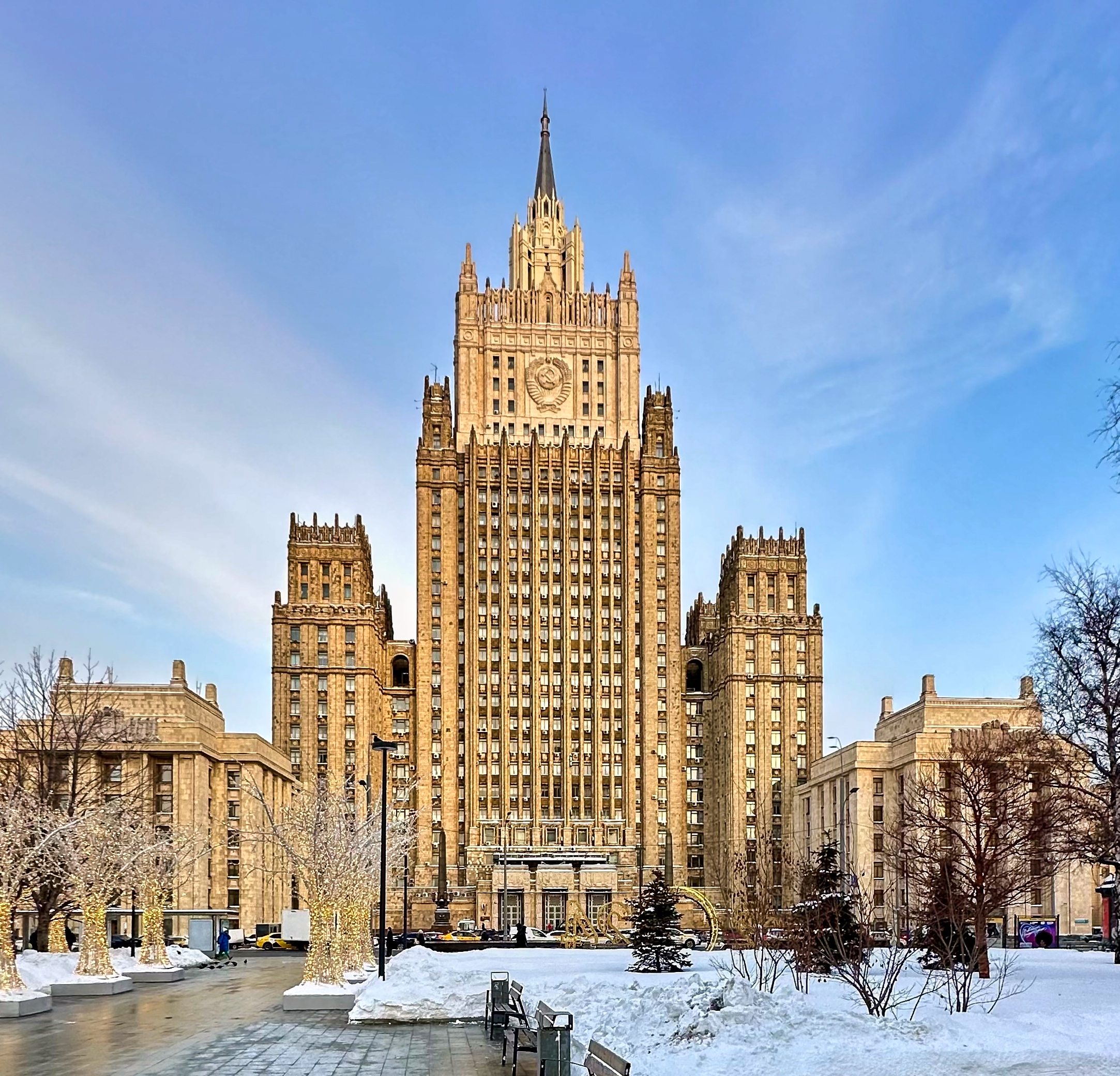
European Involvement and Expectations
European governments have played an increasingly active role in shaping the diplomatic environment surrounding the Moscow peace response. Many European states view stability in Ukraine as directly tied to continental security, energy markets, and economic resilience.
European leaders have highlighted reconstruction funding, long term security guarantees, and integration pathways as incentives for peace. The European Union continues to act as both mediator and stakeholder.
Europe’s message to Moscow has been consistent: engagement is preferable to escalation.
Security Guarantees and Enforcement Challenges
One of the most contentious aspects of the Moscow peace response involves enforcement mechanisms. Peace proposals depend on credible systems to monitor compliance and deter violations.
Options under discussion include international monitoring missions, peacekeeping deployments, and phased sanctions relief linked to verified actions. Russia’s stance on such mechanisms will indicate its willingness to accept external oversight.
Security guarantees remain a major hurdle in turning proposals into lasting agreements.
Sanctions and Economic Considerations
Economic factors play a major role in shaping the Moscow peace response. Sanctions imposed on Russia have reshaped trade flows, limited access to finance, and altered energy markets.
US officials have signaled that sanctions relief could be part of a broader settlement, contingent on verifiable progress. Moscow is expected to seek clarity on timelines, conditions, and enforcement criteria.
For Russia, economic normalization remains closely tied to diplomatic outcomes.
Humanitarian Stakes of the Response
Beyond geopolitics, the Moscow peace response carries significant humanitarian implications. Millions of civilians remain displaced, and critical infrastructure across Ukraine has suffered extensive damage.
Humanitarian organizations stress that even a limited ceasefire could allow aid deliveries, evacuations, and repair of essential services. Moscow’s response will signal whether humanitarian considerations influence strategic decision making.
Aid agencies continue urging all parties to prioritize civilian protection.
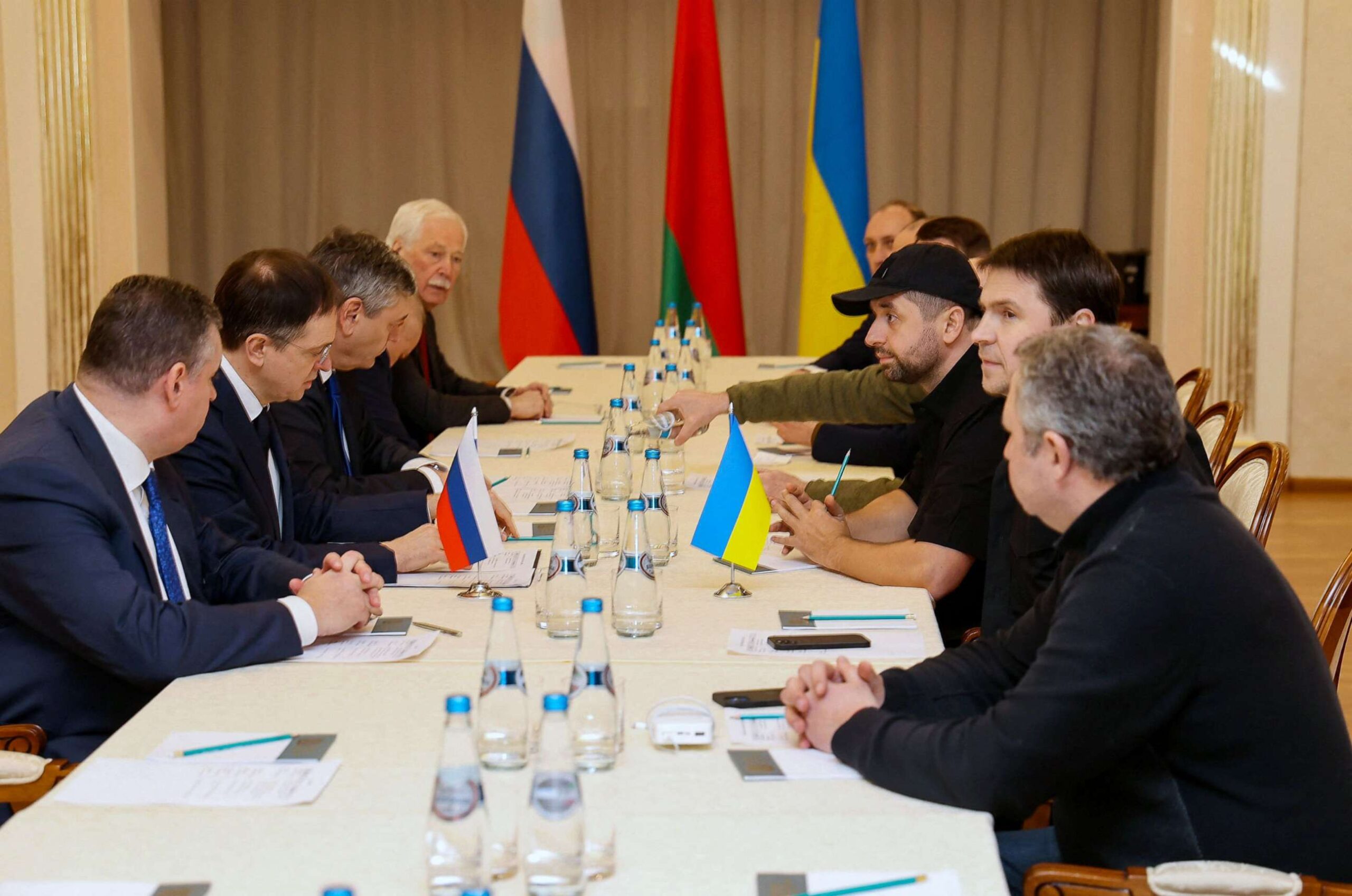
Global Reactions and Strategic Stability
The international community views the Moscow peace response as a test of global diplomatic effectiveness. Countries across Asia, the Middle East, Africa, and Latin America have called for restraint and dialogue.
Strategic stability concerns extend beyond Ukraine, touching on nuclear risk perceptions and broader international norms. A positive response could ease global uncertainty, while rejection may deepen divisions among major powers.
The stakes are global rather than regional.
Domestic Political Factors in Russia
Domestic considerations also shape the Moscow peace response. Russian leadership must manage public opinion, elite consensus, and institutional interests when framing any diplomatic move.
Any compromise is likely to be presented domestically as protecting national interests rather than conceding under pressure. Analysts expect carefully calibrated messaging designed to maintain internal stability.
Internal politics often influence external diplomacy.
Possible Scenarios After the Response
Several outcomes could follow the Moscow peace response. Russia could accept talks in principle while seeking revisions, reject key elements outright, or present an alternative framework.
Partial acceptance could open channels for negotiation, while outright rejection may harden positions. Even ambiguous language will be scrutinized for underlying signals.
Diplomatic momentum depends heavily on how the response is received internationally.
Risks of Delay or Rejection
If the Moscow peace response is delayed or dismissive, risks increase. Continued fighting intensifies humanitarian suffering, economic disruption, and escalation dangers.
Diplomatic fatigue among international partners may also grow, complicating future mediation efforts. Analysts warn that missed opportunities can entrench conflict dynamics.
Timely engagement is widely viewed as essential.
Why This Moment Matters
The significance of the Moscow peace response lies in its timing. With battlefield conditions evolving and global pressure mounting, decisions made now could influence years of conflict or cooperation.
Peace initiatives rarely succeed without sustained engagement from all major actors. This moment represents a crossroads between diplomacy and prolonged confrontation.
Observers describe the response as one of the most consequential diplomatic signals of the war.
What Happens After Moscow Responds
Following the Moscow peace response, attention will turn to follow up talks, confidence building measures, and international coordination.
If negotiations proceed, working groups may address security, territorial issues, and economic arrangements. If not, alternative diplomatic or economic measures may be considered.
The response will set the tone for the next phase of international engagement.
Why the Moscow Peace Response Matters Globally
The Moscow peace response matters because it affects not only Ukraine and Russia but the broader international order. It tests whether diplomacy can function amid deep divisions.
The outcome will influence global security norms, alliance dynamics, and confidence in conflict resolution mechanisms.
For many observers, the response represents a measure of whether dialogue remains possible in an increasingly polarized world.
The awaited Moscow peace response marks a pivotal juncture in efforts to resolve the war in Ukraine. As global attention focuses on Moscow, the response will reveal whether diplomacy can gain traction or whether confrontation will persist.
With security, humanitarian, and economic stakes at historic levels, the consequences of this moment will resonate far beyond Eastern Europe. The world now waits to see whether engagement or impasse defines the next chapter.