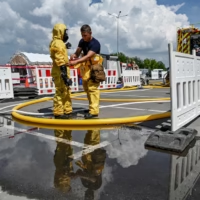
Ukraine’s northern city of Chernihiv was jolted by a deadly aerial assault as a Chernihiv drone strike hit residential neighborhoods and vital urban infrastructure. The overnight attack sent residents scrambling for safety as explosions echoed through the city, reinforcing the reality that drone warfare has become a persistent threat far beyond front-line regions.
Local authorities confirmed damage to apartment buildings, vehicles, and public utilities, while emergency responders worked through the night to contain fires and evacuate residents. The Chernihiv drone strike has renewed fears among civilians and drawn attention to the mounting humanitarian toll of the conflict across Ukraine.
Timeline of the Chernihiv Drone Strike
The Chernihiv drone strike began late in the evening, shortly after air raid sirens warned residents of incoming aerial threats. Witnesses reported hearing the distinctive buzzing sound of drones overhead, followed by a series of explosions across multiple districts.
According to officials, drones approached the city from different directions, suggesting a coordinated effort intended to stretch air defense systems. While some drones were intercepted, others managed to reach urban areas, igniting fires and causing structural damage.
By early morning, smoke still lingered above parts of the city as emergency crews assessed the scale of destruction left behind by the strike.
Civilian Neighborhoods Directly Affected
Civilians were at the center of the Chernihiv drone strike, with residential buildings sustaining shattered windows, collapsed balconies, and interior damage. Families were forced to flee damaged apartments, often with little time to gather belongings.
Hospitals treated residents for injuries caused by flying debris, burns, and shock. Local officials cautioned that casualty numbers could rise as more residents seek medical attention in the days following the attack.
The impact on everyday life has been immediate, with many residents expressing fear that civilian areas are increasingly vulnerable to repeated strikes.
Damage to Infrastructure and Public Services
Beyond housing, the Chernihiv drone strike disrupted essential infrastructure. Power outages were reported in several neighborhoods, while damage to water lines and roadways complicated emergency response efforts.
Municipal crews worked overnight to stabilize utilities and restore basic services. Public transportation routes were rerouted away from unsafe areas, adding to daily disruption for residents commuting to work or seeking medical care.
City officials warned that repeated attacks place enormous strain on infrastructure resilience and slow recovery across northern Ukraine.
Emergency Response and Rescue Operations
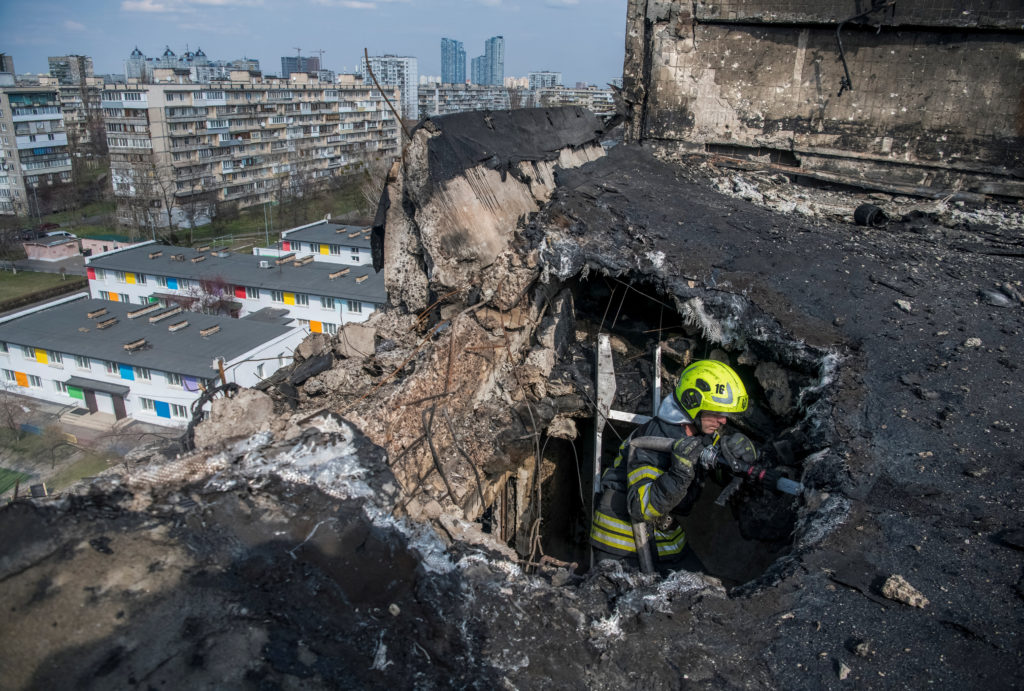
Emergency services responded swiftly following the Chernihiv drone strike. Firefighters extinguished blazes caused by drone debris, while rescue teams searched damaged buildings for trapped occupants.
Medical personnel established temporary triage points near impact zones to treat injuries on site. Police secured affected streets to prevent secondary hazards and allow repair crews to work safely.
Volunteers played a crucial role, delivering food, warm clothing, and blankets to displaced families. Authorities praised the coordinated response, noting that rapid action helped prevent greater loss of life.
Security Concerns in Northern Ukraine
The Chernihiv drone strike has heightened security concerns across northern Ukraine. Chernihiv’s proximity to border regions makes it particularly exposed during periods of escalation, especially as drones allow for long-range attacks without direct ground engagement.
Security analysts note that drone warfare enables sustained pressure on cities, forcing residents to remain on constant alert. Authorities urged civilians to follow air raid warnings carefully and seek shelter immediately when sirens sound.
Local defense officials continue reviewing air defense readiness as the threat of further strikes remains.
Psychological Impact on Residents
Beyond physical destruction, the Chernihiv drone strike has inflicted deep psychological stress. Residents described sleepless nights, anxiety triggered by unfamiliar sounds, and fear whenever sirens activate.
Mental health professionals warn that repeated exposure to drone attacks can have lasting effects, particularly on children and older adults. Community centers and local organizations are expanding counseling services and peer support programs to help residents cope with trauma.
City leaders emphasize that psychological recovery is as important as rebuilding damaged structures.
Humanitarian Challenges and Displacement
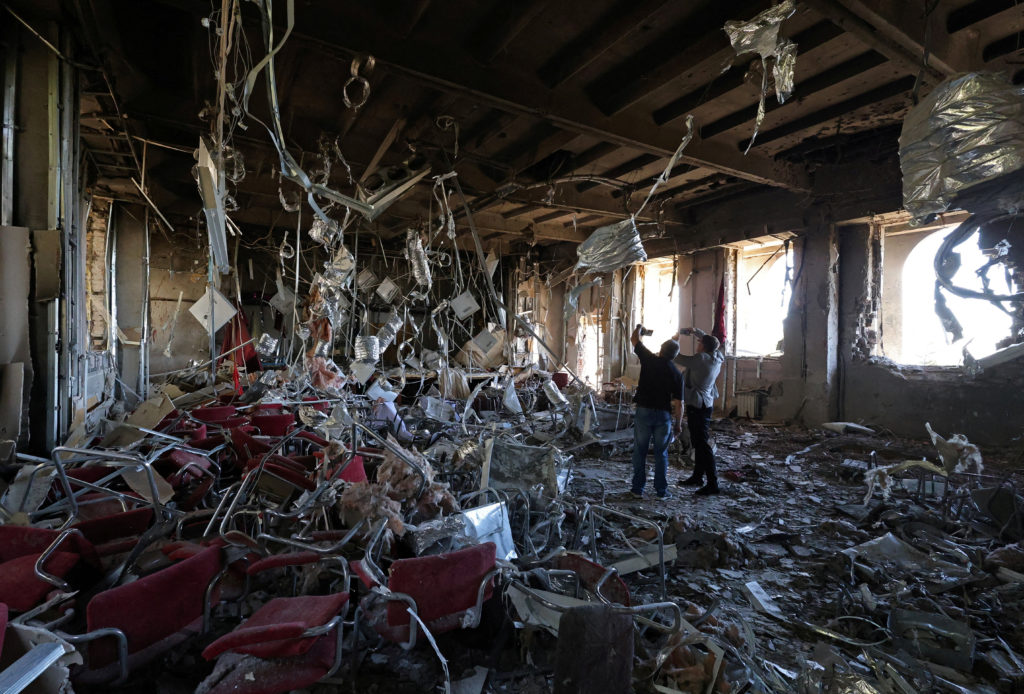
The humanitarian impact of the Chernihiv drone strike continues to grow as families displaced by damaged homes seek temporary shelter. Local authorities opened emergency accommodation centers, while aid organizations distributed food, hygiene supplies, and medical assistance.
Humanitarian workers stress that repeated strikes erode household stability and increase vulnerability. Displacement adds pressure to social services already stretched by ongoing conflict and economic strain.
Relief groups are coordinating closely with municipal officials to address both immediate needs and longer-term recovery.
International Monitoring and Global Reaction
The Chernihiv drone strike has drawn international attention, with monitoring organizations tracking damage and civilian impact. Global observers reiterated calls for the protection of noncombatants and civilian infrastructure.
Analysts emphasize that drone warfare presents unique humanitarian challenges due to its unpredictability and reach. The attack contributes to broader diplomatic concern over escalation and the growing normalization of aerial strikes on cities.
International scrutiny remains high as similar incidents continue across Ukraine.
Economic Consequences for the City
The economic impact of the Chernihiv drone strike is already being felt. Damaged businesses face repair costs, lost inventory, and interruptions to operations, while residents prioritize safety over routine economic activity.
Small enterprises are particularly vulnerable, as repeated disruptions undermine confidence and investment. Transportation delays and utility outages further affect productivity and local commerce.
Rebuilding the city’s economy will require time, resources, and sustained support alongside security improvements.
Why the Chernihiv Drone Strike Matters
The Chernihiv drone strike illustrates a broader shift in modern warfare, where drones play a central role in targeting urban environments. These attacks highlight the difficulty of shielding civilian populations from remote and persistent aerial threats.
The strike underscores the need for enhanced air defense systems, stronger early warning mechanisms, and expanded humanitarian protections for cities far from front lines.
For residents of Chernihiv, the event is a stark reminder that the conflict’s reach extends into everyday civilian life.
Recovery and Rebuilding Efforts
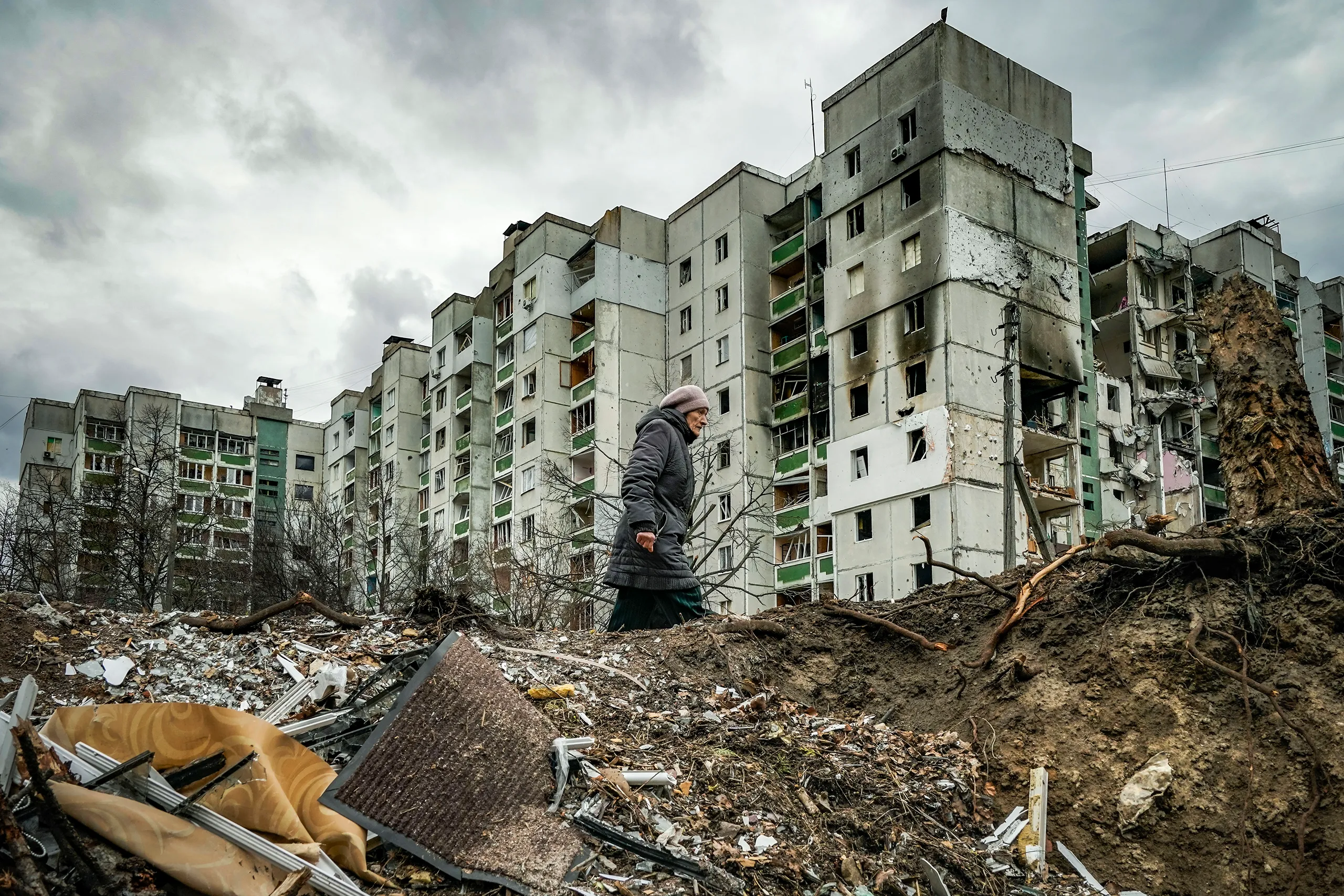
Local authorities have begun outlining recovery plans following the Chernihiv drone strike, focusing on repairing housing, restoring utilities, and supporting displaced families.
Engineers are conducting structural assessments to determine which buildings can be repaired safely. Aid organizations continue to assist with temporary accommodation, food supplies, and medical care.
Community leaders stress that rebuilding must address both physical damage and emotional recovery to restore a sense of normalcy.
Community Resilience and Solidarity
Despite the devastation caused by the Chernihiv drone strike, residents have demonstrated resilience and solidarity. Neighbors have opened homes to displaced families, while volunteers organize donation drives to support those affected.
Local leaders highlight this collective effort as a critical factor in recovery. Shared resilience helps communities endure ongoing uncertainty and prepares them to face future challenges together.
Chernihiv’s response reflects the broader strength shown by Ukrainian cities under sustained pressure.
Looking Ahead for Chernihiv
As cleanup and repairs continue, residents remain cautious yet determined. The Chernihiv drone strike has disrupted daily life, but it has also reinforced the importance of preparedness and community support.
Officials urge residents to stay informed, follow safety guidance, and remain vigilant as security risks persist. The coming weeks will be crucial in shaping both recovery efforts and defensive planning.
Chernihiv’s experience mirrors the challenges faced by many urban centers across Ukraine.
Russian drone attacks striking Chernihiv represent another painful chapter in Ukraine’s ongoing war. The Chernihiv drone strike caused civilian damage, infrastructure disruption, and profound psychological impact, while emergency responders and volunteers worked tirelessly to protect lives.
As recovery begins, attention remains focused on humanitarian needs, security preparedness, and long-term resilience. Chernihiv stands as a powerful example of the human cost of drone warfare and the urgent need to safeguard civilian populations amid continuing conflict.