
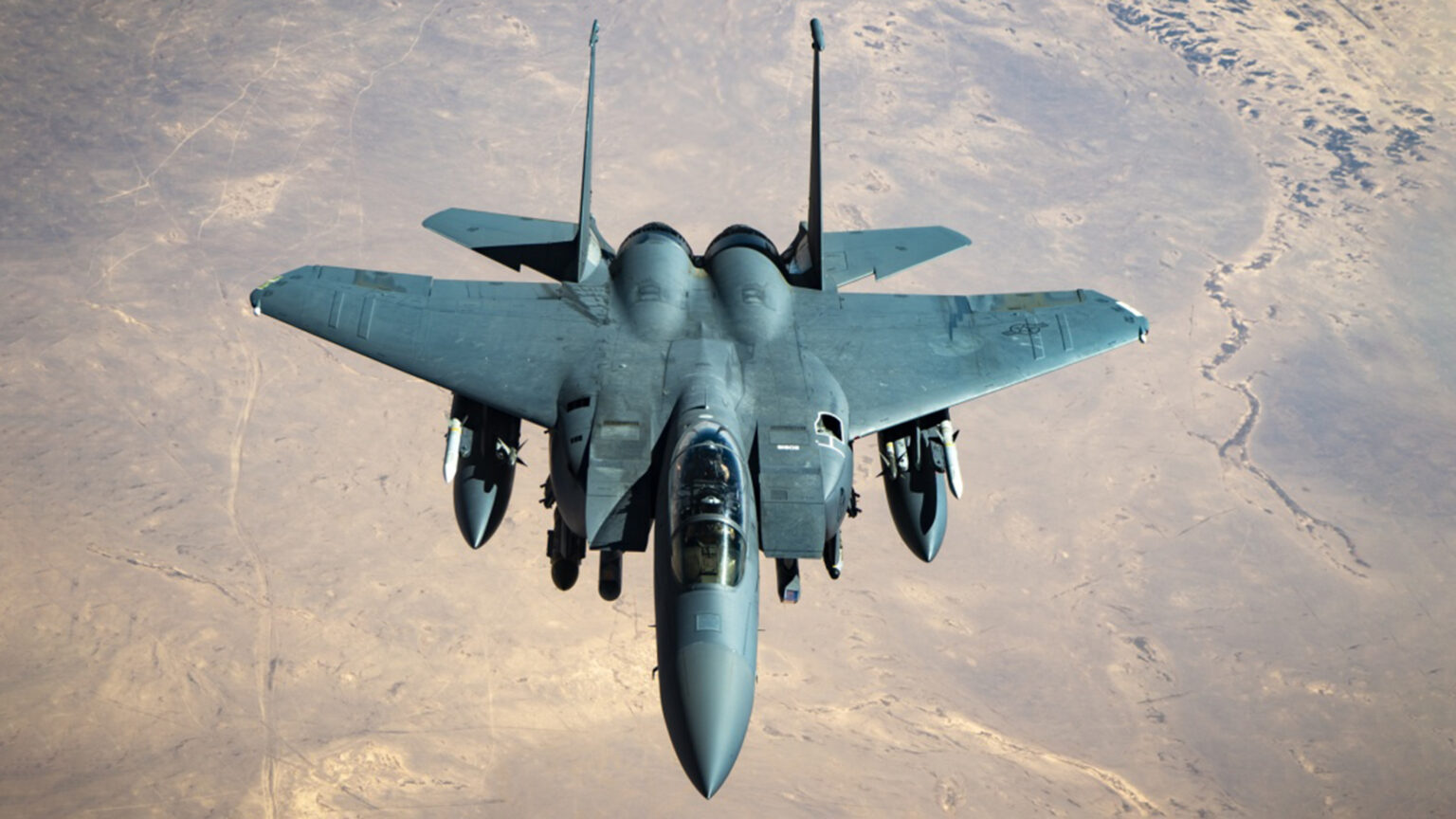
Renewed global attention has turned toward US airstrikes ISIL Syria as American forces continue targeted military operations against extremist networks operating in the region. Although ISIL no longer controls vast territories as it once did, the group remains active, adaptive, and dangerous. Security officials warn that complacency could allow militants to regroup, recruit, and reestablish operational strength.
The latest phase of US airstrikes ISIL Syria reflects a broader understanding that counterterrorism is not a single victory but an ongoing effort. Extremist groups thrive in instability, and Syria’s fractured political and security landscape continues to provide opportunities for underground activity.
This article examines why these operations are continuing, how they are conducted, and what they mean for regional stability, global security, and the future of counter-terrorism efforts.
Why Syria Remains Central to the ISIL Threat
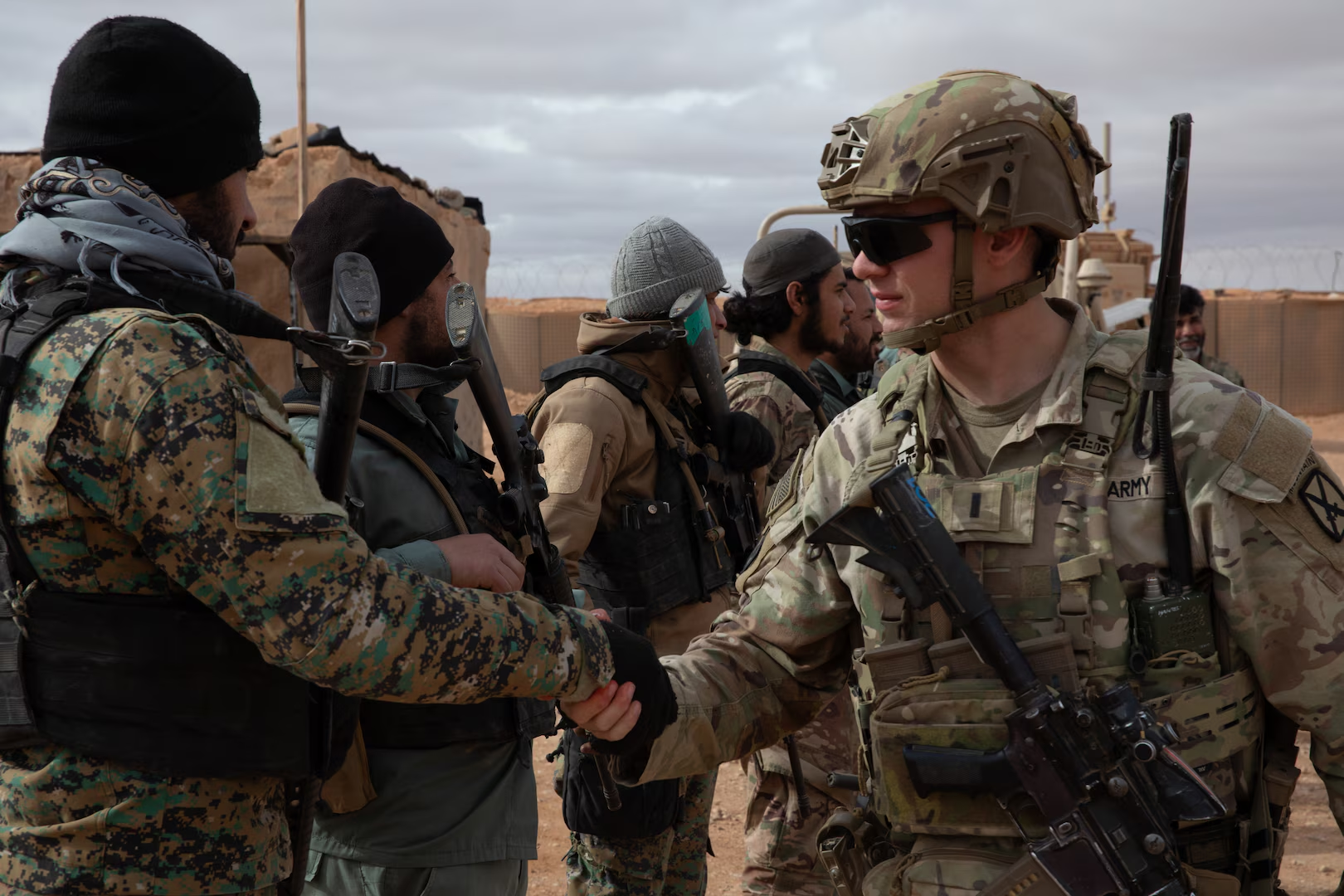
Years of civil war have left Syria fragmented and vulnerable. Large swaths of territory remain difficult to govern, creating ideal conditions for extremist groups to hide, move, and recruit. This environment explains why US airstrikes ISIL Syria remain a recurring necessity rather than a one time event.
ISIL fighters rely on remote desert terrain, abandoned infrastructure, and cross border routes to sustain operations. These factors make Syria uniquely challenging and justify continued military attention. When officials discuss US airstrikes ISIL Syria, they are responding to intelligence that shows ongoing extremist activity rather than reacting to past conflicts.
Strategic Objectives of the Air Campaign
The core objective behind US airstrikes ISIL Syria is prevention. Rather than waiting for large scale attacks to materialize, US forces focus on disrupting plots before they mature. This includes striking leadership figures, logistical hubs, and known meeting locations.
Airpower offers flexibility and speed. By relying on precision strikes instead of ground deployments, the United States reduces risks to personnel while maintaining constant pressure. The emphasis on US airstrikes ISIL Syria demonstrates a strategy built on intelligence dominance and rapid response.
How Intelligence Shapes Targeting Decisions
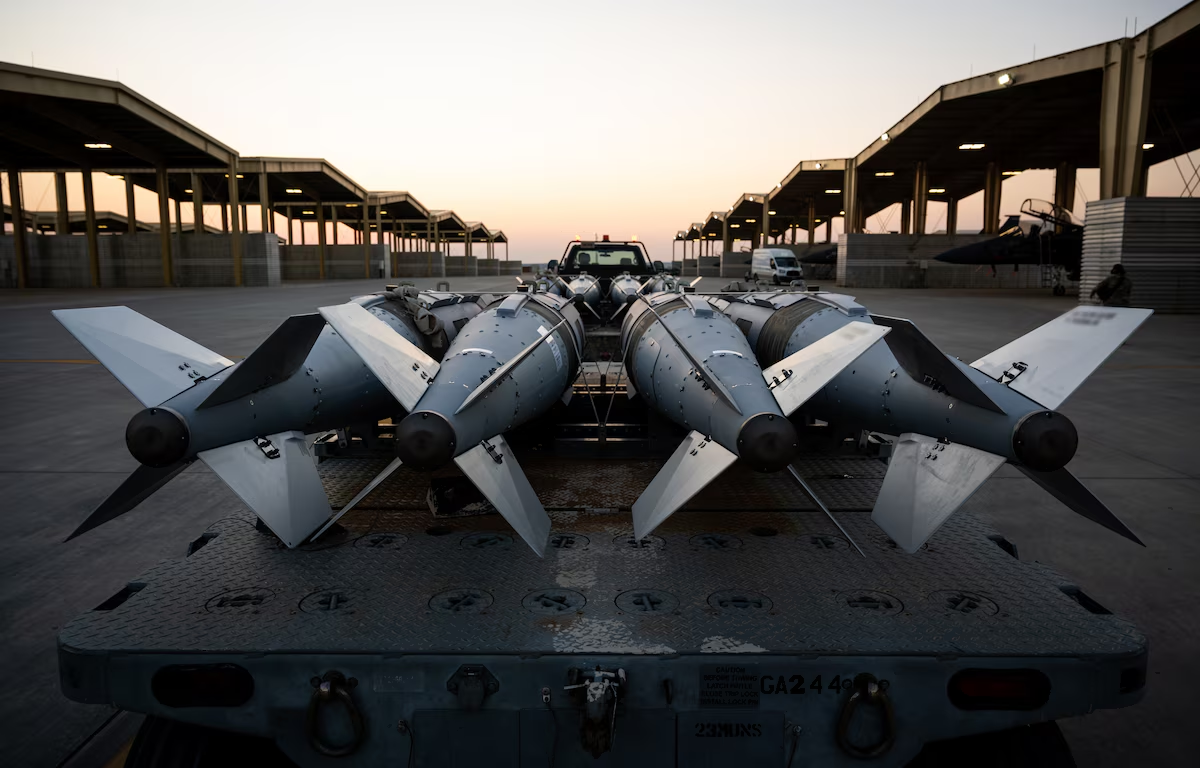
Accurate intelligence is the foundation of effective counterterrorism. Surveillance aircraft, drones, satellite imagery, and intercepted communications all play a role in identifying viable targets. Before any strike is authorized, analysts assess patterns of life to minimize civilian risk.
The effectiveness of US airstrikes ISIL Syria depends on this rigorous process. Intelligence driven operations allow commanders to act decisively while adhering to strict engagement standards designed to limit unintended consequences.
ISIL’s Evolving Tactics
Today’s ISIL is not the same organization that once held major cities. Instead, it operates through small, mobile cells that rely on secrecy and intimidation. These groups conduct ambushes, assassinations, and sabotage to maintain relevance.
By maintaining pressure through US airstrikes ISIL Syria, US forces aim to keep these cells fragmented and constantly on the defensive. History shows that allowing extremist groups time and space often leads to resurgence.
Political Leadership and National Messaging
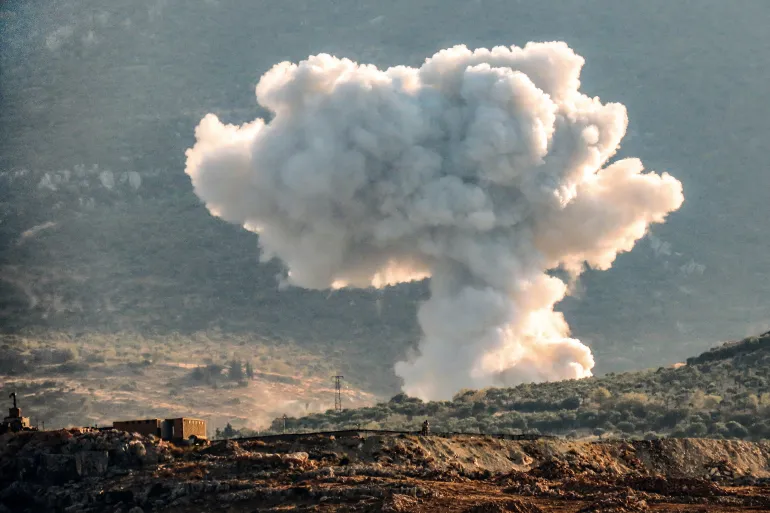
Military actions are often accompanied by political messaging. Statements from US leaders emphasize resolve, deterrence, and commitment to national security. During past administrations, including that of Donald Trump, similar language underscored decisive action against terrorism.
Public discussion of US airstrikes ISIL Syria reassures domestic audiences that threats are being addressed while signaling to allies that the United States remains engaged in global security efforts.
Regional Security Implications
Each round of US airstrikes has ripple effects across the Middle East. Neighboring countries monitor developments closely, mindful of potential retaliation or displacement of militants.
At the same time, degrading ISIL capabilities contributes to broader regional stability. Many governments view sustained pressure on extremist groups as essential to preventing cross border attacks and maintaining order.
Coalition and Partner Support
While US forces often lead these operations, international cooperation remains vital. Coalition partners assist through intelligence sharing, logistical coordination, and strategic planning.
This collaborative approach strengthens the impact of US airstrikes ISIL Syria and ensures that extremist groups cannot exploit gaps between allied forces. Shared responsibility also enhances the legitimacy of ongoing operations.
Civilian Protection and Ethical Considerations
Protecting civilians remains a stated priority. Precision guided munitions, real time surveillance, and post strike assessments are used to reduce harm. Officials emphasize that US airstrikes are conducted under strict rules designed to balance security objectives with humanitarian responsibility.
Operating in complex environments always carries risk, but advances in technology have improved accuracy and accountability.
Debate Over Long Term Effectiveness
Despite tactical successes, US airstrikes ISIL Syria continue to spark debate. Critics argue that military action alone cannot address the political, economic, and social conditions that fuel extremism.
Supporters counter that security is a prerequisite for any long term solution. Without sustained pressure, extremist groups could regain strength, undermining diplomatic and reconstruction efforts.
Why Airstrikes Remain a Key Tool
The continued use of US airstrikes ISIL Syria reflects risk management calculations. Policymakers view targeted strikes as a necessary measure to prevent greater threats from emerging.
Airpower allows the United States to act decisively while avoiding the costs and complexities of large scale deployments. As long as ISIL networks persist, this tool is likely to remain central.
Global Implications of US Airstrikes
The significance of US airstrikes ISIL Syria extends beyond the Middle East. ISIL operates as a global network with affiliates and sympathizers worldwide. Disrupting its core networks reduces its ability to inspire or direct attacks elsewhere.
From this perspective, US airstrikes ISIL Syria contribute to global counterterrorism efforts and protect not only regional allies but also Western nations.
Global Counterterrorism Impact
ISIL operates as part of a broader international network. Disrupting its core elements in Syria weakens its ability to inspire or coordinate attacks elsewhere.
From this perspective, US airstrikes ISIL Syria contribute to global security by limiting the reach and influence of extremist ideology beyond the Middle East.
Looking Ahead
Future operations will depend on intelligence developments and regional conditions. Analysts expect continued vigilance and targeted action as needed.
The persistence of US airstrikes ISIL Syria highlights the reality that counterterrorism is an ongoing commitment rather than a single campaign.
The continued focus on US airstrikes ISIL Syria underscores an enduring challenge in modern security policy. Extremist threats evolve, adapt, and wait for opportunities to return.
Through sustained pressure, international cooperation, and intelligence driven operations, the United States aims to prevent ISIL from regaining momentum. While challenges remain, these efforts reflect a commitment to confronting threats before they escalate.