
Trump Draws Criticism for Mocking Former US Presidents with New White House Plaques
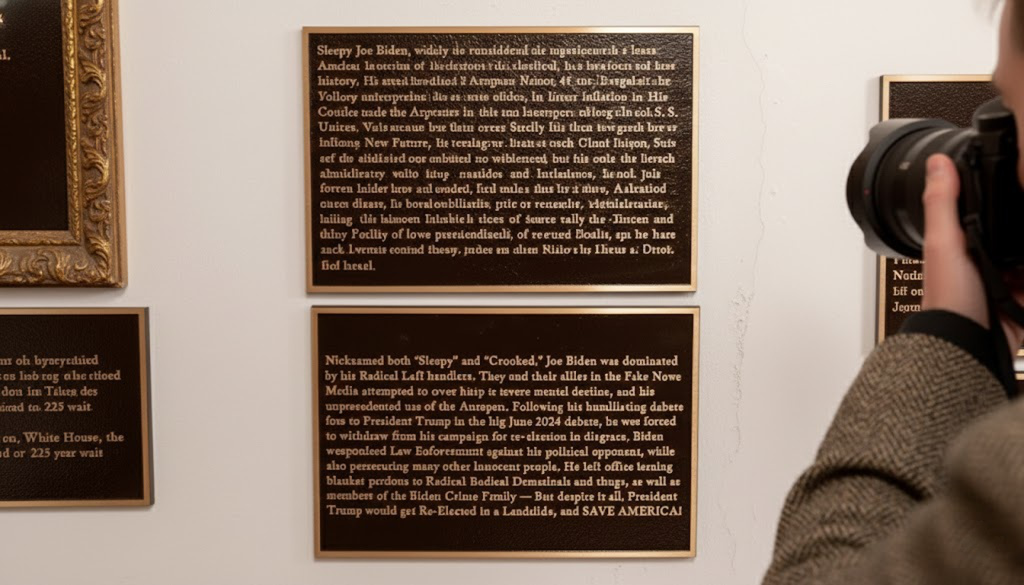
In a move that has sparked widespread controversy, former President Donald Trump has drawn significant criticism for unveiling a series of new White House plaques that mock former US presidents. The plaques, which were installed at Trump’s Mar-a-Lago estate, feature satirical caricatures and sarcastic summaries of the achievements and shortcomings of his predecessors. The unveiling has ignited a heated debate among political commentators, historians, and the public, raising questions about decorum, respect for the office, and the evolving nature of presidential legacy.
A Break from Tradition in Honoring Former Presidents
Historically, tributes to past presidents have been marked by reverence and respect, regardless of political affiliation or personal opinion. Monuments, presidential libraries, and official portraits generally emphasize the positive contributions of each leader, recognizing the weight of their office and the continuity of American democracy. By contrast, Trump’s decision to publicly mock former occupants of the White House through satirical plaques represents a sharp departure from this tradition.
The plaques include exaggerated depictions and biting captions. For example, one plaque caricatures Barack Obama with an exaggerated “Hope and Change” slogan alongside a snide comment about national debt, while another lampoons George W. Bush with a playful jab on his public speaking skills and the Iraq War. Critics argue these displays undermine the dignity of the presidency and fuel partisan division at a time when unity is sorely needed.
Public and Political Reactions to the Plaques
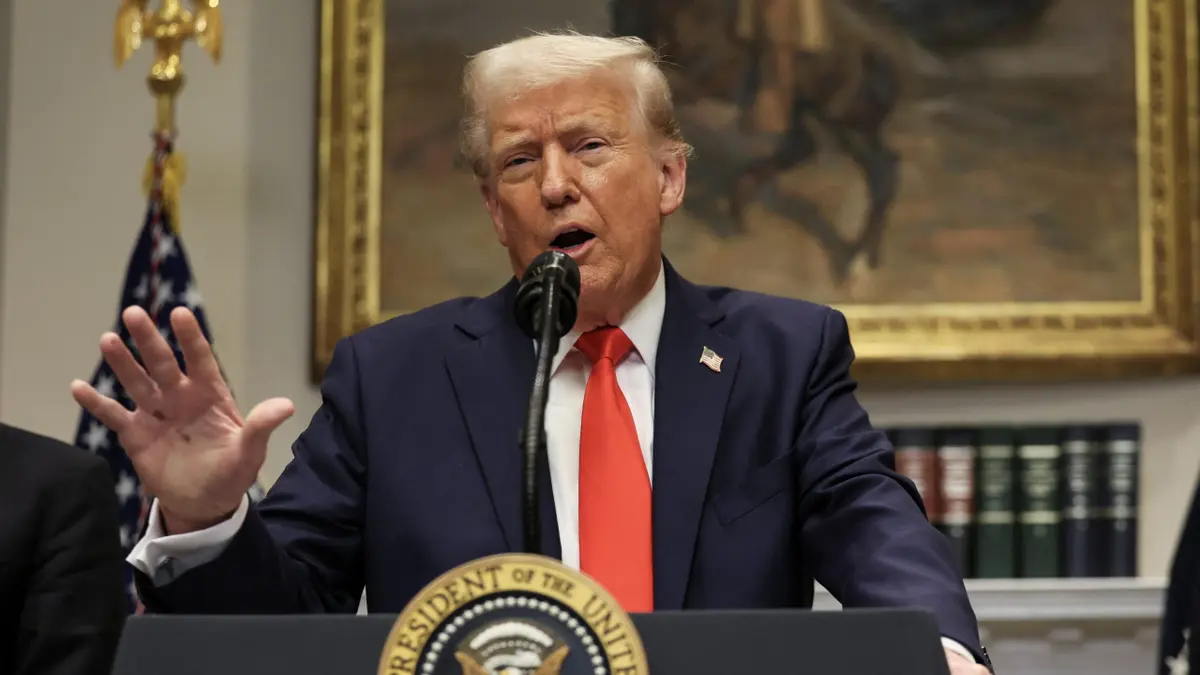
The reaction to the plaques has been swift and polarized. Many political analysts and former White House officials have condemned the display as unbecoming of a person who once held the highest office in the country. “Respect for the presidency transcends politics,” said one former senior advisor. “These plaques risk making the office itself a subject of ridicule rather than reverence.”
Political opponents have seized on the incident to highlight what they describe as Trump’s ongoing pattern of divisive behavior. Representative Alexandria Ocasio-Cortez tweeted, “It’s sad to see a former president who couldn’t uphold the dignity of the office continue to divide and demean those who came before him.”
Conversely, some of Trump’s supporters defend the plaques as humorous and truthful critiques. They argue that his unconventional approach exposes what they see as media biases and political establishment failures. “President Trump is simply telling it like it is,” remarked a supporter during a recent rally. “These plaques give a fresh perspective on the lies and failures of the past.”
How Presidents Traditionally Honor Their Predecessors
Looking back at presidential history, honoring former presidents has typically taken a respectful tone. Thomas Jefferson famously collected portraits of his predecessors and successors, emphasizing the continuity of governance. Franklin D. Roosevelt established the Presidential Library system to preserve the legacies of presidents, focusing on education and historical accuracy.
Even presidents with adversarial relationships with their predecessors maintained public civility. For instance, Abraham Lincoln, despite deep political differences with his predecessors, refrained from mockery in official capacities. This tradition has been part of the broader American political culture, emphasizing that the office is larger than any individual.
Implications for Presidential Legacy and Political Discourse
Trump’s controversial plaques raise important questions about how presidential legacies are constructed and remembered. In an era marked by heightened polarization and media sensationalism, public symbols like these plaques become potent battlegrounds for narrative control.
By using satire and mockery to describe former presidents, Trump is shaping how future generations might perceive these figures, not just through historical scholarship but through a lens of personal criticism and disdain. This approach could erode the customary respect accorded to those who have held the presidency, potentially diminishing the office’s stature in public life.
Moreover, the move reflects broader trends in political communication, where social media and spectacle have diminished the emphasis on decorum. The intertwining of entertainment and politics has created an environment where provocative actions are rewarded with attention and influence.
What Historians and Political Experts Are Saying
Historians have voiced concern that such public mockery may oversimplify complex historical figures into caricatures, which risks distorting public understanding. Dr. Emily Carter, a presidential historian, noted, “History is nuanced, and while critique is essential, reducing presidents to mockery undermines the opportunity for serious reflection.”
Political experts warn that this approach could harden partisan divides. Dr. Michael Gaines, a political scientist, explained, “When former presidents publicly mock their predecessors, it can deepen political tribalism and make bipartisan cooperation more difficult. Respect for the office is crucial for the functioning of democracy.”
Impact on Public Perception and Political Norms
The initiative could have lasting effects on how Americans view their leaders and political traditions. Younger generations might grow more accustomed to viewing politics through the prism of satire and personal attacks, rather than policy and statesmanship. This shift could contribute to voter cynicism and disengagement from political processes.
Furthermore, the normalization of such displays could lower the bar for what is considered acceptable behavior for public officials and former presidents. This change might encourage future officeholders to engage in similar personalization of political disputes, further eroding norms of mutual respect.
The Future of Respect for the Presidency
Trump’s unveiling of satirical plaques mocking former US presidents has ignited a significant cultural and political debate. While supporters defend the plaques as candid critiques that challenge establishment narratives, critics warn of the damaging effects on the dignity of the presidency and national unity.
As America grapples with this controversy, it is worth reflecting on the importance of maintaining respect for the office, even amid heated political disagreements. The presidency symbolizes not only individual leadership but the enduring strength of American democracy. Balancing honest evaluation with civility remains essential for preserving this institution’s integrity for future generations.