Heart Attack Risk Reduction Through Everyday Lifestyle Decisions
Medical researchers are drawing renewed attention to the role everyday habits play in protecting cardiovascular health, as new findings suggest millions of heart attacks could be prevented through simple lifestyle adjustments. Scientists studying long-term population health trends say Heart Attack Risk Reduction is increasingly linked to consistent daily behaviors rather than rare medical interventions.
Heart disease remains one of the leading causes of death globally, yet experts say many cases develop slowly over years, giving individuals opportunities to lower their risk before a cardiac event occurs. Researchers emphasize that prevention strategies focused on physical activity, nutrition, sleep, and stress management show measurable benefits across age groups.

Lifestyle Habits Show Strong Preventive Effect
According to scientists, cardiovascular disease often stems from common risk factors such as high blood pressure, elevated cholesterol, insulin resistance, and chronic inflammation. These factors are strongly influenced by lifestyle.
Studies examining large populations over extended periods show that individuals who adopt healthier routines experience significant Heart Attack Risk Reduction, even when genetic risk factors are present. Researchers note that prevention efforts are most effective when habits are maintained consistently rather than followed sporadically.
Physical Activity Linked to Improved Heart Function
Regular movement is one of the most consistently supported recommendations from cardiovascular researchers. Physical activity improves circulation, lowers blood pressure, and strengthens the heart muscle.
Experts say moderate exercise such as walking, cycling, or swimming provides meaningful protection. Even individuals who begin exercising later in life can benefit, with studies showing improved vascular health and reduced cardiac strain contributing to Heart Attack Risk Reduction.
Researchers also note that breaking up prolonged sitting throughout the day can improve metabolic function and support heart health.
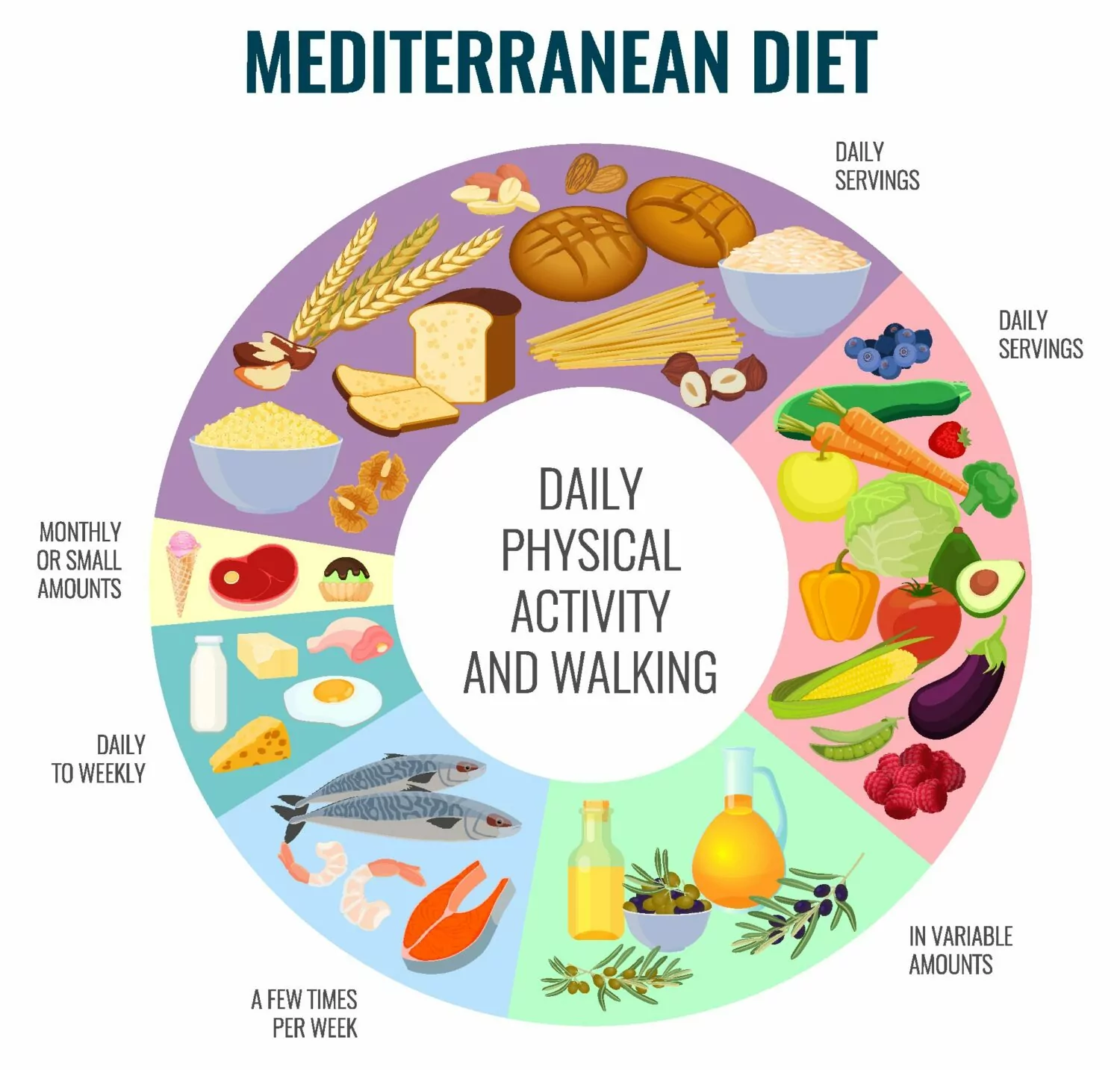
Diet Quality Remains Central to Prevention
Nutrition continues to play a central role in cardiovascular outcomes. Scientists recommend dietary patterns that emphasize whole foods, including vegetables, fruits, whole grains, and healthy fats.
These foods help regulate cholesterol levels and reduce inflammation within blood vessels. Research shows that diets high in processed foods and added sugars are associated with increased cardiovascular risk, while balanced eating patterns support Heart Attack Risk Reduction.
Rather than strict dieting, experts encourage sustainable eating habits that can be maintained long term.
Weight Management Supports Cardiovascular Stability
Excess body weight is closely associated with elevated blood pressure and metabolic disorders that increase heart attack risk. However, researchers stress that dramatic weight loss is not required to see benefits.
Studies indicate that modest, gradual weight reduction improves cardiovascular markers and contributes to Heart Attack Risk Reduction, particularly when combined with physical activity and improved nutrition.
Health professionals emphasize that maintaining stable weight through healthy routines is more effective than repeated cycles of weight gain and loss.
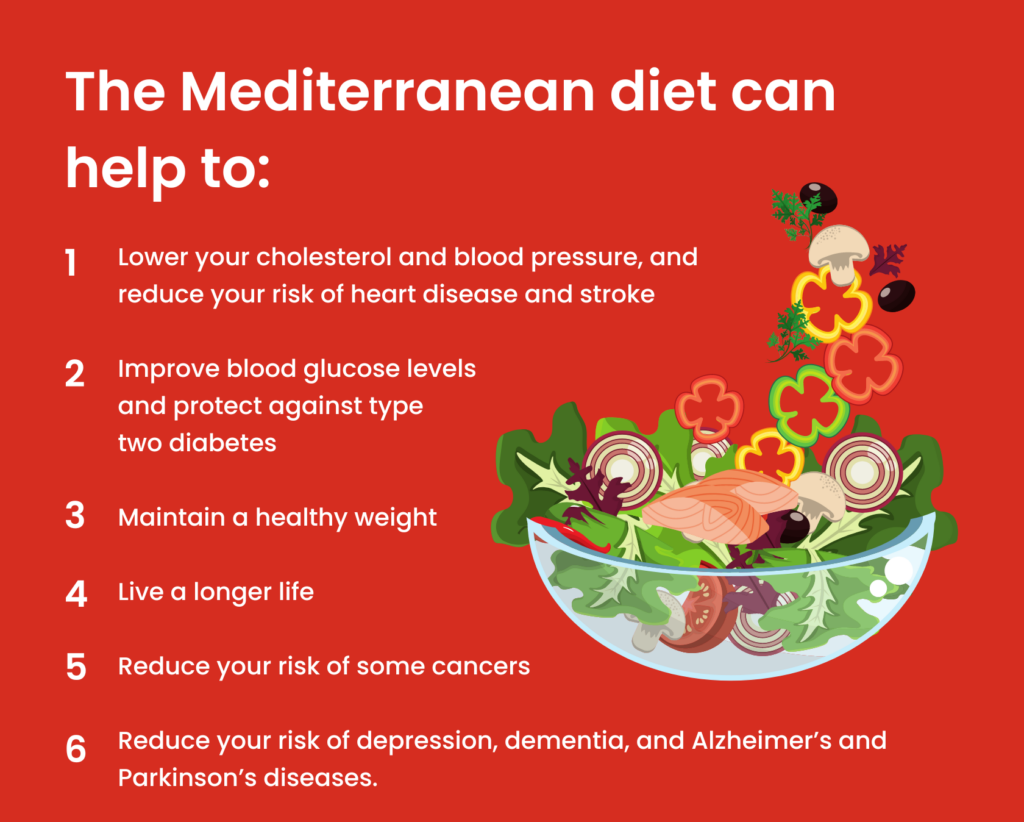
Stress Identified as a Growing Risk Factor
Chronic stress is increasingly recognized as a contributor to cardiovascular disease. Scientists explain that prolonged stress activates hormonal responses that raise blood pressure and promote inflammation.
Research suggests that stress management techniques such as mindfulness, relaxation practices, and social connection can improve heart health. These approaches help regulate nervous system activity and support Heart Attack Risk Reduction, particularly for individuals facing ongoing psychological strain.
Sleep Recognized as a Key Health Indicator
Sleep quality and duration are now considered essential components of cardiovascular wellness. Poor sleep has been linked to increased blood pressure, insulin resistance, and inflammation.
Scientists report that individuals who consistently achieve sufficient, restorative sleep demonstrate improved cardiovascular regulation. As a result, sleep hygiene is increasingly included in recommendations for Heart Attack Risk Reduction.
Smoking and Alcohol Use Remain Critical Factors
Medical experts continue to identify smoking as one of the strongest predictors of heart disease. Quitting smoking leads to rapid improvements in circulation and oxygen delivery.
Alcohol use also requires moderation. Excessive consumption has been associated with elevated blood pressure and weakened heart muscle function. Reducing these exposures supports long-term Heart Attack Risk Reduction, according to public health researchers.
Preventive Care and Early Monitoring
Routine medical screening allows healthcare providers to detect risk factors before they lead to serious events. Monitoring blood pressure, cholesterol, and blood sugar enables early intervention.
Researchers stress that preventive care is most effective when combined with healthy lifestyle choices. Together, these measures create a comprehensive approach to Heart Attack Risk Reduction that adapts as individuals age.
Small Changes Add Up Over Time
One of the strongest conclusions emerging from research is that heart health improves through cumulative behavior. No single habit is responsible for prevention, but rather the combined effect of multiple healthy choices.
Population studies suggest that widespread adoption of basic health habits could significantly reduce heart attack rates. This reinforces the idea that Heart Attack Risk Reduction is achievable at both individual and public health levels.
Experts Emphasize Sustainability
Scientists caution that prevention strategies must be realistic to be effective. Sustainable habits are more protective than short-term efforts that are difficult to maintain.
Experts recommend gradual changes, consistent routines, and flexibility. These approaches improve adherence and support long-term Heart Attack Risk Reduction without overwhelming individuals.
Prevention as a Public Health Priority
Researchers say the growing body of evidence supports a shift toward prevention-focused healthcare. By encouraging physical activity, balanced nutrition, adequate sleep, stress management, and regular medical monitoring, public health initiatives could significantly reduce cardiovascular disease burden.
As scientific understanding continues to evolve, experts agree that Heart Attack Risk Reduction is not only possible but achievable for millions through informed, consistent lifestyle choices.