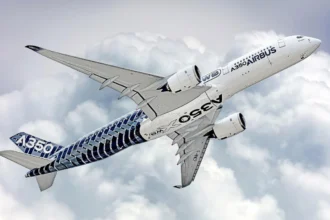

Corporate corruption scandals often make headlines due to their widespread impact on economies, governance, and public trust. Airbus, one of the world’s largest aerospace and defense companies, has been involved in high-profile corruption probes that highlight the risks and challenges of maintaining ethical standards in global business operations. Understanding the background, nature, and consequences of these corruption cases is vital to grasping broader themes of corporate accountability and regulatory enforcement in international markets.
- What Is Airbus Corruption?
- The Origins and Nature of Airbus Corruption Scandals
- The Global Scale and Impact of Airbus Corruption
- Legal and Financial Consequences Faced by Airbus
- Measures to Prevent Corruption in Aerospace and Defense
- Broader Lessons from the Airbus Corruption Saga
- The Future of Corporate Integrity in Aerospace
What Is Airbus Corruption?
Airbus corruption generally refers to alleged or proven unethical and illegal practices within the company involving bribery, kickbacks, or improper influence intended to win contracts or gain competitive advantages. These scandals emerged prominently when investigations by multiple governments and regulatory authorities revealed systematic efforts to secure aerospace contracts through illicit payments and deceptive practices.
Corruption in a multinational enterprise like Airbus involves complex networks often spanning countries and jurisdictions, making detection and prosecution challenging but crucial to ensuring a fair global marketplace.
The Origins and Nature of Airbus Corruption Scandals
The Airbus corruption saga traces back to multiple investigations initiated by authorities in Europe, the United States, and elsewhere. These probes uncovered that the company’s commercial arm engaged in corrupt practices to secure contracts with airlines, governments, and other customers worldwide. Executives and intermediaries allegedly orchestrated bribery schemes using consultants, agents, and third parties to channel improper payments.
According to reports by regulatory bodies such as the UK’s Serious Fraud Office (SFO), the U.S. Department of Justice (DOJ), and French authorities, these illicit payments were often hidden through complex accounting entries and fraudulent invoicing. The use of offshore companies and intermediaries served to disguise the financial trails, reflecting a calculated approach to evade internal controls and external scrutiny.
These investigations revealed that the corruption spanned years and involved multiple deals, impacting both defense and commercial aircraft sectors. This widespread pattern indicated systemic governance failures and a corporate culture that, at least in parts, tolerated unethical behavior for commercial gain.
The Global Scale and Impact of Airbus Corruption
The repercussions of the Airbus corruption cases ripple across many dimensions. Economically, corruption inflates contract costs, distorts competition, and undermines investor confidence. According to the World Economic Forum, corruption in major corporations contributes significantly to market inefficiencies and hampers economic growth.
Moreover, these scandals erode public trust in multinational corporations and regulatory systems. For governments relying on Airbus for defense contracts, the involvement in bribery entails ethical dilemmas and political risks. Citizens lose faith not only in the companies providing essential goods and services but also in the institutions responsible for oversight.
The Airbus corruption cases also placed pressure on international anti-corruption frameworks, spurring greater cooperation among enforcement agencies. The ability of the DOJ, SFO, and other bodies to coordinate cross-border investigations demonstrated the increasing globalization of anti-corruption efforts.
Legal and Financial Consequences Faced by Airbus
Airbus confronted significant legal repercussions as a result of these corruption revelations. In settlements with regulatory authorities, the company agreed to pay substantial fines — in the billions to resolve investigations and avoid protracted litigation. These penalties rank among the largest ever imposed in the corporate bribery space, signaling a strong message about zero tolerance for corruption.
Beyond fines, Airbus instituted robust compliance reforms, including strengthening internal controls, enhancing transparency in procurement processes, and re-evaluating third-party relationships. Internal restructuring and leadership changes followed as the company sought to rebuild trust and restore its reputation.
Legal consequences also extend to individuals identified as complicit in corrupt activities. Criminal prosecutions and sanctions against executives, agents, or intermediaries accompany corporate penalties, reinforcing accountability at multiple levels.
Measures to Prevent Corruption in Aerospace and Defense
The Airbus corruption cases serve as a cautionary example for the aerospace, defense, and broader manufacturing sectors. Preventing corruption requires both internal corporate vigilance and external regulatory oversight.
Internally, companies must establish a culture of ethics where compliance is integrated into every business operation. This involves comprehensive anti-corruption policies, regular employee training, and rigorous audits of financial transactions. Whistleblower protection mechanisms further empower employees to report suspicious activities without fear of retaliation.
Externally, governments and international organizations play crucial roles in setting standards and enforcing laws. Instruments such as the OECD Anti-Bribery Convention and the United Nations Convention against Corruption outline global norms for preventing bribery and promoting transparency. Enhanced coordination among national agencies facilitates detection of cross-border schemes and imposes penalties that deter wrongdoing.
Technological tools also support anti-corruption efforts. Advanced data analytics can help identify anomalies in financial records, while blockchain and digital ledgers offer transparent and tamper-proof transaction trails. Such innovations reduce opportunities for concealment and elevate corporate accountability.
Broader Lessons from the Airbus Corruption Saga
The scandal involving Airbus underscores the need for vigilance in complex global industries, where lucrative contracts and international markets create pressures that can challenge ethical boundaries. It also highlights the importance of strong governance frameworks and active enforcement to safeguard integrity.
Furthermore, transparency and public reporting are essential to restoring stakeholder trust after corruption revelations. Companies that proactively disclose their compliance measures and cooperate fully with investigations are better positioned to recover reputationally and avoid future pitfalls.
From a policy perspective, the Airbus case demonstrates the effectiveness of multi-jurisdictional cooperation in addressing sophisticated corruption. No single nation can effectively police multinational corporations without coordinated efforts and information sharing.
The Future of Corporate Integrity in Aerospace
Looking forward, the aerospace and defense industries are likely to face increased scrutiny from regulators, investors, and the public regarding corruption risks. Sustainability frameworks now also emphasize ethical business practices as part of environmental, social, and governance (ESG) criteria, pushing companies to prioritize transparency.
Regulatory bodies continue to strengthen requirements around reporting, compliance certifications, and corporate accountability. Firms that invest in cutting-edge compliance technologies, cultivate ethical leadership, and engage transparently with stakeholders are positioned to thrive in this evolving landscape.
The lessons learned from Airbus’ experience can serve as a roadmap for companies worldwide aiming to balance aggressive global competition with uncompromising ethical standards.
Dear reader,
Opinions expressed in the op-ed section are solely those of the individual author and do not represent the official stance of our newspaper. We believe in providing a platform for a wide range of voices and perspectives, even those that may challenge or differ from our own. We remain committed to providing our readers with high-quality, fair, and balanced journalism. Thank you for your continued support