
Unified Stance of Afghanistan’s Democratic Opposition & Coordination with European, International, and Afghan Representatives, Global Significance, Political Imperatives & the Necessity of an Alternative Governance Framework
The High-Level International Summit convened in Brussels from 3–5 December 2025, brought together the Afghan Democratic Opposition, senior European diplomats, international civil society institutions, and global human-rights advocates. The objective was to rigorously examine through an evidence-based, geopolitical and humanitarian lens the severe, multidimensional crises created under the Taliban’s absolutist rule.
The summit’s principal conclusion underscored that Afghanistan’s exit from its deepening national and regional crisis requires the establishment of a legitimate, people-mandated, broad-based, and internationally compliant political order. European institutions, in particular, conveyed with utmost clarity that the Taliban’s ideological, non-electoral, and exclusionary regime not only violates fundamental rights of the Afghan population, but also constitutes a systemic and long-term threat to regional stability and global security.
The purpose of the Brussels conference was to consolidate international political will behind a sustainable transition mechanism one that guarantees women’s education, human-rights protections, inclusive political participation, ethnic equality, freedom of expression, national unity, and the formation of a rule-based state.
The international community now recognizes that Afghanistan is not facing an isolated domestic breakdown; rather, it stands on the verge of once again becoming a global epicenter of extremist militancy, posing grave security risks to Europe, the United States, Asia, and the Middle East. The summit reaffirmed that the security vacuum under Taliban rule is a shared global responsibility.
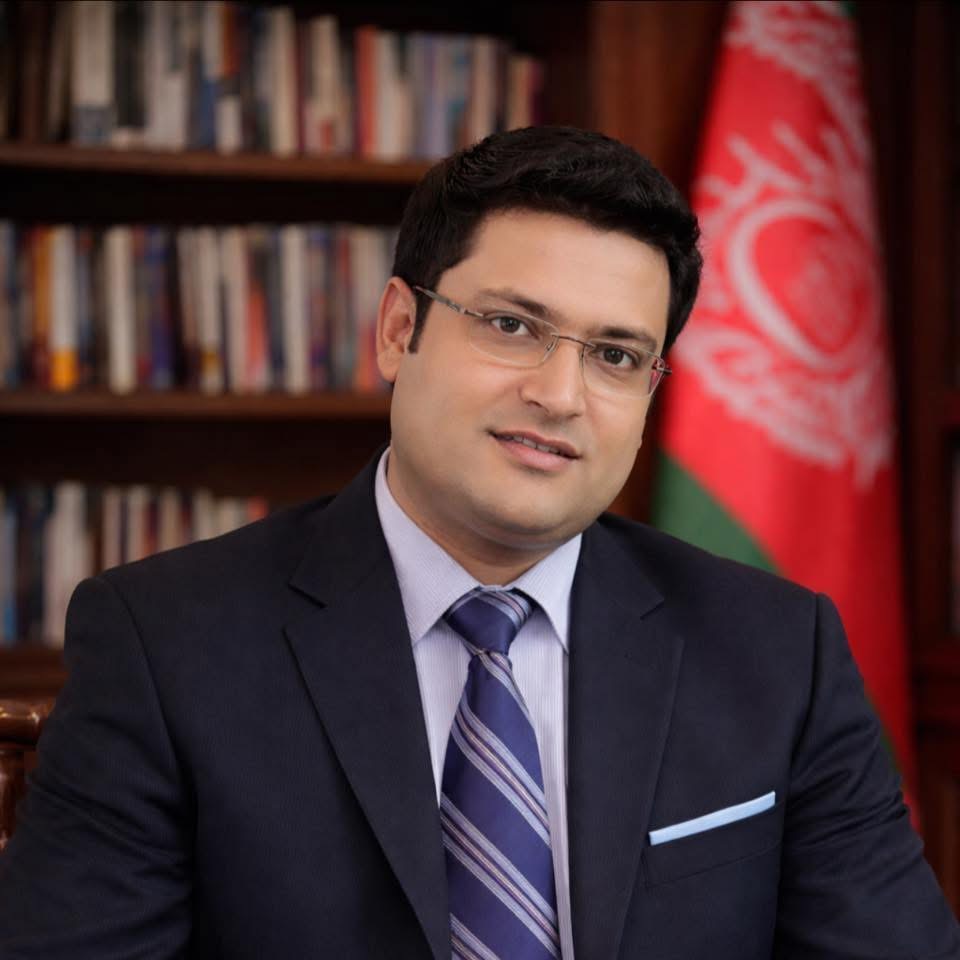
Among the most significant contributions was the formal statement by Professor Dr. Mustafa Kamal Salarzai, Founder and Leader of the Law and Justice Civil Movement of Afghanistan, who emphasized that Afghanistan must pursue a national consensus-driven governance model, anchored in justice, human rights, women’s freedoms, democratic values, ethnic inclusion, and adherence to international norms.
The summit delivered a clear message:
If the world seeks to prevent the resurgence of transnational terrorism, narcotics expansion, unlawful migration, and regional destabilization, then it must support the creation of a legitimate, credible, and electoral alternative system in Afghanistan.
Strategic, Economic & Political Stakes for the European Union
Europe stands as a principal pillar of global governance, and its long-term security is directly intertwined with developments in Central Asia, South Asia, and the Middle East. The Brussels summit emphasized that a stable, democratic, rights-respecting Afghanistan is vital to Europe’s security architecture and economic future.
The Taliban-controlled Afghanistan poses multiple critical threats to Europe:
1. Irregular Mass Migration
Hundreds of thousands of Afghans fleeing Taliban oppression have triggered humanitarian, financial, and security pressures across Europe.
A stable Afghanistan would reduce migration flows by tens of percentage points.
2. Transnational Terrorism
The consolidation of extremist networks under Taliban protection constitutes a direct and imminent threat to European homeland security.
3. Economic Burden
Europe currently spends billions of euros annually on refugee management, humanitarian relief, and security measures.
A stable Afghanistan would dramatically decrease these expenditures.
4. Narcotics Trafficking
Afghanistan’s deteriorating economy under Taliban rule has intensified drug smuggling globally.
Only a legal, institutionalized state can dismantle this threat.
5. Strategic Economic Corridors
A stable Afghanistan creates new avenues for:
Central Asian energy to reach Europe,
Streamlined Asia–Europe trade routes,
Massive investment in transport and logistics corridors.
Thus, the Brussels summit was not merely an Afghan political discussion, but a blueprint for Europe’s security and economic outlook for the coming decades. Europe signaled clearly humanitarian aid alone is insufficient strategic political transformation in Afghanistan is essential.
Economic Opportunities for Europe: Energy Routes & New Investment Frontiers
Afghanistan sits at the crossroads of four major economic spheres:
Central Asia, South Asia, China, and the Middle East.
With a legitimate and democratic government, Europe could access unprecedented economic opportunities:
1. Secure Energy Corridors
Post-2022, Europe is actively diversifying its energy routes. Afghanistan could serve as:
A transit hub for Central Asian gas and oil to Europe,
A low-cost route for energy pipelines,
A strategic bridge in China–Europe commercial logistics.
2. High-Value Trade Corridors
A democratic Afghanistan would strengthen Euro-Asian transport networks, reducing costs and increasing trade velocity.
3. Investment Destinations
Europe could invest billions in:
Mining (lithium, copper, rare metals),
Energy infrastructure,
Logistics and transit,
Agriculture,
Technology sectors.
4. Reliable Investment Protections
Foreign investment requires lawful governance—something impossible under Taliban rule but guaranteed under an internationally recognized system.
5. Transition from Aid to Partnership
Instead of spending billions on humanitarian support, Europe could redirect those funds toward economic cooperation and mutual growth.
Thus, the Brussels summit affirmed:
Europe needs a stable Afghanistan almost as much as Afghanistan needs international support.
Global Security Interdependence: Why Afghanistan Matters
Few nations are as consequential to global security dynamics as Afghanistan.
A destabilized Afghanistan produces:
- Re-emergence of transnational terrorist networks
- Expansion of trafficking and criminal syndicates
- Escalating irregular migration to Europe
- Deepening humanitarian catastrophes with global ripple effects
Europe clearly acknowledges:
“The security of Afghanistan is integral to the security of Europe.”
The Brussels summit aimed to mobilize a unified international strategy to address this reality.
It reiterated that the Taliban regime is a major structural vacuum in global security, and only a legitimate, inclusive, electoral political order can fill that vacuum.
Global Relevance of the Afghanistan Law and Justice Civil Movement’s Agenda
The foundational principles articulated by Professor Dr. Mustafa Kamal Salarzai, representing the Law and Justice Civil Movement, align not only with Afghan national aspirations but also with:
International humanitarian law
European democratic values
Universal human-rights standards
Global security frameworks
Core Demands with International Legitimacy:
- A strong, lawful, democratic, and electoral political system
- Full freedom of education and employment for women and girls
- Equal rights for all citizens
- Fair and proportional representation for all ethnic groups
- Freedom of expression & democratic governance
- Protection of children’s rights
- Supremacy of the constitution and rule of law
- Commitment to global security obligations
These principles form a comprehensive roadmap for Afghanistan’s future governance—a roadmap with immense implications for Europe’s stability, global security, economic development, and regional cooperation.
Europe understands that: A democratic, stable, rights-protecting Afghanistan strengthens European security, boosts its economic influence, and reduces long-term geopolitical risks. Thus, the agenda of the Law and Justice Civil Movement represents a credible, legitimate, internationally viable blueprint for Afghanistan’s political transformation.
Conclusion: A strong, democratic, peaceful, and law-governed Afghanistan is the gateway to a safer, more stable, and economically stronger Europe.
Dear reader,
Opinions expressed in the op-ed section are solely those of the individual author and do not represent the official stance of our newspaper. We believe in providing a platform for a wide range of voices and perspectives, even those that may challenge or differ from our own. We remain committed to providing our readers with high-quality, fair, and balanced journalism. Thank you for your continued support.