

Belgium is a country steeped in history, art, and culinary excellence, with charming cities that reflect centuries of cultural richness. Among these, Ghent and Bruges stand out as two of the most iconic destinations, both captivating travelers with their unique character, beautiful architecture, and lively atmospheres. For visitors planning a one or two-day trip in Belgium, choosing between Ghent or Bruges can be a delightful dilemma.
- Introduction: Belgium’s Timeless Heritage and Vibrant Culture
- The Difference Between Ghent and Bruges: A Tale of Two Cities
- What Is Ghent Famous For?
- What Is Bruges Famous For?
- Ghent or Bruges? Deciding Which City Matches Your Travel Style
- Experiencing Ghent: Top Things to Do and See
- Experiencing Bruges: Must-See Attractions and Activities
- Practical Tips: Where to Stay and How to Get Around
- Ghent or Bruges – The Best Choice for Your Belgian Journey
Introduction: Belgium’s Timeless Heritage and Vibrant Culture
Belgium attracts visitors with its compact size that packs extensive history, world-class cuisine, and picturesque towns into an easily navigable country. Both Ghent and Bruges are UNESCO World Heritage Sites celebrated for their medieval architecture, canals, and rich cultural offerings. While they share many traits—such as outstanding beer, chocolate shops, canal cruises, and art museums—the atmosphere in each city is distinct, creating very different travel experiences.
Ghent tends to be seen as a dynamic, youthful city with a buzzing student population and contemporary arts scene, while Bruges enchants with its fairytale-like medieval charm and romantic ambiance. This article explores the essence of each to help you decide which city aligns with your travel interests.
The Difference Between Ghent and Bruges: A Tale of Two Cities
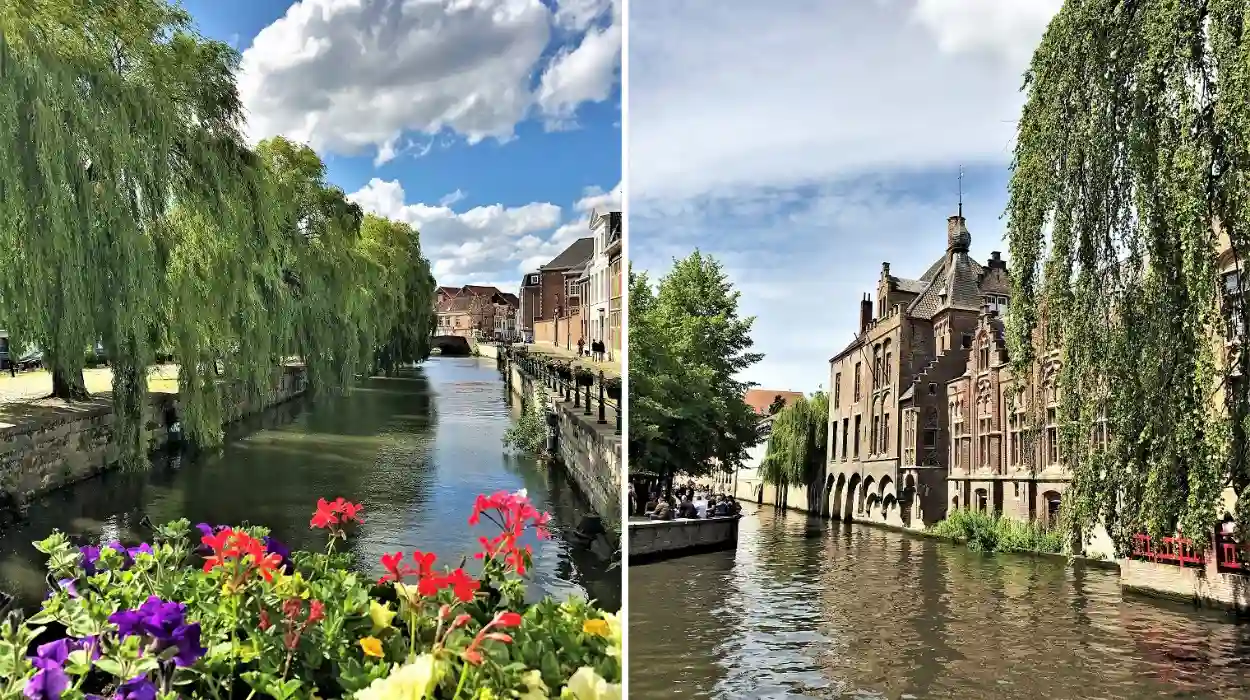
At first glance, Ghent and Bruges may appear similar to the casual traveler—both feature cobblestone streets, stunning canals, Gothic spires, and rich histories. However, the difference lies in their vibe, pace, and appeal.
Ghent is often described as the vibrant rebel, a place where medieval heritage meets modern life. It boasts a thriving contemporary arts scene, abundant street art, and numerous festivals that ignite its lively streets throughout the year. The city is large enough to incorporate bustling markets, trendy cafes, and a university-indulged nightlife, making it a pulsating hub for culture and creativity.
Bruges, on the other hand, is more like a stately belle dressed in medieval finery. Its pristine city center feels like stepping into a meticulously preserved storybook. Bruges is more about romance and immersion in a near-perfect medieval environment, appealing to travelers longing for a quieter, scenic, and contemplative experience. Tourist crowds are heavier here, drawn by the iconic Belfry tower, serene Begijnhof, and masterpieces like Michelangelo’s Madonna and Child sculpture housed in the Church of Our Lady.
The key difference: Ghent offers a blend of historic charm and contemporary buzz; Bruges offers a fairy tale experience that feels almost untouched by modern hustle.
What Is Ghent Famous For?
Ghent’s fame rests on its rich medieval past abundantly visible in its architecture and public art. The city is home to the Ghent Altarpiece—one of the most important works of early Northern Renaissance art. Its medieval Gravensteen Castle, now a museum showcasing medieval weaponry and history, provides a window into its turbulent past.
Ghent is also famous for its canals, which are less commercialized than those in Bruges, offering more tranquil boat rides. Its green spaces and outdoor markets invite locals and visitors to mingle comfortably away from tourist crowds.
Modern Ghent thrives with its arts festivals, open-air concerts, and a youthful population that keeps its streets vibrant and diverse. It’s a city that balances its cultural legacy with street art, contemporary design shops, and an innovative food scene featuring Belgian staples along with international cuisine.
What Is Bruges Famous For?
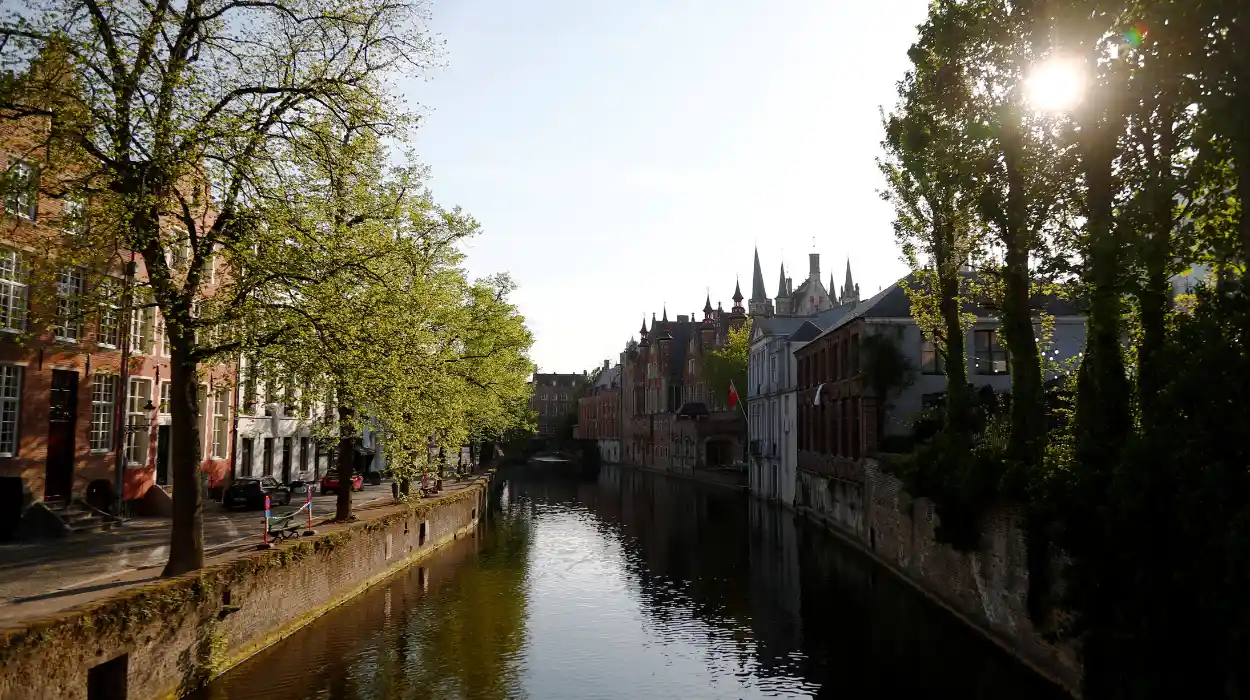
Bruges has long held the nickname “Venice of the North” thanks to its extensive canal network which winds through the city’s UNESCO-listed medieval core. It is celebrated for its exceptional preservation, with narrow cobblestone streets, medieval buildings with stepped gables, and scenic bridges that transport visitors back in time.
The city’s landmarks include the Belfry of Bruges, a monumental bell tower offering panoramic views, and the tranquil Begijnhof—a historic community of lay religious women. Bruges also houses the Church of Our Lady, which contains Michelangelo’s marble Madonna and Child—the only sculpture by the artist to leave Italy.
Bruges’ reputation extends to its culinary delights, particularly artisanal chocolates and traditional Belgian beers. The lace museums and shops add to its artisanal and old-world charm, attracting visitors seeking romantic strolls and cultural indulgence in elegant surroundings.
Ghent or Bruges? Deciding Which City Matches Your Travel Style
Choosing between Ghent and Bruges depends primarily on what kind of travel experience you’re seeking:
- If you enjoy a city with a modern pulse interwoven with rich history, eclectic art scenes, lively markets, and fewer tourists, Ghent is your pick.
- If you prefer a quintessential medieval town with romantic canals, iconic architecture, and a storybook setting, despite larger crowds, then Bruges will captivate you.
Ghent is often described as more “authentic” by travelers who appreciate urban diversity and cultural vibrancy. Bruges, while stunning, can feel more like an open-air museum packed with tourists during peak seasons, which some find detracts from its charm.
Experiencing Ghent: Top Things to Do and See
In Ghent, slow down and wander the labyrinth of medieval streets, soak in the mix of history and modernity, and enjoy the relaxed café culture:
- Visit Saint Bavo Cathedral, housing masterpieces by Rubens and the van Eyck brothers.
- Explore the Gravensteen Castle, which now serves as a fascinating museum of medieval weaponry.
- Enjoy a tranquil canal boat tour, offering a unique view of the city’s stunning architecture.
- Sample local brews and Belgian waffles in cozy pubs and cafes.
- Attend one of the many vibrant arts festivals or open-air markets.
Ghent’s youthful energy also means you’ll find street art, vibrant nightlife, and bustling open markets, which make for lively after-dark exploration.
Experiencing Bruges: Must-See Attractions and Activities
Bruges invites visitors into a timeless wonderland with key experiences centered around its heritage and culinary traditions:
- Climb the Belfry Tower for breathtaking views over the rooftops and canals.
- Walk through the serene Begijnhof and soak in the spiritual calm.
- Marvel at Michelangelo’s Madonna and Child in the Church of Our Lady.
- Take a romantic horse-drawn carriage ride through cobblestone streets.
- Indulge in handcrafted chocolates and savor the taste of Belgium’s finest beers.
- Discover the intricate artistry in Bruges’ lace museums and workshops.
- For a unique perspective, soar over the city in a hot air balloon ride, complete with champagne.
Bruges is ideal for those looking to embrace a romantic and historic setting layered with exquisite sensory experiences.
Practical Tips: Where to Stay and How to Get Around
In Ghent, accommodations range from charming boutique hotels nestled in the old town to modern urban stays. A few recommended hotels include 1898 The Post, known for its unique design and central location, and Yalo Urban Boutique Hotel, which features rooftop bars and proximity to major sights.
In Bruges, classic and cozy hotels are plentiful. Top picks for visitors include Hotel Fevery and Hotel Boterhuis, which offer both comfort and authentic ambiance close to the city’s historic heart.
Both cities are highly walkable, with most main attractions located within a compact radius. Canal tours offer scenic transit options, while bicycles are a popular and convenient way to explore the less crowded streets. Public transport links also make it easy to travel between Ghent, Bruges, and other Belgian cities.
Ghent or Bruges – The Best Choice for Your Belgian Journey
Ghent and Bruges each entice visitors with their own spellbinding charms and experiences. Ghent blends a rich medieval history with an upbeat, contemporary cultural scene and fewer tourists, making it perfect for travelers looking for authenticity with modern flair. Bruges, a postcard-perfect medieval city, offers timeless romance, iconic landmarks, and a highly polished tourist appeal.
Ultimately, the choice depends on your interests, time constraints, and preferred pace of travel. Whenever possible, visiting both cities offers the best of Belgian heritage—one city painting a vibrant picture of living culture, the other preserving the beauty of centuries past.
Dear reader,
Opinions expressed in the op-ed section are solely those of the individual author and do not represent the official stance of our newspaper. We believe in providing a platform for a wide range of voices and perspectives, even those that may challenge or differ from our own. We remain committed to providing our readers with high-quality, fair, and balanced journalism. Thank you for your continued support.