
Lobbying in Brussels stands as a cornerstone of the European Union’s policymaking ecosystem, shaping legislation that affects millions across the continent and beyond. As of 2025, the lobbying profession in Brussels has evolved in scale, sophistication, and significance, reflecting the EU’s growing global influence and regulatory reach.
How Many Lobbyists Are There in Brussels?
The number of lobbyists operating regularly in Brussels is estimated to be around 25,000 individuals, according to Transparency International and other reputable organizations active in lobbying transparency. These professionals work across approximately 14,815 registered organizations listed in the EU’s Transparency Register, an official EU public database aimed at shining a light on lobby activities.
This number has grown from around 10,000 lobbyists two decades ago when the EU had fewer member states, underscoring the correlation between the EU’s enlargement and the expansion of lobbying activities.
Alongside these core lobbyists based in Brussels, an additional 10,000 to 15,000 lobbyists operate elsewhere in Europe, occasionally influencing Brussels-based EU decision-making. The total influential lobbyist community thus surpasses 35,000 individuals, making the EU capital the world’s second-largest global lobbying hub, after Washington, D.C.
Breakdown of Lobbying Actors
Lobbyists in Brussels represent diverse interests across a broad spectrum of sectors and issues. The largest segment consists of corporate and industry groups, where multinational corporations and industry federations dominate.
These entities hail from sectors with high regulatory stakes such as finance, energy, pharmaceuticals, technology, and agriculture. Given the significance of EU regulations in these domains, these organizations allocate substantial resources and personnel to influence policymaking and protect their interests effectively.
Trade associations and professional bodies also maintain active advocacy offices in Brussels, representing collective interests of businesses, professions, or industries. Their cohesive lobbying efforts aim at ensuring that general industry-wide concerns and standards are considered within EU legislation.
Non-governmental organizations (NGOs) play a crucial counterbalance role by advocating for social, environmental, human rights, and consumer protection issues. These civil society groups strive to influence EU policies towards sustainability, social justice, and ethical governance.
Consultancies and law firms function as intermediaries, providing dedicated services such as advocacy, legal counsel, and communications strategy. They act on behalf of clients, helping to navigate the complexities of EU policymaking and amplifying their clients’ voices in Brussels.
Public authorities, including regional and local governments, maintain a presence to ensure that their interests and specific regional concerns are factored into EU policies, particularly those related to cohesion funds, economic development, and infrastructure.
Finally, think tanks and academic institutions contribute by conducting research, policy analysis, and offering evidence-based recommendations. Their participation enriches the legislative process with data-driven insights and expert evaluations.
Together, these various actors create a vibrant, multifaceted lobbying landscape in Brussels, where diverse interests meet and compete to shape the formulation and implementation of EU policies.
Reasons for Growth in Lobbying

The substantial growth in lobbying numbers over the past decades is closely linked to several key factors. One of the main drivers is EU enlargement—the Union has expanded from 15 member states twenty years ago to the current 27, introducing a larger pool of stakeholders eager to influence policymaking at the European level.
Each new member country adds its own corporate, political, and societal interests, increasing the complexity and scale of lobbying in Brussels.
Another significant factor is the increased regulatory complexity within the EU. As the Union has expanded its legislative reach into new and evolving fields—such as digital services, climate change policies, competition law, and consumer protection—the demand for specialized lobbying has soared.
Companies and organizations have recognized the need to engage with regulators and lawmakers to navigate and shape these intricate rules effectively.
The ongoing trend of business globalization also plays a crucial role. Many global corporations regard Brussels as a critical node in their international operations, given the EU’s regulatory influence on global markets.
This global outlook has intensified their lobbying activities, with companies staffing up their Brussels offices and investing considerable resources to protect and advance their interests.
Furthermore, key political and social developments—including mounting concerns about sustainability, the regulation of artificial intelligence, privacy, financial oversight, and the economic recovery following the COVID-19 pandemic—have brought new urgency and volume to lobbying efforts. These issues attract a broad spectrum of actors aiming to shape the EU’s policy responses.
Lastly, the UK’s exit from the EU (Brexit) has not dampened lobbying activity from British entities. On the contrary, British corporations and associations have increased their presence in Brussels to maintain influence, compensating for the loss of their government’s formal channels within the EU policymaking environment.
Together, these dynamics have fueled a robust growth in lobbying at the heart of the EU, reflecting the wider economic, political, and social evolution of Europe itself.
Activities and Access Points
Lobbyists in Brussels employ a range of formal and informal methods to influence the European Union’s legislation and policy-making processes. Central to their approach are frequent meetings with European Commissioners, Members of the European Parliament (MEPs), and other EU officials.
These regular interactions provide early and ongoing opportunities to shape the direction and details of policy proposals, allowing lobbyists to present their interests, convey information, and build relationships crucial for effective advocacy.
In addition to personal meetings, lobbyists actively participate in public consultations and advisory committees. The European Commission and Parliament invite stakeholders to share their views on draft legislation through formal consultation processes.
Lobbyists submit detailed responses to these consultations, ensuring their concerns and suggestions are officially recorded and considered.
Participation in expert working groups and committees further allows lobbyists to provide input into policy drafts, lending specialized knowledge that can influence legislative outcomes.
Lobbyists also organize and attend events and conferences that facilitate networking and the exchange of ideas. These platforms serve as venues for presenting research findings, debating policy directions, and building consensus among various stakeholders. Such gatherings help create coalitions and amplify advocacy efforts.
Moreover, lobbyists produce and disseminate position papers and briefings containing data-driven arguments that support their clients’ interests. These documents offer detailed analyses and recommendations designed to inform policymakers with credible evidence and rationale.
Finally, grassroots mobilization and digital advocacy have become increasingly prominent in recent years. Lobbyists leverage social media campaigns, online petitions, and community engagement strategies to influence public opinion and, indirectly, decision-makers.
This blend of traditional and modern tactics reflects the dynamic nature of lobbying in Brussels, where multifaceted approaches are essential to shaping the complex EU policy landscape effectively.
Transparency and Regulation
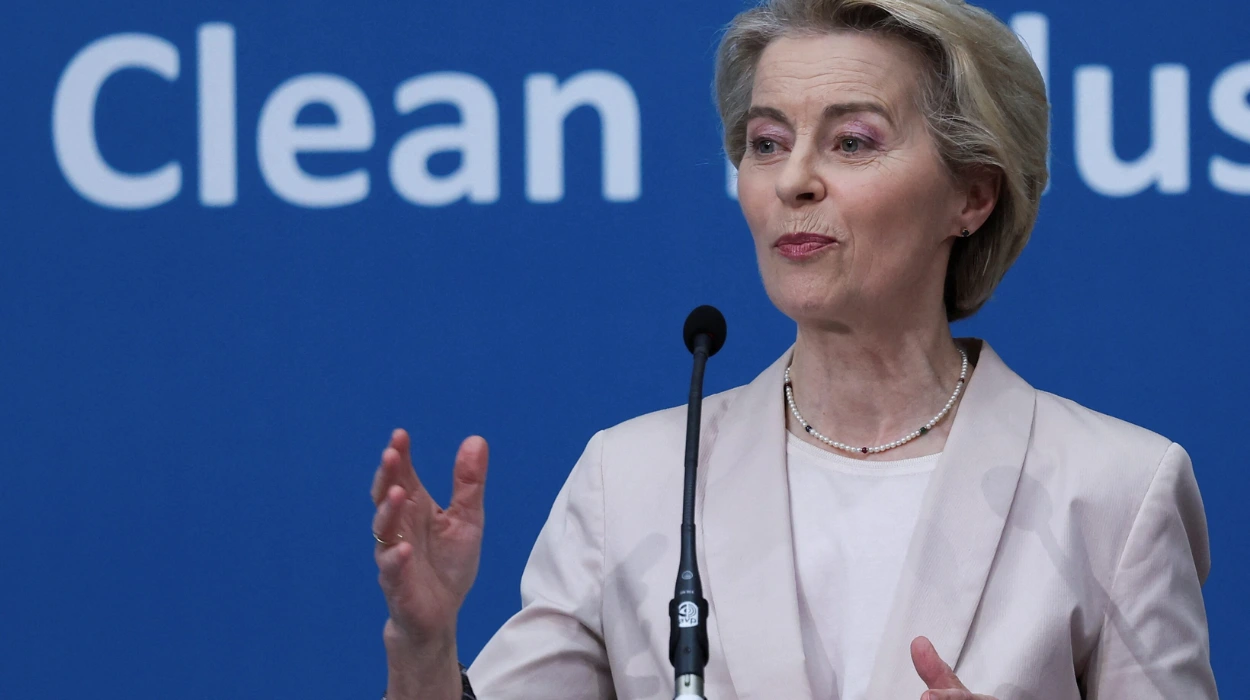
The European Union has implemented robust measures to promote transparency and accountability in lobbying activities within its institutions. Central to these efforts is the European Transparency Register, which mandates organizations and individuals engaged in lobbying to declare their objectives, sources of funding, and the number of staff involved in their advocacy work.
This public registry enhances openness by allowing citizens to see who is attempting to influence EU policies and on whose behalf.
Registration in the Transparency Register is not merely symbolic; it is linked to important privileges within the EU political system. For instance, only registered lobbyists can obtain access badges granting entry to the European Parliament and are eligible to participate in official events and hearings, thus ensuring that only entities willing to disclose key information about their lobbying activities have the opportunity to engage directly with policymakers.
Since 2019, Members of the European Parliament (MEPs) have been required to publish all scheduled meetings with lobbyists related to legislation they oversee on a publicly accessible online platform.
This unprecedented visibility brings transparency to interactions that were previously private, allowing citizens and watchdog organizations to monitor the lobbying landscape more closely and reduce behind-the-scenes influence.
Ethical conduct is also enforced through codes of conduct that bind both lobbyists and EU officials. These codes set out clear expectations for acceptable behavior, including prohibitions on conflicts of interest, corruption, and undue influence, thereby establishing a framework aimed at preserving the integrity of policy development.
Complementing institutional regulations, civil society organizations, notably Transparency International EU, play a pivotal role in monitoring lobbying practices. Through research, advocacy, and public awareness campaigns, these groups push for stronger regulations, more comprehensive mandatory registrations, and effective enforcement mechanisms to ensure lobbyists’ accountability and safeguard democratic values within the Union.
These combined mechanisms—transparent registration, public disclosure, ethical codes, and vigilant watchdogs—reflect the EU’s ongoing commitment to fostering a transparent and balanced lobbying ecosystem that enhances policy quality while protecting public trust.
Challenges and Critique
Despite the progress, concerns remain:
- Dominance of Corporate Interests: Large corporations with substantial budgets often overshadow smaller actors or NGOs.
- Incomplete Transparency: Registration is voluntary for some sectors, and data quality varies.
- Risk of Regulatory Capture: Powerful interests may unduly influence regulations.
- Complexity and Access: Smaller stakeholders may find difficulty navigating Brussels’ opaque lobbying networks.
Efforts to address these issues include expanding mandatory registration and enforcing ethics standards.
Future Outlook: Skills and Trends in Lobbying
The next generation of lobbyists will adapt to evolving political and technological environments by:
- Enhancing digital skills for data analytics, social media engagement, and online advocacy.
- Leveraging grassroots mobilization to build public support around issues.
- Combining national and EU-level expertise to shape multi-layered policymaking.
- Emphasizing transparency and ethical standards to build public trust.
As the EU faces new challenges such as AI regulation, climate change policies, and evolving trade relations, lobbying will remain a dynamic and complex profession.
With about 25,000 lobbyists regularly active in Brussels representing myriad interests, lobbying forms an essential part of the EU’s legislative and policy-making fabric. It provides diverse expertise, fosters democratic participation beyond elections, and influences laws impacting vast populations.
The expansion of lobbying over the last 20 years mirrors the EU’s growth, while ongoing reforms aim to balance influence with transparency and integrity.
Understanding the number, nature, and role of lobbyists in Brussels is crucial for anyone seeking insight into how the EU functions and evolves. As lobbying continues to grow alongside digital transformation and new policy challenges, its transparency and ethical regulation will be key to sustaining democratic legitimacy in the heart of Europe.
Dear reader,
Opinions expressed in the op-ed section are solely those of the individual author and do not represent the official stance of our newspaper. We believe in providing a platform for a wide range of voices and perspectives, even those that may challenge or differ from our own. We remain committed to providing our readers with high-quality, fair, and balanced journalism. Thank you for your continued support.