

Traveling to Europe in 2025 will bring several important changes that travelers must understand to avoid disruptions and plan their trips smoothly. The European Union (EU) continues to enhance border security, streamline entry procedures, and introduce new travel authorizations affecting millions of visitors, including UK nationals post-Brexit.
- Bulgaria and Romania Join the Schengen Area
- Introduction of the Entry/Exit System (EES)
- Purpose of EES
- Impact on Travelers
- The European Travel Information and Authorization System (ETIAS)
- Reintroduction of Internal Border Controls
- New Electronic Travel Authorization (ETA) Requirements for the UK
- Key Features of the UK ETA
- Spain’s New Personal Data Collection Rules
- Greece’s Increased Tourist Taxes
- Venice’s Increased and Extended Tourist Entry Fee
- European Airports and Carry-On Liquid Restrictions
- Harmonized Carry-On Luggage Rules Coming Soon
Whether heading for a short holiday, business, or family visit, being aware of these changes—including the Entry/Exit System (EES), the European Travel Information and Authorization System (ETIAS), updated visa rules, and UK’s Electronic Travel Authorization (ETA)—is critical.
Bulgaria and Romania Join the Schengen Area
One of the landmark changes starting January 1, 2025, is the full inclusion of Bulgaria and Romania into the Schengen Area. Previously, since March 31, 2024, these countries had partial membership with lifted sea and air border controls but retained land border checks. Their full membership now abolishes all internal border controls with other Schengen states, facilitating seamless travel across much of Europe.
Though border controls are removed, random spot checks will still occur for six months to deter illegal migration and security threats. Depending on nationality and purpose, travelers may still need to apply for visas to these countries until fully harmonized procedures are established. Additionally, Bulgaria maintains temporary land controls with Romania to manage transitional issues.
Introduction of the Entry/Exit System (EES)
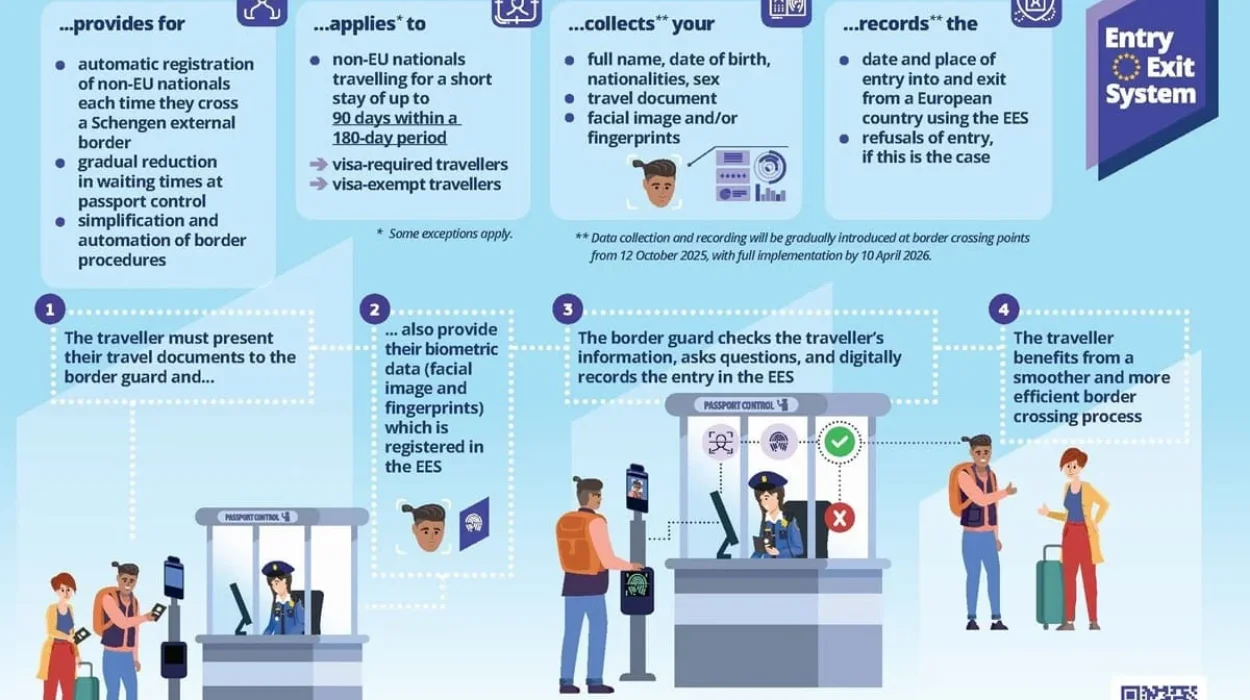
Starting from October 12, 2025, the EU will implement the Entry/Exit System (EES), an advanced biometric IT platform aimed at automating travelers’ entry and exit registrations from the Schengen border. The EES replaces the traditional manual stamping of passports with electronic records capturing fingerprints and facial images at all external borders.
Purpose of EES
The system’s primary goal is to strengthen border security by tracking arrivals, departures, and refusals, reducing illegal overstays, and enabling effective migration management. It also enhances traveler safety by providing authorities with real-time information on who is in the Schengen Area.
Impact on Travelers
EES affects all third-country nationals, including visa-exempt visitors who stay less than 90 days within any 180-day period. Citizens of Schengen and EU countries, along with certain exempt travelers, are not subject to EES. Border processes may take a few extra minutes as biometric data is captured, potentially leading to longer wait times, especially during peak seasons.
The European Travel Information and Authorization System (ETIAS)
Following EES, the EU will introduce ETIAS, a mandatory travel authorization for visa-free travelers to enter Schengen states and Cyprus. Scheduled to begin operations in late 2026, ETIAS functions similarly to the U.S. ESTA system.
Who Needs ETIAS?
Nationals from approximately 60 countries, including the UK, USA, Canada, Australia, and Japan, who currently do not require a visa to enter Europe for short stays will need to apply online for ETIAS before travel.
Application Process
Travelers must submit personal and trip details via an online form, pay a fee of 7 euros (free for children under 18 and seniors over 70), and await approval, which can take up to 96 hours. The authorization remains valid for three years or until passport expiration and permits multiple entries within that period.
Reintroduction of Internal Border Controls
Several Schengen states, including Austria, France, Germany, Italy, and the Netherlands, have reintroduced temporary internal border checks to address security concerns and manage migration flows. These controls are not permanent or systematic but can be conducted a few kilometers into the border area.
Travelers should verify the latest updates on European Commission websites and always carry valid identification, as checks may occur during transit or border crossing within the Schengen zone.
New Electronic Travel Authorization (ETA) Requirements for the UK
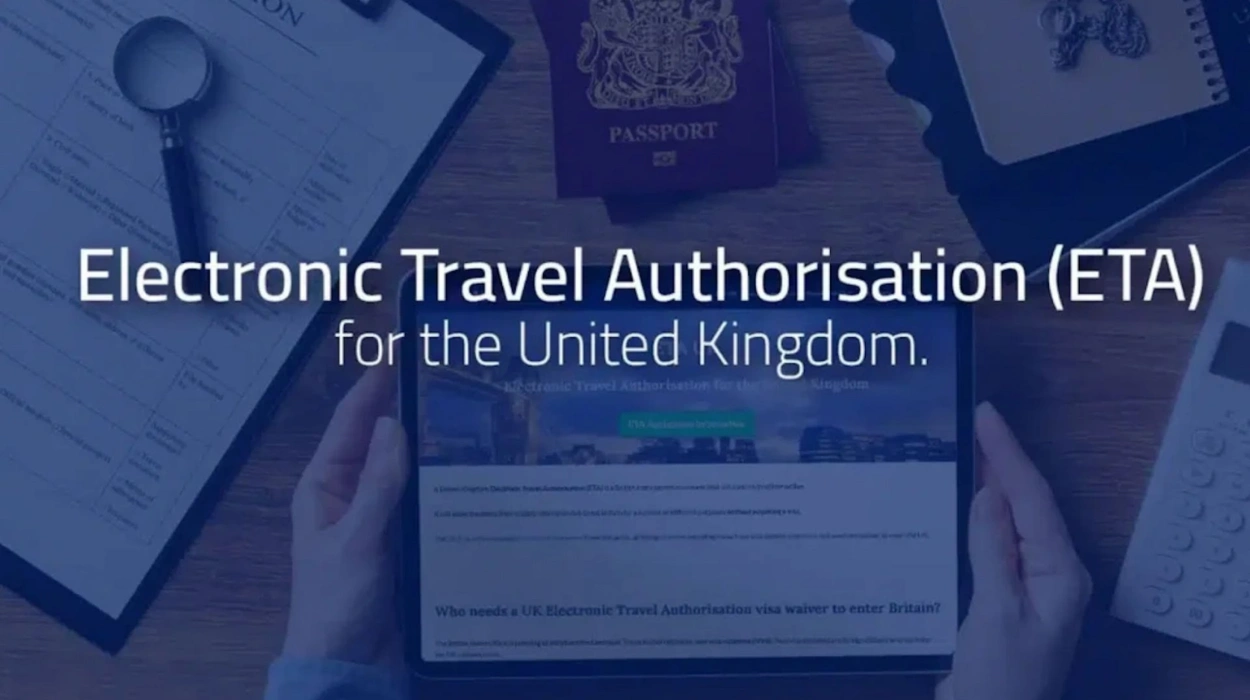
The UK has expanded its requirement for an Electronic Travel Authorization (ETA) to many countries starting in 2025. From January 8th, EU nationals and citizens from around 50 countries including the United States, Canada, Brazil, Australia, and Japan, must obtain this travel authorization before entering the UK for stays up to six months.
Key Features of the UK ETA
The UK Electronic Travel Authorization (ETA) introduced in 2025 costs £16 (approximately €19) and is valid for two years or until the passport used for the application expires, whichever comes first. This ETA is designed to provide the UK government with advance traveler information, thereby enhancing border security and facilitating smoother entry procedures.
It is important to note that travelers who are simply transiting through the Channel Islands without entering the mainland UK may face different ETA requirements starting from late 2025, so travelers should check the specific rules applicable to their travel itinerary to ensure compliance.
Spain’s New Personal Data Collection Rules
Beginning in late 2024 and continuing through 2025, Spain will require extensive personal data collection from travelers. Hotel bookings, car rentals, organized tours, and even car rentals now demand detailed passenger information including identity, contact details, and travel itinerary.
This new regulation arises from efforts to boost national security and combat organized crime. Failure to comply may result in significant fines for service providers. Travelers should be prepared for enhanced scrutiny and data sharing while booking services in Spain.
Greece’s Increased Tourist Taxes
Greece has increased its “climate resilience tax,” which replaces the earlier tourist tax. The tax varies depending on accommodation quality and season:
- 1-2 star hotels: €2 per night in high season
- 3-star hotels: €5 per night
- 4-star hotels: €10 per night
- 5-star hotels: €15 per night
- Seasonal rentals: €8 to €15 depending on size
Greece also introduced a cruise passenger tax varying by port and season, and some districts in Athens have ceased issuing short-term rental permits to address housing shortages.
Venice’s Increased and Extended Tourist Entry Fee
Venice, Italy, is addressing the challenges of over-tourism by expanding and increasing its tourist entry fee, which was initially set at €5 on select days. Starting April 18, 2025, the fee will apply on 54 days spanning from mid-March to the end of July. Visitors who book their entry ticket online less than four days before their visit will pay €10 instead of the standard €5.
Residents of Venice and tourists staying overnight in the city are exempt from this fee. The primary aim of this measure is to protect Venice’s fragile cultural heritage and to better manage the daily influx of tourists, thereby reducing congestion and preserving the city’s unique environment.
European Airports and Carry-On Liquid Restrictions
After temporarily suspending the 100ml liquids rule during the introduction of advanced scanners, European airport security reinstated this limitation in September 2024 due to scanner reliability concerns regarding explosive detection.
Passengers are once again required to carry liquids, aerosols, and gels in containers no larger than 100ml and present them separately during security checks.
Harmonized Carry-On Luggage Rules Coming Soon
Airlines within the EU have varying rules about carry-on luggage dimensions and quantities, causing confusion. The European Parliament advocates for uniform carry-on standards, aiming to ease international air travel.
While binding legislation is pending, several user groups and consumer organizations pressure the European Commission to implement standardized rules in the near future.
The EU travel changes in 2025 bring meaningful modifications aimed at modernizing border security, simplifying travel authorizations, and addressing regional challenges like over-tourism and data protection.
Travelers visiting Europe should be aware of the Entry/Exit System (EES) launching in October 2025, the upcoming ETIAS travel authorization, evolving UK ETA requirements, and country-specific regulations like Spain’s enhanced data collection and Greece’s tourist taxes.
Preparing ahead by understanding these changes can ease border crossing, avoid unexpected fees or documentation issues, and contribute to a safer, more efficient travel experience across Europe and the UK.
Dear reader,
Opinions expressed in the op-ed section are solely those of the individual author and do not represent the official stance of our newspaper. We believe in providing a platform for a wide range of voices and perspectives, even those that may challenge or differ from our own. We remain committed to providing our readers with high-quality, fair, and balanced journalism. Thank you for your continued support.