

Voting is the cornerstone of democracy, ensuring citizens have a voice in shaping their government and policies. Brussels, the heart of Belgium and the European Union, has a unique voting process that reflects the city’s rich cultural diversity and complex political structure.
Eligibility to Vote in Brussels
In Belgium, voting is compulsory for all Belgian citizens aged 18 and above residing in Belgium. The Belgian government automatically registers eligible voters based on the national population register, ensuring broad electoral participation.
Brussels residents include a mix of Belgian nationals, EU citizens, and non-EU residents; each group has specific voting rights, particularly for municipal and European elections.
For European elections, EU citizens aged 18 or older living in Brussels can register to vote, granting them the right to participate in selecting Members of the European Parliament (MEPs). Non-EU residents, living legally in Brussels for at least five years, may vote in municipal elections but not in regional or European parliamentary elections.
Voting rights have expanded over time, reflecting Belgium’s and Brussels’s commitment to inclusive democracy. This ensures diverse communities’ voices contribute to local governance.
Registration and Notification
Thanks to the centralized population registration system, most Brussels residents receive an election notification, commonly called a ‘convocation letter,’ informing them of their polling station location and election date. This notice is crucial for participating in the vote and helps streamline voting logistics in the city’s many bilingual municipalities.
Belgian citizens living abroad can register to vote via diplomatic or consular posts, enabling them to participate in federal and European elections. Registration deadlines are strictly observed, and those eligible but not registered may face voting restrictions. However, in Belgium, compulsory attendance laws mean missing to vote can result in fines, though enforcement is generally lenient.
The Voting Procedure in Brussels: Step-by-Step
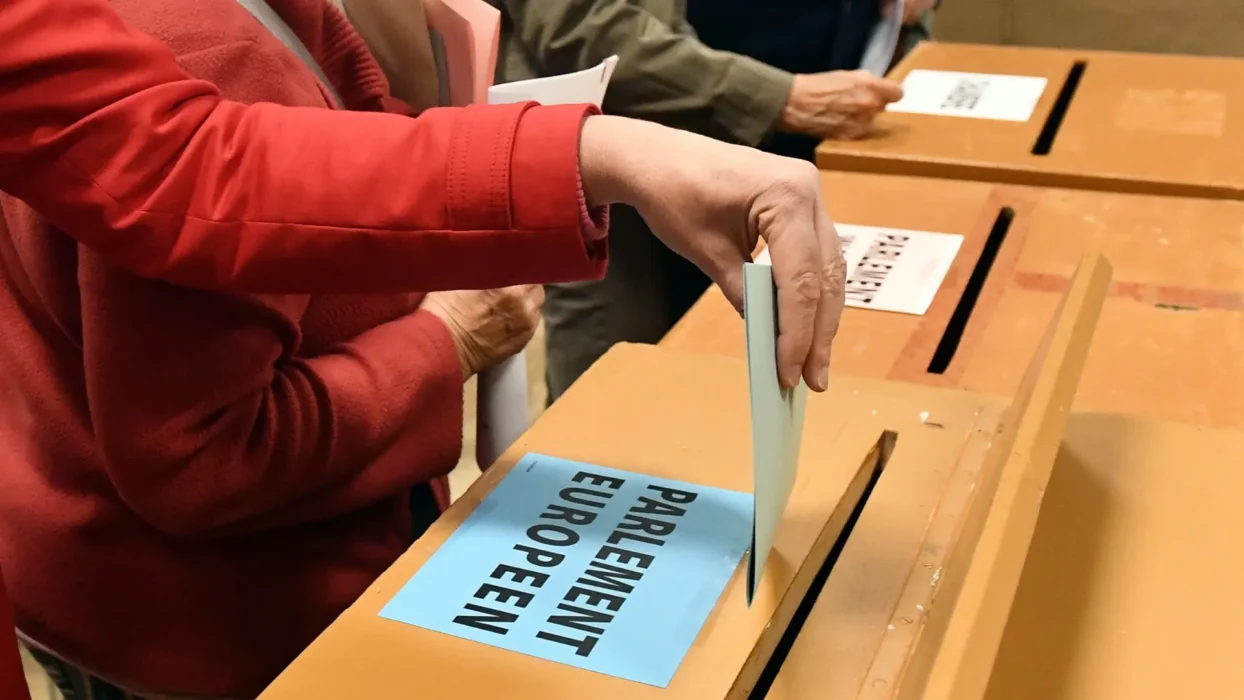
Brussels has embraced electronic voting methods for municipal elections, offering faster and more efficient vote management compared to traditional paper ballots. Despite this, printed votes are still produced to ensure transparency and verifiability.
Step 1: Identity Verification
Voters bring their national identity card and the convocation letter to the polling station. Non-Belgian residents provide their electronic residency card (e-card). Poll workers verify identification to confirm voter eligibility.
Step 2: Issuance of Voting Token
After verification, voters receive a white chip card, which uniquely authorizes one vote at that polling station during the election. This token ensures the integrity of the voting process by preventing multiple votes.
Step 3: Voting Booth
Voters enter a private booth, typically curtained, ensuring the confidentiality of their choices. Privacy remains paramount to protect voter freedom.
Step 4: Voting on the Electronic System
Inside the booth, voters insert their chip card into the voting machine in the indicated direction. The touchscreen interface allows voters to select their preferred language (French or Dutch). While the language choice alters the display, voters can access all candidate lists regardless of language.
Step 5: Casting the Vote
Voting in Brussels encompasses several distinct options designed to give voters flexible methods to express their political choices. One major option is the list vote, where a voter chooses to support an entire party list as it is presented. Alternatively, voters can cast a preferential vote by selecting one or more individual candidates from a specific party list, thereby influencing the order in which candidates from that list are elected.
A third option is the combination vote, which allows voters to support a party list as a whole but also to select individual candidates within that list, giving nuanced input into how seats are distributed. Lastly, voters may choose a blank vote, an option to abstain from voting for any candidate or list, expressing dissent or neutrality without invalidating their participation.
Importantly, the Belgian voting system requires that votes must come from a single list; mixing candidates from different lists is not allowed and will render the vote invalid. This structure balances party representation with voter preference within a coherent electoral framework.
Step 6: Vote Confirmation and Paper Printout
After making selections, voters confirm their choices on-screen. Prior to finalization, modification remains possible. Once confirmed, the machine prints a paper ballot showing the selected choices in text and barcode form, folded to maintain secrecy.
Step 7: Scanning the Printed Ballot
Voters leave the booth carrying the paper vote and the chip card to the ballot box. The barcode on the ballot is scanned electronically, confirming vote validity while retaining a physical record.
Step 8: Finalizing the Voting Process
Voters submit their chip card to the poll clerk, who stamps the convocation letter, signifying the vote has been cast. The voter then collects their ID or e-card and departs the polling station.
Types of Elections and Voting in Brussels
Brussels residents participate in multiple elections that influence governance across several levels, reflecting Belgium’s complex federal system. Municipal elections determine local councils responsible for managing community matters such as urban planning and social services. Regional elections elect representatives to the Brussels-Capital Regional Parliament, which governs policies spanning the entire metropolitan area.
Federal elections choose members for the Belgian Chamber of Representatives and Senate, shaping national legislation and government. Additionally, European elections allow Brussels voters to select Members of the European Parliament, who represent Belgian and Brussels citizens in EU legislative affairs.
On election days, voters in Brussels may receive multiple ballots due to participation in several electoral contests, underscoring the importance of understanding the significance and impact of each electoral level on governance.
Election Laws and Features
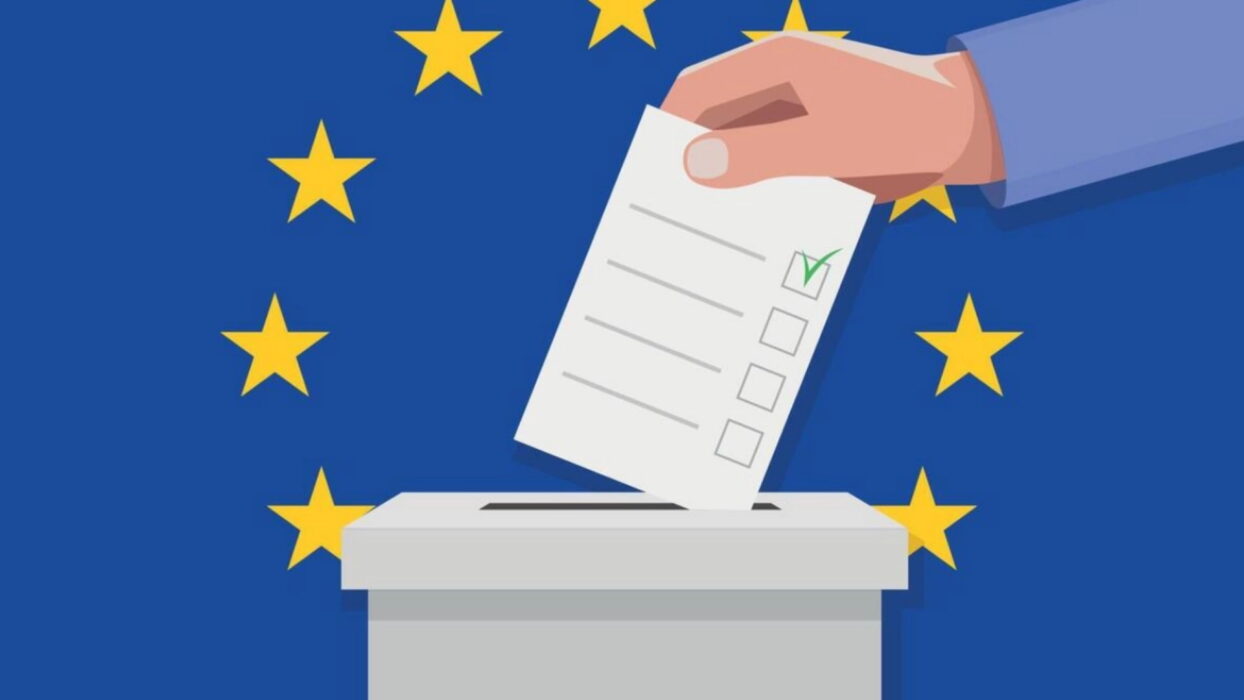
Belgium employs a proportional representation system, which means political parties receive seats in parliament reflecting their share of the vote. This system encourages pluralism and coalition government formations. The D’Hondt method is utilized to allocate seats during vote counting, promoting fairness for larger and smaller parties.
Strict gender parity laws require balanced representation of men and women on party lists, reinforcing democratic inclusivity.
Voting Rights and Participation
Age limits generally require voters to be 18 or older; however, recent reforms have extended certain voting rights to 16-year-olds for European Parliament elections, making Belgium one of the pioneering countries in youth enfranchisement.
Voting is compulsory, and while abstention is permitted, failure to participate without a legitimate reason may result in fines. Voters may also cast blank or invalid votes intentionally as a form of protest, which counts toward turnout but not for any candidate.
For residents unable to vote in person, proxy voting is permitted, allowing a trusted individual to vote on their behalf in accordance with legal procedures.
Accessibility and Facilities
Brussels’s polling stations are widely accessible, located mostly in community centers, schools, and municipal buildings. Signage and assistance cater to the city’s bilingual population, with instructions and ballots available in Dutch and French.
Electronic voting machines in Brussels incorporate user-friendly features and visual aids to assist voters of all ages and abilities.
The voting process in Brussels is designed to be secure, transparent, and inclusive, reflecting the democratic ethos of Belgium and the European Union. With compulsory voting laws, bilingual electoral materials, and increasingly digitalized procedures, Brussels fosters an engaged and empowered electorate.
Understanding each step of the process, from registration to ballot casting, helps voters participate confidently. As Brussels continues to evolve politically and technologically, its voting system stands as a model of democratic participation, ensuring that every citizen’s voice contributes to shaping the city’s future.
Dear reader,
Opinions expressed in the op-ed section are solely those of the individual author and do not represent the official stance of our newspaper. We believe in providing a platform for a wide range of voices and perspectives, even those that may challenge or differ from our own. We remain committed to providing our readers with high-quality, fair, and balanced journalism. Thank you for your continued support.