

The European Parliament (EP), located in Brussels, serves as a vital legislative body within the European Union (EU). Comprising 720 Members of the European Parliament (MEPs), it represents the interests of approximately 375 million citizens across the EU member states.In the Brussels Parliament, politicians, known as Members of the European Parliament (MEPs), engage in key activities such as drafting, amending, and voting on EU legislation in collaboration with the European Commission and the Council of the EU.
They serve on specialized committees to examine proposed laws, represent their constituents by engaging with citizens and stakeholders, and hold the European Commission accountable through questioning and inquiries.
Additionally, MEPs participate in the approval and oversight of the EU budget, ensuring effective and transparent allocation of funds, while also interacting with various interest groups to influence their legislative decisions. Through these roles, MEPs significantly shape EU policies and uphold democratic accountability within the European Union.
The Legislative Role of MEPs
Drafting and Amending Legislation
One of the primary responsibilities of MEPs is to draft and amend legislation that affects the entire EU. This process begins with proposals from the European Commission, which MEPs can scrutinize, amend, and ultimately approve or reject.
The ordinary legislative procedure, also known as the codecision procedure, requires both the Parliament and the Council of the EU to agree on a text before it can become law. This collaborative approach ensures that diverse perspectives are considered in the legislative process.
- Key Functions:
- Proposing amendments to legislation.
- Debating proposed laws in plenary sessions.
- Voting on legislative texts.
Voting Procedures
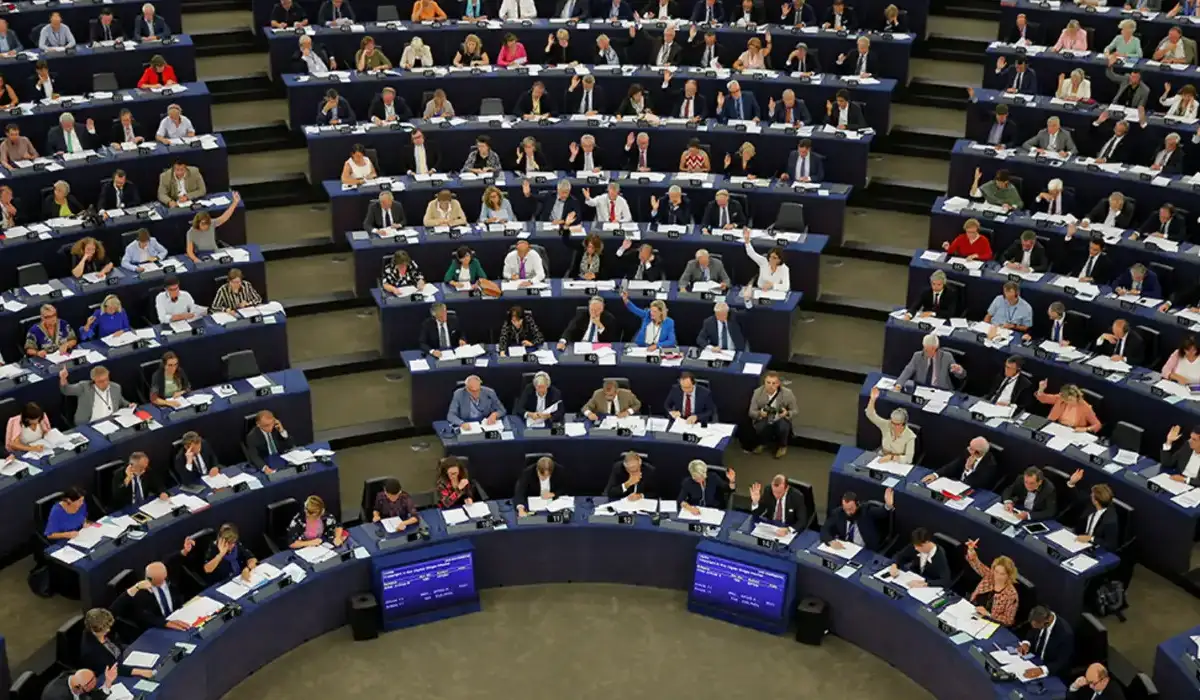
Voting is a critical aspect of the legislative process in the European Parliament. MEPs participate in various types of votes, including:
- Show of Hands: Used for less contentious issues.
- Electronic Voting: Employed for significant legislative decisions.
- Roll-Call Votes: Required for final votes on legislation and when requested by a political group or a minimum number of MEPs.
The outcomes of these votes directly influence EU policies and regulations, making the voting process a cornerstone of parliamentary democracy.
Committee Work: The Heart of Legislative Activity
Importance of Committees
The European Parliament operates through a system of committees, which play a crucial role in shaping legislation. There are 22 standing committees, each focusing on specific policy areas such as environment, foreign affairs, and economic governance. MEPs are assigned to committees based on their expertise and interests, allowing them to delve deeper into legislative matters.
The functions of committees in the European Parliament involve conducting detailed examinations of proposed legislation, organizing hearings with experts and stakeholders to gather insights, and drafting reports that summarize findings and recommendations. These activities are crucial for ensuring thorough scrutiny of legislative proposals and facilitating informed decision-making within the Parliament.
Committee Meetings
Committees meet regularly to discuss ongoing legislative work, review proposals, and prepare for plenary sessions. These meetings provide a platform for MEPs to collaborate, negotiate, and build consensus on various issues. The outcomes of committee discussions often set the stage for debates in the full Parliament.
Engaging with Citizens and Stakeholders
Representing Constituents
MEPs serve as representatives of their constituents, engaging with citizens to understand their concerns and priorities. This engagement is essential for ensuring that the voices of European citizens are heard in the legislative process.
MEPs often hold town hall meetings, participate in local events, and maintain communication through newsletters and social media.Key activities of Members of the European Parliament (MEPs) include hosting public consultations to gather feedback on proposed legislation, engaging with local organizations and interest groups to understand their perspectives, and addressing constituents’ concerns through parliamentary questions.
These efforts are vital for ensuring that the voices of citizens are heard and considered in the legislative process, thereby enhancing the democratic legitimacy of the European Parliament.
Advocacy and Lobbying
In addition to representing constituents, MEPs also interact with various stakeholders, including businesses, NGOs, and advocacy groups. This engagement helps MEPs understand different perspectives on policy issues and can influence their legislative decisions. However, it also raises questions about transparency and the potential for undue influence.
Oversight and Accountability

Scrutinizing the Executive
The European Parliament holds the European Commission accountable for its actions and decisions. MEPs have the authority to question Commission officials, request reports, and even initiate motions of censure. This oversight function is vital for maintaining democratic accountability within the EU.Key oversight mechanisms in the Brussels Parliament include regular sessions known as Question Time, where Members of the European Parliament (MEPs) can pose questions to Commission members.
Additionally, MEPs conduct committee inquiries to investigate specific issues or allegations of misconduct. These mechanisms are essential for maintaining accountability and transparency within the European Commission and ensuring that the interests of European citizens are represented effectively.
Budgetary Control
The Parliament shares budgetary authority with the Council of the EU, allowing MEPs to influence how EU funds are allocated. MEPs review and approve the EU budget, ensuring that financial resources are used effectively and transparently. This budgetary power is a significant tool for MEPs to advocate for their constituents’ needs.
Challenges and Criticisms
Voter Engagement and Turnout
Despite the critical role of the European Parliament, voter turnout in European elections has historically been lower than in national elections. Efforts to increase public awareness and engagement are ongoing, as MEPs recognize the importance of connecting with citizens to enhance democratic legitimacy.
Corruption and Transparency Issues
The European Parliament has faced scrutiny over allegations of corruption and lack of transparency. High-profile scandals have raised concerns about the integrity of the institution and the need for stricter regulations on lobbying and financial disclosures. MEPs are actively working to address these issues and restore public trust.
Politicians in the Brussels Parliament play a vital role in shaping the future of the European Union. Through their legislative functions, committee work, and engagement with citizens, MEPs contribute to a democratic process that reflects the diverse interests of European citizens.
While challenges remain, the ongoing efforts of MEPs to enhance transparency, accountability, and public engagement are essential for the continued success of the European Parliament.
Dear reader,
Opinions expressed in the op-ed section are solely those of the individual author and do not represent the official stance of our newspaper. We believe in providing a platform for a wide range of voices and perspectives, even those that may challenge or differ from our own. We remain committed to providing our readers with high-quality, fair, and balanced journalism. Thank you for your continued support.