

Belgium is a federal state with a complex political and administrative structure that reflects its linguistic and regional diversity. At the heart of this system lies the Parliament of the Brussels-Capital Region, a key legislative body that governs the Brussels-Capital Region, one of Belgium’s three autonomous regions.
- Belgium’s Federal Structure and the Brussels-Capital Region
- The Parliament of the Brussels-Capital Region: Composition and Language Groups
- How did the 2001 reform increase Brussels seats and why
- Roles and Functions of the Brussels Parliament
- Electoral System and Terms
- Integration with Belgium’s Federal Institutions
- Facts About the Brussels-Capital Region Parliament
Belgium’s Federal Structure and the Brussels-Capital Region
Belgium’s government is divided into three regions — Flanders, Wallonia, and Brussels-Capital — and three communities based on language: Flemish, French, and German-speaking. The Brussels-Capital Region is unique as it is officially bilingual, accommodating both French-speaking and Dutch-speaking populations.
The Parliament of the Brussels-Capital Region legislates on regional matters—distinct from the federal government and other community parliaments—and plays a crucial role in managing local governance for the 19 municipalities making up the Brussels metropolitan area.
The Parliament of the Brussels-Capital Region: Composition and Language Groups
The Brussels Regional Parliament is a unicameral legislature consisting of 89 members elected by direct universal suffrage every five years by residents who are Belgian citizens. These members are divided into two language groups: 72 French-speaking and 17 Dutch-speaking parliamentarians. This division ensures proportional representation of the linguistic communities within Brussels, reinforcing the bilingual nature of the capital.
This structure is designed to reflect the demographic realities of the region while ensuring equitable political participation among language groups. Members elected to the French-language group also form the Francophone Brussels Parliament, while Dutch-speaking members constitute the Council of the Flemish Community Commission. Together, these two bodies collaborate on matters concerning the bilingual environment of Brussels.
How did the 2001 reform increase Brussels seats and why

The 2001 reform, enacted through the Lambermont and Lombard accords as part of Belgium’s fifth state reform, increased the number of seats in the Brussels-Capital Region Parliament to better accommodate its linguistic diversity and political representation.
Prior to this reform, the Parliament had 75 members, divided into 64 French-speaking and 11 Dutch-speaking representatives. The reform expanded the Parliament to 89 seats, with 72 seats allocated to the French-speaking group and 17 to the Dutch-speaking group.
The primary reason for this increase was to provide guaranteed and more proportional representation for the Dutch-speaking minority in Brussels. Given that Brussels is officially bilingual and has a significant Dutch-speaking population alongside the French-speaking majority, the reform aimed to ensure fairer political participation and respect for the linguistic communities.
The Lambermont Accord specifically addressed the powers transferred to regions and communities to strengthen regional autonomy and governance effectiveness, and the Lombard Accord amended the functioning of Brussels institutions, including the distribution of parliamentary seats and voting majorities necessary for adopting regional ordinances. These changes helped stabilize the political balance in Brussels, enhancing democratic representation within the complex federal system of Belgium.
Roles and Functions of the Brussels Parliament
The Brussels Parliament performs several core functions essential to the governance and legislative management of the Brussels-Capital Region. Its primary role is legislative, where it drafts, debates, and enacts regional policies and ordinances that carry the full force of law within the region.
These legislative actions encompass key areas such as urban planning, transportation systems, environmental regulations, housing policies, and the economic development framework tailored for Brussels.
In addition to lawmaking, the Parliament holds significant authority over budgetary matters. It is responsible for approving the regional budget, thereby ensuring that financial resources are allocated in alignment with regional policy priorities and public needs.
The Parliament also exercises political oversight of the regional government, including the executive branch and its ministers and secretaries of state. This oversight function includes the power to hold government officials accountable through motions of no confidence and other parliamentary mechanisms.
Beyond these functions, the Parliament formally appoints the regional ministers and secretaries of state who collectively form the cabinet tasked with policy implementation. Given the bilingual nature of Brussels, the Parliament also addresses community-specific responsibilities such as cultural affairs, education, and social services.
These responsibilities are managed in collaboration with the French and Flemish Community Commissions, ensuring that the diverse linguistic and cultural needs of the population are met effectively.
Electoral System and Terms
Elections to the Brussels Parliament occur every five years, coinciding with the European Parliament elections to streamline democratic processes. The system uses separate electoral rolls for the French-speaking and Dutch-speaking lists, reinforcing linguistic representation rights.
Members serve a five-year term, with no term limits, and are elected based on proportional representation. This ensures a fair distribution of seats among diverse political parties, reflecting the region’s pluralistic society. The most recent election took place in June 2024, setting the current composition for the 2024–2029 legislative session.
Integration with Belgium’s Federal Institutions
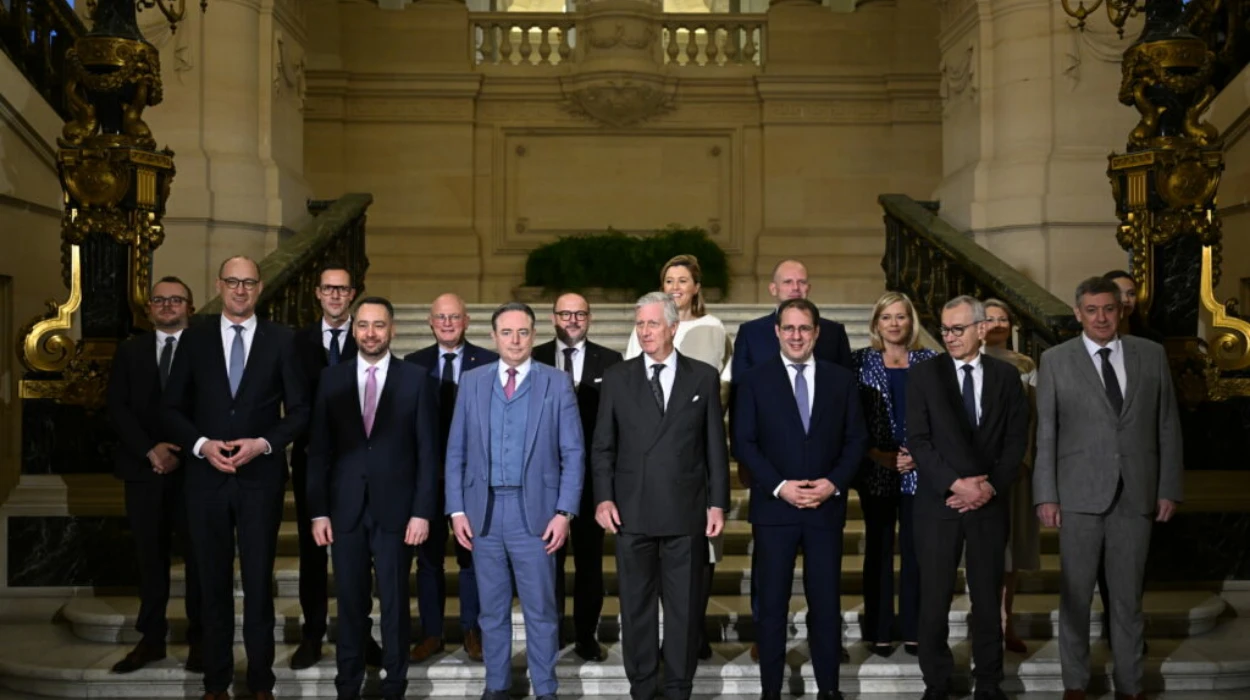
While the Brussels Parliament governs regional affairs, it exists within the larger context of Belgium’s federal parliamentary framework, which comprises two chambers: the Chamber of Representatives and the Senate. The federal parliament handles national legislation on issues such as justice, defense, and social security, while the regional parliaments focus on matters specific to their territories.
Some members of the Brussels Parliament also serve in the Parliament of the French Community or hold seats that integrate with the federal Senate as “community senators,” highlighting the multi-layered nature of Belgian governance.
Facts About the Brussels-Capital Region Parliament
- It has 89 members divided into 72 French-speaking and 17 Dutch-speaking representatives.
- Members are elected every five years by direct universal suffrage of Brussels’ Belgian citizens.
- Holds legislative authority over regional matters including urban planning, transport, and environment.
- Controls the regional budget and oversees the Brussels Government’s cabinet ministers.
- Collaborates with French and Flemish Community Commissions to manage community affairs.
- Part of Belgium’s broader federal parliamentary system with interlinked community and federal roles.
The Parliament of the Brussels-Capital Region plays a vital role in managing the governance of Belgium’s cosmopolitan and bilingual capital region. Its unique structure, built around linguistic representation and regional autonomy, exemplifies Belgium’s efforts to balance diversity with effective democratic governance.
Through its legislative authority, budget control, and government oversight, the Brussels Parliament shapes the daily lives of millions of residents and ensures that the distinct needs of both French and Dutch speakers are addressed equitably.
Understanding how the Belgium parliament works in Brussels offers valuable insight into the complexities of federal systems designed to accommodate diverse populations. It stands as a model of democratic representation and regional empowerment in a multilingual context.
Dear reader,
Opinions expressed in the op-ed section are solely those of the individual author and do not represent the official stance of our newspaper. We believe in providing a platform for a wide range of voices and perspectives, even those that may challenge or differ from our own. We remain committed to providing our readers with high-quality, fair, and balanced journalism. Thank you for your continued support.