
Russia has been a key player in supplying energy to the European Union for decades, especially in oil and natural gas. However, geopolitical events, especially Russia’s invasion of Ukraine, have dramatically reshaped this relationship, leading to a sharp reduction in reliance on Russian energy supplies. This article examines the percentage of EU oil imports coming from Russia, how these figures have changed recently, and what this means for Europe’s energy security and transition efforts.
- Background: Russia’s Role in EU Oil Supply
- The Impact of the Ukraine Conflict on EU-Russian Oil Trade
- The Decline of Russian Oil in the EU Market
- Increasing Diversification of Oil Suppliers
- EU Trade Trends Beyond Oil
- Economic Implications of Reduced Russian Oil Imports
- Challenges in Phasing Out Russian Oil
- The Green Transition: Reducing Fossil Fuel Dependency
Background: Russia’s Role in EU Oil Supply
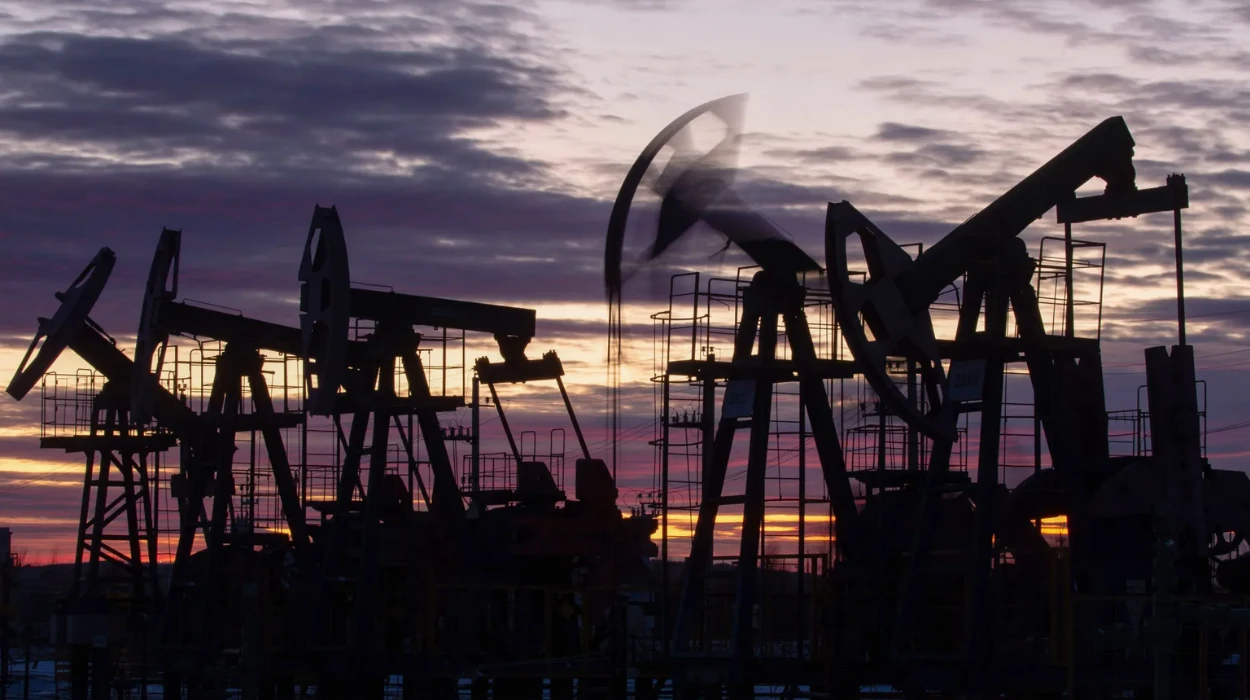
Historically, Russia supplied close to one-third of the EU’s petroleum oil imports. These supplies were carried through a network of pipelines and via seaborne shipments, making Russian oil a vital resource for many European countries. This dependency created significant vulnerability for the EU as political relations with Russia were often strained, affecting energy reliability and pricing.
The diversity of energy sources within the EU varied across member states, with some relying heavily on Russian oil and gas, while others had more diversified energy portfolios. Countries in central and eastern Europe particularly depended on pipeline imports from Russia.
The Impact of the Ukraine Conflict on EU-Russian Oil Trade
The situation changed abruptly following Russia’s 2022 invasion of Ukraine. The EU responded swiftly by enacting multiple sanction packages targeting Russian fossil fuel supplies. Measures included banning seaborne imports of Russian crude oil starting in December 2022, and subsequent embargoes on refined petroleum products.
These sanctions aimed not only to reduce Europe’s reliance on Russian energy but also to limit Russia’s financial resources fueling the conflict. The coordinated EU policy, alongside similar moves from the United States and other allies, accelerated the shift away from Russian oil.
The Decline of Russian Oil in the EU Market
Data from Eurostat and other trade statistics reveal a dramatic fall in the share of Russian oil imported by the EU:
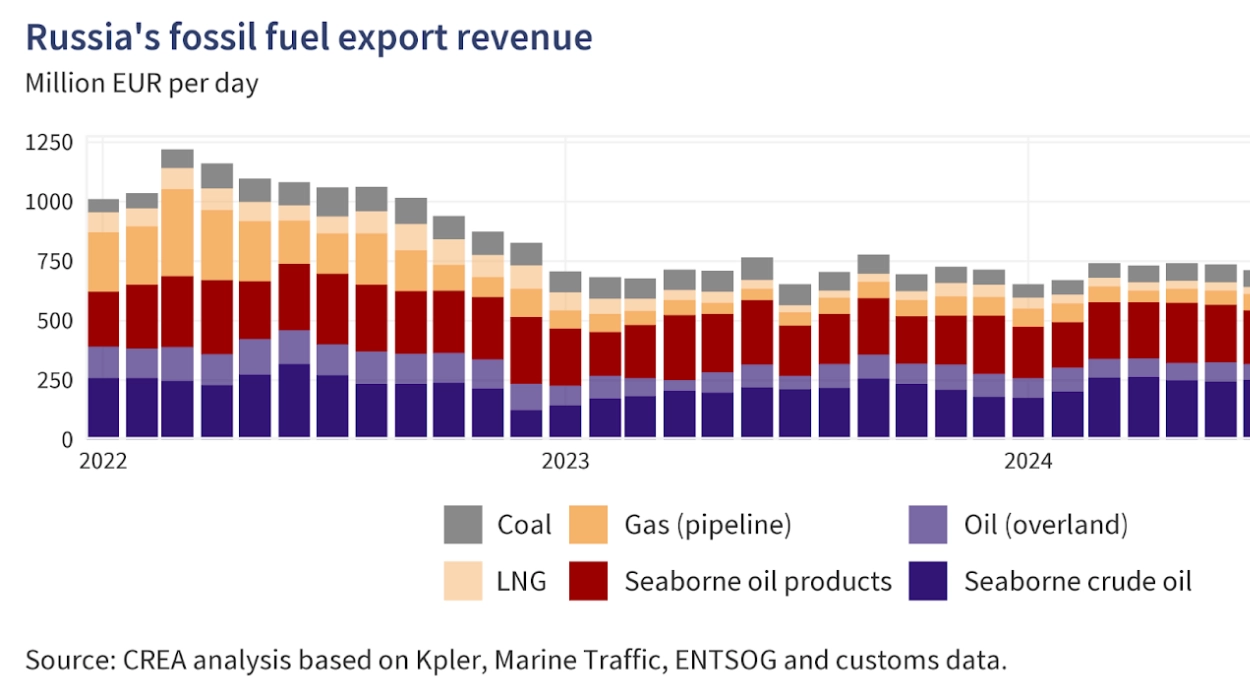
- As recently as early 2021, roughly 29% of the EU’s petroleum oil imports came from Russia.
- By the first quarter of 2025, this share had fallen to an estimated 2%, showing a steep decline fueled by sanctions and diversification efforts.
This reduction in Russian oil imports is one of the fastest and most extensive shifts in energy supply the EU has ever experienced. The bans on Russian crude and refined products have directly contributed to this reduction.
Increasing Diversification of Oil Suppliers
As Russian supplies contracted, the EU sought to shore up energy needs by diversifying imports:
- The United States increased its share of petroleum oil exports to the EU by 6 percentage points, making it the largest alternative supplier.
- Norway followed with a 4 percentage point increase, reinforcing its role as a stable European energy partner.
- Kazakhstan also captured an additional 3 percentage points of the market, helping to fill supply gaps.
This diversification is essential not only for replacing lost Russian oil but also for enhancing the resilience of EU energy supplies against future disruptions.
EU Trade Trends Beyond Oil
The decline in Russian oil imports is part of a wider reduction in the EU’s overall energy trade with Russia. Since 2022, the EU has imposed import restrictions not only on oil but also on natural gas, coal, nickel, fertilizers, and steel products originating from Russia.
Notably, the share of Russian natural gas imports to the EU decreased sharply from 48% in early 2021 to 17% by early 2025. Similarly, the proportion of Russian liquefied natural gas imports fell from 22% to 19% over the same period.
Although fertilizer imports from Russia remain significant, accounting for about 26% of EU imports, this share has slightly decreased as the EU actively seeks alternative suppliers. These developments underscore the EU’s broad and systematic efforts to reduce its economic dependency on Russia while ensuring continued access to essential commodities.
Economic Implications of Reduced Russian Oil Imports
Energy trade has been a major factor influencing the EU’s trade balance with Russia. Before sanctions were introduced, soaring energy prices led to a significant trade deficit, which peaked at approximately €42.8 billion in mid-2022. However, by early 2025, this deficit had decreased markedly to around €5.8 billion due to a combination of reduced imports from Russia and adjustments in energy prices.
This substantial reduction has strengthened the EU’s economic position, decreasing its vulnerability to external energy shocks and contributing to greater overall economic stability.
Challenges in Phasing Out Russian Oil
Despite the progress made in reducing dependence on Russian oil, several challenges persist. Some sectors within the EU continue to rely indirectly on Russian oil through intermediaries or by using covert transportation methods, such as the so-called ‘shadow fleet’ of vessels that evade sanctions.
Additionally, significant infrastructure adjustments are required to handle alternative crude oil grades and to establish new logistical routes from suppliers like the United States and Norway.
Energy price volatility remains an ongoing concern, influenced by fluctuations in global markets and geopolitical tensions. To overcome these challenges, the EU has implemented strict monitoring measures, intensified enforcement of sanctions, and committed to substantial infrastructure investments aimed at fully eliminating Russian oil from its energy mix by 2027.
The Green Transition: Reducing Fossil Fuel Dependency
In parallel with its efforts to reduce Russian oil imports, the EU is actively advancing a green energy transition aimed at decreasing overall fossil fuel demand. Central to this strategy is the REPowerEU Plan, which promotes the rapid deployment of renewable energy sources and the diversification of the EU’s energy mix. Updated Renewable Energy Directives set ambitious targets to increase the share of renewables in the energy mix to 45%.
The EU also focuses on electrification, the development of green hydrogen, and sustainable transportation to gradually replace oil and gas consumption. These initiatives not only compensate for the reduction in Russian oil supplies but also align closely with the EU’s broader climate objectives and commitment to long-term sustainability.
Since early 2021, the share of Russian oil in EU imports has dropped from about 29% to nearly 2% by early 2025, with major diversification efforts increasing imports from the United States, Norway, and Kazakhstan.
This shift has helped reduce the energy trade deficit with Russia significantly since 2022, strengthening the EU’s economic stability. Nevertheless, challenges remain in completely eliminating indirect Russian oil imports and upgrading infrastructure to accommodate new supply routes. The green transition complements these diversification efforts by further reducing the EU’s dependence on fossil fuels.
Dear reader,
Opinions expressed in the op-ed section are solely those of the individual author and do not represent the official stance of our newspaper. We believe in providing a platform for a wide range of voices and perspectives, even those that may challenge or differ from our own. We remain committed to providing our readers with high-quality, fair, and balanced journalism. Thank you for your continued support.