MEPs criticize the EU Commission for allegedly funding dictators, citing concerns over the Tunisia deal and anticipated Egypt agreement, urging accountability and transparency.
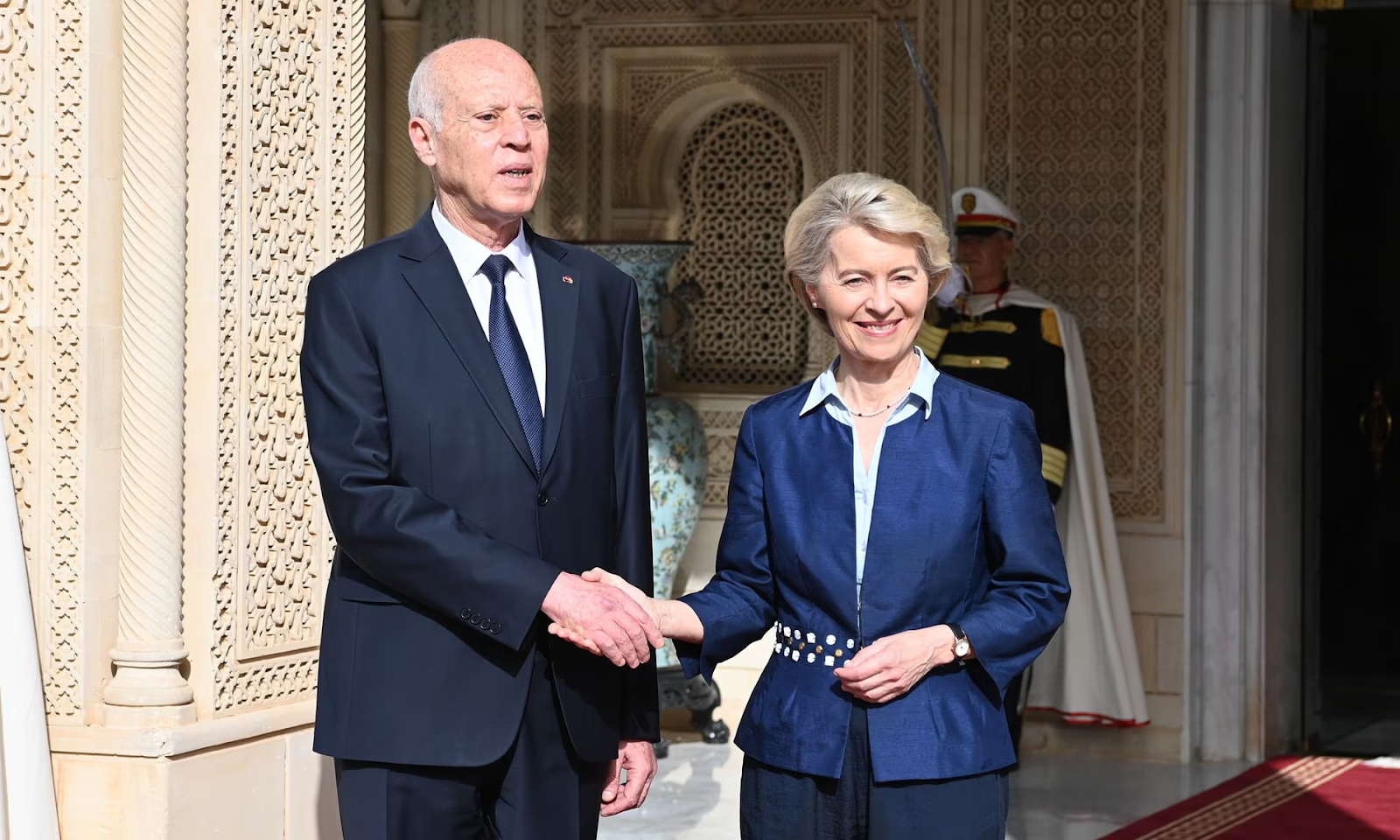
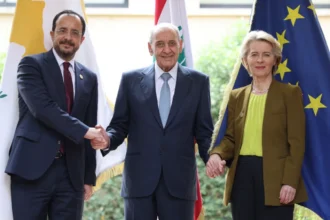
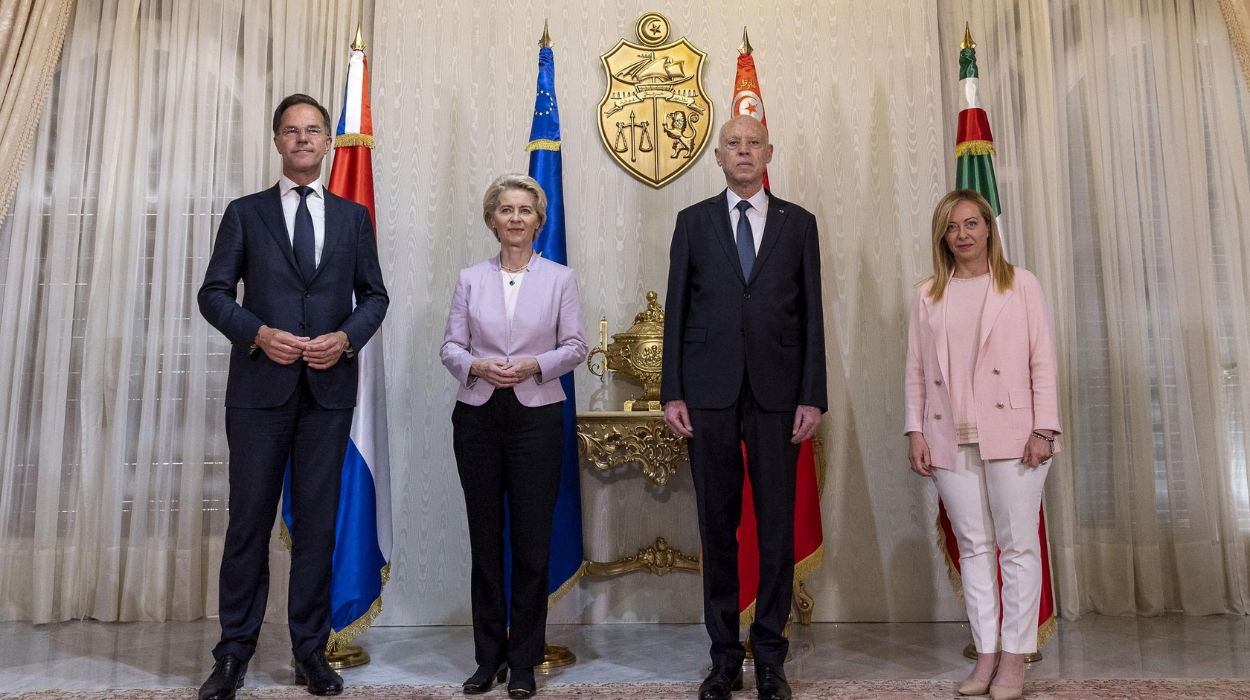
The European Commission has been blamed for “bankrolling dictators” by MEPs, who have argued that the €150m it offered to Tunisia last year in a migration and development deal has concluded instantly in the president’s hands. A group of MEPs on the human rights, justice, and foreign affairs committees at the EU parliament undertook a scathing attack on the executive in Brussels, voicing fears that the Commission’s president, Ursula von der Leyen, was about to lock a similar agreement with Egypt.
News in the Financial Times on Wednesday suggests the Egypt deal, due to be signed on Sunday, will be around more than €7bn. The MEPs have blamed the commission for refusing to respond to questions on the deal with Tunisia and fear that it is looking at a series of “ad hoc” agreements with other African countries without reference to democracy and the rule of law in those countries.
“It appears that we are bankrolling dictators across the region. And that is not the Europe that we desire to see. That is not the position which the EU should be holding in the world,” stated the French MEP Mounir Satouri, a member of the parliamentary foreign affairs committee. At a press conference in Strasbourg, he argued the money – committed to Tunisia last year as part of a wider agreement aimed at curbing a surge in migration to Italy and people-smuggling – had been delayed, saying that the €150m had been suggested to be invested directly in EU-agreed task but instead had been “transferred to the president directly”.
Fellow MEPs stated there had been an “authoritarian shift” in Tunisia under its president, Kais Saied, but the commissioners had moved forward with the deal anyway. A spokesperson for the EU Commission stated MEPs were entitled to express their thoughts but that it was better to build partnerships to advance democracy and human rights than to “break off relations” and see the situation deteriorate.
“What I can say is that we are persuaded of the condition to work with countries in our neighborhood, taking into account the realities on the ground,” the spokesperson declared. “We know the objection related to human rights in those countries, and it is evident that this is an issue and that these are issues that we take up with those states.”
The spokesperson added there were “specific procedures in place to discuss human rights with the states in the region, including Egypt” The Danish MEP Karen Melchior, coordinator of the justice committee, expressed parliamentarians’ worries about the Tunisia deal were “being continually ignored” and that commissioners declined to answer their questions or take their concerns seriously.
How can we resume having a memorandum of understanding, how can we give budget approval without conditionality to Tunisia, when something is going from bad to worse?” she voiced. “To sign an agreement with President Saied, who is continuing to conceal opposition and democracy in Tunisia – this is not the way the EU should be working. This not the way that team Europe should be doing our foreign policy.”
Michael Gahler, the German MEP who was barred from visiting Tunisia by the local authorities last year, declared the Tunisian people should not be dumped in the face of “Saied’s autocratic rule” and economic decline. “That demands us to make sure that European taxpayers’ money truly benefits the Tunisian people and the civil society … and why it has to be obvious that European funding to Tunisia ought to be adequately conditioned to that end,” he stated.
The situations are being voiced this week as the EU parliament’s five-year grant draws to a close before elections in June, with MEPs willing to lay down red lines for any forthcoming deals the executive in Brussels plans to do. Sara Prestianni, the advocacy director for the NGO EuroMed Rights, expressed she was concerned the EU was around to make a similar “strategic and political” error with Cairo, pledging vast sums of money without placing conditions involving enough financial supervision or guarantees on human rights. “It would be an error, particularly if it [the Tunisia deal] is imitated with Egypt,” she stated.