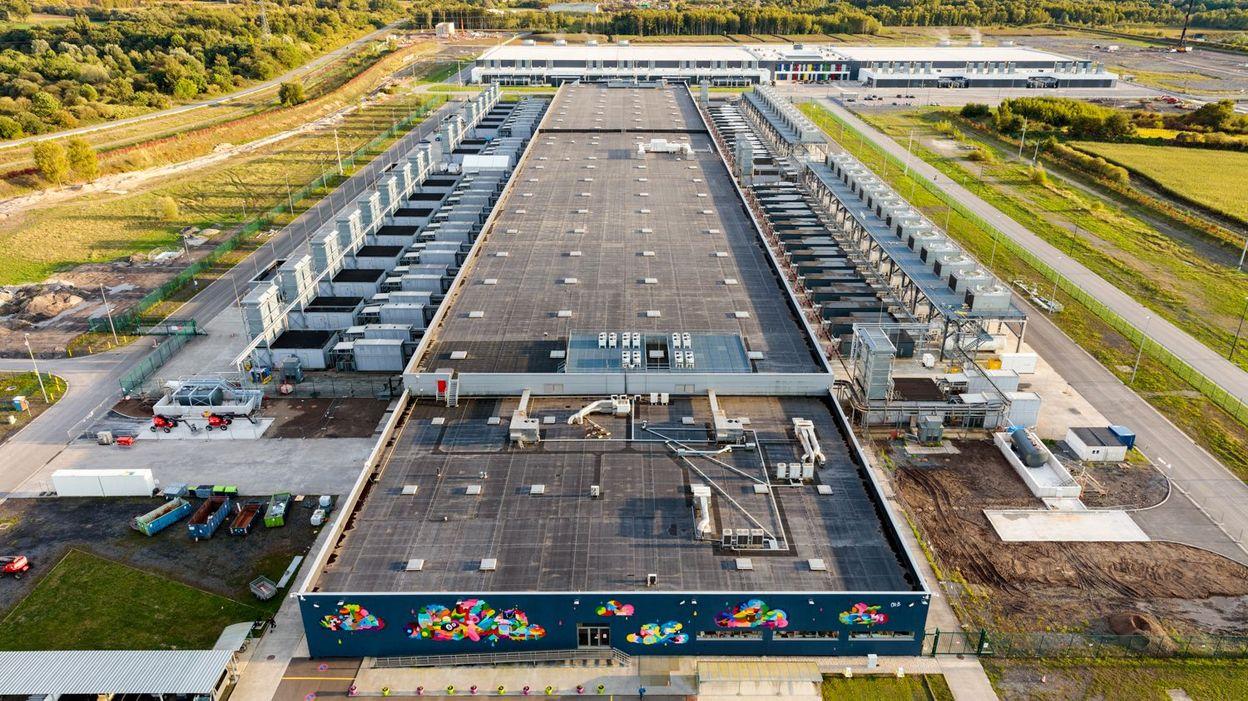
Belgium , 29 November – Brussels Morning Newspaper – Belgium data centre construction has been suspended after Walloon authorities ordered Google to stop work at its site near Farciennes and Aiseau-Presles, in Hainaut province. The regional administration says construction on a building was continuing under an amended permit that had been revoked. Google says it has stopped work in line with the authorities’ direction while it seeks further guidance.
The dispute centres on the permissions governing a planned campus at the Ecopôle business park, near Charleroi. It has become a test of how Belgium balances investment in artificial intelligence infrastructure with planning rules, environmental protection and pressure on local water resources.
Why Google Stopped Construction
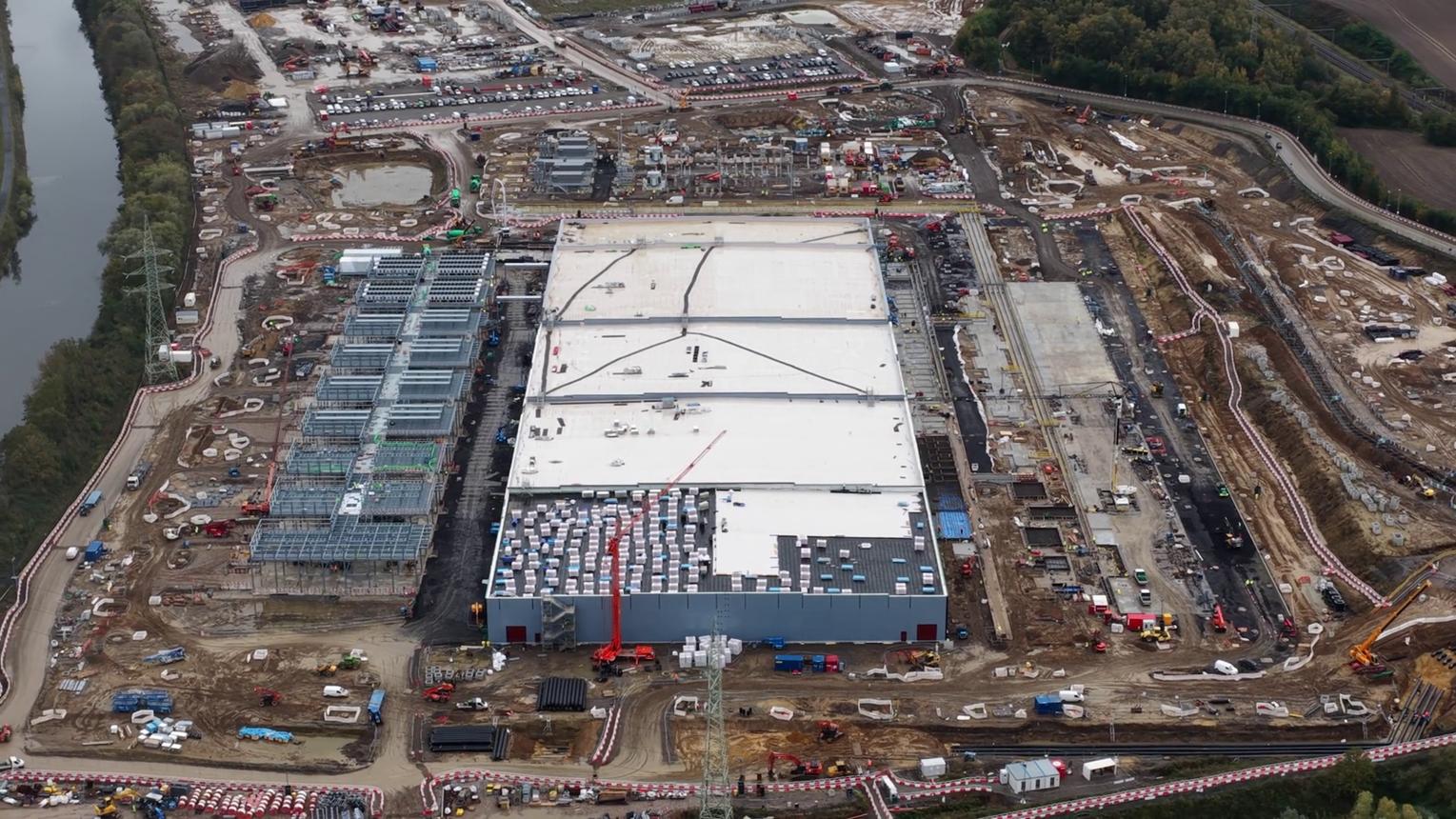
Walloon inspectors visited the site on 26 November and instructed the company to halt construction, according to reports of the regional administration’s decision. Officials said the disputed building covered about three hectares and that its structural work was close to completion. Around 300 workers were reportedly at the site when the instruction was delivered.
In the Belgium data centre case, the regional authorities argue that the work relied on a revised planning authorisation that was withdrawn in August 2026. The company, however, maintains that the wider campus is covered by several permits and that the original authorisation, issued in 2024, remains valid.
That distinction is central to the Belgium data centre case. The authorities have not said that every part of the wider development is unauthorised. Their objection concerns construction they believe falls outside the scope of the original approval and depends on the later amendment.
Google confirmed on 28 November that it had suspended construction in accordance with the instruction from local authorities. The company said it would seek clarification about the next steps and reiterated its commitment to complying with applicable regulations.
How the Planning Permit Dispute Started
The original approval for the Belgium data centre covered three buildings designed to use air-cooling technology. In 2025, Google’s subsidiary, Crystal Computing, applied to change the plans by combining the second and third buildings into a larger facility and introducing a different cooling arrangement.
The revised application for the Belgium data centre was approved in April 2026. Residents and environmental groups challenged the decision, raising concerns about the project’s potential effect on water resources. In August, Walloon Spatial Planning Minister François Desquesnes revoked the amended authorisation.
The minister’s decision did not automatically cancel the original 2024 permit. It did, however, leave a dispute over which parts of the revised construction could proceed under the earlier approval. Regional officials say the building at the centre of the current order was being developed on the basis of the revoked amendment.
The Belgium data centre development is therefore facing two related questions: whether the revised plans can receive legal approval, and what work, if any, remains permitted under the original authorisation.
Water Consumption Raises Environmental Concerns
The revised plans for the Belgium data centre included a cooling system that would draw water from the nearby River Sambre. Reports on the application put the proposed extraction at about 600 cubic metres per hour.
That proposal prompted concern among regional officials and environmental campaigners. They questioned whether the river could reliably supply the facility, particularly during periods of dry weather, without affecting other users or the surrounding environment.
The choice of cooling technology matters to the Belgium data centre debate because data centres generate heat as servers operate. Facilities can use different cooling systems, with different demands on electricity and water. The environmental impact depends on the design, local climate, energy supply and how water is sourced and managed.
The River Sambre debate has broadened the discussion beyond the building permit. It has raised questions about how local authorities should assess the resource needs of large digital infrastructure projects before granting permission.
Google Challenges the Permit Decision
Google has challenged the withdrawal affecting the Belgium data centre before Belgium’s Council of State, the country’s highest administrative court. A hearing has been scheduled for 7 January 2027, according to reports on the case.
The company’s position is that the original permit remains valid and that some activities at the site were covered by existing authorisations. It has also said that work undertaken after the amended permit was revoked was intended to maintain the site’s safety and security while legal proceedings continued.
The regional administration takes a different view of the Belgium data centre construction now under scrutiny. The stop-work instruction means the company cannot simply resume the disputed activity while the legal challenge is pending.
The court proceedings may clarify the status of the amended authorisation. They will not necessarily resolve every question about the wider campus, including which activities can proceed under the original permit.
Greenpeace Calls for Construction to Stop
Greenpeace Belgium has criticised the Belgium data centre project and called for construction to stop after the amended permit was withdrawn. The organisation said it had sought emergency legal action and raised concerns about continued work at the site.
Its objections focus on compliance with planning rules and the environmental consequences of a large data centre, including water demand. Local residents and campaigners have also questioned whether the benefits of the development justify the pressure it could place on nearby resources.
The dispute illustrates the growing scrutiny faced by technology companies as they build facilities to support cloud computing and artificial intelligence. Such projects can bring investment and digital capacity, but they also require land, electricity, cooling infrastructure and, in some cases, substantial quantities of water.
Implications for Belgium and European Technology Investment
Governments across Europe are seeking to attract investment in AI and cloud infrastructure. At the same time, regional authorities must consider the effect of new facilities on electricity networks, water supplies, land use and local communities.
Belgium is no exception, and the Belgium data centre dispute will be watched by other regions considering similar investments. The outcome in Wallonia could influence how future projects are assessed, particularly where proposed changes to cooling systems or building layouts require new planning approval.
For Google, the immediate issue is whether it can obtain the permissions needed to continue the revised development. For regional authorities, the challenge is to apply planning and environmental rules consistently while providing clarity for investors.
The Belgium data centre case also highlights a wider policy question: how can Europe expand its computing capacity without shifting the environmental costs onto local communities?
For now, construction on the disputed building remains suspended. The next significant legal milestone is the Council of State hearing scheduled for January. Until the permit dispute is resolved and the authorities clarify what work is allowed, the timetable for the project remains uncertain.