Riyadh, Saudi Arabia, 29 November – Brussels Morning Newspaper – Saudi Arabia missile interceptions intensified on 28 and 29 November as the Saudi-led coalition reported destroying incoming projectiles targeting Riyadh and other parts of the kingdom. Yemen’s Houthi movement claimed responsibility for attacks against King Khalid International Airport and several energy facilities, although the reported damage at several locations has not been independently confirmed.
The latest escalation has increased concerns about Saudi Arabia’s security, the safety of civilian aviation and the protection of critical energy infrastructure. It also comes as fighting between Saudi-backed forces and the Houthis continues to intensify across Yemen.
Saudi Arabia Reports New Missile Interceptions
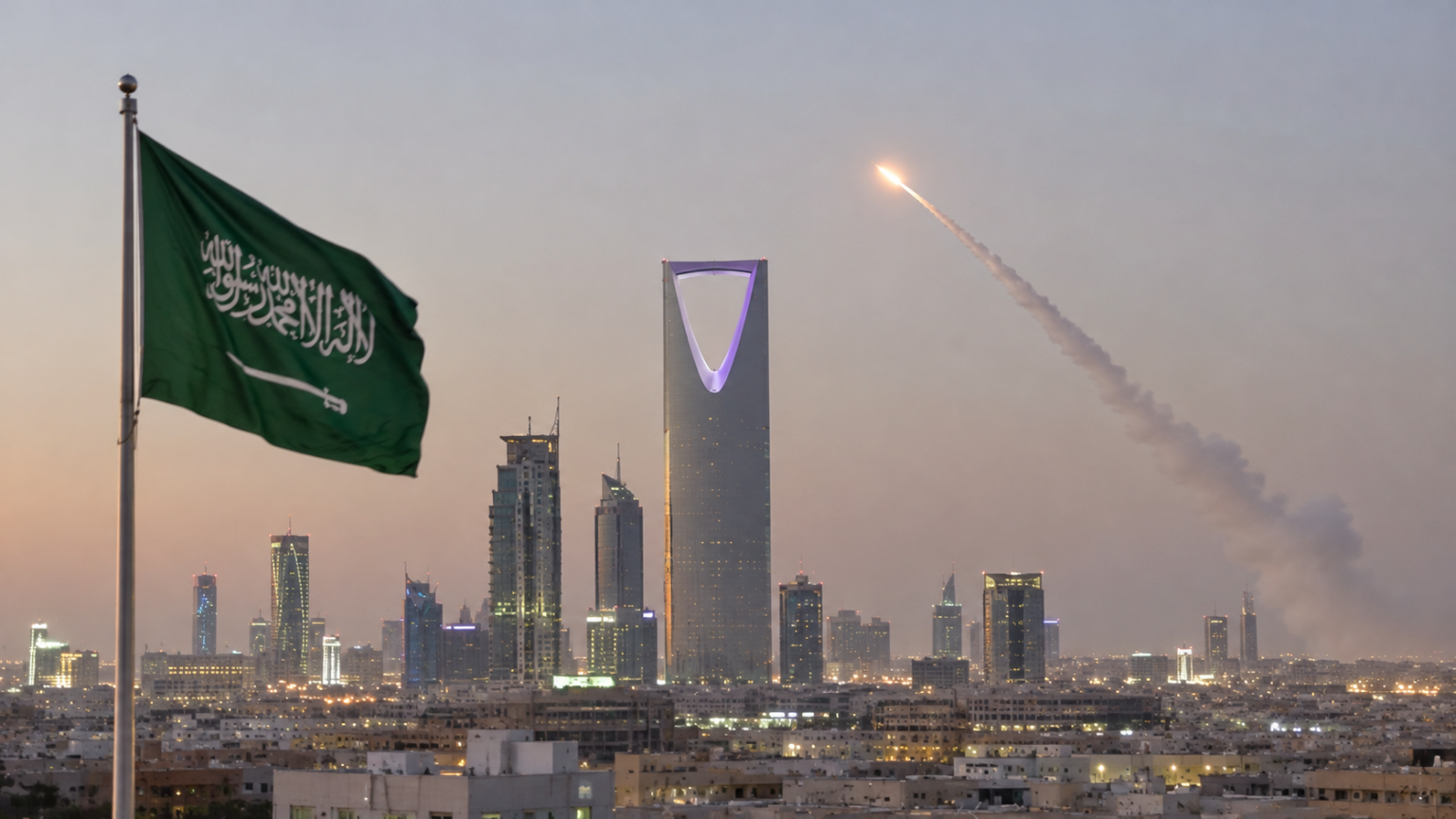
Saudi Arabia missile interceptions were reported on Saturday after the Saudi-led coalition announced that its air-defence systems had destroyed several incoming projectiles.
According to the coalition, the intercepted weapons included a cruise missile directed towards Riyadh and a ballistic missile targeting Al-Shuqaiq in Jazan province. Two additional ballistic missiles targeting the southern region were also intercepted.
The coalition said debris from the intercepted missile near Al-Shuqaiq fell without causing civilian casualties.
The coastal town is strategically important because it hosts major desalination and electricity-generation facilities supplying water and power to southern Saudi Arabia.
Saudi authorities also issued security alerts in Jazan and other parts of the country, including the Eastern Province, as the threat of further attacks continued.
On Sunday, 29 November, the coalition reported additional interceptions.
According to coalition spokesman Major General Turki Al-Maliki, air defences destroyed another ballistic missile launched towards Riyadh. Earlier announcements also confirmed interceptions involving projectiles targeting Al-Ahsa and Abqaiq in the Eastern Province.
The coalition additionally announced the destruction of a ballistic missile launch platform in Yemen’s Saada province, which it said had been used to target Saudi Arabia’s southern border region.
These developments underline the continuing pressure on Saudi air defences as the conflict increasingly threatens major population centres and strategic infrastructure.
Houthis Claim Attack on Riyadh International Airport
The Houthi movement claimed that its forces had launched attacks against King Khalid International Airport in Riyadh as part of a wider military operation against Saudi targets.
The group also announced attacks against Saudi Aramco’s Jazan refinery, two electricity facilities in southwestern Saudi Arabia and the Hawiyah gas plant in the Eastern Province.
In its statement, the movement said the operations had taken place over the preceding 48 hours.
However, the claims require careful distinction from confirmed military developments.
The Saudi-led coalition reported intercepting a cruise missile directed towards Riyadh. It did not independently confirm that the airport had sustained damage during the latest reported operation.
The Houthis have not provided independently verifiable evidence establishing that all their claimed targets were successfully struck.
Saudi Arabia missile interceptions therefore represent confirmed statements from the coalition, while the reported results of the Houthi operations remain contested or unverified.
King Khalid International Airport is one of Saudi Arabia’s principal aviation facilities. Any successful attack could affect passenger safety, international flights and commercial connections through the Saudi capital.
The airport has previously featured in reports of attacks during the renewed confrontation, making the latest claims particularly significant for aviation security.
Jazan Refinery Attack Kills Nepalese Worker
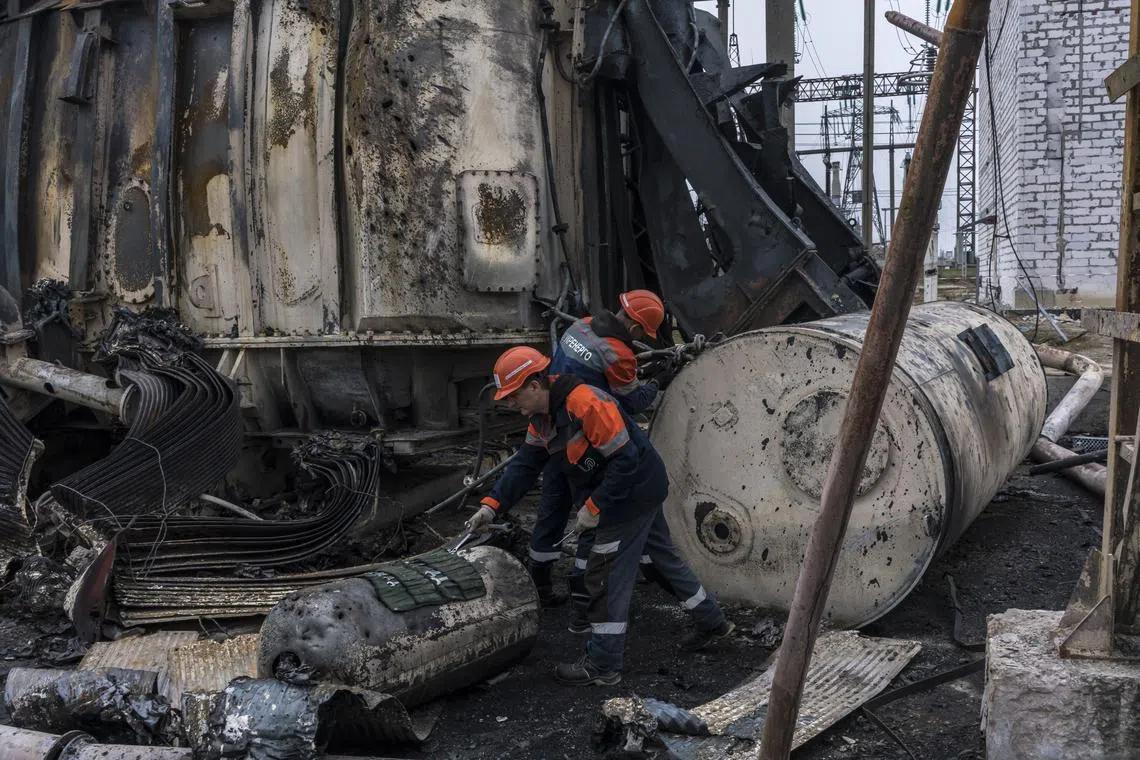
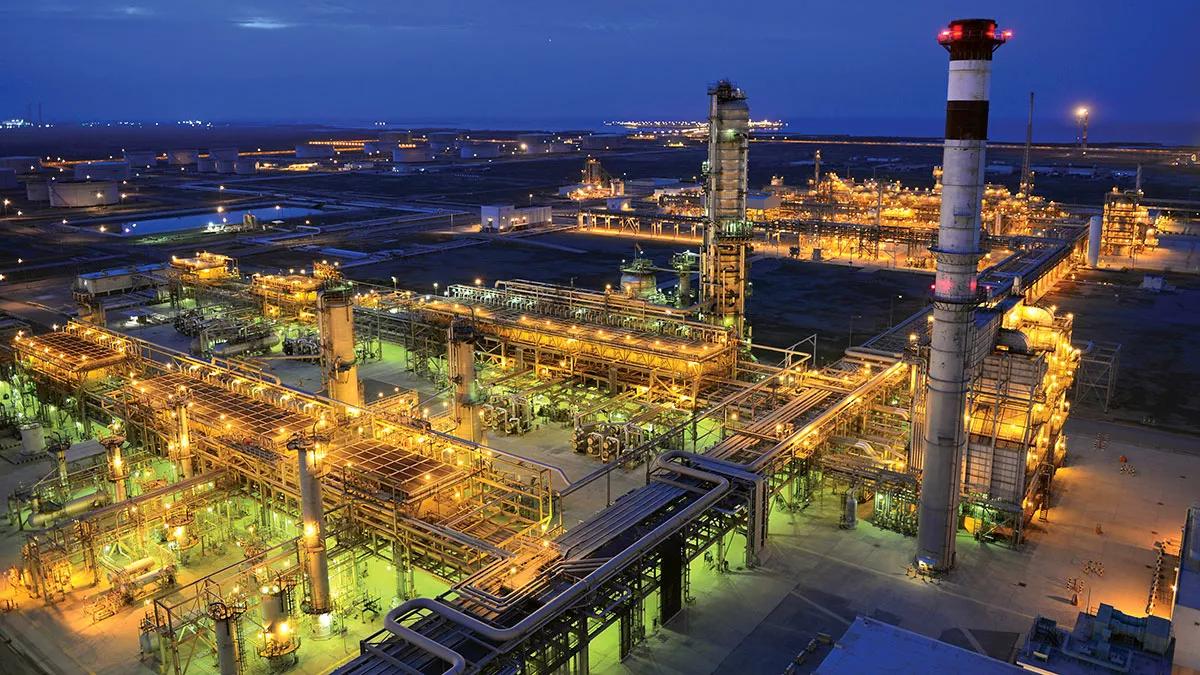
One of the most serious incidents associated with the latest escalation involved Saudi Aramco’s Jazan refinery on the Red Sea coast.
Saudi authorities reported that a projectile struck the facility on Thursday, killing a Nepalese worker and injuring several other people.
The incident also temporarily disrupted some refinery operations.
The Jazan refinery has a processing capacity of approximately 400,000 barrels of crude oil per day, making it an important component of Saudi Arabia’s energy infrastructure.
Its location near the Yemeni border places it within a strategically sensitive area as cross-border hostilities continue.
The Houthis subsequently claimed that the refinery was among the facilities targeted during their latest operations.
However, the available reporting does not independently establish the full circumstances of the strike or the extent of the damage.
Saudi Arabia missile interceptions have consequently become an important part of the wider effort to protect the kingdom’s energy facilities and prevent further disruption.
The Houthis also claimed to have targeted the Hawiyah gas plant in the Eastern Province. No independently verified assessment of damage at that facility was available in the reporting on Sunday.
Saudi-Led Coalition Announces Military Response
The Saudi-led coalition announced a military operation on Saturday evening targeting what it described as resources supporting Houthi missile and drone operations.
The coalition did not identify the specific facilities involved or disclose their precise locations.
The announcement followed renewed attacks against Saudi territory and forms part of the kingdom’s wider military response to the Houthi campaign.
Saudi Arabia has also conducted air operations against Houthi-controlled areas of Yemen as fighting continues.
The latest Saudi Arabia missile interceptions demonstrate the importance Riyadh places on protecting its capital, southern provinces and economically significant infrastructure.
The coalition’s statements suggest that its military strategy combines defensive interceptions with operations intended to weaken the Houthis’ ability to launch further attacks.
However, the full impact of the latest military operation remains unclear because detailed information about its targets and results has not been released.
Background to the Saudi-Houthi Conflict
The confrontation is part of Yemen’s prolonged civil war, which escalated in 2014 when the Houthi movement seized the capital, Sanaa, and expanded its control over other parts of the country.
Saudi Arabia led a military coalition in 2015 to support Yemen’s internationally recognised government and oppose the Houthi advance.
Cross-border fighting declined during a period of relative calm following a 2022 truce. However, the absence of a comprehensive political settlement left the conflict unresolved.
Hostilities between Saudi Arabia and the Houthis resumed in July 2026, ending the extended period of reduced direct attacks.
Since then, missile and drone operations have increasingly threatened Saudi airports, energy facilities and other strategic locations.
Saudi Arabia missile interceptions have become a recurring feature of the renewed confrontation, highlighting the continuing risks facing civilian infrastructure.
The United Nations has also received Saudi communications describing earlier attacks against the kingdom.
In a letter dated 9 November and circulated as a Security Council document on 10 November, Saudi Arabia reported attacks involving ballistic missiles and drones targeting civilian airports, infrastructure and populated areas.
Why the Escalation Matters to Europe
The renewed fighting has implications beyond the Arabian Peninsula, particularly because Saudi Arabia is a major participant in international energy markets.
The kingdom’s energy infrastructure plays an important role in global oil production, processing and exports. Attacks that disrupt refinery operations or threaten transportation facilities can create uncertainty for international energy markets.
The Red Sea location of the Jazan refinery also adds a maritime security dimension to the latest developments.
For European countries, prolonged instability in the Middle East can affect energy prices, shipping costs, insurance premiums and international supply chains.
Belgium could also face indirect economic consequences through its exposure to international energy markets and its position as an important European logistics and industrial centre.
However, the latest reported attacks do not establish that Belgian energy supplies have been disrupted.
Saudi Arabia missile interceptions are therefore relevant to European policymakers primarily because they illustrate the wider security risks surrounding energy infrastructure and international trade routes.
The European Union has previously expressed concern about Houthi attacks against Saudi Arabia.
In October 2026, the European Parliament adopted a resolution condemning the group’s missile and drone attacks and expressing support for Saudi Arabia’s security and territorial integrity.
What Happens Next?
Saudi authorities are expected to continue monitoring missile and drone threats while strengthening security around important civilian and economic facilities.
The condition of the Jazan refinery and the operational status of other facilities identified by the Houthis will remain important developments to watch.
Further attacks could prompt additional military operations by the Saudi-led coalition, increasing the risk of a wider confrontation.
Diplomatic efforts to prevent renewed escalation will also remain important as the conflict continues to threaten regional stability.
Saudi Arabia missile interceptions have demonstrated that the kingdom’s air defences remain actively engaged against incoming threats. However, the reported death of a refinery worker and the continuing attacks underline the human and economic consequences of the conflict.
For now, the competing military claims, confirmed interceptions and reported damage to energy infrastructure point to an increasingly serious security situation in the region.