
Madrid, Spain, 28 November – Brussels Morning Newspaper – Spain general election politics is approaching a decisive moment as Prime Minister Pedro Sánchez seeks another term while the conservative People’s Party (PP) and far-right Vox campaign for a change of government. Spaniards are due to vote on 29 November, in a snap election that could determine whether the Socialists remain in office or whether the PP must negotiate with Vox to secure a parliamentary majority.
- Spain General Election: Vox’s Potential Route to Power
- Housing and the Cost of Living Dominate Voters’ Concerns
- Immigration Exposes a Sharp Divide Between Parties
- Corruption Allegations and Public Services Add Pressure
- Energy Policy Could Change Under a New Government
- Why the Result Matters Beyond Spain
- Final Campaign Leaves Spain Facing a Pivotal Choice
The vote follows the dissolution of parliament under a royal decree published in Spain’s Official State Gazette. The Spain general election is scheduled for 29 November. The contest has become a test of Sánchez’s record after eight years of Socialist-led government, as well as a measure of how much influence Vox can command in a new parliament.
Ahead of the Spain general election, polling published before the final campaign days places the PP ahead of the PSOE, with Vox in third place. An El País polling average published on 24 November put the PP at about 31.5%, the Socialists at 29% and Vox at roughly 18%. Polls are estimates rather than results, and Spain’s fragmented parliament means seat totals and potential alliances will matter more than the national vote share alone.
Spain General Election: Vox’s Potential Route to Power
Vox’s position is central to the campaign because the PP may need its support to form a government. The Spain general election could make the party a decisive parliamentary partner. The conservative party, led by Alberto Núñez Feijóo, is seeking to replace Sánchez, while Vox leader Santiago Abascal wants to turn the party’s support into influence over national policy.
The Spain general election could therefore open the way for Vox to enter a national governing arrangement, either through a coalition or by supporting a PP administration from outside the cabinet. The party has previously gained executive experience in regional and local coalitions, but a role in the national government would mark a significant step.
Vox advocates tougher immigration controls, lower taxes, a more centralised state and the reversal of several progressive social policies. Its positions on climate measures and regional autonomy also differ sharply from those of the PSOE and, in some areas, the PP.
For Feijóo, cooperation with Vox presents a political calculation. Its parliamentary votes could help him reach the threshold needed to win an investiture vote, but concessions to Abascal could complicate efforts to attract moderate voters or reassure European partners. The PP has its own programme and may seek to limit Vox’s influence, although the final balance of seats will shape its negotiating position.
Housing and the Cost of Living Dominate Voters’ Concerns
Housing has become one of the most prominent issues in Spain’s campaign. High rents and property prices have made it harder for younger people and lower-income households to find secure accommodation, particularly in Madrid, Barcelona and popular coastal destinations.
In the Spain general election campaign, the parties are offering different responses. Reuters reported that the PSOE proposes 100,000 affordable public homes and support for first-time buyers. The PP has pledged to promote the construction of one million homes and repeal rent controls, while Vox says it would prioritise Spanish nationals and accelerate evictions in squatting cases.
Those proposals reflect competing views about the causes of the housing shortage. The Socialists place greater emphasis on public provision and regulation, while the PP argues that increasing supply and reducing barriers to construction are essential. Vox links housing access to its wider positions on immigration and national preference.
The issue is politically sensitive because housing costs affect a broad range of voters, not only those traditionally aligned with one party. The next government will face pressure to demonstrate that its policies can increase supply and improve affordability without discouraging investment or reducing the availability of rental homes.
Immigration Exposes a Sharp Divide Between Parties
Immigration is another major fault line in the Spain general election campaign. The PSOE supports legal migration and integration, arguing that workers from abroad contribute to the economy and help meet labour demand. The PP and Vox both favour tighter rules, although Vox has advocated more far-reaching restrictions.
The Spain general election may influence Spain’s position in wider European debates over asylum, border management and the return of people who do not have permission to remain. A government that relies on Vox could press for tougher national measures and seek changes to the way Spain implements EU migration policy.
The issue also presents a challenge for the PP. It must decide how far to accommodate Vox’s demands while maintaining its own position and avoiding a coalition agreement that could alienate voters beyond the right-wing base.
Corruption Allegations and Public Services Add Pressure
The Spain general election campaign has also been shaped by scrutiny of the government and debates about public-sector performance. Corruption allegations involving people connected to the governing Socialists have provided ammunition for opposition parties, which argue that the government has lost credibility.
Allegations and investigations must be distinguished from proven wrongdoing. The existence of an investigation does not establish criminal responsibility, and any claims about individual conduct should be assessed against the findings of the relevant authorities.
Public services have also drawn attention following deadly railway accidents in October, which led to the resignation of Transport Minister Óscar Puente. The incidents prompted questions about railway safety, infrastructure and oversight, adding another difficult issue for the government during the campaign.
The PP has criticised the government’s handling of transport and public services. The PSOE, meanwhile, has defended its record and argued that the opposition is using serious incidents for political advantage. Voters will assess those arguments alongside concerns about housing, employment and household costs.
Energy Policy Could Change Under a New Government
Spain has expanded its renewable-energy capacity over recent years, particularly in solar and wind power. The PSOE supports the energy transition and plans to phase out nuclear power by 2035. The PP says existing reactors should remain open for longer, while Vox supports building new nuclear capacity.
The differences matter for investors, energy companies and industries that depend on predictable electricity prices. Energy policy is another issue in the Spain general election. A change in government could affect the pace of the country’s energy transition, the role of nuclear power and the way national policy aligns with EU climate objectives.
The election will not by itself determine every energy decision, since investment cycles, European rules and market conditions also shape the sector. However, the parties’ competing programmes indicate that energy could become an area of negotiation if the PP and Vox form an administration.
Why the Result Matters Beyond Spain
Spain is a major EU member state whose government participates in decisions on migration, economic policy, energy and foreign affairs. A change in Madrid could influence the tone of discussions in Brussels, particularly if Vox gains a formal role in national government.
A PP-led administration would still have to work within EU law and Spain’s existing international commitments. But differences over migration, climate regulation and social policy could affect negotiations with other member states and the European Commission.
The Spain general election also carries significance for Europe’s wider political landscape. A national cabinet involving a far-right party would be closely watched by governments and political movements across the bloc, especially as several countries debate the influence of nationalist and anti-establishment parties.
Final Campaign Leaves Spain Facing a Pivotal Choice
Sánchez has argued that higher turnout among left-leaning voters could allow the Socialists to defy polling and form a government with smaller allies. Feijóo is seeking to convert the PP’s polling lead into a parliamentary majority or a workable agreement with Vox. Abascal, meanwhile, is campaigning to ensure his party has enough seats to influence the next administration.
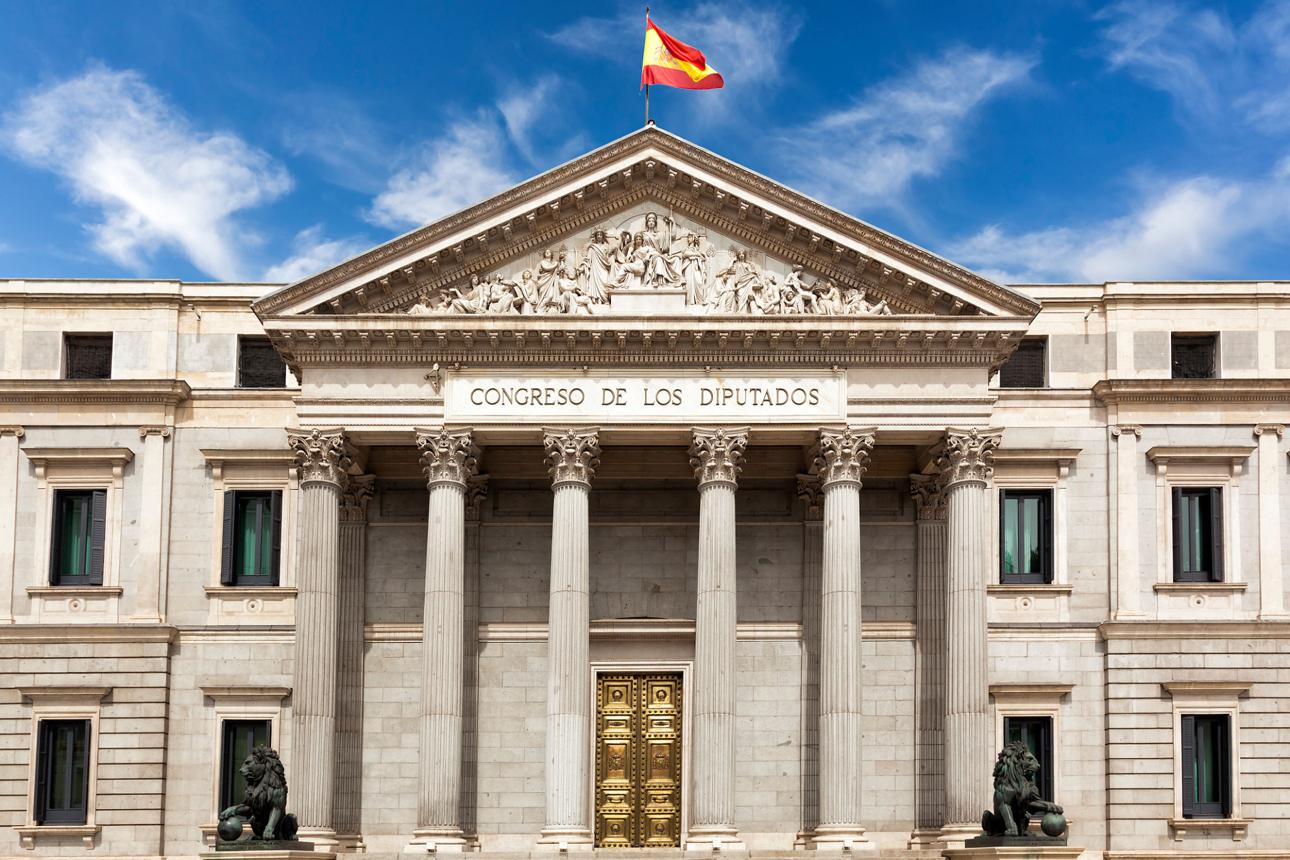
The Spain general election will be decided by the distribution of seats in the 350-member Congress of Deputies. An absolute majority requires 176 seats, but a candidate for prime minister can also seek to win investiture through the parliamentary procedures and support available after the vote.
The final result may not immediately settle who governs. Coalition talks, negotiations with regional parties and the investiture process could extend the period of uncertainty after election day.
For Sánchez, the challenge is to retain office despite the pressure reflected in most private polls. For Feijóo, it is to secure power without allowing coalition negotiations to dictate his entire programme. For Abascal, the opportunity is to translate electoral support into policy influence.
Ultimately, the Spain general election is a choice about the country’s domestic priorities and its place in Europe. The parliamentary arithmetic will show whether voters have endorsed continuity under the Socialists or opened the door to a conservative government in which Vox could play a decisive role.