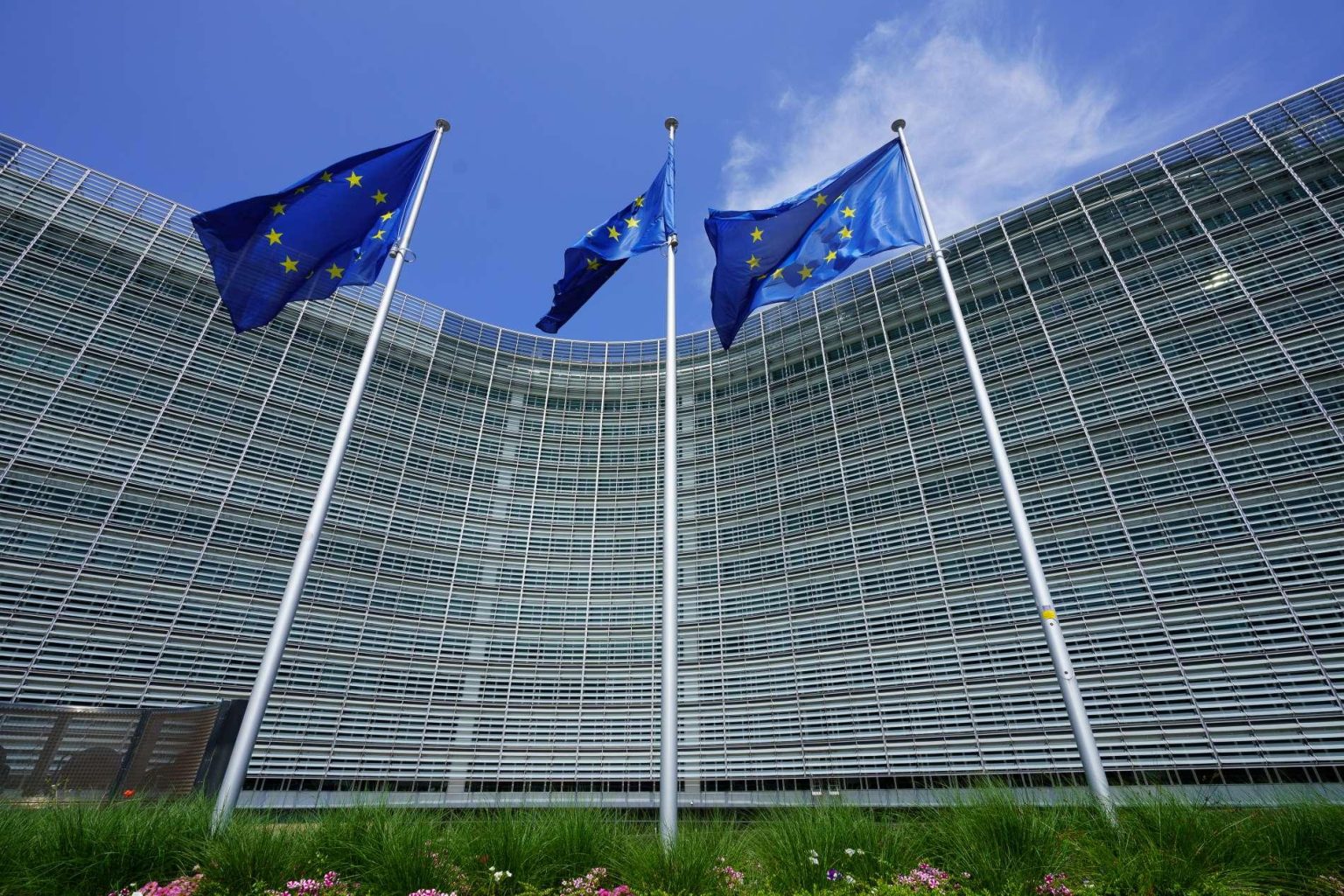
Brussels, Belgium, 8 November – Brussels Morning Newspaper – Europe Technology Dependence is becoming an increasingly important issue as European policymakers examine how to reduce the continent’s reliance on American and Chinese technology companies. From artificial intelligence and cloud computing to semiconductors and telecommunications, Europe faces difficult questions about who controls the digital infrastructure supporting its economy, public services and national security.
- Why Europe Wants to Reduce Its Technology Dependence
- US and Chinese Tech Giants Dominate Europe’s Digital Market
- Digital Sovereignty Becomes a Strategic EU Priority
- European Cloud Computing and AI Industries Face Growing Pressure
- Can Europe Build Its Own Technology Infrastructure?
- The Economic Challenges of Reducing Foreign Technology Dependence
- What Greater Digital Independence Could Mean for Europe’s Future
The debate reflects growing concerns about digital sovereignty, economic competitiveness and the risks of relying heavily on technology developed outside the European Union.
While US companies dominate much of Europe’s cloud computing and software market, China remains an important player in global electronics manufacturing, telecommunications equipment and critical technology supply chains.
For European governments, the challenge is not simply replacing foreign technology. It is finding a way to strengthen Europe’s technological capabilities without damaging international trade, slowing innovation or increasing costs for businesses and consumers.
Why Europe Wants to Reduce Its Technology Dependence
Europe’s dependence on foreign technology has developed over decades. American companies have built powerful positions in operating systems, cloud services, digital advertising and artificial intelligence, while Chinese manufacturers play significant roles in electronics, telecommunications and hardware supply chains.
These relationships have helped European businesses access advanced technology and compete internationally. However, they have also created vulnerabilities.
European institutions increasingly face questions about the security of sensitive information, the resilience of digital infrastructure and the consequences of geopolitical disputes.
The concern is particularly important for sectors such as healthcare, banking, energy and government administration, where disruptions to essential technology services could have serious consequences.
Reducing Europe Technology Dependence does not necessarily mean cutting economic ties with the United States or China. Instead, the discussion centres on developing credible European alternatives and ensuring that governments and businesses have greater freedom to choose their technology providers.
US and Chinese Tech Giants Dominate Europe’s Digital Market
American technology companies have established strong positions across Europe’s digital economy.
Microsoft, Amazon and Google provide cloud computing infrastructure used by businesses and public institutions. Other US companies supply widely used software, artificial intelligence systems and digital platforms.
These services offer significant advantages, including advanced security capabilities, global infrastructure and access to cutting-edge technology.
However, reliance on a relatively small number of providers raises questions about market competition, data governance and the ability of European customers to switch suppliers.
China’s role is different but equally significant.
Chinese companies are important participants in global electronics manufacturing, telecommunications equipment and technology supply chains. European businesses also depend on components and materials sourced through international production networks that include China.
This creates a complicated situation for European policymakers.
Moving away from established suppliers could require substantial investment, while maintaining existing arrangements may leave Europe exposed to geopolitical tensions, export restrictions or supply disruptions.
Digital Sovereignty Becomes a Strategic EU Priority
Digital sovereignty has become a central concept in European technology policy.
In practical terms, it refers to Europe’s ability to make independent decisions about its digital systems, data, infrastructure and technological development.
The European Union has already introduced several initiatives intended to strengthen its position.
The Digital Markets Act addresses the market power of major digital platforms, while the Digital Services Act establishes responsibilities for online platforms and digital services.
The EU AI Act provides a regulatory framework for artificial intelligence, including requirements linked to certain high-risk applications.
Meanwhile, the European Chips Act seeks to strengthen the semiconductor ecosystem and improve the resilience of Europe’s chip supply chains.
These initiatives reflect different aspects of the same challenge: ensuring that Europe can benefit from global technology while maintaining regulatory authority, economic resilience and technological capabilities.
However, regulation alone cannot create competitive European alternatives.
Building a stronger technology industry also requires investment, research, skilled workers and companies capable of operating at an international scale.
European Cloud Computing and AI Industries Face Growing Pressure
Cloud computing and artificial intelligence are two areas where Europe’s technological ambitions face significant challenges.
According to the European Commission’s June 2026 technological sovereignty communication, the EU relies on non-EU providers for more than 80% of its digital products, services, infrastructure and intellectual property. The Commission also highlighted Europe’s limited data centre capacity and dependence on foreign cloud providers.
The rapid expansion of artificial intelligence has made these concerns more urgent.
Developing advanced AI systems requires powerful computer chips, large data centres, specialised software and substantial financial investment. Much of the infrastructure supporting these technologies is supplied by companies headquartered outside Europe.
European startups and researchers may have innovative ideas but still depend on foreign platforms to train and deploy their AI models.
To address these challenges, the European Commission proposed the Cloud and AI Development Act in June 2026. The initiative aims to expand computing infrastructure, support European innovation and improve access to cloud and AI technologies.
One of its objectives is to at least triple the EU’s data centre capacity within five to seven years.
The proposal reflects Europe’s ambition to become more than a customer of global technology companies.
Can Europe Build Its Own Technology Infrastructure?
Europe already possesses important strengths in scientific research, industrial engineering, telecommunications and semiconductor technology.
However, transforming those strengths into globally competitive digital businesses remains difficult.
Building technology infrastructure requires more than establishing new data centres or developing software platforms. Companies need reliable financing, skilled employees, affordable energy and access to customers across the European market.
Europe’s fragmented investment environment also presents challenges.
Businesses operating across EU member states can encounter different administrative procedures, financing conditions and infrastructure requirements.
The European Commission has identified these obstacles as factors limiting the development of a stronger European digital ecosystem.
Open-source technology could offer another route towards greater independence.
By supporting software that can be inspected, modified and maintained by different organisations, Europe could reduce its reliance on proprietary systems controlled by individual suppliers.
The EU’s 2026 Open Source Strategy forms part of its broader technological sovereignty package, alongside proposals covering semiconductors, cloud computing and artificial intelligence.
Nevertheless, European policymakers must consider whether domestic alternatives can provide the performance, reliability and affordability businesses expect from established international providers.
The Economic Challenges of Reducing Foreign Technology Dependence
Reducing Europe Technology Dependence could strengthen economic resilience, but the transition would involve significant costs.
European businesses have invested heavily in existing technology platforms. Replacing them could require new equipment, employee training, software development and changes to established business operations.
Smaller companies may find these adjustments particularly difficult.
There is also the question of international competitiveness.
American and Chinese technology companies benefit from large domestic markets, established supply chains and substantial investment resources.
European companies seeking to compete in the same sectors need opportunities to expand without facing unnecessary barriers.
The EU must therefore balance its desire for greater independence with the advantages of international cooperation.
A complete separation from American or Chinese technology would be difficult and could disrupt industries that depend on global supply chains.
Instead, European policy increasingly focuses on reducing strategic vulnerabilities while preserving access to international markets.
The European Commission’s technological sovereignty strategy explicitly combines stronger domestic capabilities with open strategic partnerships.
This approach could allow European businesses to continue using foreign technologies while developing alternatives in particularly sensitive sectors.
What Greater Digital Independence Could Mean for Europe’s Future
Europe’s technology debate is ultimately about more than computers, software or telecommunications equipment.
It concerns the continent’s ability to protect essential services, support innovation and make independent economic decisions in an increasingly competitive international environment.
The European Parliament has also placed technological sovereignty on its agenda. In January 2026, lawmakers adopted a resolution calling for stronger European capabilities and reduced strategic dependencies in critical digital infrastructure.
For European citizens, the consequences could eventually be visible in how personal data is managed, how public services operate and which companies provide the digital tools used in everyday life.
For businesses, greater technological independence could create opportunities for European cloud providers, AI developers, cybersecurity companies and semiconductor manufacturers.
Yet progress will depend on whether European institutions and private investors can turn policy ambitions into commercially successful technologies.
The central question is no longer whether Europe depends on foreign technology. That dependence is well established.
The more difficult question is how much independence Europe can realistically achieve, how quickly it can develop competitive alternatives and what economic trade-offs governments and businesses are prepared to accept.
As artificial intelligence and digital infrastructure become increasingly important to economic growth and national security, Europe’s decisions could shape its technological position for decades.
For the European Union, the goal is not necessarily to stop using American or Chinese technology. It is to ensure that Europe has enough control, capacity and choice to determine its own digital future.