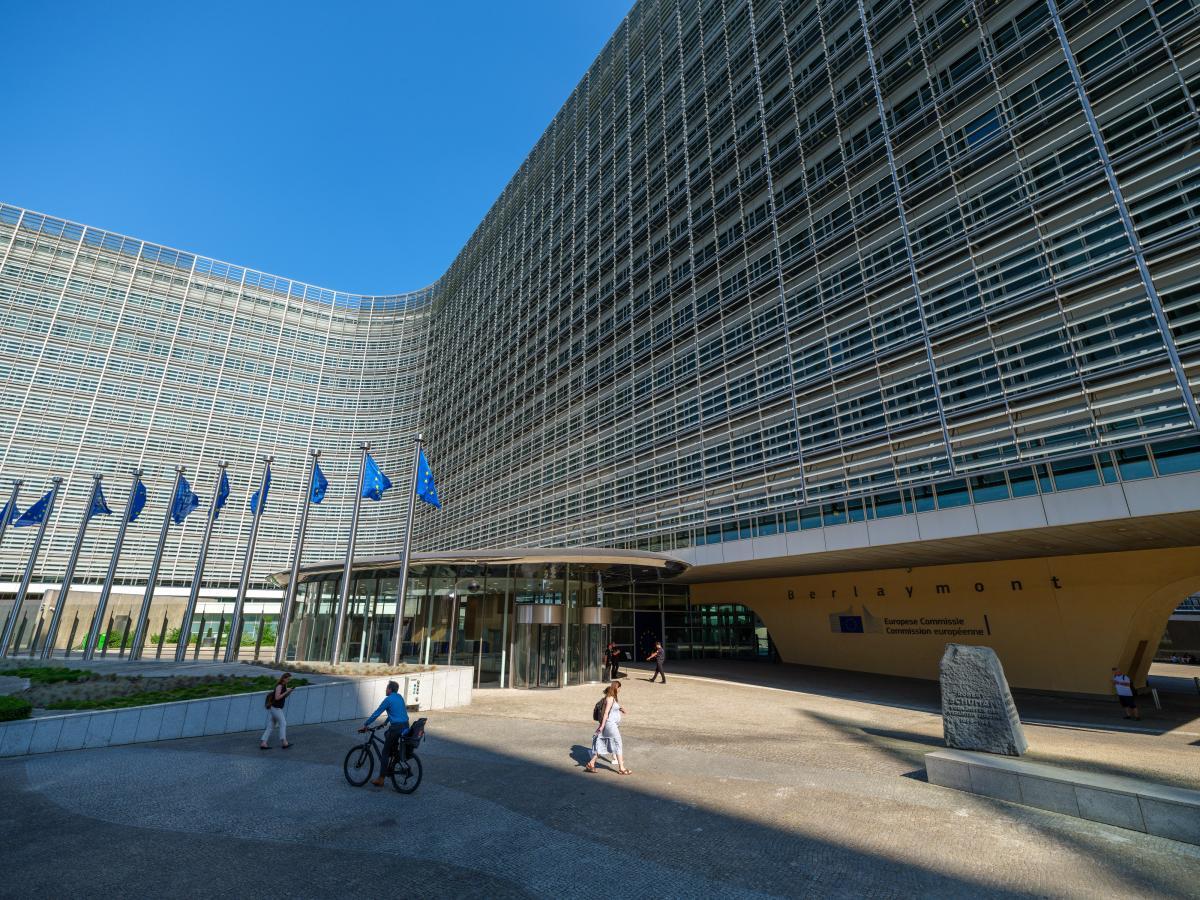
The European Public Prosecutor’s Office has opened a second fraud investigation into Spain’s Madrid–Seville high-speed railway after two deadly crashes killed 115 people in 2026.
The latest investigation focuses on possible misuse of European Union funding intended to improve railway safety, signalling and communications systems.
On 7 November – Brussels Morning Newspaper – EU prosecutors confirmed investigative measures involving Spain’s railway infrastructure manager ADIF, the State Railway Safety Agency (AESF) and the Court of Auditors. Spain’s Guardia Civil is assisting the inquiry.
Why Are EU Prosecutors Investigating Spain’s Railway?
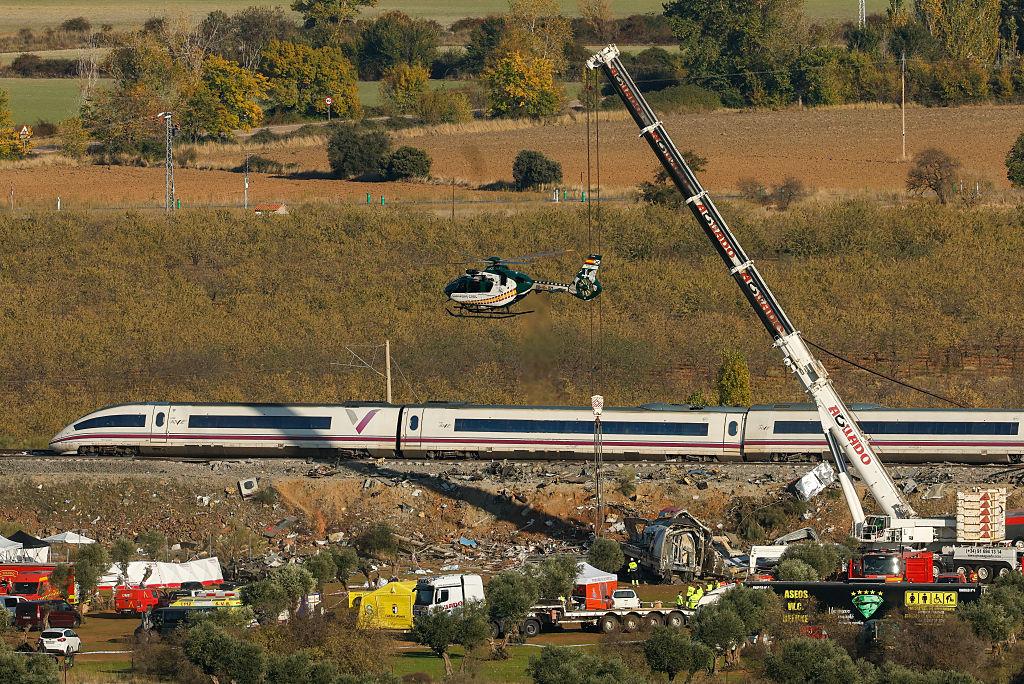
The investigation follows a devastating collision near Urda, in Toledo province, on 28 October, which killed 69 people.
The accident occurred when a high-speed passenger train struck the rear of another train that had stopped on the Madrid–Seville route.
It was the second major railway disaster on the line this year. In January, another collision near Adamuz, in Córdoba province, killed 46 people.
Together, the accidents have raised serious questions about railway maintenance, infrastructure investment and the effectiveness of safety systems.
EU Funding for Railway Safety Comes Under Scrutiny
The European Union allocated approximately €111 million through its Regional Development Fund in 2024 to support improvements to the Madrid–Seville railway.
Investigators are examining whether funding intended for safety upgrades was properly used.
The European Public Prosecutor’s Office has not publicly established that fraud occurred or that any suspected misuse of funds caused either crash.
A separate investigation launched in March 2026 is examining possible fraud involving maintenance work on the same railway corridor.
Spain’s Transport Minister Resigns After Deadly Crashes
The railway disasters have also triggered a political crisis.
Transport Minister Óscar Puente resigned on 3 November, followed by ADIF president Luis Pedro Marco de la Peña.
The resignations have increased pressure on Prime Minister Pedro Sánchez as Spain approaches its general election scheduled for 29 November.
Meanwhile, families of victims are demanding answers about how two major accidents could occur on the same high-speed railway within a single year.
What Happens Next in the EU Railway Fraud Investigation?
European prosecutors are continuing to examine documents and financial records connected with railway infrastructure projects.
The investigation could establish whether EU money allocated for railway improvements was spent according to the applicable funding rules.
However, the EPPO has declined to release further details while its investigation remains active.
For Spain, the immediate challenge extends beyond financial accountability. Restoring public confidence in its high-speed railway network will require clear findings, effective safety improvements and answers for the families affected by the disasters.