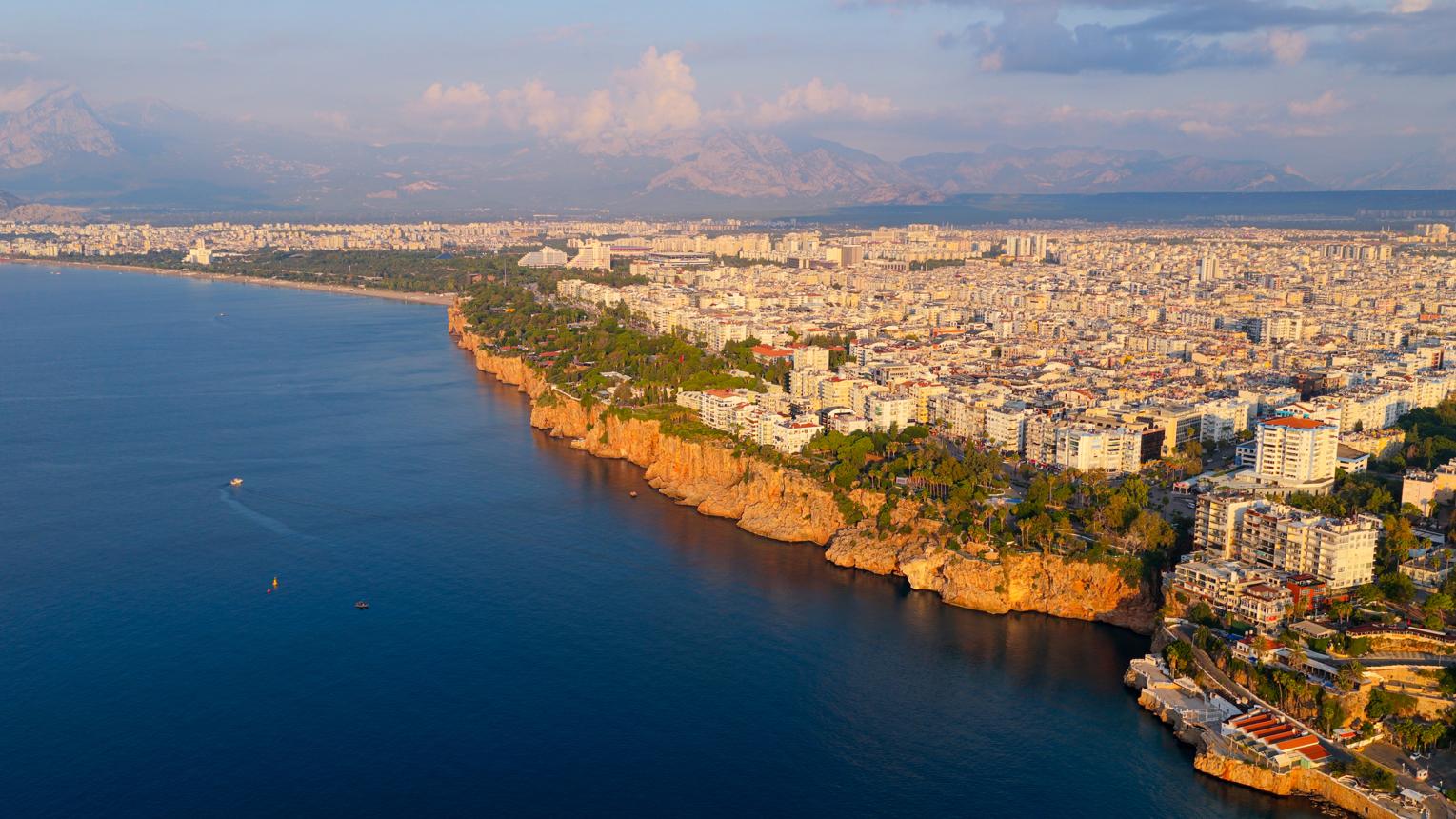
BRUSSELS, Belgium, 6 November – Brussels Morning Newspaper – The European Union is preparing for a critical round of global climate negotiations as world leaders and government representatives head to Antalya, Türkiye, for the United Nations COP31 conference beginning on Monday, 9 November.
- EU Sets Climate Priorities Ahead of COP31 in Antalya
- European Parliament Calls for Stronger Global Climate Action
- Climate Finance and Fossil Fuels Dominate EU Negotiating Agenda
- Türkiye Hosts COP31 as Australia Leads Climate Negotiations
- Why COP31 Matters for Europe’s Economy and Energy Future
- What Happens Next at the COP31 Climate Conference?
The EU COP31 climate summit preparations come amid growing pressure on governments to deliver meaningful action on rising global temperatures, fossil fuel dependence and financial support for countries most vulnerable to climate change.
Brussels is entering the two-week conference with a clear message: international climate commitments must now translate into practical results.
The negotiations will bring together representatives from almost every country to discuss emissions reductions, clean energy investment, climate adaptation and the future of international climate cooperation.
EU Sets Climate Priorities Ahead of COP31 in Antalya
The Council of the European Union formally adopted the bloc’s negotiating position on 12 October, calling for urgent action to implement the Paris Agreement.
EU ministers want governments to strengthen their national climate commitments, accelerate the transition away from fossil fuels and expand clean energy investment.
The Council also acknowledged that global warming is likely to exceed the Paris Agreement’s 1.5°C threshold, making immediate emissions reductions increasingly important.
European officials argue that limiting further temperature increases will require stronger cooperation between developed and developing economies.
The Council described COP31 as an opportunity to turn international promises into tangible progress.
European Parliament Calls for Stronger Global Climate Action
The European Parliament has added its voice to calls for greater ambition ahead of the conference.
In a resolution adopted on 22 October, MEPs highlighted the accelerating effects of climate change and the need for sustained reductions in greenhouse gas emissions.
Parliament warned that Europe remains particularly exposed to rising temperatures, with extreme weather creating growing risks for communities, agriculture and infrastructure.
The resolution called for stronger national climate policies and continued international cooperation to meet the Paris Agreement’s long-term objectives.
The Parliament’s position will provide political guidance for its delegation attending the conference.
Climate Finance and Fossil Fuels Dominate EU Negotiating Agenda
Financing the global transition towards cleaner energy is expected to be one of the most challenging issues at the EU COP31 climate summit.
Developing countries continue to face substantial costs associated with climate adaptation, renewable energy infrastructure and protection against extreme weather.
The EU is calling for increased public and private investment to support climate action.
Its negotiating position also emphasises the importance of implementing commitments made during the first global stocktake under the Paris Agreement, including the transition away from fossil fuels.
Disagreements over financial responsibilities and the pace of the energy transition could complicate efforts to reach a common position.
Türkiye Hosts COP31 as Australia Leads Climate Negotiations
The conference will take place at the Antalya Expo Center from 9 to 20 November.
Türkiye is hosting the event, with Murat Kurum nominated as COP31 President.
Australia’s Climate Change and Energy Minister, Chris Bowen, will serve as President of Negotiations under an arrangement that divides responsibilities between the two countries.
World leaders are scheduled to meet on 11 and 12 November for a high-level summit addressing international climate cooperation.
The conference will also bring together scientists, businesses, environmental organisations and civil society representatives.
Why COP31 Matters for Europe’s Economy and Energy Future
The negotiations come as European countries continue working towards their long-term emissions reduction commitments.
The EU has committed to cutting net greenhouse gas emissions by at least 55% by 2030 compared with 1990 levels and achieving climate neutrality by 2050.
Meeting those targets requires major investment in renewable electricity, modern energy networks, cleaner industrial production and more efficient transport.
For European businesses, the international direction of climate policy can influence investment decisions and future energy costs.
For households, the transition raises questions about electricity affordability, employment opportunities and the cost of adopting cleaner technologies.
The conference will not directly determine domestic energy prices, but its agreements could shape future national policies and investment priorities.
What Happens Next at the COP31 Climate Conference?
Formal negotiations begin on 9 November, followed by the World Leaders’ Summit on 11 and 12 November.
EU representatives will seek progress on emissions commitments, climate finance, adaptation and the implementation of existing international agreements.
The conference is scheduled to conclude on 20 November, although the final outcome will depend on negotiations among participating governments.
For Brussels, the central test will be whether the EU COP31 climate summit produces concrete steps towards delivering existing climate commitments.
The outcome will help determine whether governments can strengthen international cooperation while addressing the economic and environmental challenges of the global energy transition.