WASHINGTON, 1 November – Brussels Morning Newspaper – US tariffs and rising living costs have become central issues in the final days before America’s midterm elections, placing President Donald Trump’s economic policies under increasing scrutiny as voters prepare to decide control of Congress on 3 November.
Despite stronger economic growth, concerns about inflation, household expenses and international trade continue to influence the political debate. The election could determine how much congressional oversight and legislative support Trump’s economic agenda receives during the final two years of his presidency.
US Economy Grows Despite Inflation Concerns
The American economy expanded at an annualised rate of 3.4% during the third quarter of 2026, according to the Bureau of Economic Analysis (BEA), accelerating from 2.2% in the previous quarter.
The official figures, published on 29 October, showed that investment, consumer spending and government expenditure contributed to economic growth, although weaker exports partly offset those gains.
However, stronger national output has not eliminated concerns about household finances.
A Reuters report published on 23 October highlighted consumer sentiment remaining close to historically low levels ahead of the congressional elections.
How US Tariffs Affect Businesses and Consumers
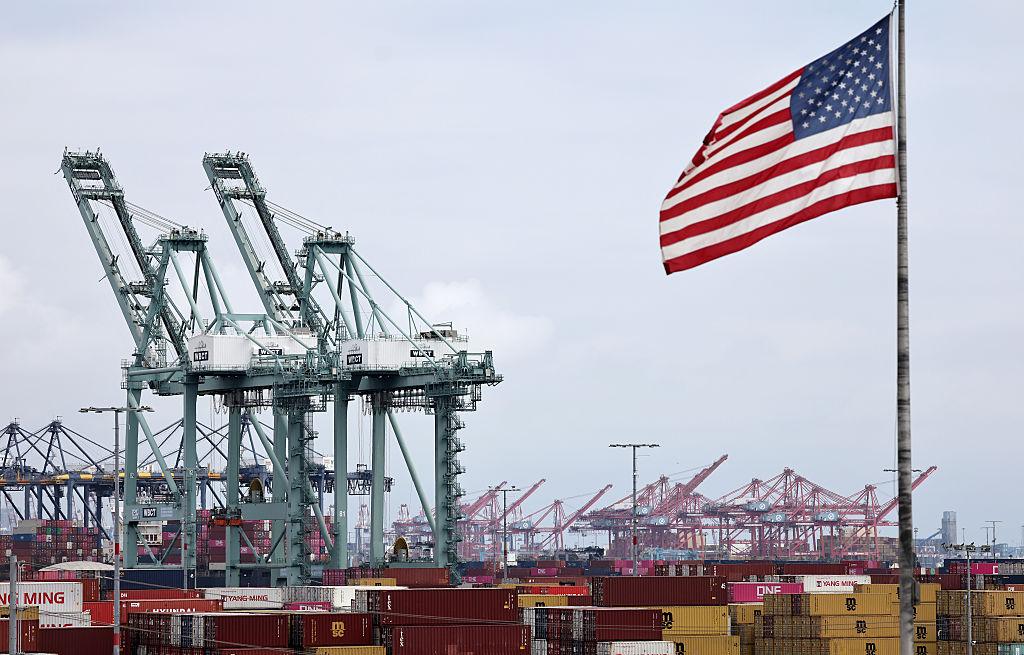
The Trump administration has defended import duties as a means of protecting American industries, encouraging domestic production and strengthening the country’s negotiating position with international trading partners.
However, tariffs also create additional costs for companies importing foreign products and materials.
Businesses may absorb those expenses, negotiate lower supplier prices or pass some costs to consumers.
The consequences vary across industries, depending on supply chains, competition and companies’ ability to adjust their purchasing arrangements.
Research by Yale University’s Budget Lab has examined the economic effects of tariff policies, including their implications for prices, economic activity and households.
The broader debate concerns whether potential gains for domestic producers outweigh higher import costs and disruption to international commerce.
Official Economic Data Highlights Mixed Conditions
The BEA reported that real final sales to private domestic purchasers increased at an annualised rate of 4.9% during the third quarter.
Its figures also showed that the personal consumption expenditures price index increased at an annualised rate of 2.1% during the quarter, compared with 5.0% in the second quarter.
These quarterly measurements do not mean households have experienced equivalent reductions in everyday prices.
Meanwhile, a Reuters/Ipsos survey published in October found that 78% of respondents assigned at least some responsibility to Trump’s policies for rising living costs.
The findings illustrate the political challenge facing Republicans despite continued economic expansion.
Midterm Elections Could Change Trump’s Economic Agenda
The 3 November elections will determine control of the House of Representatives and Senate.
A Democratic victory in either chamber could complicate the administration’s legislative priorities and increase congressional scrutiny of trade and fiscal decisions.
Control of the House would give Democrats greater authority over committee investigations and government spending negotiations.
However, a change in congressional leadership would not automatically reverse existing tariffs, particularly measures imposed through presidential executive authority.
Reuters has identified government funding, debt negotiations and trade policy among the potential areas of confrontation following the election.
What Happens Next for the US Economy?
Americans will vote on 3 November, with the results determining the balance of power in Washington.
Investors and businesses will assess whether the next Congress is likely to support the administration’s trade strategy or challenge its implementation.
Further economic evidence will arrive on 25 November, when the BEA is scheduled to publish its second estimate of third-quarter GDP.
For households, businesses and international trading partners, the immediate questions concern the future direction of trade restrictions, inflation and government economic policy.
The election will not settle those issues directly, but its outcome could substantially influence how they are debated and addressed during the remainder of Trump’s presidency.