
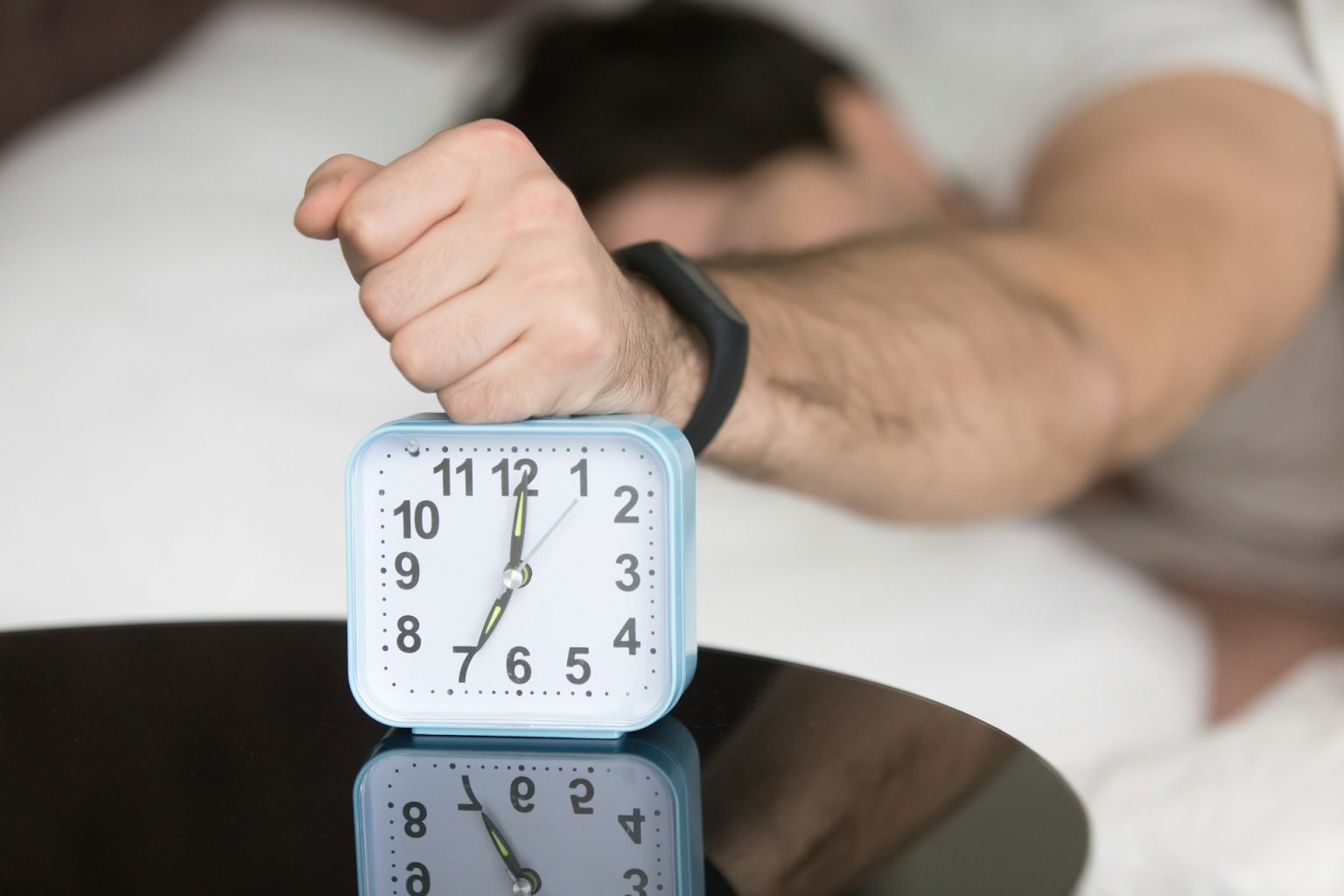
WASHINGTON, DC, 1 November – Brussels Morning Newspaper – Daylight Saving Time ended across most of the United States early on Sunday, 1 November 2026, as clocks moved backwards by one hour, marking the country’s return to standard time. The annual adjustment gives millions of Americans an additional hour overnight but brings earlier sunsets, changes to daily routines and renewed debate over whether seasonal clock changes should continue.
According to the US National Institute of Standards and Technology (NIST), clocks moved from 2 am back to 1 am local time. The adjustment affects most states, although several jurisdictions remain exempt.
When Did Clocks Change in the United States?
The autumn transition took place at 2 am on Sunday, 1 November, when clocks returned to 1 am.
Most smartphones, computers and internet-connected devices adjust automatically. However, traditional clocks, older appliances and some vehicle systems may require manual changes.
The transition means sunrise and sunset occur approximately one hour earlier by the clock, providing more morning daylight while reducing evening daylight.
Standard time will remain in effect until Sunday, 14 March 2027, when participating states are scheduled to move their clocks forward again.
Which American States Do Not Change Their Clocks?
Although most Americans follow the twice-yearly adjustment, Hawaii and most of Arizona observe standard time throughout the year.
The Navajo Nation, which extends into Arizona, continues to observe seasonal clock changes.
Several US territories also remain exempt, including Puerto Rico, Guam, American Samoa, the Northern Mariana Islands and the US Virgin Islands.
Under federal law, states may choose not to observe the seasonal adjustment. However, states participating in the system must follow the nationally established dates.
How the Time Change Affects Sleep and Health
Health specialists warn that even a one-hour adjustment can temporarily disrupt the body’s internal biological clock.
The American Academy of Sleep Medicine has advocated permanent standard time, arguing that it better aligns human sleep patterns with natural daylight.
In its published position statement, the organisation concluded that seasonal clock changes can contribute to circadian disruption and associated health and safety concerns.
Although the autumn transition generally causes fewer difficulties than the spring adjustment, some individuals may experience changes in sleep quality, alertness and daily energy levels.
Sleep specialists recommend maintaining consistent bedtimes, obtaining natural morning light and limiting caffeine late in the day to help the body adjust.
Congress Faces Renewed Pressure Over Clock Changes
The United States has followed a nationally regulated system of seasonal clock adjustments for decades.
The Uniform Time Act of 1966 established federal coordination, while legislation enacted in 2005 extended the seasonal period beginning in 2007.
Debate over eliminating the twice-yearly change has continued in Congress.
On 14 July 2026, the House of Representatives approved legislation intended to establish permanent daylight saving time. However, the proposal still requires Senate approval and presidential enactment before becoming law.
Supporters argue that eliminating clock changes would reduce disruption and provide greater consistency. Medical organisations favouring permanent standard time have raised concerns about the darker winter mornings that permanent daylight saving time would create.
What Happens Next for Americans?
For now, the existing federal schedule remains in place.
Households should check manually operated clocks, confirm scheduled appointments and remain aware of earlier evening darkness, particularly when travelling or commuting.
Congress could continue considering legislation to end seasonal adjustments, but no nationwide permanent-time arrangement has taken effect.
Unless federal law changes, Americans in participating states will move their clocks forward again on 14 March 2027.
The November transition therefore remains both a practical annual adjustment and a reminder of the unresolved national debate over how the United States should manage its clocks.