BRUSSELS, 28 October, (Brussels Morning Newspaper) – The European Union and Canada are preparing to strengthen cooperation on artificial intelligence, cybersecurity, digital trade and advanced technologies ahead of a major summit in Montréal on 29–30 October. The proposed EU-Canada tech alliance forms part of a broader strategic partnership intended to improve economic security, encourage innovation and strengthen transatlantic supply chains.
European Commission President Ursula von der Leyen and European Council President António Costa will meet Canadian Prime Minister Mark Carney to discuss expanding cooperation across technology, trade, defence, energy and scientific research.
According to the European Council, leaders are expected to launch an ambitious “Alliance for the Future”, creating a framework for deeper economic and political cooperation.
EU and Canada Strengthen Artificial Intelligence Cooperation
Technology cooperation is expected to feature prominently in the summit discussions, particularly artificial intelligence, digital infrastructure and cybersecurity.
The European Commission and Canadian officials held a Digital Dialogue on 1 October 2026 to review progress under their existing Digital Partnership.
Discussions covered AI safety, regulation, innovation, high-performance computing, digital identity systems and online protection for minors.
Officials also examined secure international connectivity through the Arctic, reflecting the growing importance of resilient digital infrastructure.
The EU-Canada tech alliance could provide further political support for these initiatives, although specific new commitments will depend on the summit’s outcome.
Canadian Prime Minister Calls for Stronger Strategic Partnership
Canadian Prime Minister Mark Carney has emphasised the importance of strengthening relations with Europe amid changing international economic and security conditions.
In an official statement issued on 25 October, Carney said:
“The world is more dangerous and divided. In response, Canada and the European Union are building on each other’s strengths – deliberately, systematically, and rapidly – to form a new, ambitious alliance.”
The Canadian government has identified artificial intelligence, quantum computing, space technologies and critical minerals as areas where closer cooperation could deliver economic benefits.
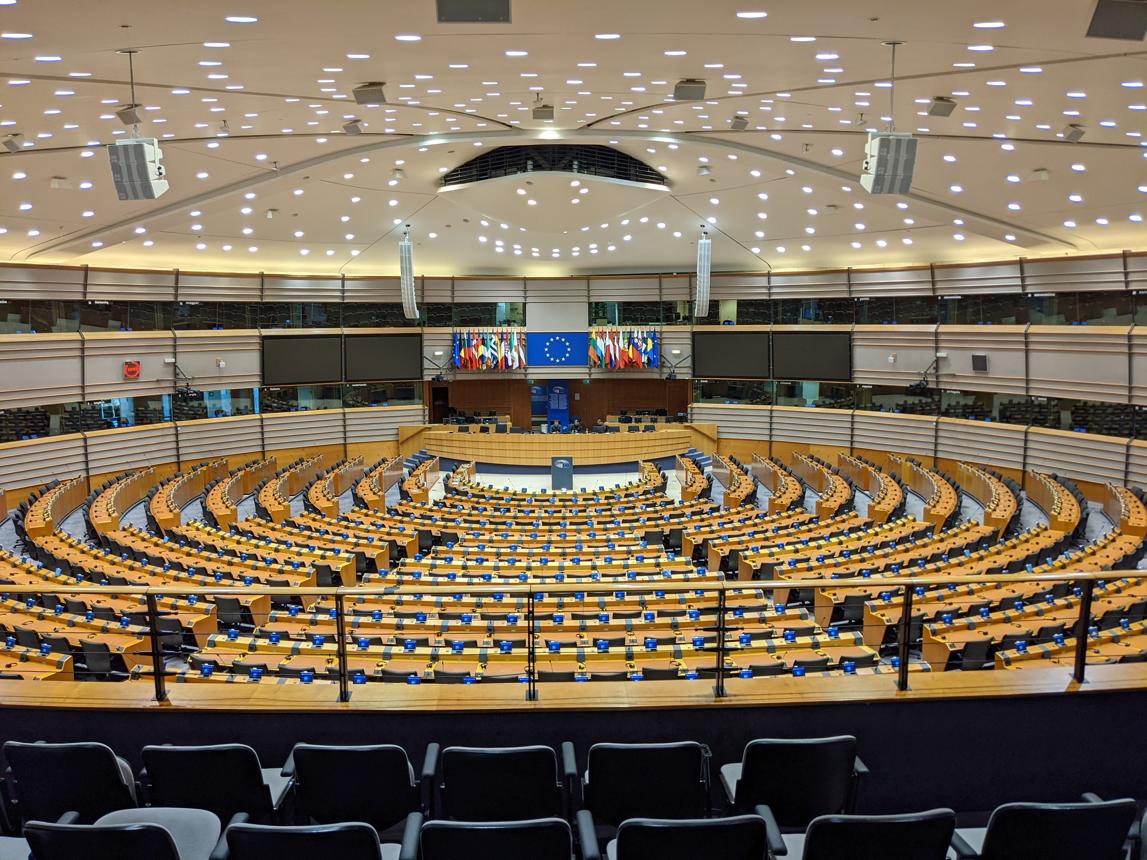
During his September address to the European Parliament, Carney also outlined opportunities for coordinated technological development.
“Canada and Europe can join forces to develop AI safety protocols, coordinate common standards, and strengthen transparency, all while developing applications so our governments and companies can serve our citizens better.”
His remarks highlighted the potential for cooperation on technological standards while preserving the regulatory independence of both partners.
Digital Trade and Research Partnerships Gain Importance
The proposed cooperation builds on established economic agreements and research partnerships.
The Comprehensive Economic and Trade Agreement, known as CETA, has provided a framework for closer commercial relations since its provisional application began in September 2017.
Canada and the EU are also pursuing closer digital trade cooperation, including discussions about reducing barriers affecting businesses operating across international markets.
According to the European Council, bilateral trade in goods and services reached approximately €130 billion in 2025.
The two partners also cooperate through Horizon Europe, supporting research collaboration between universities, scientific institutions and innovative businesses.
What the Technology Partnership Means for Businesses
Closer cooperation could benefit European technology companies, Canadian innovators, research institutions and manufacturers involved in strategically important industries.
Potential opportunities include joint AI research, stronger cybersecurity capabilities, improved digital connectivity and more resilient supply chains.
However, the proposed partnership does not automatically establish a common technology market or introduce new binding regulatory arrangements.
Any commercial or regulatory changes would require further decisions and, where applicable, formal agreements.
What Happens Next at the Montréal Summit?
The summit will take place on 29–30 October 2026, with leaders expected to review progress under existing agreements and identify priorities for deeper cooperation.
The European Council expects a joint statement following the discussions.
That statement should provide greater clarity on the scope of the proposed alliance, including the next steps for digital cooperation, research and economic security.
For Brussels and Ottawa, the summit represents an opportunity to translate their shared technological ambitions into more concrete initiatives.