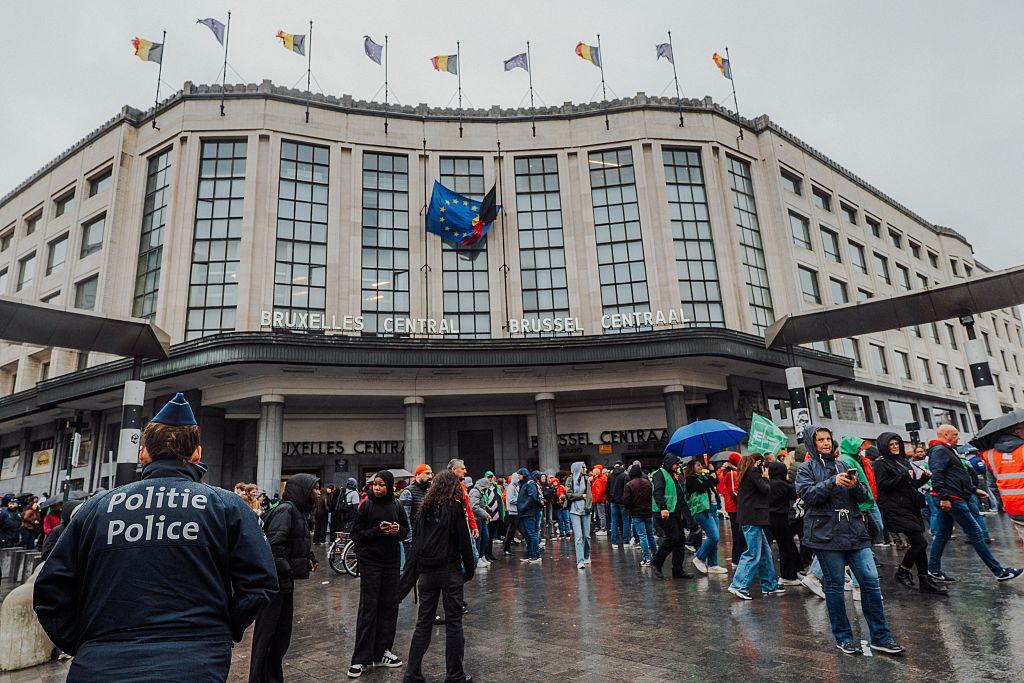
Brussels, Belgium, 26 October, (Brussels Morning Newspaper) – Brussels police seizures of protective equipment during anti-government demonstrations have triggered a dispute over policing powers and the right to peaceful protest. Officers confiscated swimming goggles, saline solution and medical face masks from demonstrators on 24 October, prompting criticism from human rights advocates who questioned the legality of the measures.
The Brussels-Capital-Ixelles police zone defended the confiscations as temporary preventive measures intended to protect public safety. However, the controversy has intensified scrutiny of how Belgian authorities balance public order with fundamental civil liberties.
Brussels Police Defend Controversial Equipment Confiscations
Police confirmed that officers confiscated swimming goggles, ski goggles, saline solution and medical masks during preventive checks before and during Saturday’s demonstration.
Authorities acknowledged that the objects were not inherently illegal. Nevertheless, officers considered their potential use during the gathering when assessing public-order risks.
Police Commissioner Linda Camarero-Verde explained that decisions were based on the location, timing and security circumstances surrounding the demonstration.
The gathering had not received official authorisation, although the City of Brussels permitted it to proceed provided that public order was maintained.
Police cited Article 30 of Belgium’s Police Office Act, which permits certain temporary administrative seizures where public safety or order requires intervention.
Human Rights Organisation Challenges Police Actions
The Belgian Human Rights League, Ligue des droits humains, challenged the legality of confiscating protective equipment.
Its director, Pierre-Arnaud Perrouty, argued that removing ordinary protective items could discourage citizens from participating in demonstrations.
Speaking to Belgian public broadcaster RTBF, Perrouty described the confiscations as unlawful and raised concerns about their effect on peaceful assembly.
The organisation’s objections focus on whether police can justify taking items commonly used for personal protection, particularly when demonstrators may encounter tear gas or other crowd-control measures.
Police maintain that their decisions were lawful and proportionate to the circumstances.
The disagreement has left the interpretation and application of preventive police powers at the centre of the controversy.
Nine Arrested After Brussels Protest Clashes
Approximately 400 people gathered at Place de l’Albertine in central Brussels on 24 October following social media calls for demonstrations against government policies and education reforms.
The gathering initially remained peaceful before protesters began moving towards Saint-Gilles and Brussels-South railway station.
Some participants attempted to reach the headquarters of the French-speaking liberal party Mouvement Réformateur, but police prevented their advance.
Confrontations subsequently occurred between demonstrators and officers.
Reuters reported that police used tear gas and pepper spray, while witnesses observed physical confrontations involving officers and protesters.
Police reported nine arrests, including five administrative detentions for public-order disturbances and four judicial arrests connected with suspected prohibited weapons possession and incitement to riot.
Earlier Demonstrations Add to Police Accountability Concerns
The latest dispute follows several demonstrations in Brussels during October, including protests over education funding, government budget policies and alleged excessive police force.
Earlier gatherings resulted in confrontations, arrests and property damage, increasing pressure on authorities responsible for maintaining public order.
Human rights advocates have separately raised concerns about the confiscation of protective equipment during previous demonstrations.
The Brussels police seizures have therefore become part of a broader discussion about preventive policing, proportionality and accountability.
What Happens Next for Protest Rights in Brussels?
As of 26 October, no confirmed court ruling had established whether the equipment confiscations on 24 October were unlawful.
Any formal legal challenge would require an assessment of the specific circumstances surrounding the seizures and the powers available under Belgian legislation.
For demonstrators, the dispute raises practical questions about carrying protective equipment at public gatherings.
For police authorities, it highlights the need to explain why otherwise lawful possessions may be considered a public-order risk.
The controversy remains unresolved, with police defending their preventive measures and human rights representatives challenging their legal justification.