Brussels, 18 October, (Brussels Morning Newspaper) – Belgium is facing renewed pressure from European Union partners over Belgium Russian assets negotiations, as EU leaders seek additional financial assistance for Ukraine following the European Council summit on 15–16 October. The dispute centres on billions of euros in immobilised Russian sovereign reserves held by Brussels-based Euroclear, with Belgian Prime Minister Bart De Wever demanding stronger legal and financial safeguards before any agreement involving the underlying funds.
Approximately €210 billion in Russian sovereign assets remain immobilised across the European Union, with most held through Euroclear. Belgium’s position has become increasingly significant as European governments examine alternative funding mechanisms amid uncertainty surrounding future American support for Ukraine.
Belgium Faces Growing Pressure Over Russian Reserves
The latest discussions follow calls from several European governments to reconsider how immobilised Russian funds could contribute to Ukraine’s military and economic requirements.
The Netherlands and other EU members have supported examining additional options for mobilising the reserves, including arrangements that could distribute financial risks across the bloc.
Belgium, however, remains concerned about the consequences of accessing the underlying assets without comprehensive protection against potential legal claims.
The October European Council summit reaffirmed support for Ukraine but did not produce a new agreement authorising the transfer of Russian central-bank reserves.
Bart De Wever Demands Stronger Financial Safeguards
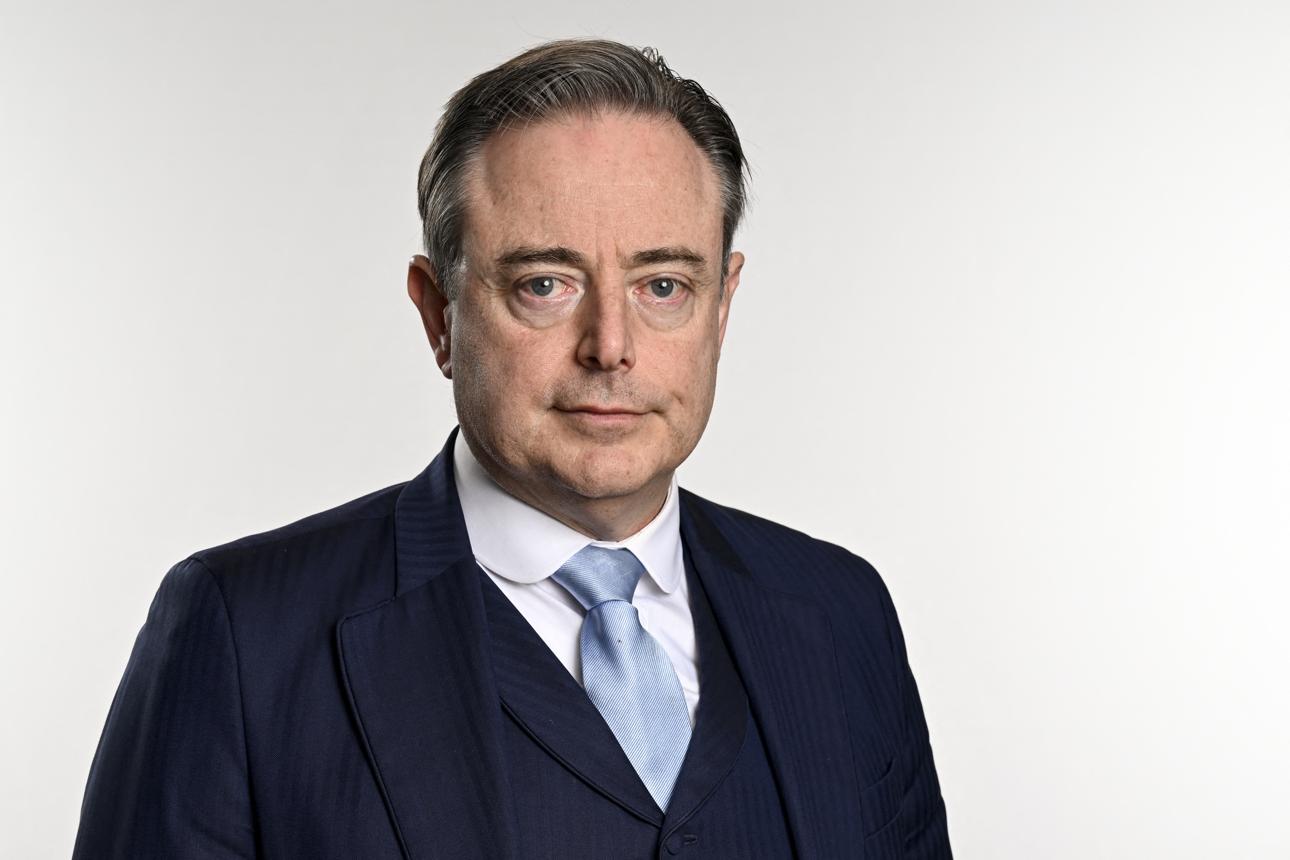
Belgian Prime Minister Bart De Wever has consistently argued that any arrangement involving Euroclear must protect Belgium from disproportionate financial and legal exposure.
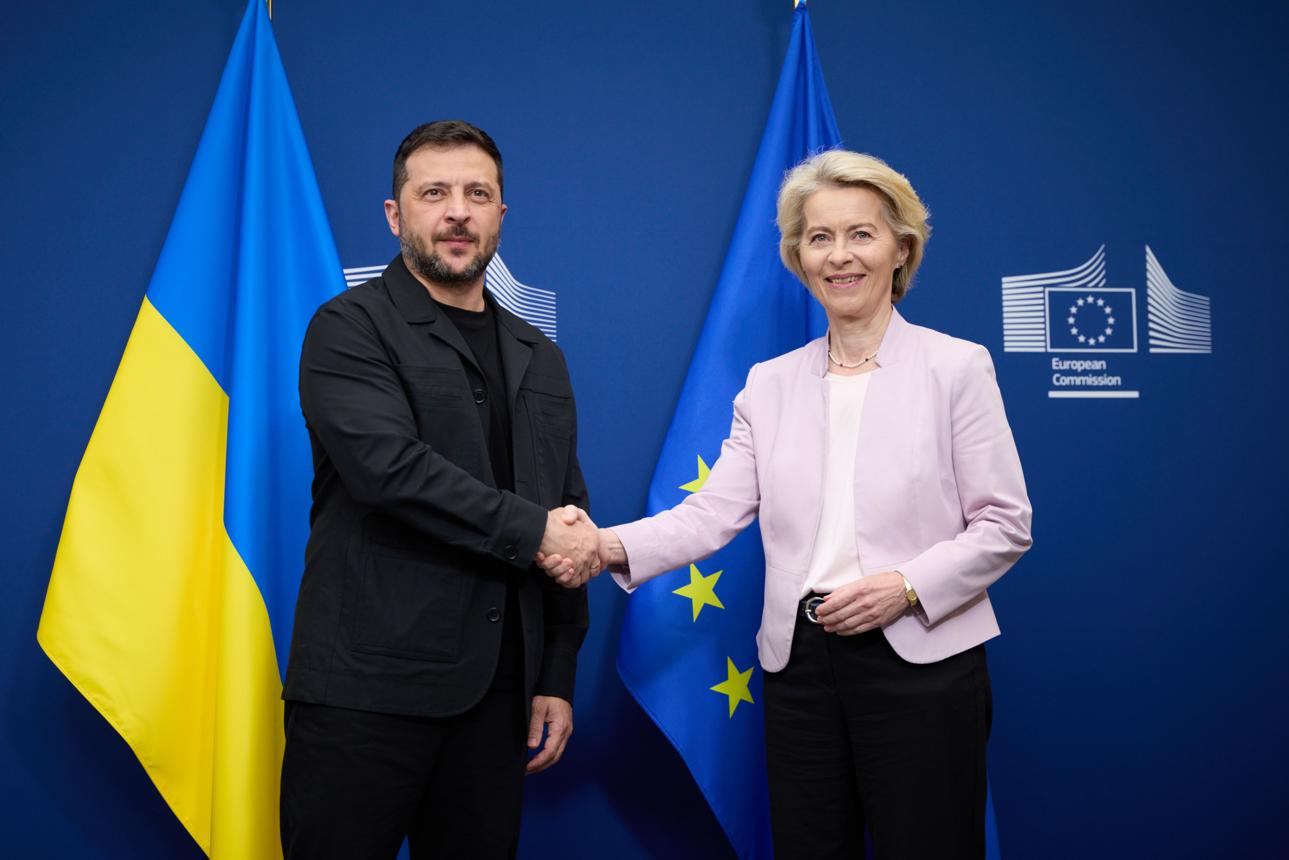
Speaking after meeting Ukrainian President Volodymyr Zelenskyy in Brussels on 15 October, De Wever reaffirmed his government’s commitment to supporting Kyiv.
“I said that, as far as I’m concerned, the EU must continue to support Ukraine,” De Wever said during a press conference, according to EUalive.
He also indicated that he had ideas about future European financial assistance, although he did not announce a breakthrough concerning the immobilised Russian reserves.
The Belgian government’s objections focus on liability, potential litigation and the financial responsibilities associated with Euroclear’s custody of the assets.
Why Euroclear Holds Billions in Russian Assets
The European Union immobilised Russian central-bank reserves following Moscow’s full-scale invasion of Ukraine in February 2022.
Euroclear became central to the dispute because a substantial proportion of the reserves were held through the Belgian financial infrastructure provider.
European authorities have already established arrangements allowing extraordinary revenues generated by immobilised Russian assets to support Ukraine.
However, using investment proceeds differs from accessing the underlying sovereign capital, which raises more complicated questions under international law.
In December 2025, EU leaders agreed to provide Ukraine with a €90 billion loan covering 2026 and 2027, financed through European borrowing rather than an immediate transfer of Russian reserves.
Ukraine Funding Needs Intensify Brussels Negotiations
Ukraine’s continuing military and financial requirements have increased pressure on European governments to identify reliable sources of assistance.
During the October summit, President Zelenskyy appealed for approximately €70 billion in additional European support for 2027.
The funding discussions come as Ukraine continues defending its territory, protecting critical infrastructure and maintaining essential government services.
For Belgium, the Belgium Russian assets dispute also presents questions about financial stability, legal responsibility and the protection of institutions operating within its jurisdiction.
Any agreement could have implications beyond Ukraine, particularly for the international treatment of sovereign reserves held in European financial markets.
What Happens Next for Belgium and the European Union?
European governments are expected to continue examining Ukraine’s financing requirements and possible arrangements for managing immobilised Russian reserves.
One proposal under discussion involves transferring the assets and associated liabilities into a separate European structure, potentially reducing Euroclear’s direct exposure.
However, such an arrangement has not received final approval.
The European Council’s conclusions of 16 October reaffirmed continued assistance to Ukraine without announcing a new agreement to transfer the underlying Russian funds.
Belgium’s demand for shared financial responsibility is therefore expected to remain an important part of future negotiations.
For Brussels, the challenge remains balancing support for Ukraine with legal safeguards and the protection of European financial stability.