Brussels, 17 October, (Brussels Morning Newspaper) – The EU energy crisis has placed European leaders under renewed pressure to address high electricity and fuel costs following a Brussels summit that exposed disagreements over carbon pricing, industrial competitiveness and the future of Europe’s energy policies.
The discussions highlighted competing priorities among EU governments, with some seeking immediate relief for energy-intensive industries and others emphasising the importance of maintaining long-term climate commitments.
The debate matters for European households, manufacturers and businesses facing uncertainty over future energy costs.
European Council Demands Urgent Energy Price Measures
At the European Council meeting on 15–16 October, leaders asked the European Commission to examine additional short-term measures to address soaring energy prices.
The summit conclusions supported extending temporary state aid arrangements for vulnerable industrial sectors, improving refinery efficiency and encouraging voluntary coordination of energy demand.
Leaders also called for faster development of electricity networks, renewable energy and storage infrastructure to reduce dependence on imported fossil fuels.
Carbon Pricing Rules Divide European Governments
Disagreements centred on the EU’s emissions trading system, which requires covered industries to account for their carbon emissions.
Italy, Poland, Hungary, Slovakia and the Czech Republic pushed for delaying the expansion of carbon pricing to buildings and road transport. Other governments, including Germany, France and Spain, defended the importance of maintaining climate commitments.
Instead of approving a postponement, leaders asked the Commission to update its assessment of the proposed system and its safeguards.
EU Officials Warn of Mounting Economic Pressure
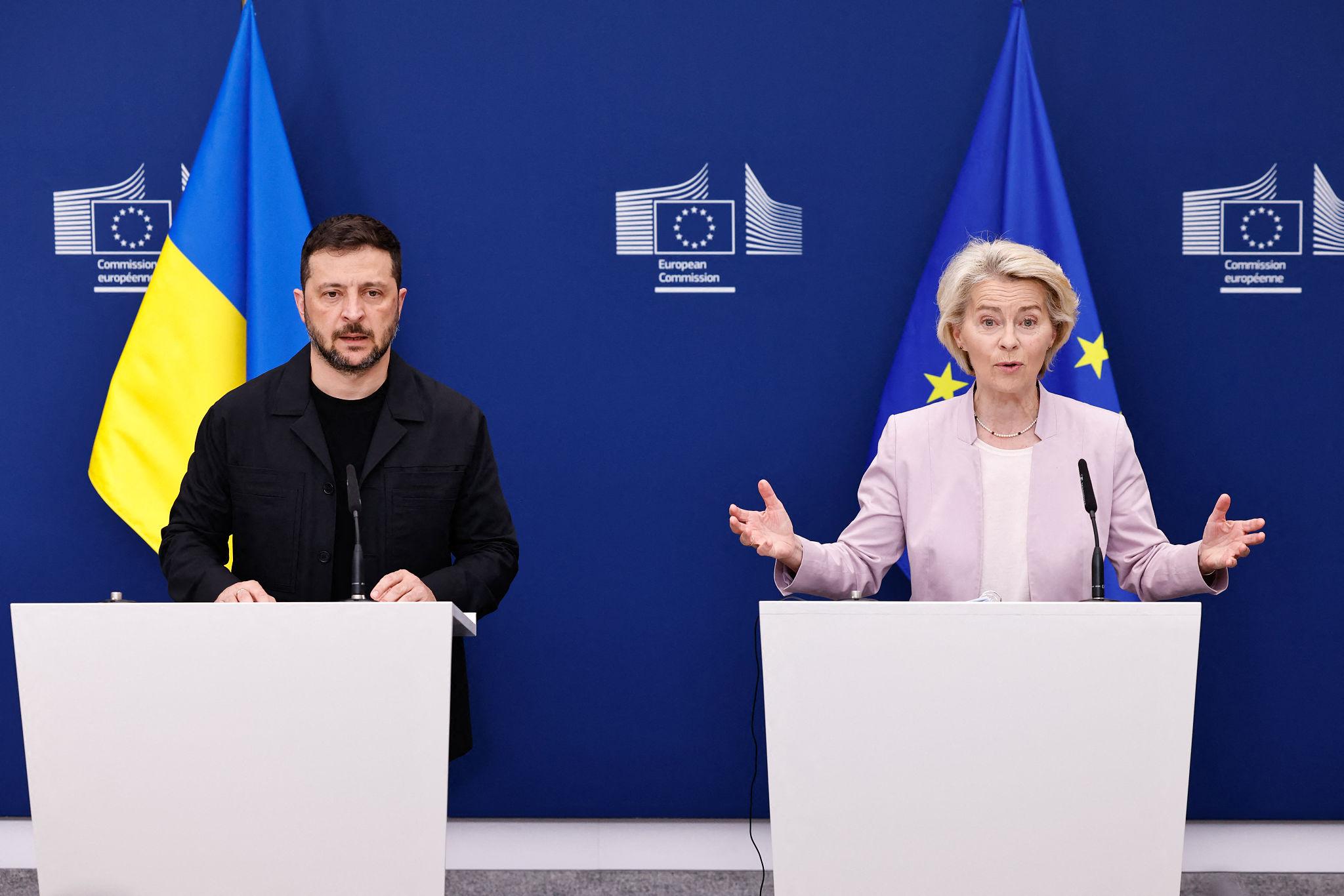
European Commission President Ursula von der Leyen highlighted the scale of Europe’s energy challenges during preparations for the summit.
According to the Commission president, gas prices had increased by 140% since the end of February, while diesel prices had doubled.
She estimated that Europe’s imported fossil fuel costs had risen by an additional €100 billion, increasing pressure on businesses and consumers.
European Council President António Costa also warned after the summit that high and volatile energy prices were placing considerable strain on European households and businesses. He linked the problem partly to dependence on fossil fuels and weaknesses in the EU’s integrated energy market.
Global Energy Disruption Raises Concerns Ahead of Winter
Europe’s energy difficulties have been compounded by international instability, including the war in Ukraine and disruption associated with conflict involving Iran.
Higher gas prices have increased electricity generation costs in countries that rely heavily on gas-fired power stations.
Italy has reached an agreement with European authorities on measures intended to limit the effect of gas prices on domestic electricity costs, highlighting how national governments are pursuing different approaches to energy affordability.
Rising Costs Put European Industry Under Pressure
Expensive energy affects manufacturing competitiveness, particularly in industries requiring large quantities of electricity and natural gas.
Households also face uncertainty over heating and electricity expenses as Europe approaches winter.
For policymakers, the challenge is providing immediate financial relief while maintaining investment incentives for cleaner and more secure energy supplies.
What Happens Next for EU Energy Policy?
The European Commission is expected to examine additional short-term interventions following the summit’s conclusions.
The European Parliament and Council have also been urged to accelerate legislative work on the carbon market stability reserve, which is intended to help address excessive price volatility.
Further discussions will determine whether additional measures can reduce energy costs while preserving the EU’s climate objectives.
For now, European leaders have agreed on the urgency of the problem, but significant differences remain over the most effective response.