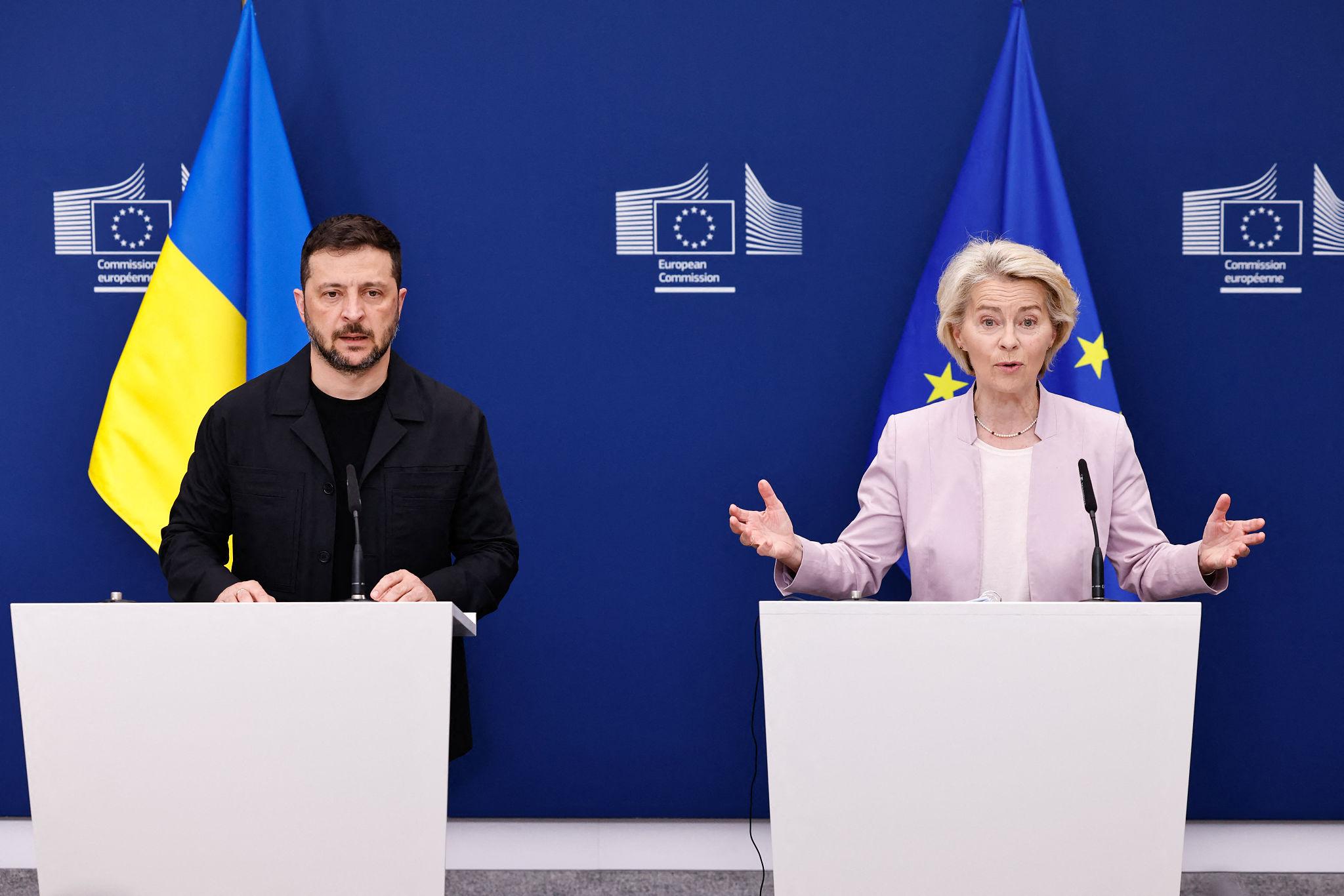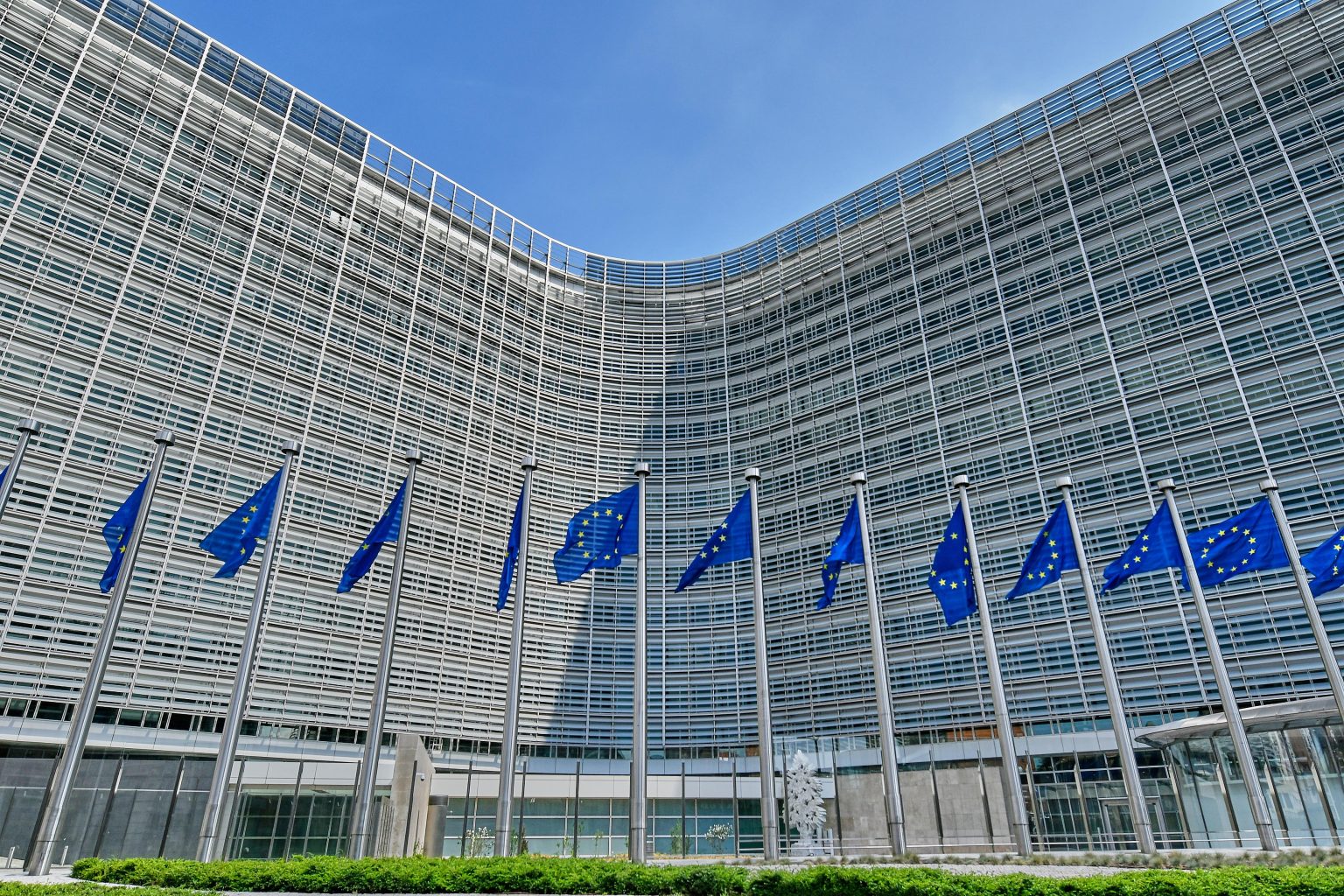
Brussels, 17 October, (Brussels Morning Newspaper) – European Union leaders have ended a two-day summit in Brussels without agreeing on the bloc’s next long-term budget, as disagreements over spending priorities, national contributions and financial reforms threaten to delay a settlement. The EU budget deadlock has intensified concerns about whether the 27 member states can reach a compromise before the end of 2026.
The European Council meeting on 15 and 16 October brought together heads of state and government to discuss the proposed financial framework for 2028–2034, alongside Ukraine, European security, migration and economic competitiveness.
Although leaders adopted conclusions on the budget negotiations, they failed to reach a final financial agreement.
EU Budget Negotiations Face Major Political Divisions
The central disagreement concerns the size and structure of the next Multiannual Financial Framework, which determines how the European Union allocates funding over seven years.
The European Commission initially proposed a budget worth approximately €1.76 trillion. Ireland, which currently holds the rotating presidency of the Council of the EU, subsequently presented a revised proposal of around €1.62 trillion.
However, the revised financial package encountered opposition from governments with competing priorities.
Germany, Sweden and other major contributors have called for tighter spending limits, while several southern and eastern European countries are seeking stronger protection for agricultural subsidies and regional development programmes.
These differences have complicated efforts to establish a common position on future European spending.
European Council Calls for Further Negotiations
The European Council’s official conclusions, published on 16 October, confirmed that discussions would continue under the leadership of European Council President António Costa.
The conclusions acknowledged the importance of reaching an agreement in time to complete the necessary legislation during 2027.
According to the European Council, securing a settlement before the end of 2026 would help ensure that EU funding reaches beneficiaries without interruption when the new financial framework begins in January 2028.
However, leaders stopped short of committing themselves to a binding December deadline.
Why the Budget Dispute Matters for Europe
The EU budget deadlock has significant implications for programmes supporting agriculture, regional development, scientific research, infrastructure and economic competitiveness.
The negotiations are taking place as European governments face increasing pressure to strengthen defence capabilities, support Ukraine and invest in energy security.
These priorities require substantial financial resources, creating difficult choices between maintaining established funding programmes and expanding spending in newer strategic areas.
Countries receiving considerable agricultural and regional development assistance are particularly concerned about proposals that could reduce their allocations.
Meanwhile, governments contributing more to the European budget are seeking to limit additional financial commitments.
National Elections Complicate EU Financial Agreement
The prospect of political changes across Europe in 2027 has added urgency to the negotiations.
French President Emmanuel Macron has urged European leaders to finalise the financial framework before the end of 2026, warning that upcoming national elections could make a compromise more difficult.
Several other European countries also face elections during 2027, potentially changing the political circumstances surrounding the negotiations.
Despite these concerns, some governments have questioned whether reaching an agreement by December should take precedence over securing acceptable financial terms.
What Happens Next After the Brussels Summit?
European Council President António Costa is expected to present a revised negotiating proposal in the coming weeks.
A special European Council meeting scheduled for 26 November will provide another opportunity for leaders to address the outstanding disagreements.
Further negotiations may also continue during December if a compromise remains out of reach.
The next stage will focus on narrowing differences over national contributions, new EU revenue sources and the allocation of funding.
For now, the EU budget deadlock remains unresolved, leaving European governments facing another difficult round of negotiations before the proposed financial framework can advance towards final approval.